

Last March, Saudi Arabia's Qiddiya Investment Company dropped a bombshell: plans to build the world's only Dragon Ball theme park. The concept art alone sent shockwaves through the global fandom.
Naturally, fans everywhere were scratching their heads, asking, "Why Saudi Arabia? This should totally be in Japan!" It felt bizarre that such an iconic Japanese ACG property wouldn't get its flagship park on home turf. Now, economic columnist Kazuki Tanigashira has weighed in, penning an article for "Nikkan SPA!" that dives deep into Saudi Arabia's choice, its burgeoning love for Japanese ACG, and why Japan might have missed the boat. The piece has certainly got people talking.
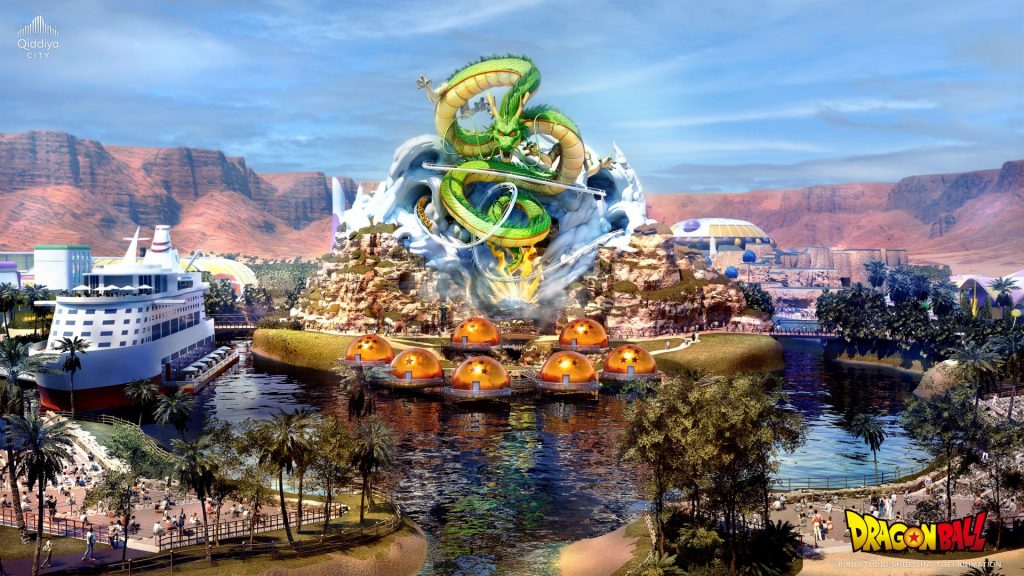
Slated for completion by 2030, the "Dragon Ball" theme park is set to sprawl across a massive 500,000 square meters—roughly the same footprint as Tokyo Disneyland. The park promises to faithfully recreate classic Dragon Ball locales, divided into seven distinct zones, featuring over 30 attractions, five of which will be world-first experiences. And get this: the park's centerpiece, the "Shenron Rollercoaster," will tower an incredible 70 meters high, showcasing truly epic scale and meticulous design.
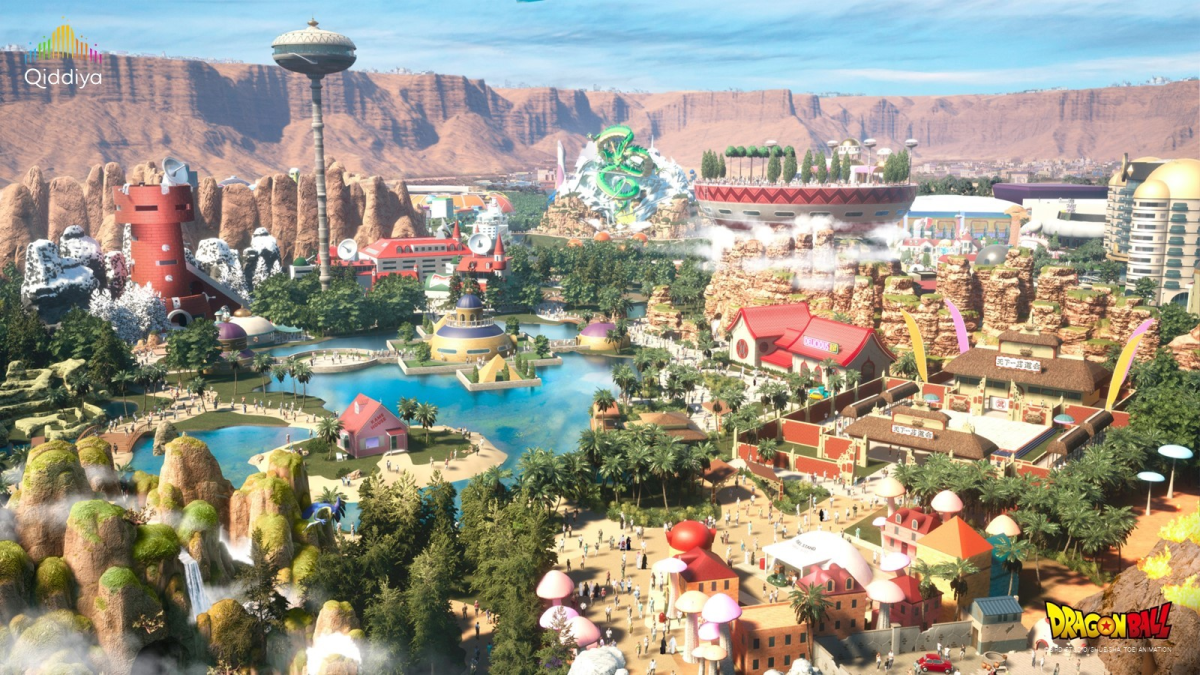
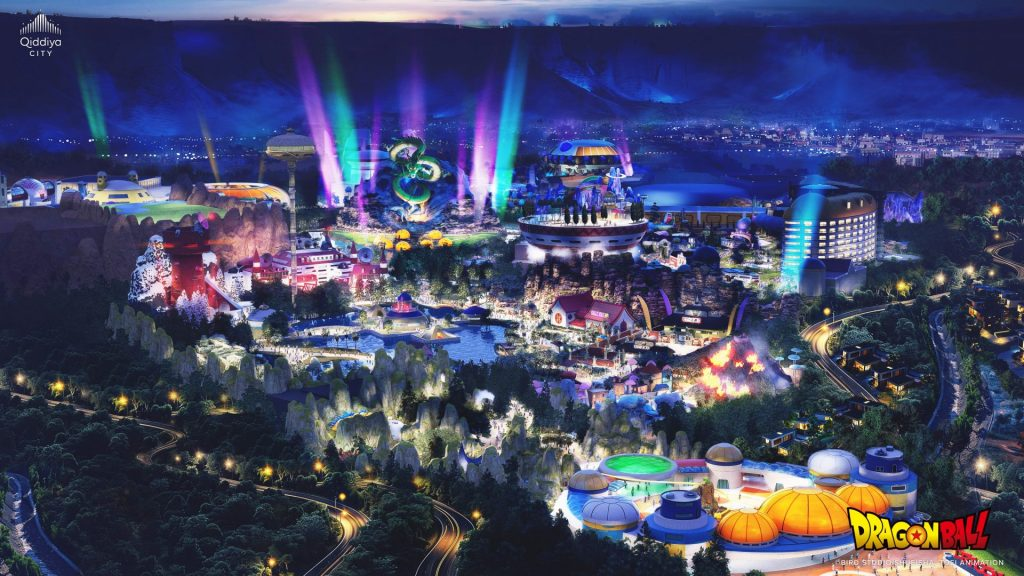
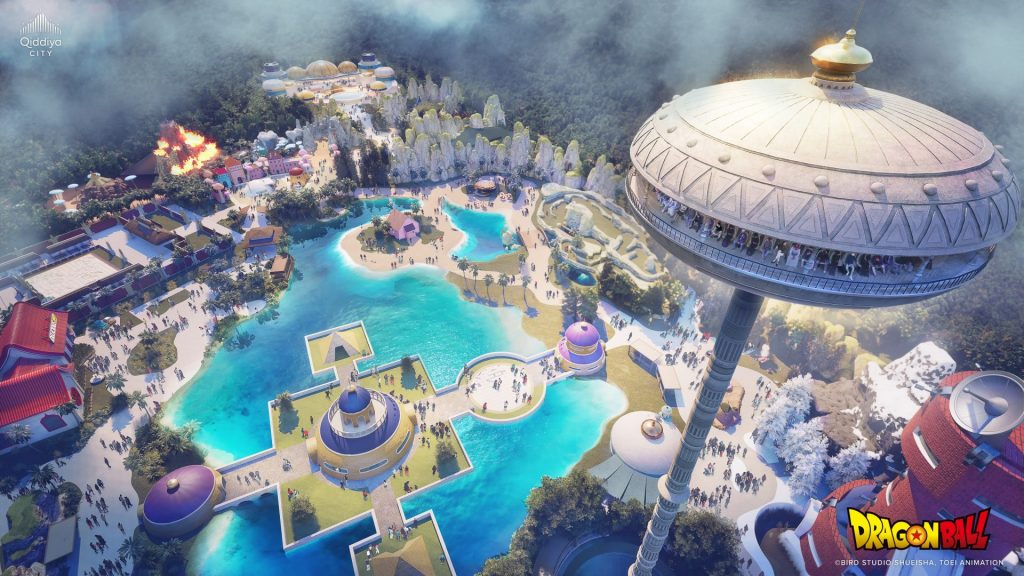
So, what's the deal? Tanigashira-san zeroes in on the question most Japanese are asking: "Why Saudi Arabia?" He boils it down to two key factors:
1. Saudi Arabia's surging passion for Japanese anime and manga.
2. A massive push from Saudi Arabia's national development initiatives.
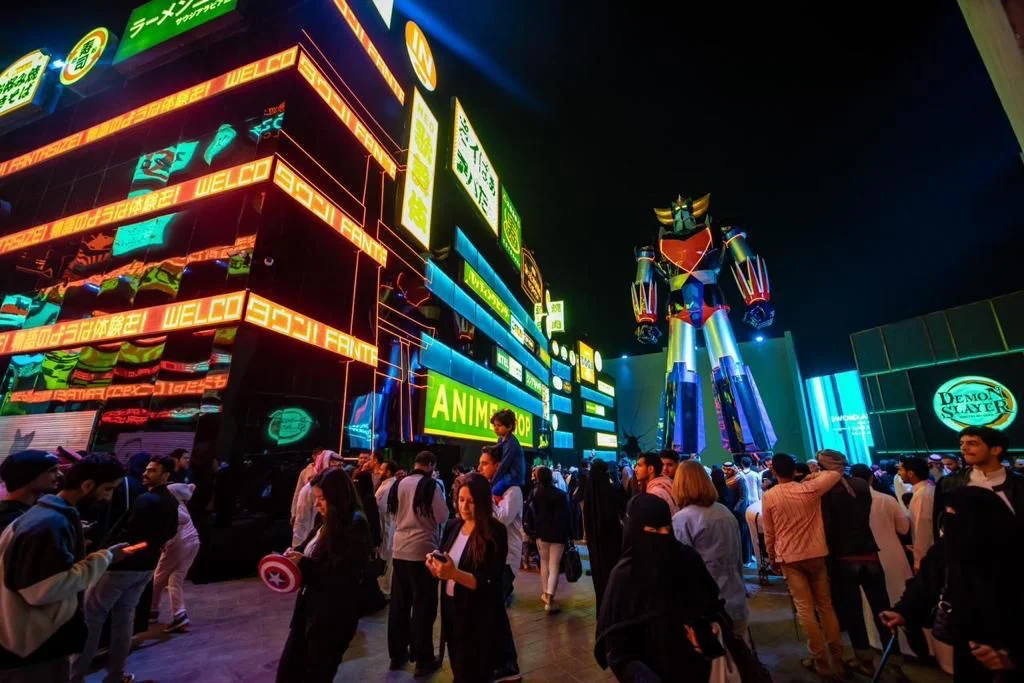
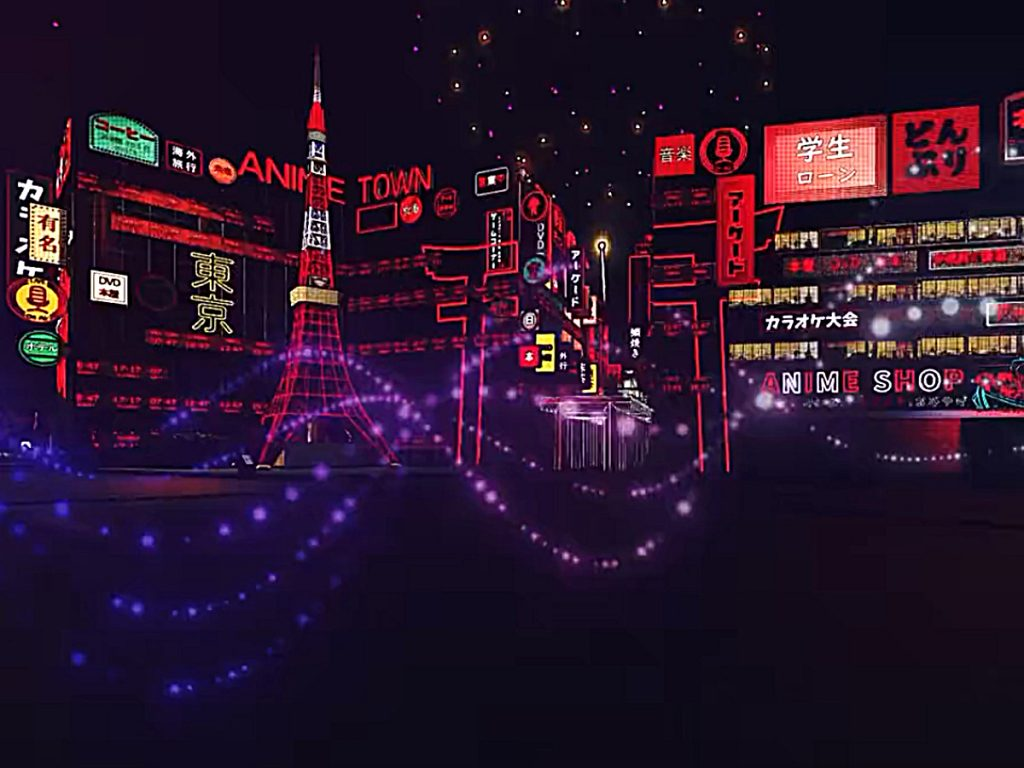
In recent years, young Saudis have become absolutely obsessed with Japanese anime and manga. Essam Bukhary, CEO of Saudi animation studio Manga Productions, revealed that in 2022, a staggering one in three young Saudis watched Japanese anime. Riyadh's Boulevard Riyadh City even hosted an "Anime Town" event, where a whopping 80% of cosplayers showed up dressed as Japanese anime characters.
It helps that Saudi Arabia's Crown Prince and Prime Minister, Mohammed bin Salman, is himself a huge anime enthusiast and a known admirer of Japanese culture. He's personally spearheading numerous colossal development projects across the kingdom, and his passion clearly plays a role in these initiatives.

Of course, the kingdom's ability to pull off such colossal developments hinges on three crucial elements:
1. Vast, undeveloped desert landscapes.
2. Deep pockets thanks to abundant oil revenues.
3. The Crown Prince's decisive leadership.
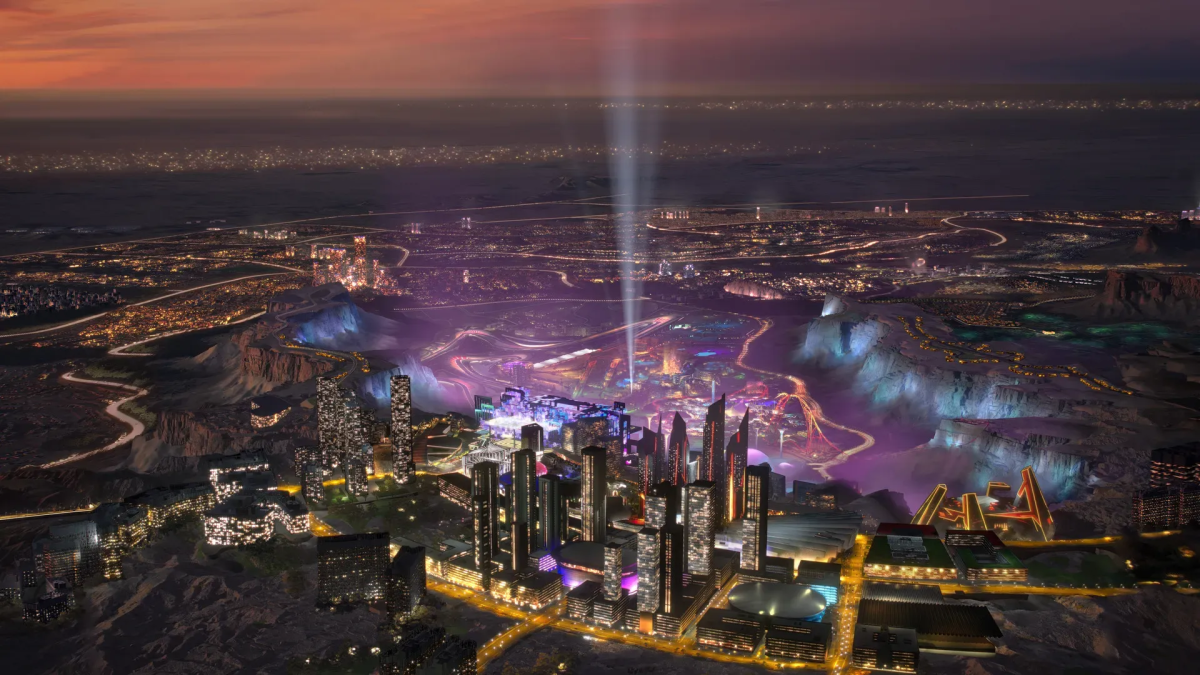
These ambitious undertakings are all part of "Saudi Vision 2030," a grand strategy to diversify the economy and reduce its reliance on oil. The Dragon Ball theme park will be a jewel in the crown of "Qiddiya City," a core component of this vision. This project aims to transform Saudi Arabia into an entertainment powerhouse, with a planned area roughly half the size of Tokyo's 23 wards, complete with esports arenas, gaming zones, an F1 racetrack, and more—all designed to lure tourists and create jobs.
Tanigashira also points out that while Japan excels in "soft power" (content), its "hardware" (large-scale infrastructure) often lags. Saudi Arabia's plans are undeniably bold, but they're not without hurdles. Reports have surfaced about forced relocations of local residents due to development, and even whispers of funding challenges. "Qiddiya City" itself could face similar roadblocks, potentially impacting the final scope of the Dragon Ball theme park.
Ultimately, many might still sigh, "Why couldn't such an amazing project be in Japan?" But here's the thing: Japan's entertainment industry thrives on its content. Think about it—Tokyo Disneyland and Universal Studios Japan are both "hardware" imported from overseas, but it's Japan's unique creative flair that makes them shine. This, he argues, is where Japan's true strength lies.
via: 日刊SPA!