

NVIDIA recently addressed concerns about the "melting power connector" issue that affected some RTX 4090 graphics cards, stating during an "Editors Day" Q&A in South Korea that the problem has been thoroughly resolved for the GeForce RTX 50 series. The company emphasized that upcoming graphics card products will not be impacted by the same issue.
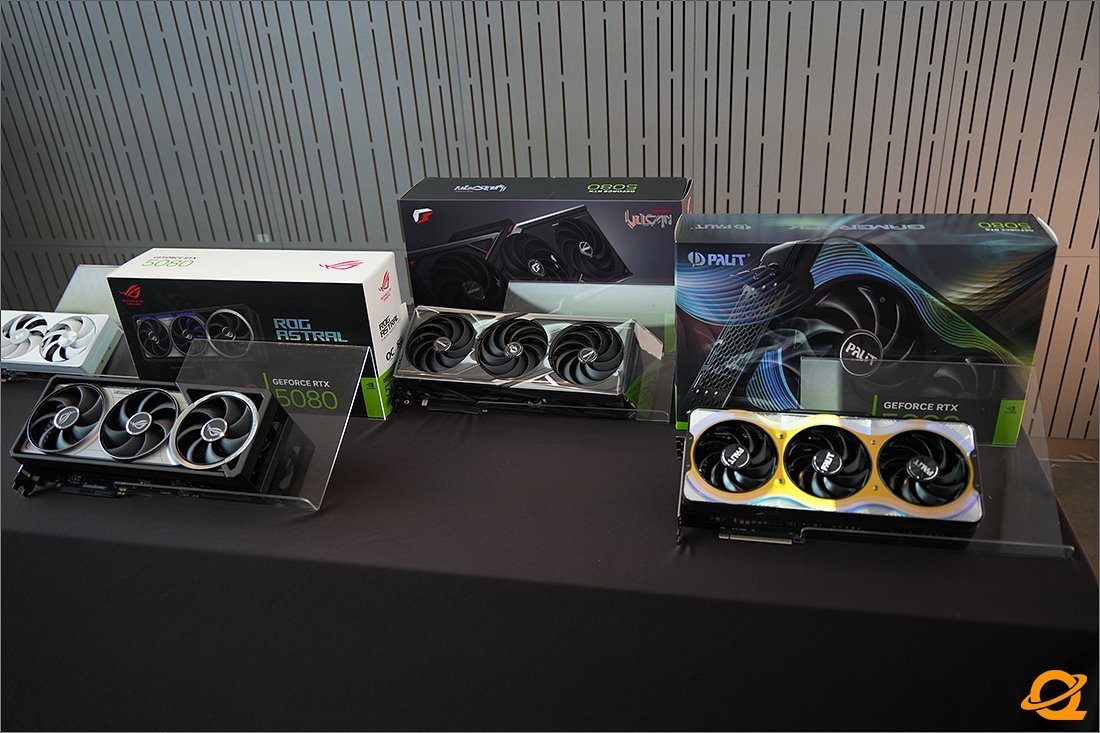
The RTX 4090, NVIDIA's previous generation flagship GPU, garnered significant attention for its adoption of the new 12+4 pin power connector. However, it later faced widespread controversy due to reports of connectors melting from overheating. After more than a year of adjustments, NVIDIA revealed at the event that a redesigned 12V-2x6 connector has been implemented in the RTX 50 series, which should effectively prevent similar problems from recurring.
During the Q&A session, NVIDIA representatives noted that the original issue was primarily caused by users improperly installing the power cable, particularly when using third-party adapters. If the connector was not fully inserted, it could lead to overheating and, in extreme cases, melting. While NVIDIA attributed the problem to user error, the company still took proactive steps to improve the connector design and reduce the likelihood of such incidents.
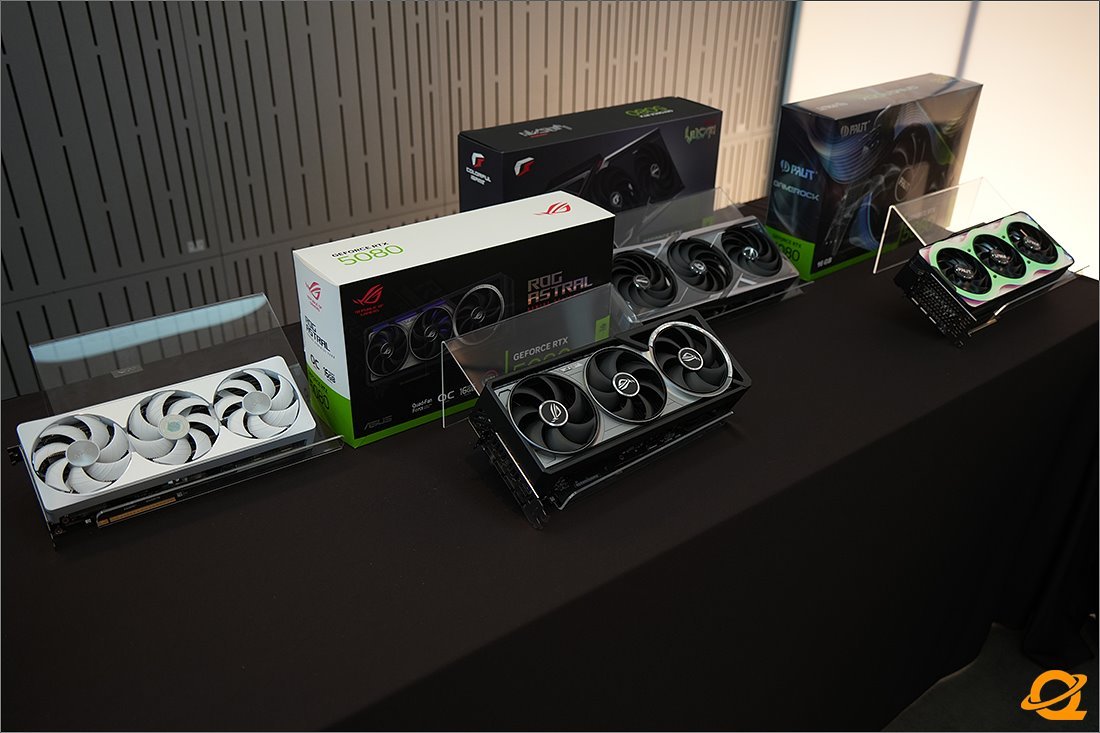
Interestingly, the upcoming RTX 5090 graphics card is expected to feature a Thermal Design Power (TDP) of 575W, an increase of 125W over the RTX 4090. This higher power consumption has naturally raised concerns among some observers about a potential recurrence of power connector issues. However, NVIDIA expressed strong confidence in the new design, asserting that two years of improvements and testing are sufficient to handle the challenges of increased power demands.
It's worth noting that the RTX 4090's power connector problems sparked considerable debate within the industry at the time, especially given the card's significantly higher power consumption compared to the RTX 4080 series, which made the issue more prominent. Although NVIDIA maintained that the problem stemmed from installation errors rather than a design flaw, this did not entirely quell user dissatisfaction.
As the RTX 50 series approaches its launch, NVIDIA is clearly taking a more cautious approach, aiming to address potential vulnerabilities in hardware design. With graphics card performance continuously improving and power requirements steadily climbing, industry attention to such technical challenges will only intensify.
via: QuasarZone