

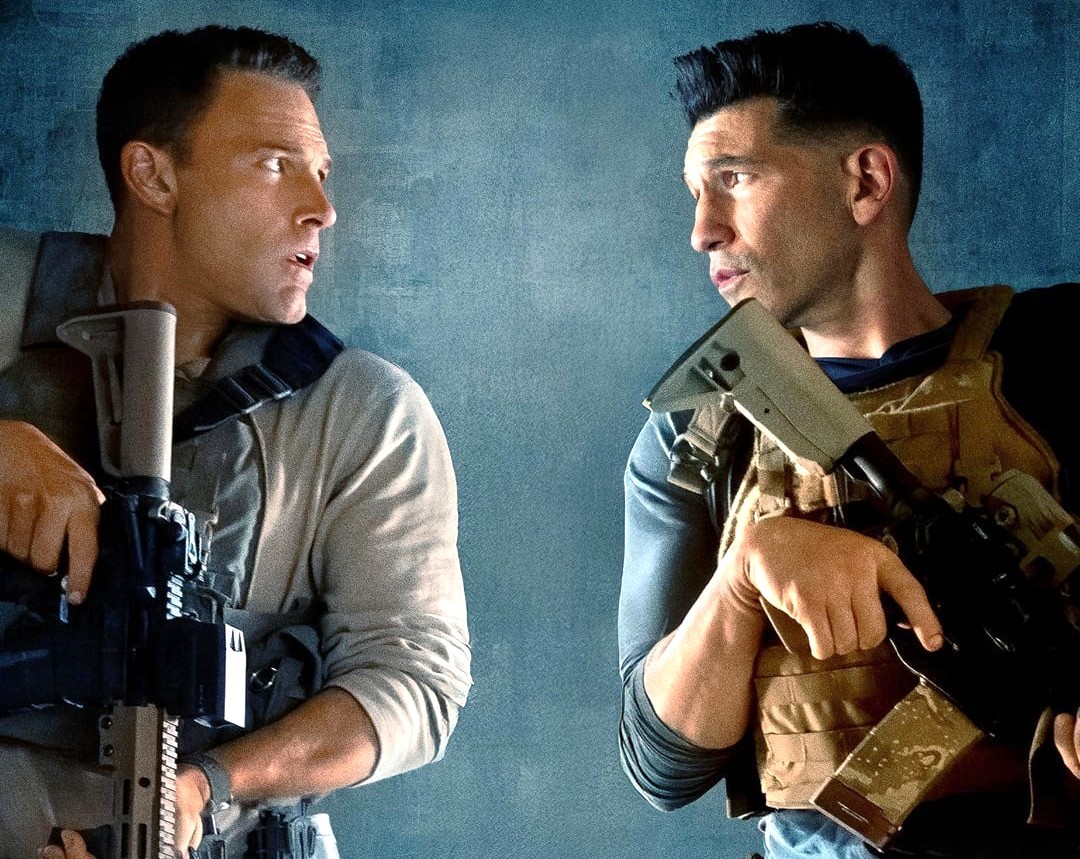
 (Image: Warner Bros. Pictures)
(This review contains minor spoilers.)
Between 2014 and 2016, mid-to-low-budget action films enjoyed a mini-renaissance in theaters. Keanu Reeves revitalized his career with "John Wick," Denzel Washington stumbled into a recurring franchise with "The Equalizer," and Ben Affleck, who was moonlighting as Batman at the time, added "The Accountant" to his resume—a film destined to dominate streaming charts for years to come. All three shared a common appeal: they satisfied the audience's craving to see seasoned pros go completely off the rails.
But the "John Wick" of today is no longer a low-budget affair. Its price tag has climbed with each installment, and by the time "John Wick: Chapter 4" and its spin-off "Ballerina" went into production, the budget had swelled to nearly $100 million, a far cry from the lean, sub-$20 million original. "The Equalizer" franchise, however, has maintained a consistent scale, though with Washington getting older, its sequel potential may be limited. By comparison, "The Accountant 2," arriving nine years after the original, feels several steps behind everyone else.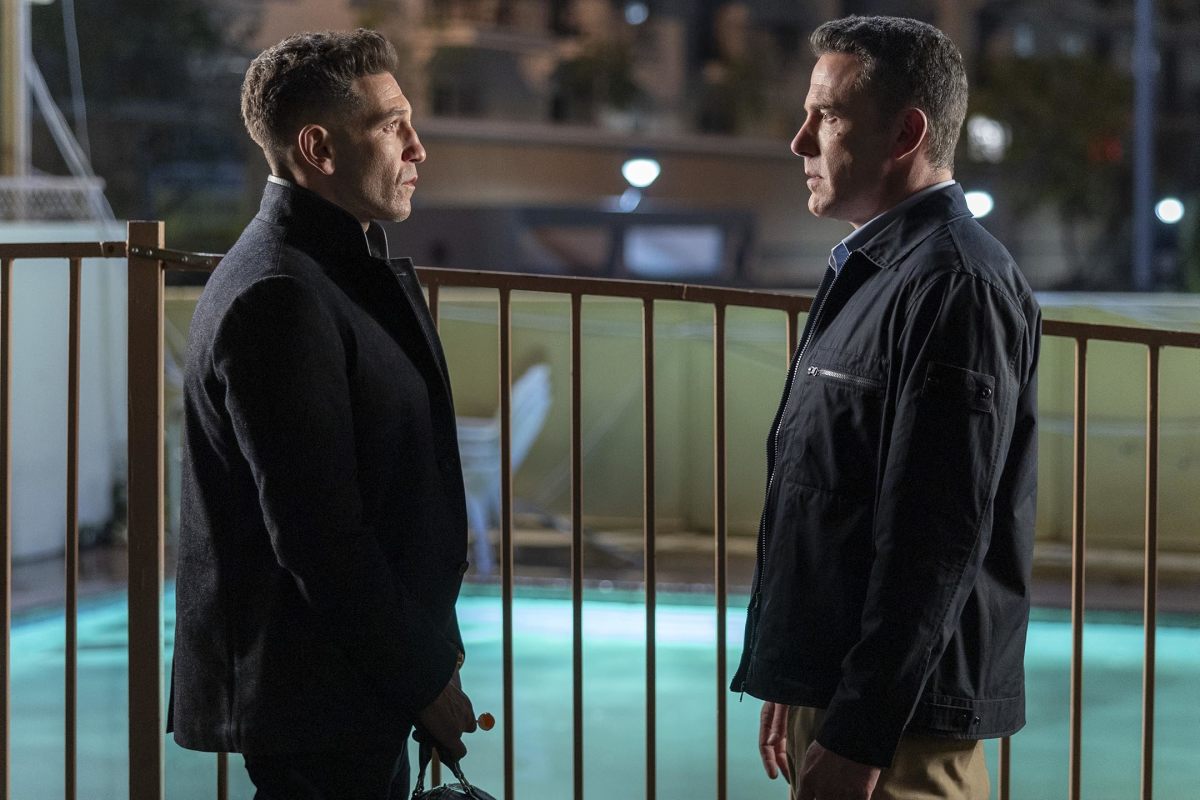
(Image: Warner Bros. Pictures)
This nine-year delay seems to have impacted the sequel's portrayal of the on-screen brotherhood between Affleck and Jon Bernthal. Had the film been made sooner, it could have picked up right after the first movie's ending, allowing them to fill the emotional void of their long separation. Instead, because nine years passed in the real world, the script dictates that the brothers have been out of contact for nine years in the story as well. While the film explains this second estrangement as a result of Affleck's character's personality, if you know how Hollywood works, you know that's just an excuse. Studios often insist on aligning in-universe time with real-world time to maintain a sense of shared experience with the audience, which can be a useful marketing tool.
Furthermore, it's common for sequels to "reset" the progress made in the previous film. This doesn't mean a total wipe, but characters are often made to repeat the same mistakes. The same couple will argue over the same issues, the same father and daughter will clash over the same conflict, and the same buddies will fall out over the same ideological differences. In the case of "The Accountant 2," the story takes a long detour to once again estrange the brothers. While this might not seem like a major issue, it fundamentally affects the entire dynamic of the film.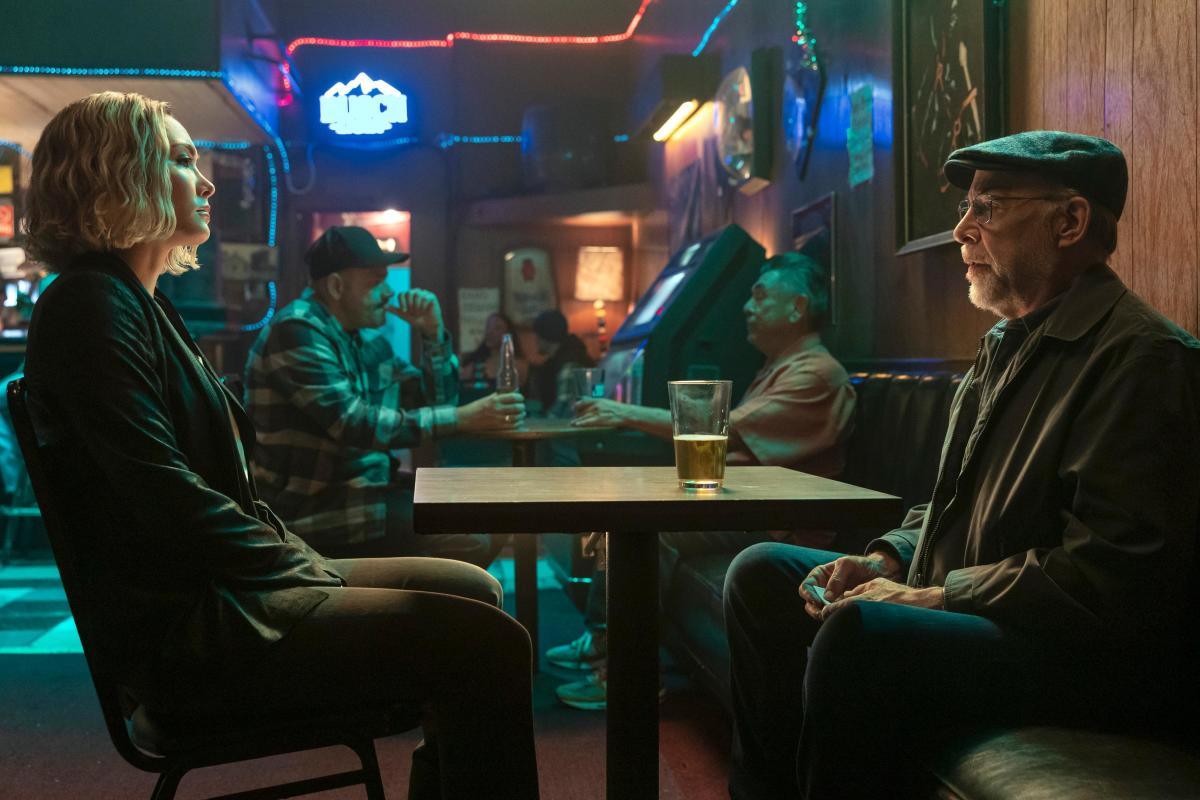 (Image: Warner Bros. Pictures)
In any other action movie, this reset would be the equivalent of a divorced cop (or any action hero) trying to rekindle a romance with his ex-wife. Here, Affleck is the husband who messed up the marriage, and Bernthal is the ex. I've always hated this trope; it makes me want to roll my eyes every time. "The Accountant 2" spends an inordinate amount of time rebuilding their connection from this reset point, which made the film a slog for me. The reason it felt so laborious is that this storyline throws the pacing off balance, dragging the momentum and distracting from the other mystery they need to solve.
I know many viewers will be drawn to the brotherly banter and emotional interactions, but for me, the other storyline—a female assassin's rebirth—was far more compelling and deserved deeper exploration. This plotline resonates more personally with Affleck's Christian Wolff. Her tragic backstory closely mirrors his own, and it's the part of the film that feels most tonally aligned with the original. Like Christian, she comes from a broken home and has had her latent potential unlocked in an extraordinary way. Unfortunately, this thread is treated as a side dish. While the setup had the potential for much greater tension, it was ultimately confined to being just another case to keep the protagonist busy.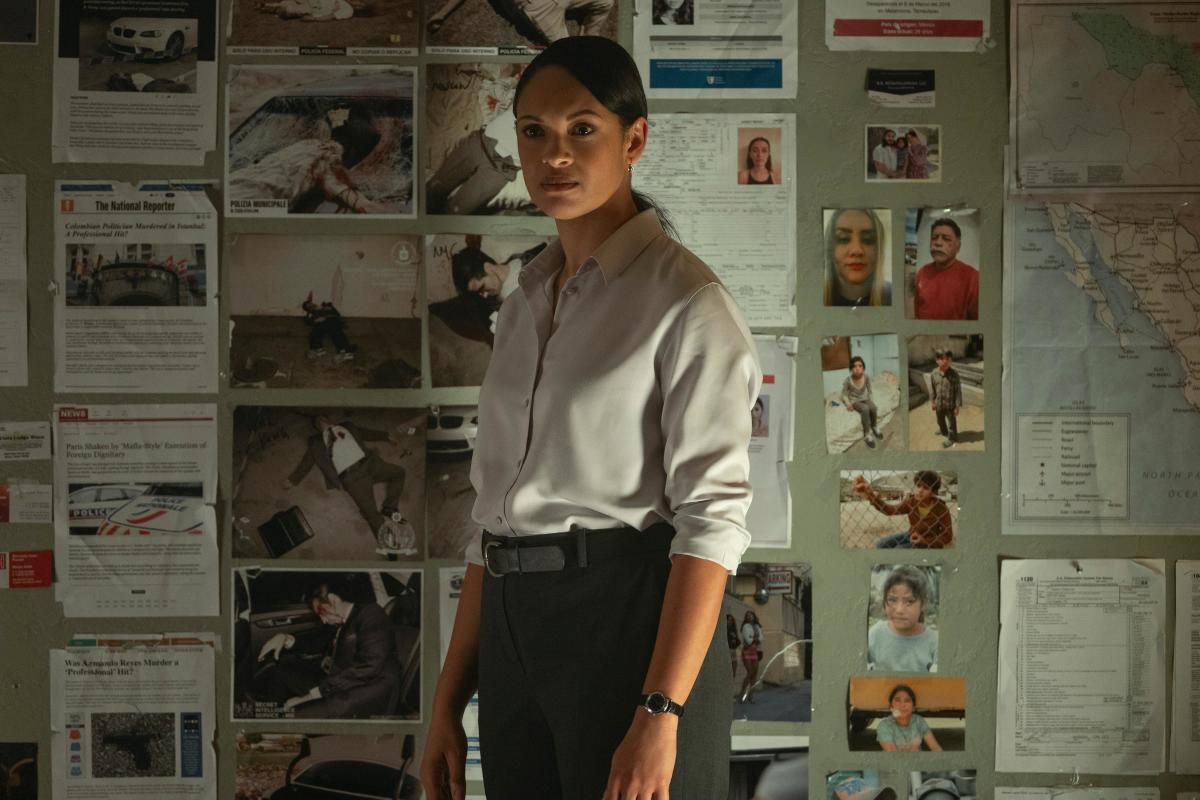 (Image: Warner Bros. Pictures)
Still, "The Accountant 2" deserves credit for even thinking to create more characters like Christian. It's a logical direction for expanding the franchise, staying true to the spirit of the first film while reinforcing its unique identity. It avoids becoming just another generic narrative where the hero happens to have autism. This aligns with what director Gavin O'Connor has said about not wanting to make a simple action movie, but rather a realistic drama with substance. I'm not sure if turning the entire neuroscience center into his personal underground support team, with more gifted kids as his "armchair assassins," counts as realistic—but who cares? It's a cool concept, and I'm all for it.
Overall, I still feel the first film is more balanced, with its storylines woven together more effectively and a greater sense of cohesion. The sequel isn't bad, but it's just not as good.