

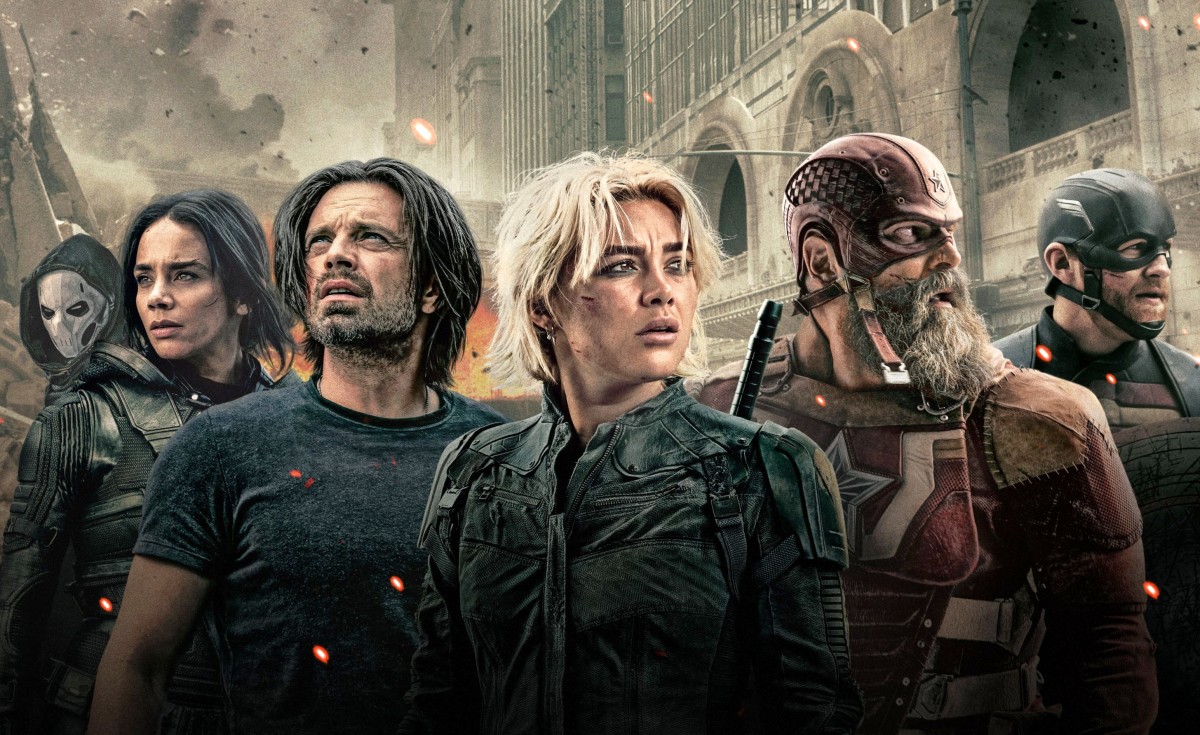
 (Image: Marvel Studios)
(This article contains spoilers. Read at your own risk.)
Let's get right to it: "Thunderbolts*" is easily the best theatrical entry in the Marvel Cinematic Universe since "Guardians of the Galaxy Vol. 3." It avoids the fragmented storytelling of "The Marvels," features more genuine character emotion than "Deadpool & Wolverine," and isn't a desperate attempt to salvage a chaotic production like "Captain America: Brave New World." "Thunderbolts*" is simply a case of a film with a strong foundation that was nurtured properly, resulting in a smooth and stable final product. While it doesn't reach the heights of "Guardians 3," it's the confident shot in the arm Marvel desperately needs right now.
The stability of "Thunderbolts*" might seem unremarkable if it were released during Marvel's Phase Two or Three, but in the current Phase Five, it stands out for achieving what many similar projects couldn't. The most immediate comparison is to 2016's "Suicide Squad"—and the parallels are more than just superficial. Valentina Allegra de Fontaine is the MCU's Amanda Waller, assembling a team to do her dirty work. The ultimate threat they face is a super-powered individual (or entity) that she can no longer control. And along the way, each team member must confront their personal demons to find their purpose.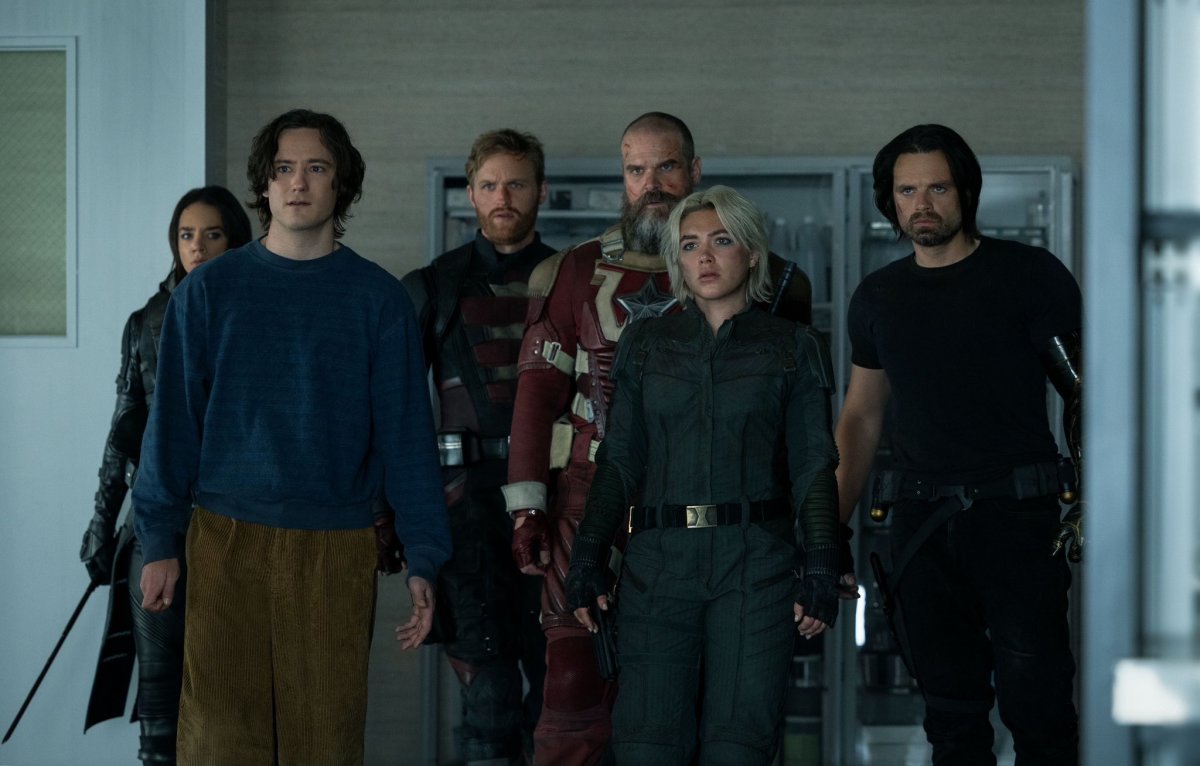
(Image: Marvel Studios)
Fundamentally, "Thunderbolts*" and "Suicide Squad" are telling the same story, but the former achieves its goals more efficiently and effectively. Admittedly, "Thunderbolts*" has a built-in advantage, serving as a sequel to "Ant-Man and the Wasp," "Black Widow," and "The Falcon and the Winter Soldier" (and even "Hawkeye," given Yelena's key role). The characters are already established, requiring less exposition. Still, the film cleverly uses flashbacks and witty dialogue to refresh audiences on their backstories, making it accessible even to newcomers.
But where "Thunderbolts*" truly surpasses "Suicide Squad" is in its masterful control of pacing, seamlessly blending dramatic beats with action. Both films pause for characters to share their feelings, but "Suicide Squad" handled these moments with an awkward, heavy-handedness that felt forced and often dragged on too long, killing the momentum. In contrast, "Thunderbolts*" times these pauses perfectly, creating natural scenarios for characters to connect. There's no contrived group therapy session; instead, the film focuses on the small catalysts that make these characters start to care for one another. Whether driven by self-interest, genuine concern, or a gradual shift from selfish to "slightly" selfless, the script highlights these nuances through subtle, awkward interactions, avoiding the cliché of forcing a profound bond on them overnight.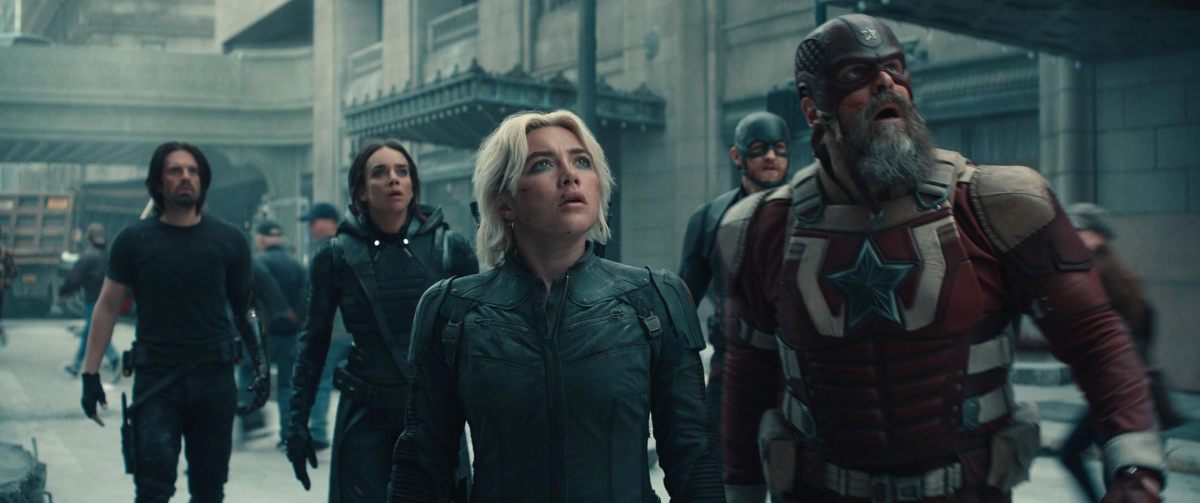 (Image: Marvel Studios)
The theme of characters searching for purpose in "Thunderbolts*" also shares some DNA with "Deadpool & Wolverine," where Deadpool yearns for acceptance as a hero and Wolverine is haunted by his perceived failure to the X-Men. Here again, "Thunderbolts*" provides a more effective template. It genuinely captures the characters' despair and the helpless feeling of being consumed by an internal void. This struggle is framed as the primary conflict they must overcome, not a secondary subplot. They have to conquer their inner demons to succeed in their mission, rather than simply checking a "personal growth" box after the fact.
This makes the film's climax feel uniquely "Stephen King-esque," reminiscent of the Losers' Club in "It" conquering their fears to defeat Pennywise. The resolution is inspiring, heartwarming, and cathartic. The film's portrayal of depression and existential dread is surprisingly precise and deeply relatable. It maintains a level of abstraction that allows viewers to project their own experiences onto the characters, while still clearly articulating a universal sense of anxiety. "Thunderbolts*" strikes a perfect balance, creating a narrative that feels both deeply personal and epic in scale. (Image: Marvel Studios)
Ultimately, however, everything serves a grander purpose: introducing the birth of the "New Avengers." Valentina's Sentry initiative is designed to cultivate the next generation of heroes, and the Thunderbolts' search for meaning finds its resolution in the formation of this new team. If you want a masterclass in how to create a mega-trailer for a serialized cinematic universe, "Thunderbolts*" is the perfect blueprint. It tells a compelling, self-contained story with a strong theme that seamlessly paves the way for the franchise's next major arc, successfully building anticipation for what's to come.
But the film's greatest strength is undoubtedly its cast. David Harbour's Red Guardian is, as expected, the comedic and paternal heart of the team. Florence Pugh continues to deliver an Oscar-caliber performance as Yelena, effortlessly switching between charming Russian-accented quips and heart-wrenching emotional scenes. Wyatt Russell's U.S. Agent stands out as one of the few celebrity offspring I've enjoyed recently; he shares a resemblance to his father, Kurt, but lacks his dad's classic hero aura. Instead, Russell shines when playing flawed, angry screw-ups. As Sentry, Lewis Pullman delivers a performance that just makes you want to give him a hug. And I was most pleased to see Hannah John-Kamen return as Ghost. I've always felt she's an immense talent overlooked by Hollywood—she has the charisma and physicality of an action hero and could easily be the next Halle Berry. I'm just thrilled Marvel continues to give her a platform.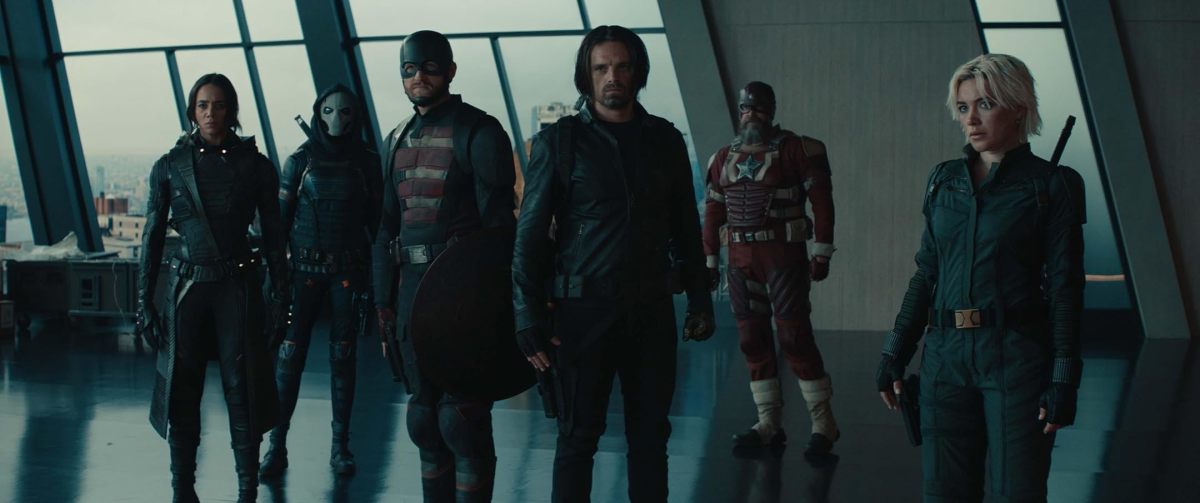
(Image: Marvel Studios)
My only minor disappointment, surprisingly, was with Julia Louis-Dreyfus. Haha. As a huge "Seinfeld" fan, she was the actor I was most looking forward to seeing. Her cameos in "Black Widow" and "The Falcon and the Winter Soldier" were hilarious and scene-stealing, with the veteran actress effortlessly upstaging her co-stars with a single sniffle. I was hoping for more of that signature JLD comedy in "Thunderbolts*," but she reined it in this time, which left me wanting. It's not that her performance was bad—it just wasn't what I came to see, so I was a little let down. Haha.