

Marvel Studios' "Thunderbolts*," the 36th film in the Marvel Cinematic Universe, is already generating significant buzz. One of the most surprising highlights from early reactions is the debut of the new character Sentry—Robert "Bob" Reynolds—the culmination of a concept that creator Paul Jenkins has been developing for over two decades.

In a recent interview with ComicBook.com, Jenkins revealed for the first time that Sentry's origins trace back to a pitch he originally developed for DC Comics.
At the time, Jenkins was writing for "Hellblazer" and looking for more creative opportunities. He initially planned to craft a story for the classic DC hero Hourman, focusing on addiction and psychological struggle. The concept revolved around the idea of "taking a pill to get superpowers," exploring themes of human vulnerability and its consequences.
▼Hourman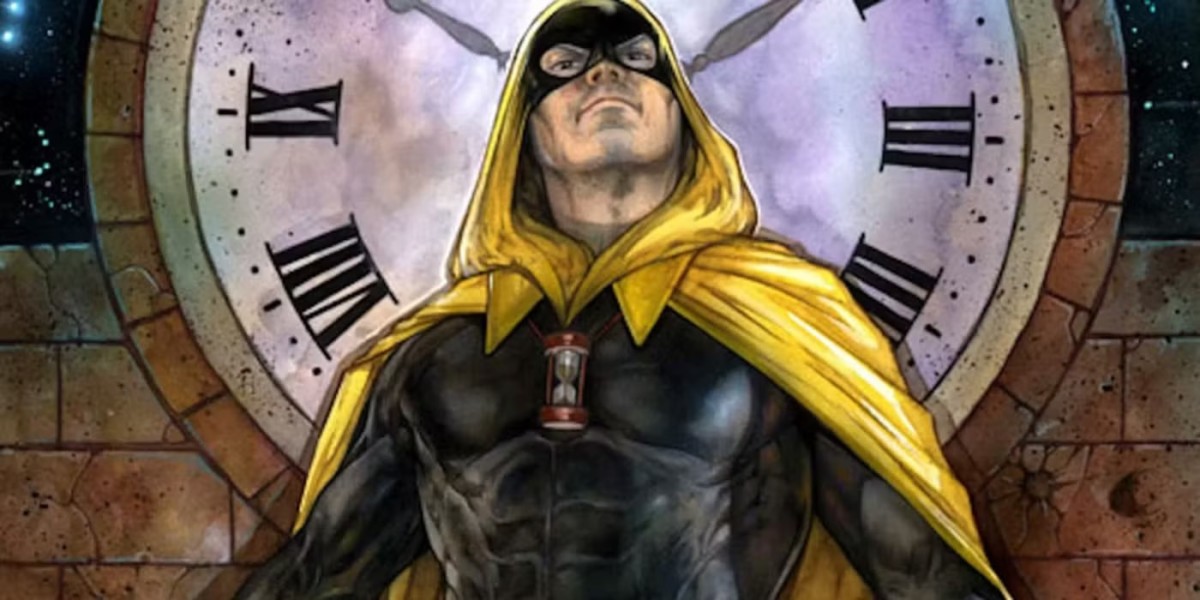
"That was a script I had written years before it was ever released," Jenkins recalled. "I didn't know much about the continuity, which was my advantage. It allowed me to look at these characters with a fresh set of eyes." Unfortunately, DC passed on the pitch. Jenkins' editor then suggested he simply create a new character, leading to the birth of Sentry with a nearly identical framework, who ultimately found his home at Marvel.
The first issue of "The Sentry," a collaboration with artist Jae Lee, launched in September 2000, introducing a character defined by the interplay of light and darkness. Jenkins noted that Sentry's uniqueness lies in his duality: he is both the world-saving "Golden Guardian" and The Void, an entity of destruction and fear. This contrast serves as more than a narrative device, deeply reflecting the internal conflict and imbalance common in mental illness.
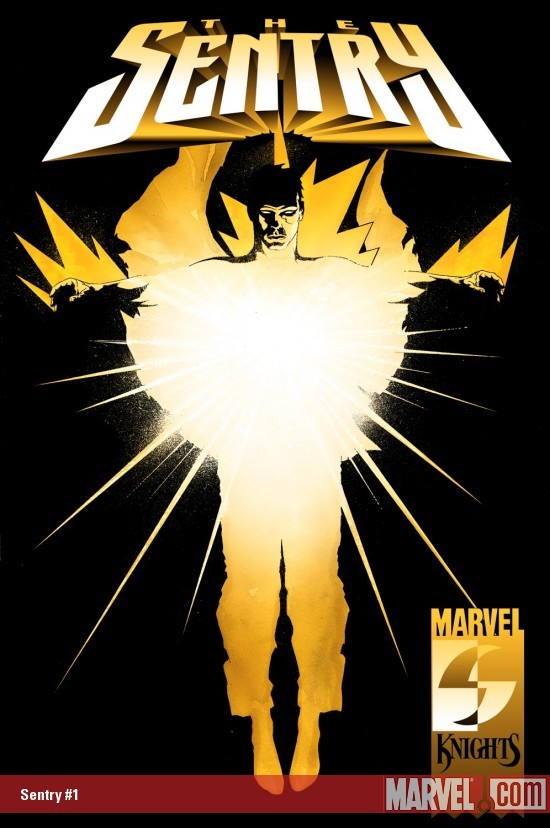
"We set it up so that for every person he saves, the Void kills someone," Jenkins said. "It's a curse he can never escape."
Sentry was initially intended for a short-form story, but he entered the mainstream spotlight when acclaimed writer Brian Michael Bendis brought him into the "New Avengers" series. Bendis even wrote Jenkins himself into the comic as a character, lending the story a self-reflective, meta-narrative style that further deepened Sentry's themes of blurred lines between fiction and reality.
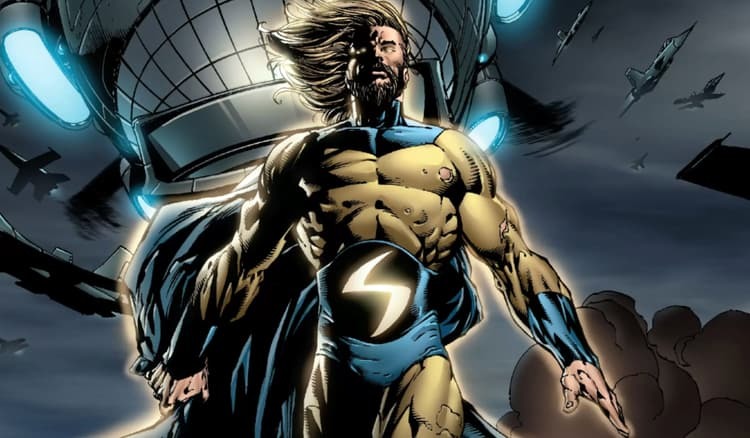
Now, with Sentry finally hitting the big screen, Jenkins was personally involved in the development of the "Thunderbolts*" script, serving as a consultant. He collaborated closely with director Jake Schreier, aiming to portray the character as more than just a superhero, but as a symbol for mental health awareness.
"I told Jake that Sentry means as much to people with mental health struggles as Black Panther does to people of color," he said. "I've received so many letters from fans saying they see themselves in Sentry. They're battling depression and anxiety, and Sentry makes them feel like they're not alone."
Jenkins emphasized that in today's society, which is fraught with anxiety and mental stress, Sentry's presence can offer a form of support and validation. He hopes audiences will connect with the character's struggles and humanity, not just his immense power.
On the day of the film's premiere, Jenkins was deeply moved when director Schreier invited him to discuss the character's portrayal with star Lewis Pullman.
"It shows they really respect my understanding of Sentry and what I created," he said.
via: ComicBook.com