
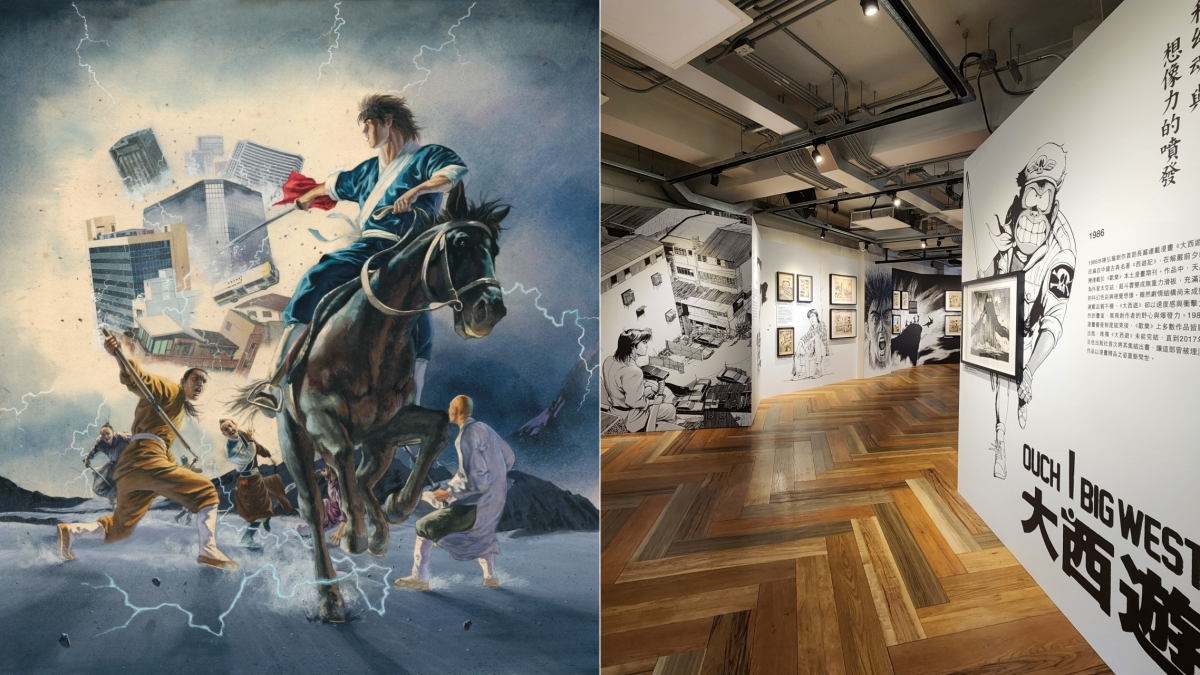
“What happened to Chen Yi-Dao in the end?” This question likely lingers in the minds of all readers who followed the serialization of "One Blade Legend."
In 1990s Taipei, a small-time gangster accidentally time-traveled, swapping identities with a great swordsman from the late Ming Dynasty—the "One Blade Legend," which began serialization in 1990, was cut short when the *Sunday Comics* magazine ceased publication. The two Chen Yi-Daos were forever left in each other's timelines in the readers' memories.
However, the author Chen Hung-Yao didn't stop drawing. He continued to draw until his unexpected passing in 2015.
So, what happened to Chen Yi-Dao in the end? If you're also curious, you're welcome to visit the "Freedom · Traverse: Chen Hung-Yao" Memorial Exhibition and read this exclusive interview with the curator, revealing the story behind it.
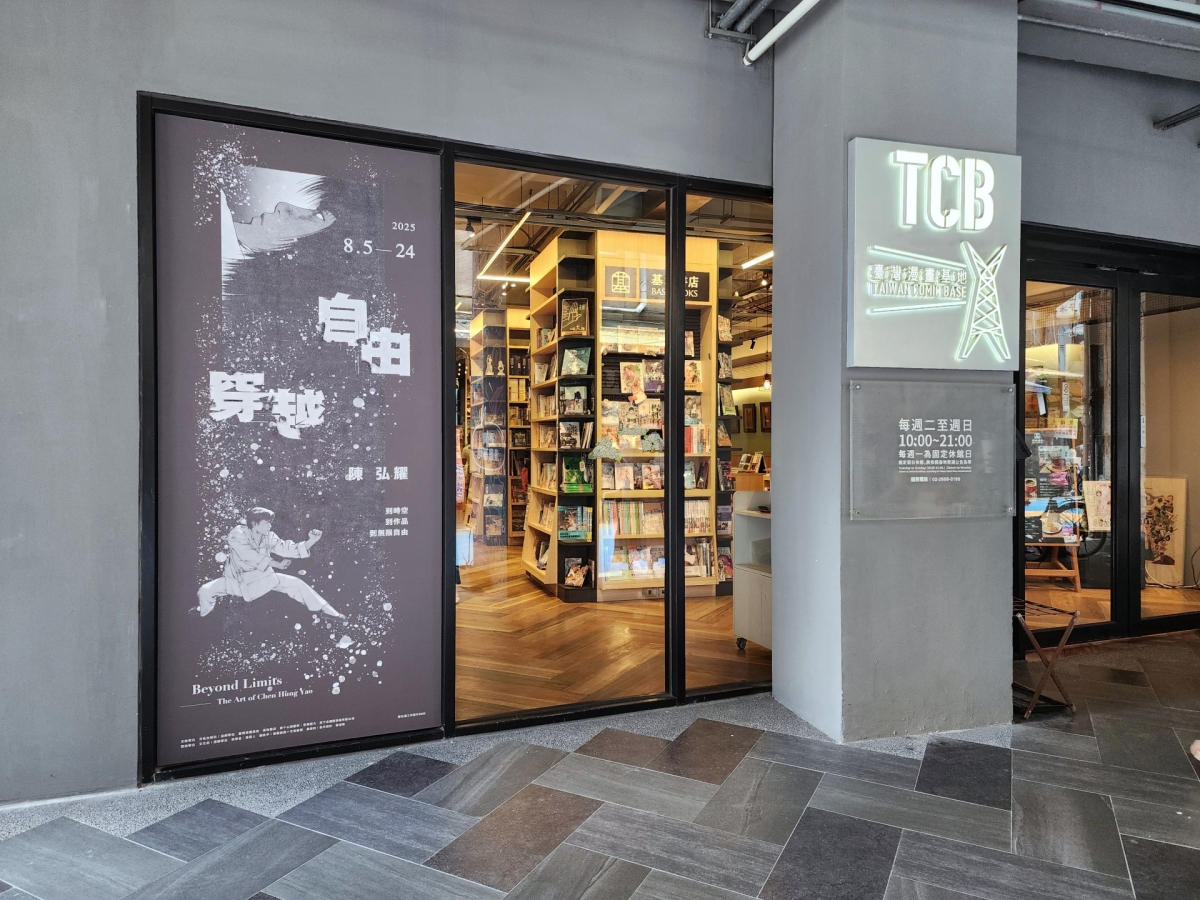
(Photo / The entrance to the exhibition venue, "Taiwan Comic Base.")
Stepping out of the shopping mall near Taipei Main Station and crossing the road is like instantly traversing into a different world. The scenery of Huayin Street is rustic, and the air carries a nostalgic scent. The Taiwan Comic Base, located here, is less than a five-minute walk from Chen Hung-Yao's old home.
Entering the main gate of the Base, your gaze follows the stairs upwards to see Chen Hung-Yao's first publicly exhibited work, "Doomsday." That was in 1981, when he was only in his second year of high school. Even though he attended Fuxing Trade and Arts School, known for producing many cartoonists, drawing comics back then had to be done secretly, requiring tricks to get past teachers to publish.
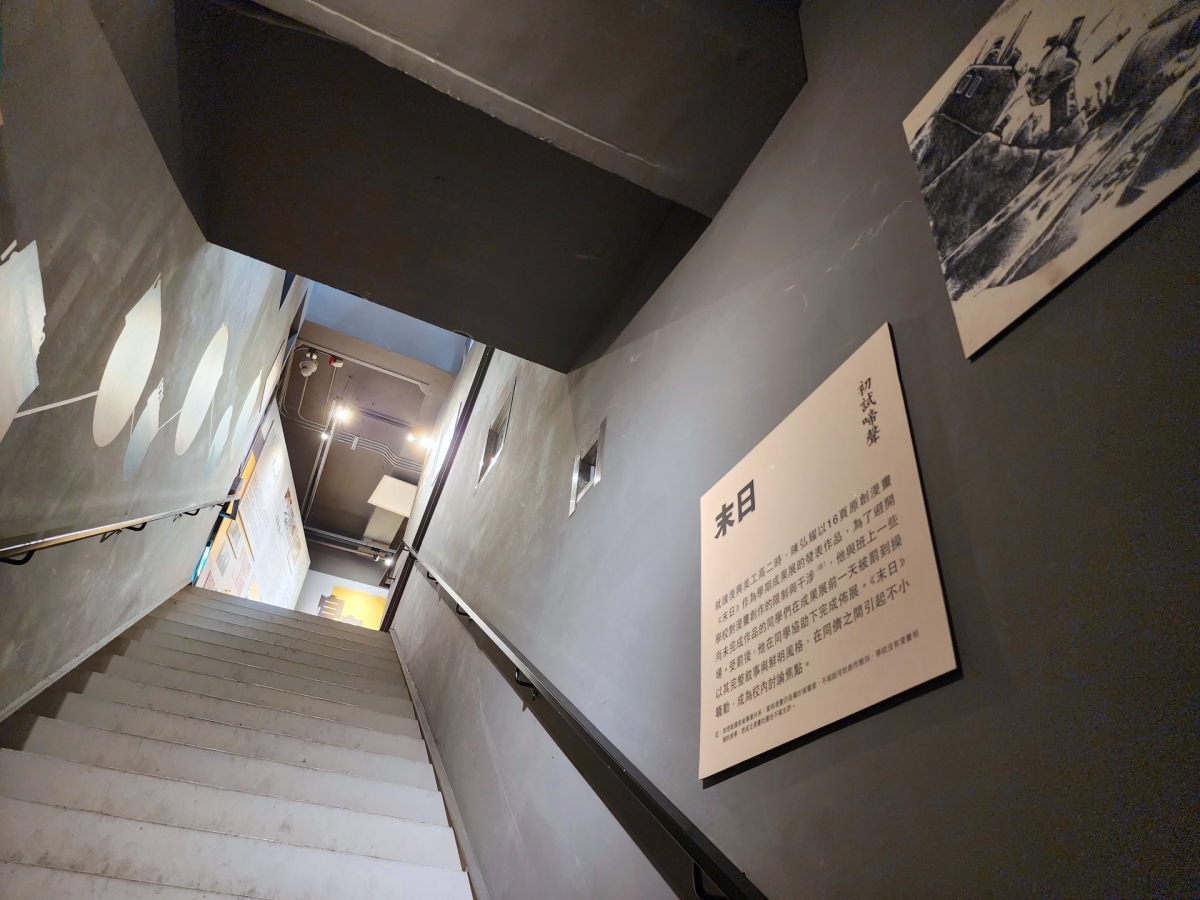
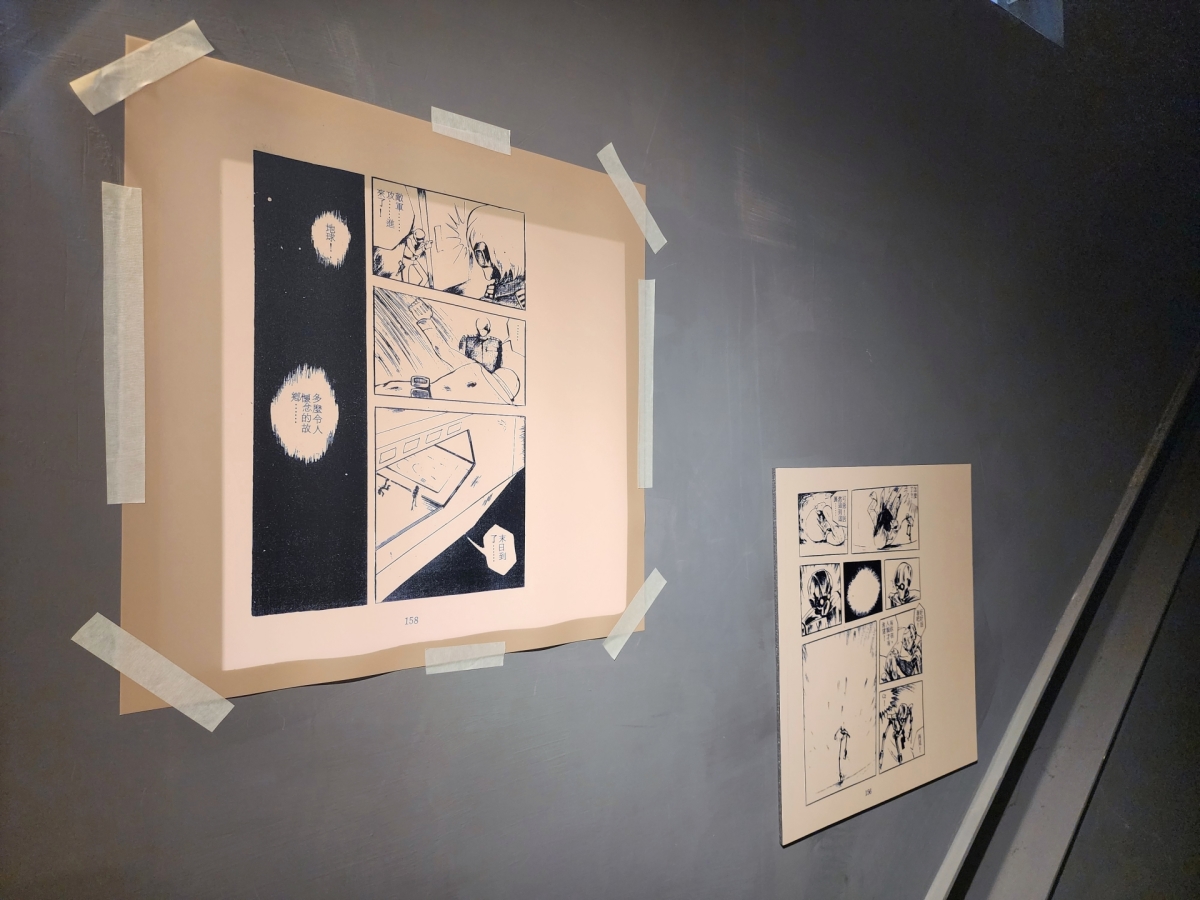 (Photo / The time tunnel of "Doomsday.")
Passing through "Doomsday" into the exhibition hall, works and manuscripts are cleverly arranged before our eyes.
The exhibition features powerful original manuscripts from "Grand Journey to the West" and "One Blade Legend," as well as Chen Hung-Yao's self-funded and proposed, yet unreleased, exquisite wuxia comic "Red Fox."
What happened to Laifu, the cute dog in "One Blade Legend"? The answer is also here.
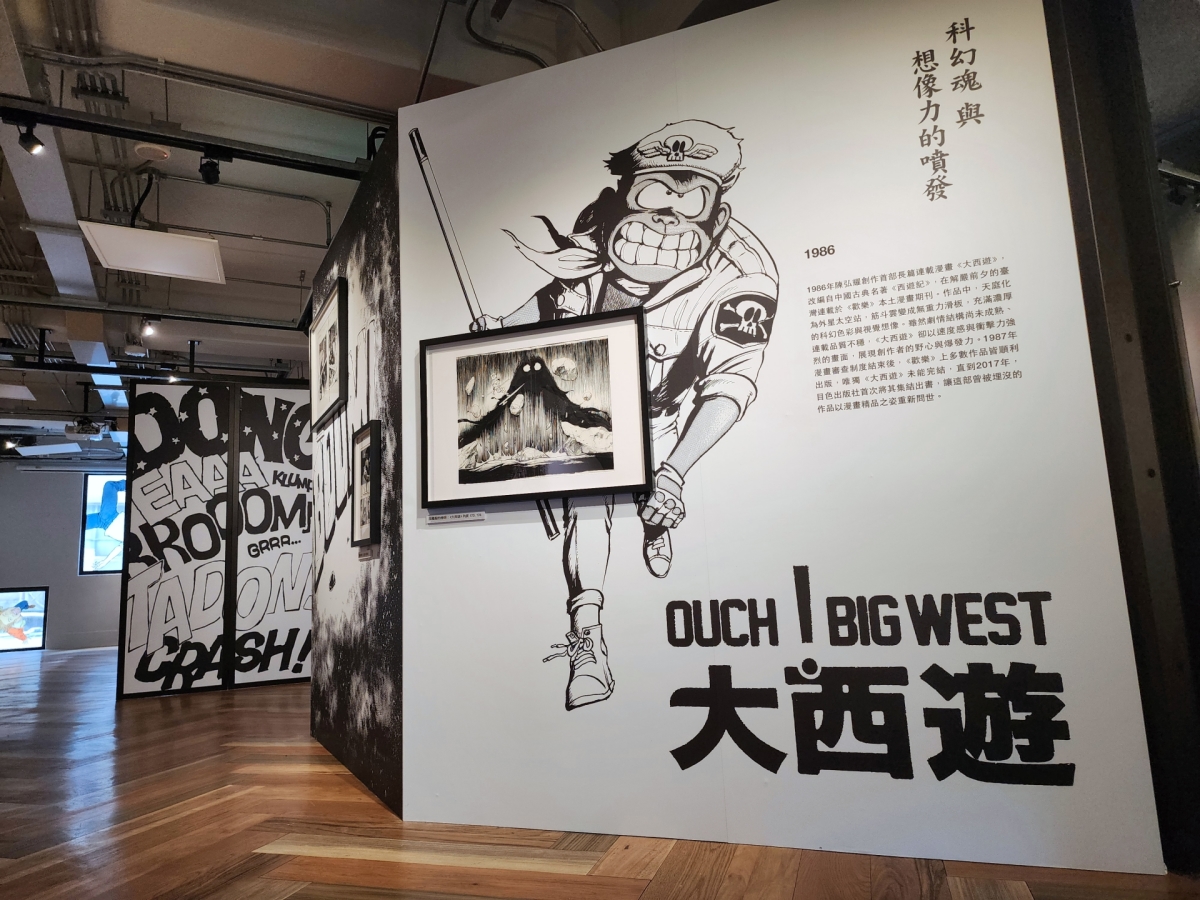
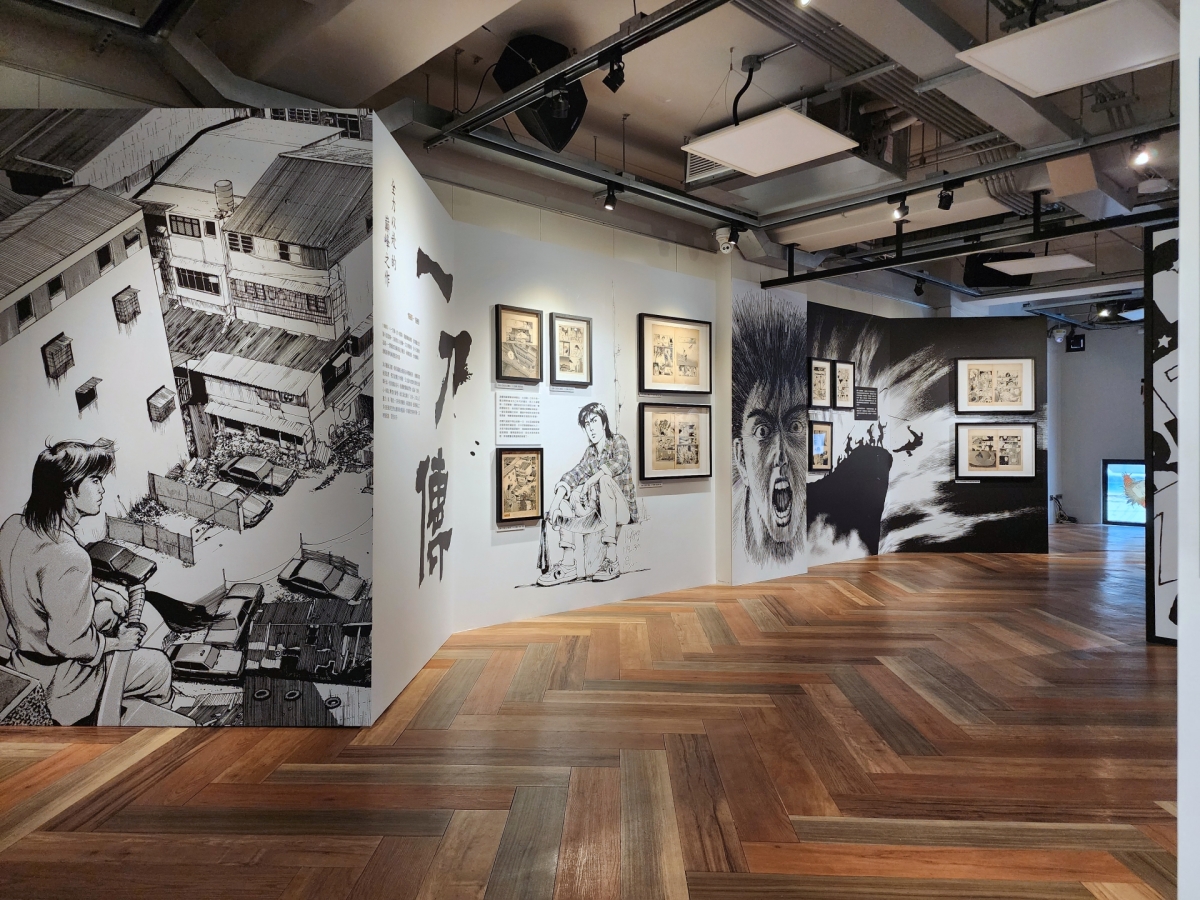 (Photo / A corner of the exhibition hall, displaying Chen Hung-Yao's original manuscripts in frames, revealing every detail from the moment of creation.)
At the same time, the exhibition also showcases more diverse facets of Chen Hung-Yao, with comics and illustrations of entirely different styles and rhythms, making it astonishing that they all came from the same hand. Regardless of whether one knew Chen Hung-Yao previously, experiencing the exhibition firsthand allows one to feel the variability of his life and the shifts in time and space.
The curator said that Chen Hung-Yao definitely had the ability to traverse. "He was absolutely free; nothing could restrict him."
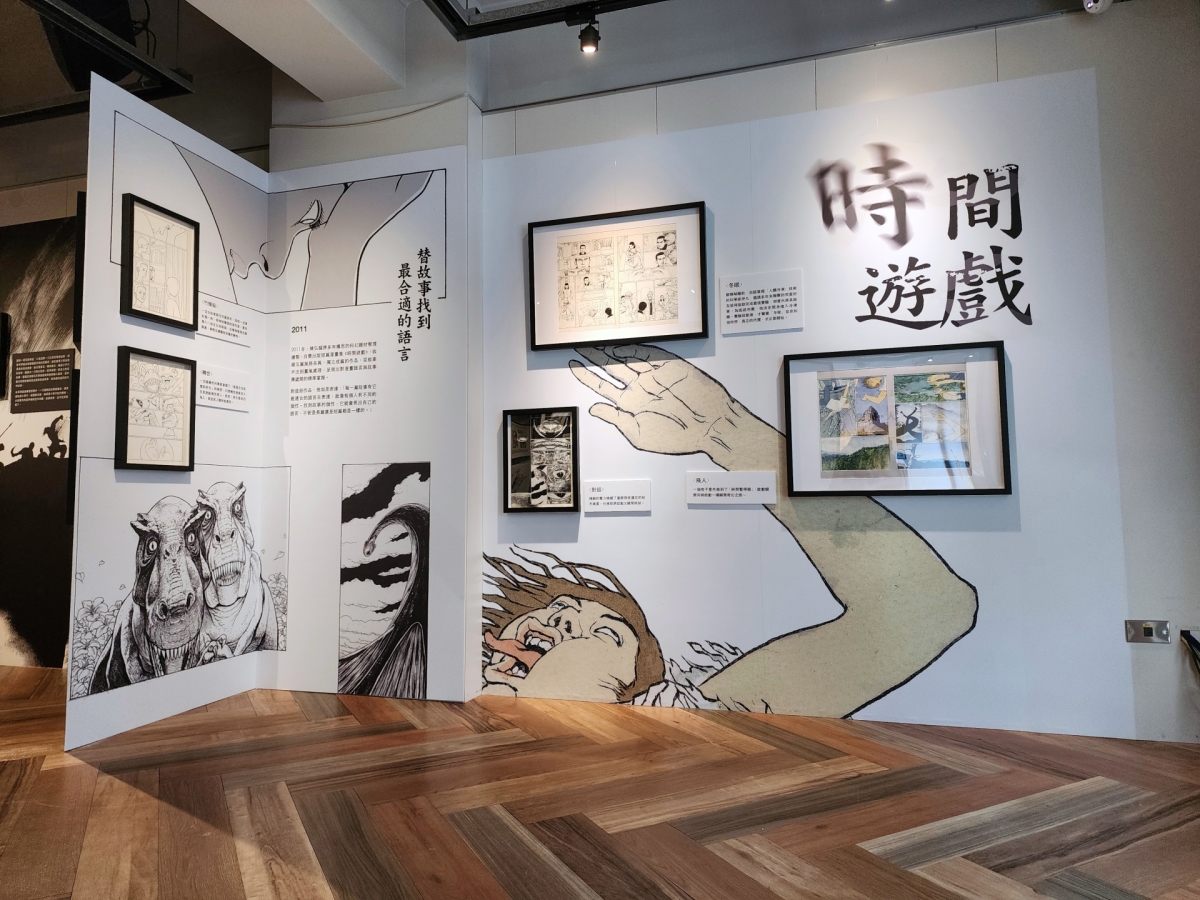 (Photo / The "Time Game" exhibition area, where each story has its unique presentation.)
Ms. Cheng Yung-Chung (Amigo), the exhibition's curator, was also Chen Hung-Yao's agent and wife during his lifetime. Both professionally and personally, she was the partner who understood Chen Hung-Yao and his works best. Yet, organizing such an exhibition to commemorate Chen Hung-Yao's passing ten years ago was still not easy.
The catalyst dates back to 2022, when the Taiwan History Museum's Comic Preparatory Group (to some extent, the predecessor of today's National Taiwan Comic Museum Preparatory Office) visited Chen Hung-Yao's studio. In addition to interviewing Cheng Yung-Chung, they proposed using the "community archives" archival method to catalog and establish the entire studio.
Chen Hung-Yao left behind a vast amount of material. After a major undertaking, over 3,000 archives were established.
The clear cataloging of items was one of the keys to holding the exhibition, but the emotional ties posed an even greater challenge.
Holding an exhibition for the tenth death anniversary seemed natural, but Cheng Yung-Chung initially felt a sense of apprehension, like being close to home yet afraid to return.
"Ten years" sounds like such a significant milestone, and Cheng Yung-Chung, who had long watched Chen Hung-Yao create and fought alongside him, found that merely touching some manuscripts would unleash a flood of memories, an unbearable sadness.
However, Cheng Yung-Chung specifically mentioned that the seemingly unfamiliar community archives method ultimately helped facilitate the exhibition.
She said this system was very scientific, very impersonal. When you organize one thing, it links to another, and that one links to yet another... it's an endless, boundless cosmic black hole.
Organizing archives according to the system was incredibly painful. But she had no mechanism to escape; she self-deprecatingly said she just kept doing it foolishly.
Yet, strangely, as the cataloging progressed to a certain point, the sadness or heaviness, the emotional aspects originally linked to the works, gradually dissolved as if a spell had been broken.
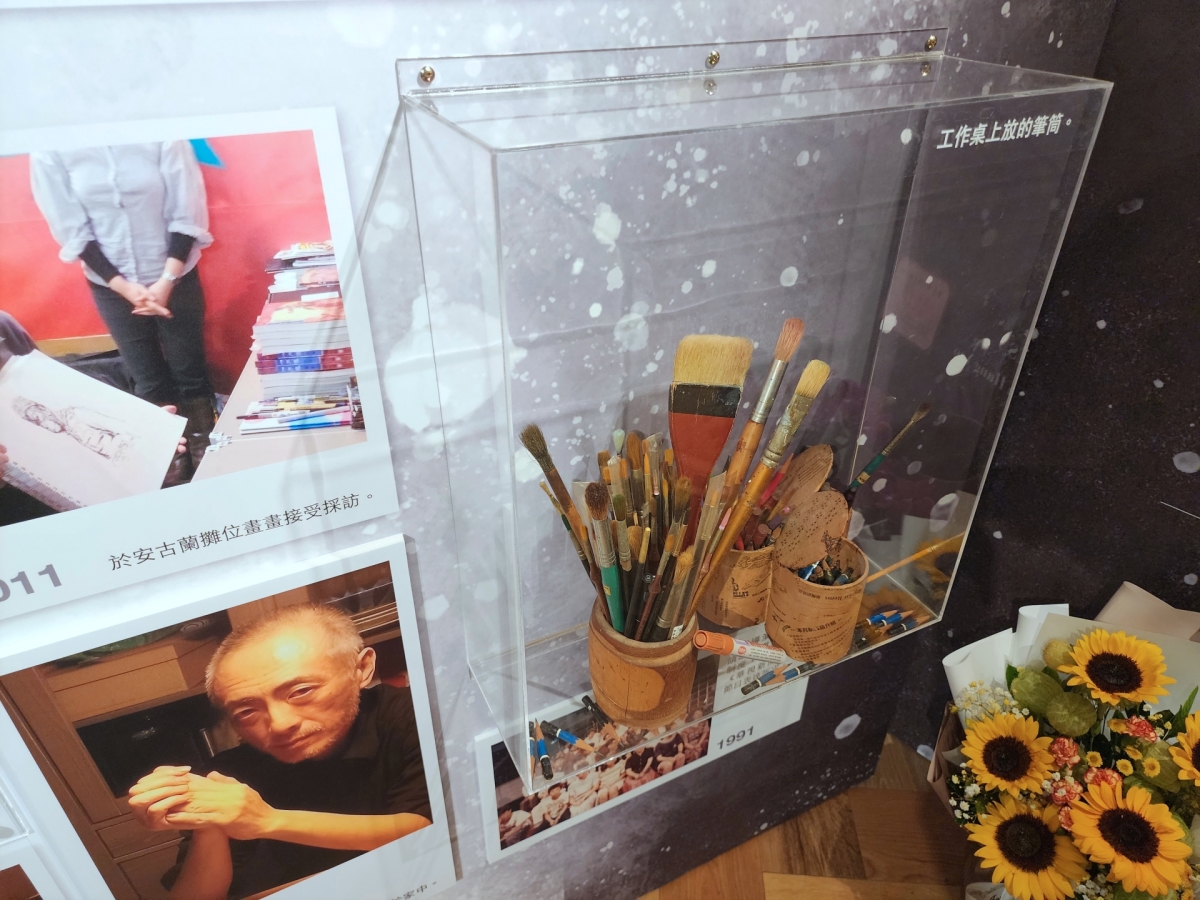
(Photo / A pen holder from Chen Hung-Yao's studio, with every pencil used to its very end.)
Cheng Yung-Chung's role temporarily shifted from professional agent to curator. She tried to support herself as she used to support other creators.
And by letting go of the "ten-year" shackles and overcoming the grief, Cheng Yung-Chung tried to create the most honest exhibition.
From the difficulties and breakthroughs in the preparation process, to the sad emotions, and then to moving past the sorrow, she said these were things that couldn't be hidden in the exhibition hall. So Cheng Yung-Chung told herself to write an exhibition statement that only she could write.
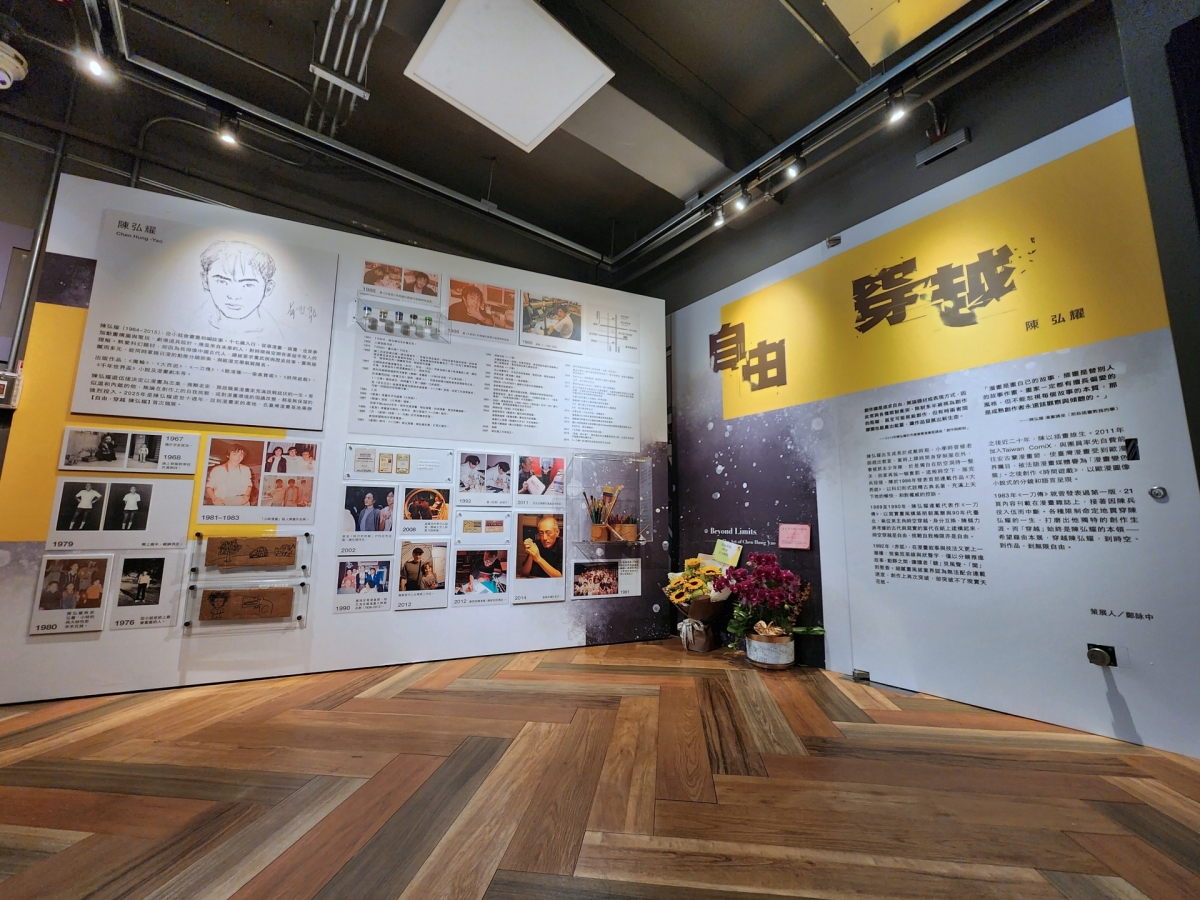 (Photo / The exhibition statement wall, which also hides some secret exhibits.)
For visitors, they can not only see Chen Hung-Yao, who was unwilling to be constrained since elementary school, but also personally feel, through Cheng Yung-Chung's words and the exhibited works, why Chen Hung-Yao possessed the ability to traverse, and why the exhibition is titled "Freedom · Traverse."
The exhibits on display are carefully selected, with each piece embodying the curator's intention.
Just as Disney animation held great significance for Chen Hung-Yao in his childhood, he would sit in the cinema all day during his annual cartoon feature film viewing, watching until every frame was etched into his mind. Some selections from "Grand Journey to the West" reflect dynamic storyboarding transformed from Disney cartoons, while others reflect character designs based on the binary opposition of good and evil.
Cheng Yung-Chung also allows visitors to compare Chen Hung-Yao's storyboards with his finished works. The short story "Machine Man" was originally completed in 1983. In 2011, Chen Hung-Yao redrew a version with identical storyboards but a completely different style. This 28-year contrast can be seen at the exhibition.
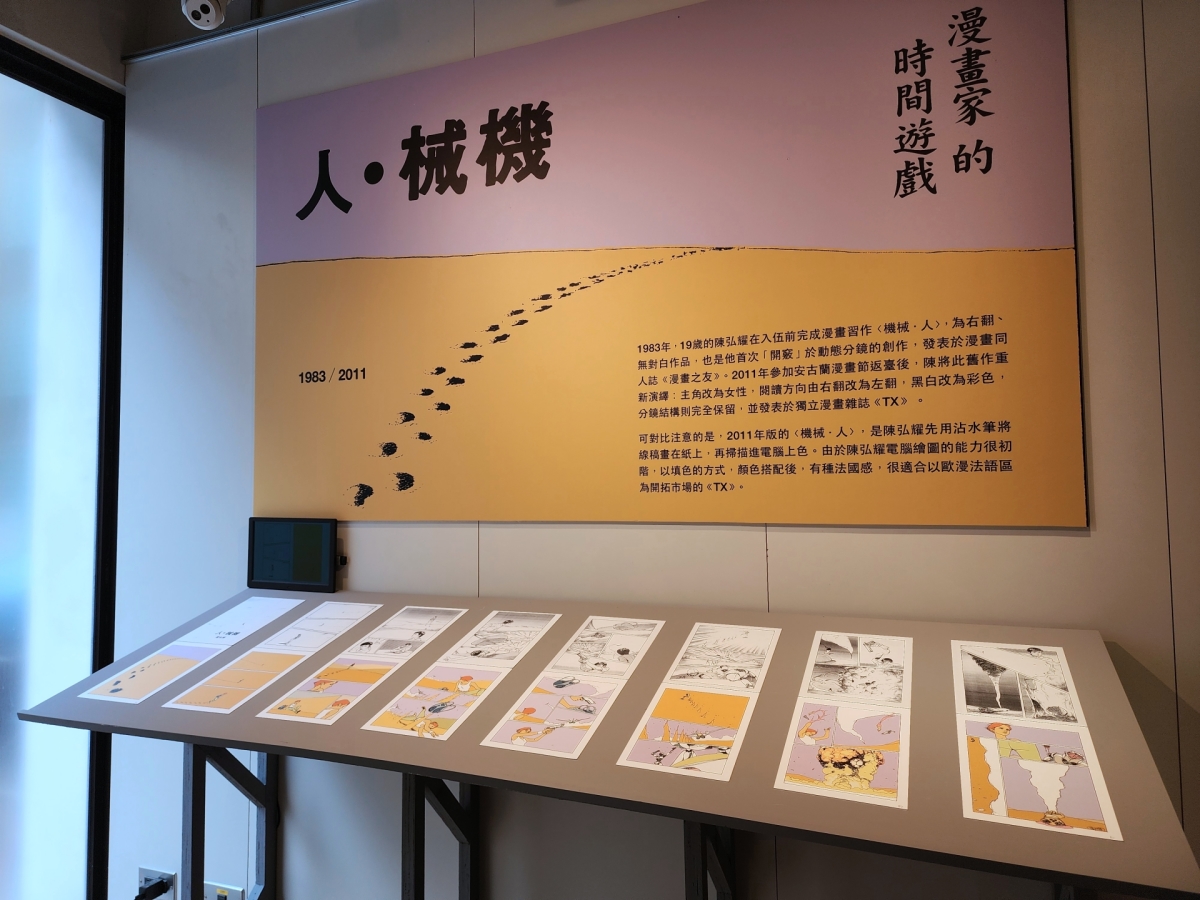 (Photo / A comparison of "Machine Man" from 1983 and 2011.)
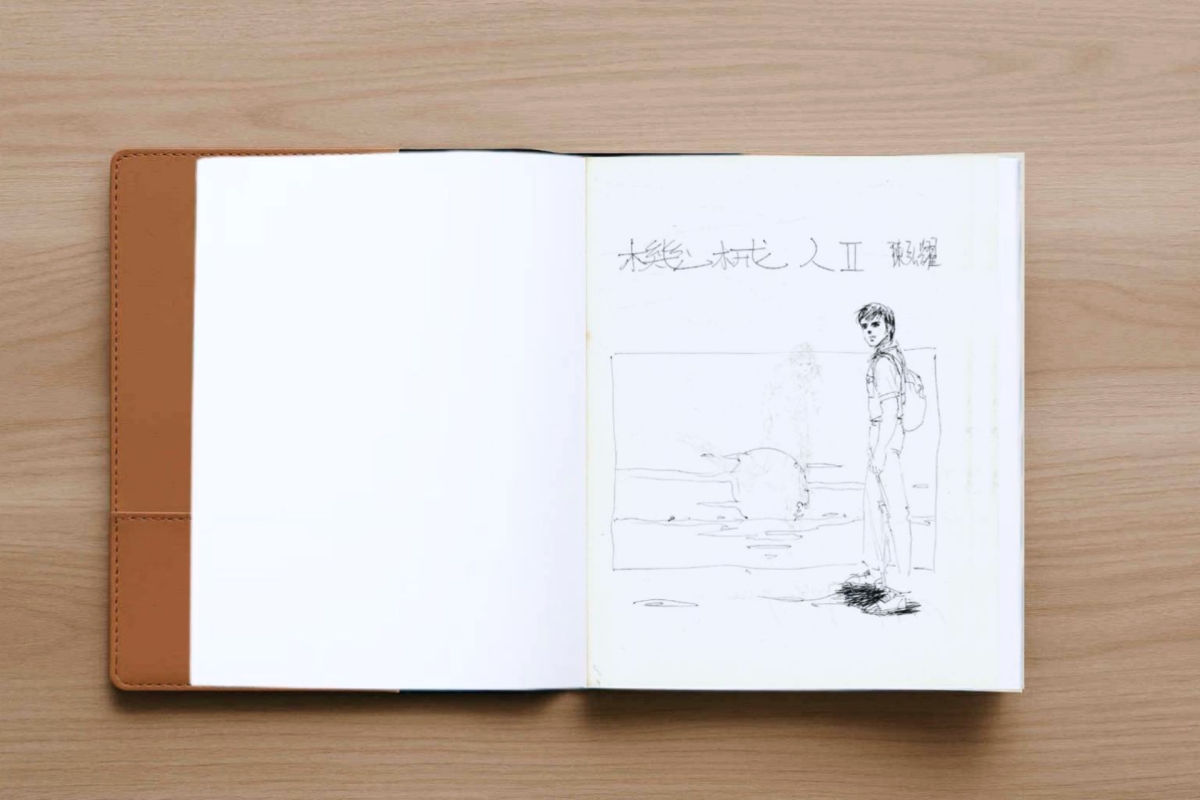
(Photo / The title page of "Machine Man" from 1983, also included in the "Traverse Notebook" exhibition merchandise.)
As for the illustration exhibition area, one can see completely different logic and narratives from his comics, and also feel how much nourishment Chen Hung-Yao absorbed before his prolific output of "Time Game."
Cheng Yung-Chung laughed, saying that she initially wanted to include everything, but then she had a change of heart: the tenth death anniversary exhibition is not an end, but rather a beginning for the world to rediscover Chen Hung-Yao.
She specifically mentioned a particular selection from "One Blade Legend." The story of "One Blade Legend" stops here, which is a regret for many fans. She thought, all fans of "One Blade Legend" want to ask if Chen Yi-Dao is doing well? And this selection is, perhaps, she also wants to ask Brother Chen: "Are you doing well in the other world?"
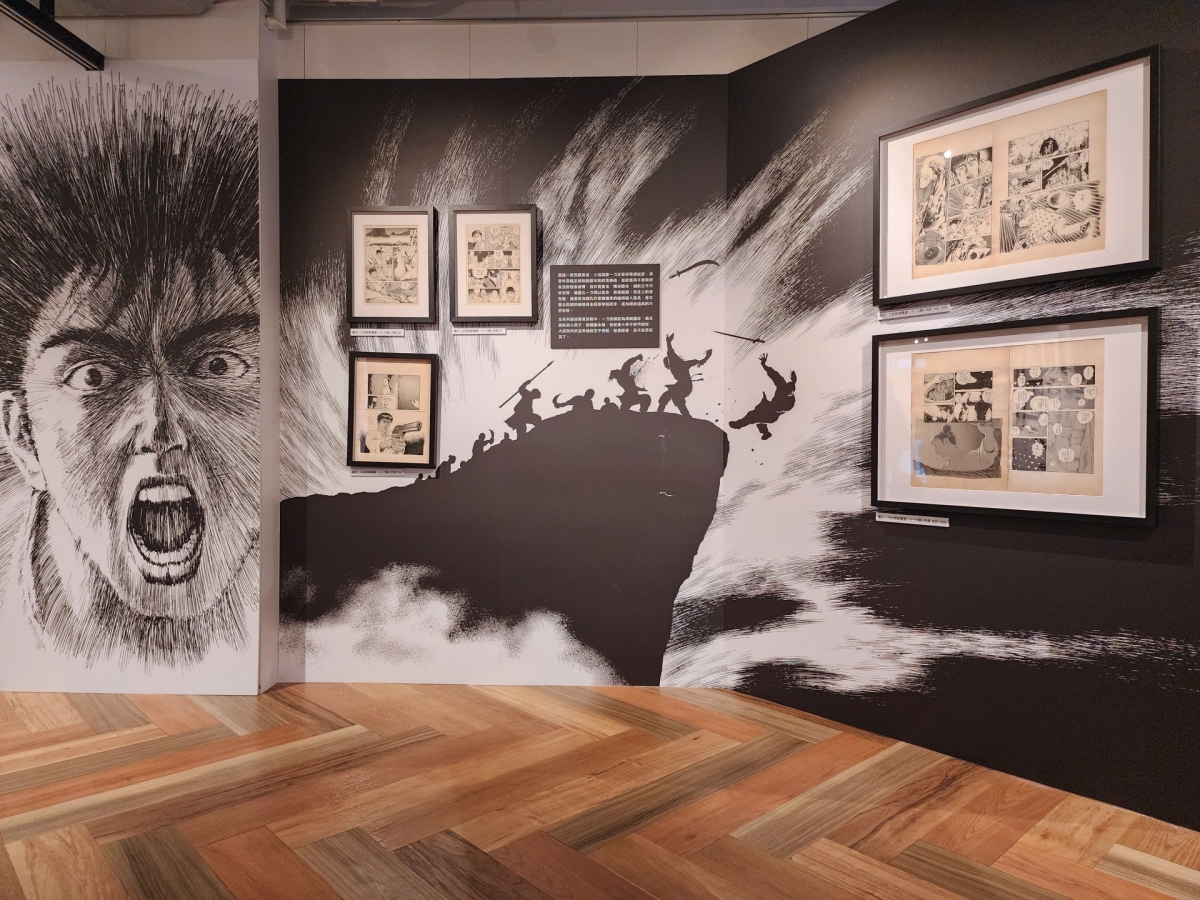 (Photo / Taipei Yi-Dao is captured as a horse thief in the Ming Dynasty, and the final selection shows Little Swallow opening the cage, as if asking: "How are you?")
The "One Blade Legend" of that era was forced to an abrupt halt, and Chen Hung-Yao and his other works also faced many misfortunes.
Chen Hung-Yao indeed didn't stop drawing; it was just that his works had no chance to be published. Besides "One Blade Legend" being cut short due to the serialization platform *Sunday Comics* weekly ceasing publication, there were also instances of magazines changing formats or suddenly shutting down, works already completed but unable to be published due to force majeure, and even a new serialization being canceled directly because Chiang Ching-kuo's death coincided with its publication date, leading to a nationwide ban on entertainment activities... Chen Hung-Yao encountered such situations eight times before the age of thirty.
Cheng Yung-Chung laughed, saying Brother Chen "only had talent, no luck," but coming from a comrade who fought alongside him for a lifetime, these words are filled with sorrow for his talent and beautiful soul.
However, even though long-form serialization was harder and more painful than imagined, Cheng Yung-Chung also said, "I believe he was happy when he worked on 'Grand Journey to the West' and 'One Blade Legend'."
The price of drawing for magazine serialization was that even when his grandmother was in the ICU and close to passing, and many cartoonist friends came to help meet deadlines, he still had to keep drawing until the last moment to avoid missing a publication. But Cheng Yung-Chung said: "He definitely didn't regret it; they definitely didn't regret it."
Even in such severe circumstances, Cheng Yung-Chung said that throughout their many years of working and living together, Chen Hung-Yao would never submit a shoddy piece of work; he always wanted to present the best and most complete results to his readers.
Such persistence could only stem from passion and love.
"If everyone does what they love most, this world will be the best world." This sentence, surprisingly, was spoken by Chen Hung-Yao during his first formal meeting with Cheng Yung-Chung. During that official interview, Cheng Yung-Chung felt that the person in front of her was like an old literary youth, but Chen Hung-Yao earnestly explained that just like someone who loves making bread will make the most delicious bread, they wouldn't do it to deceive or to make money.
It was a beautiful and simple imagination, but after they got together and went through so much, Cheng Yung-Chung deeply resonated with it—
—"Love will sustain us, sustain us to reach where we want to go."
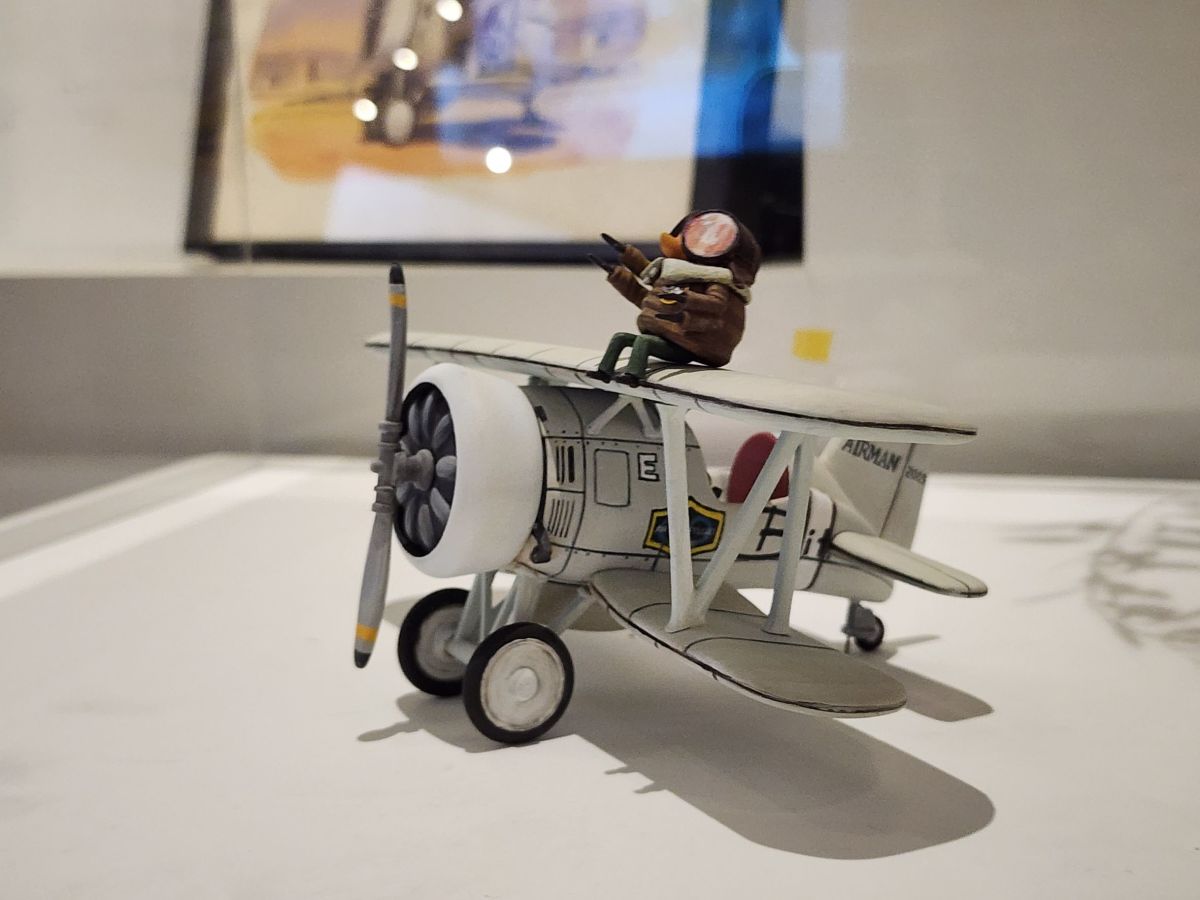 (Photo / The three-dimensional "Little Sky People," originally one of Chen Hung-Yao's unfinished creations.)
The love for comics created the cartoonist, and the exhibition also required the love of many people to be completed.
The tenth-anniversary exhibition is a beginning. Cheng Yung-Chung said it's not just a beautiful exhibition, but also one that she hopes will leave people wanting more.
Chen Hung-Yao's works have traveled through time to this present moment, just as the "Little Sky People" have now become three-dimensional exhibits. Everything holds more possibilities in the future.
※
"Freedom · Traverse: Chen Hung-Yao": Chen Hung-Yao's 10th Death Anniversary Memorial Exhibition
Exhibition Period: 2025/8/5 - 2025/8/24
Exhibition Venue: Taiwan Comic Base (2F, No. 38 Huayin Street, Datong District, Taipei City 103)
Opening Hours: Tuesday to Sunday 10:30 – 20:00 (Closed on Mondays)
Exhibition Introduction: Taiwanese cartoonist Chen Hung-Yao (1964-2015) is best known for his ancient-modern time-travel comic "One Blade Legend." Born during the martial law era, Chen Hung-Yao felt strongly about various restrictions. This exhibition uses "traverse" as its core concept, hoping to traverse Chen Hung-Yao, traverse the time and space experienced by his works, and traverse internal and external confinements to achieve infinite freedom.