

Released in 1985, "Super Mario Bros." is hailed as one of the most influential video games of all time, and its opening stage, "1-1," is an absolute classic. 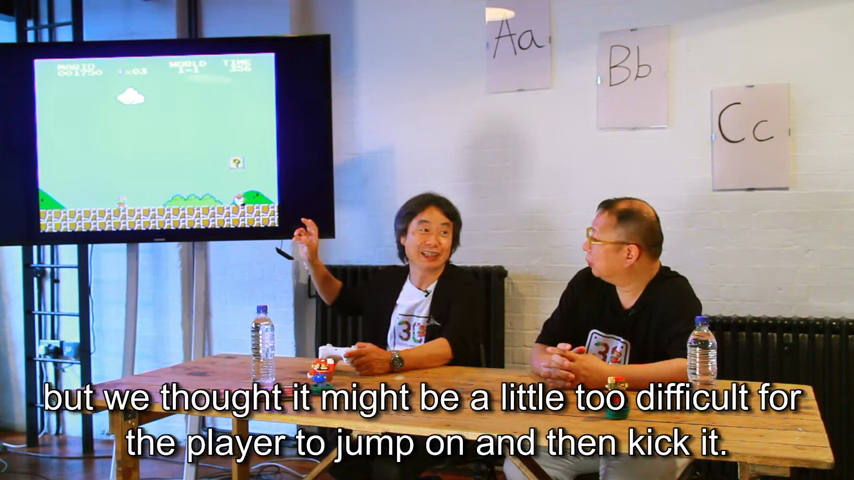
What appears to be a simple 15-screen level manages to teach players the game's core rules in just a few minutes, laying the groundwork for future game design. Recently, Shigeru Miyamoto revisited this history, revealing how 1-1 went from concept to a gaming "textbook."
In the 1980s, platformers were still in their infancy. Atari's "Pitfall!" presented a jungle in a flip-screen format, feeling more like a puzzle than an exploration. "Pac-Land" offered side-scrolling, but its level design was loose, and controls were frustrating. 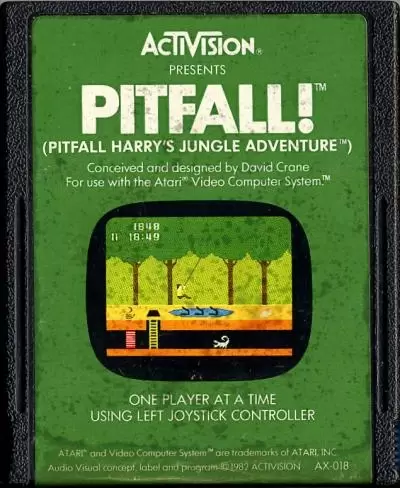
In contrast, "Super Mario Bros." unveiled a cohesive world brimming with surprises: enemies could be jumped over or stomped, question blocks might yield coins or power-ups, and hidden 1-Ups, underground treasure rooms, and Fire Flowers awaited. For players at the time, it was nothing short of mind-blowing.
In a 2015 interview, Shigeru Miyamoto and Takashi Tezuka revealed that the design team had a clear goal: to let players naturally learn all the basic operations without needing a manual.
The game starts with a tiny Mario in an open plain, soon encountering the first Goomba. Colliding with it means instant death, forcing players to grasp the importance of "jumping." Next, low bricks and question blocks appear; hitting them for coins provides positive feedback. Hitting another block reveals a sliding mushroom, ultimately prompting players to grab it and transform into Super Mario. In mere seconds, players have learned how to deal with enemies, earn rewards, and understand the growth mechanic. 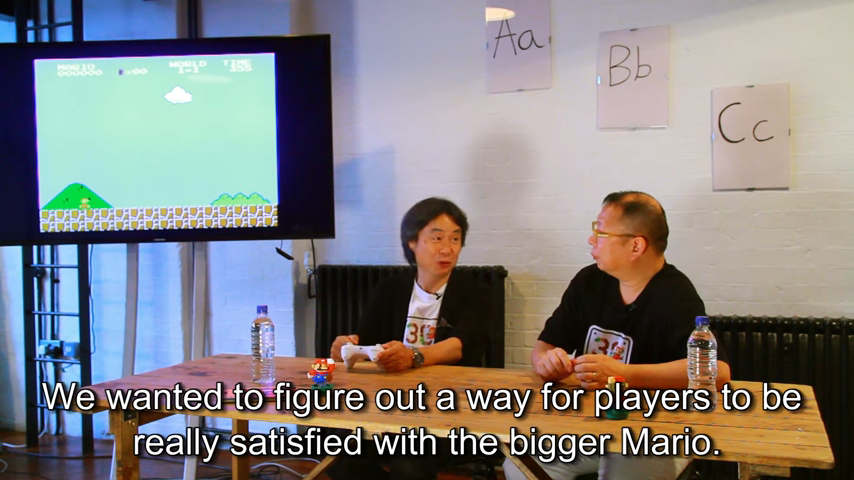
Even the B-button dash and long jump were cleverly integrated. Two consecutive pits in 1-1 serve as a tutorial: the first, a safe pit with a bottom, lets players practice a running jump; the second immediately follows as a real challenge, easily overcome by applying the newly learned skill. This progressive design allows players to master the game's essence step by step.
Miyamoto emphasized that such "course design" is often crafted *after* the more complex later levels are finished, as the team needs to know which skills players must acquire. He disclosed that 1-1's initial enemy was a Koopa Troopa, but its shell-kicking mechanic was too complex, leading to the later introduction of the more intuitive Goomba.
Beyond level design, music was equally crucial. Composer Koji Kondo worked closely with the development team, repeatedly refining melodies to match the level's rhythm, ultimately creating the iconic Mario theme song that's still widely hummed today. 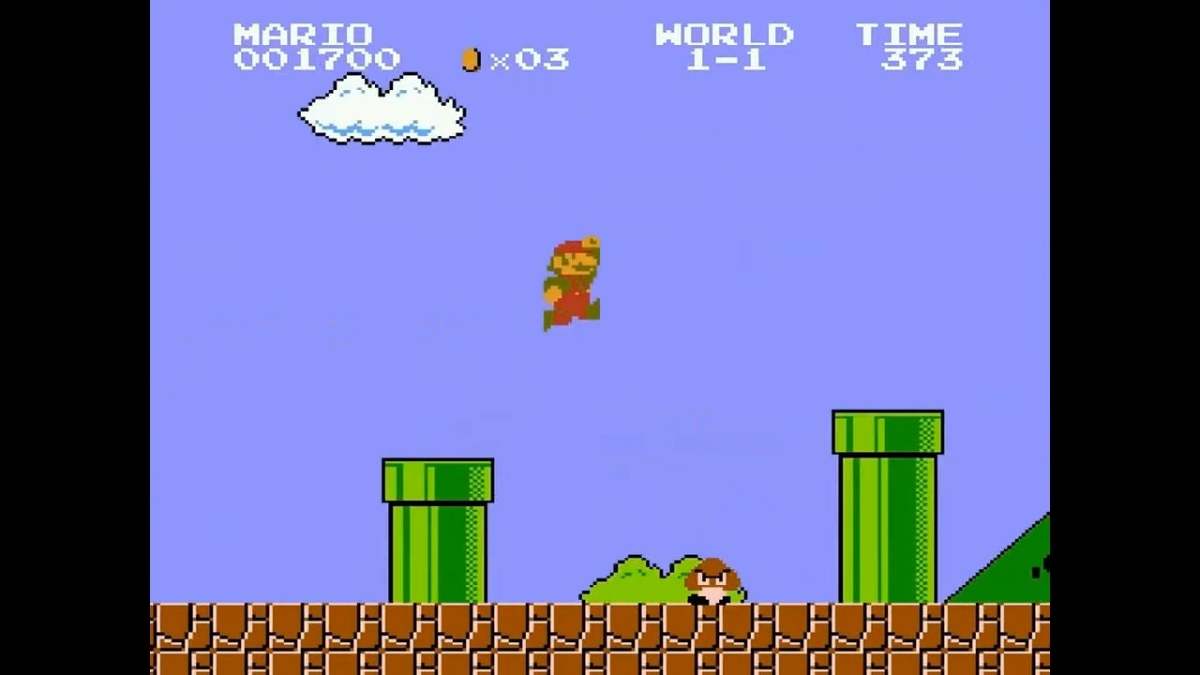
Remarkably, the entire game's code was only 40KB, yet it packed in 32 worlds, 8 boss battles, and countless secrets. To save space, the team extensively reused assets; for instance, clouds and bushes were just the same tile with different color palettes, and underground bricks were simply recolored ground blocks. These ingenious tricks pushed the limited hardware to its absolute maximum.
Looking back today, "Super Mario Bros." 1-1 isn't just a game level; it's a masterclass in design. It teaches players the rules as they play and set the gold standard for in-game tutorials that followed. As Shigeru Miyamoto once said, "Once the player understands what to do, the game truly becomes theirs."