

Electronic Arts (EA) recently announced its sale for $55 billion to Saudi Arabia and private equity firms, sending shockwaves through the gaming industry and beyond. As the news broke, market and internal employee anxieties about the future intensified, casting a shadow over what is now the second-largest gaming acquisition in history, fueled by concerns ranging from credit rating downgrades and an AI gamble to worries over human rights issues and potential layoffs. 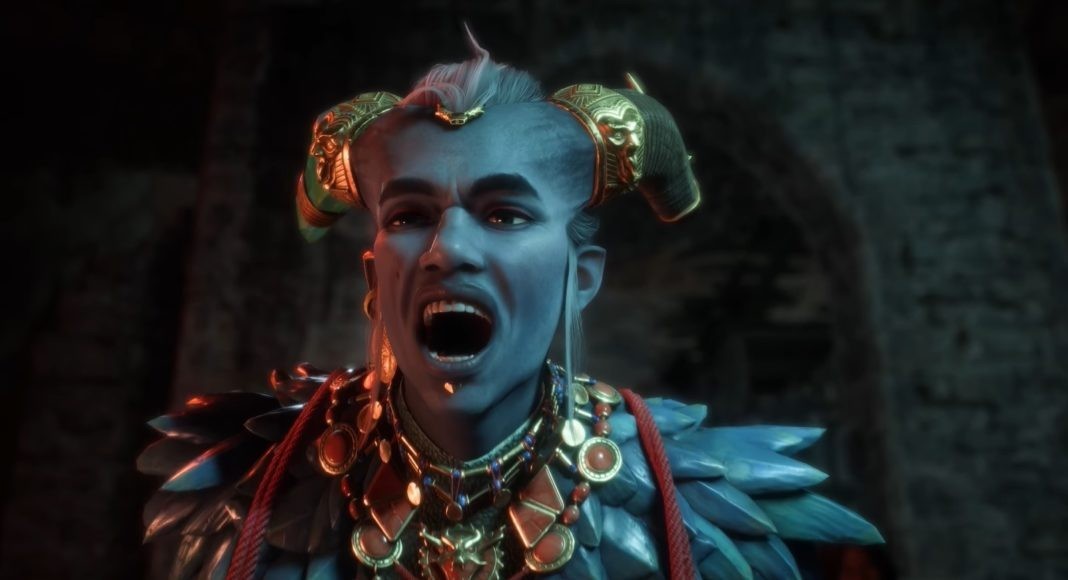
Bloomberg News reported that both S&P Global Ratings and Moody's Ratings plan to downgrade EA's credit rating to "junk status." This move stems from the deal being supported by $20 billion in high-interest loans, executed through a cross-border transaction involving high-yield bonds and leveraged loans. Analysts have stated that this debt will place a heavy burden on EA, potentially fundamentally altering the company's operating model.
One of the most scrutinized aspects is the future of EA's studios: Respawn Entertainment has faced multiple layoffs and project cancellations in recent years, while rumors suggest BioWare could be sold off. The studio, renowned for "Dragon Age" and "Mass Effect," now reportedly has only one project underway, leading developers to fear further downsizing under Saudi ownership. 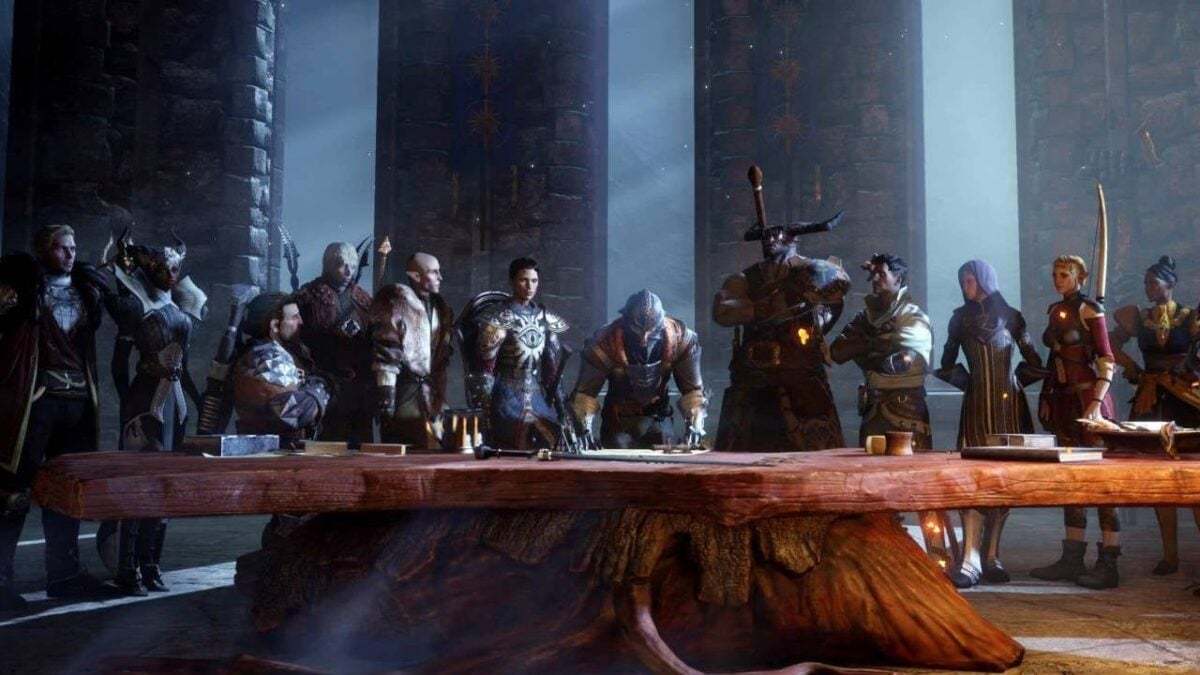
Former project director Mark Darrah warned that forcing BioWare to abandon its progressive values could lead to a "catastrophic" public reaction.
Concurrently, EA's previously championed diversity and inclusion policies are facing scrutiny. Employees are concerned that under Saudi Arabia's human rights record, LGBTQ-related game content could be cut, with transgender and gender minority employees potentially being the first affected. One employee candidly stated that Andrew Wilson's deal effectively tells female and LGBTQ employees to "go f*** yourselves." 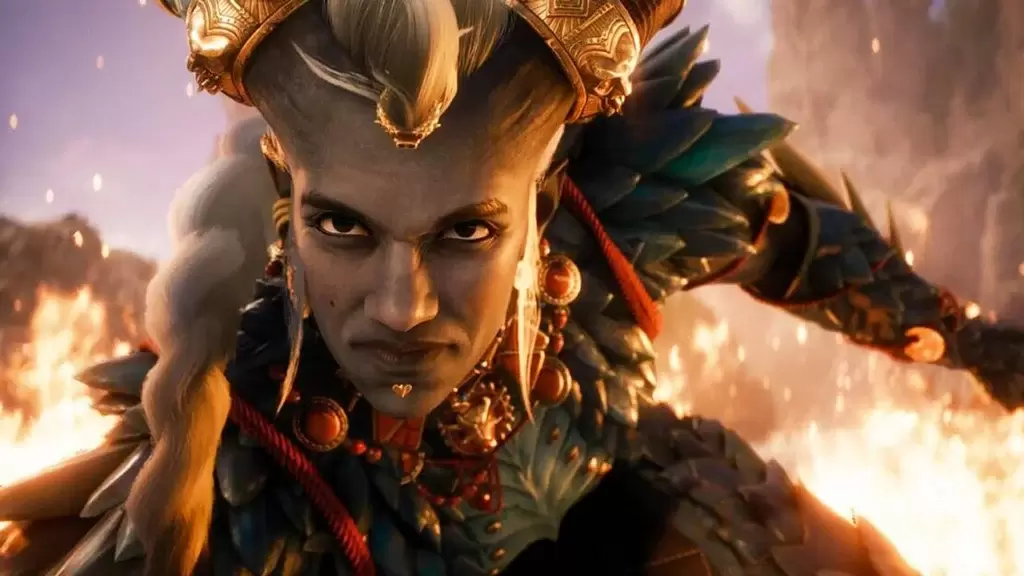
Observers are also watching whether the new ownership will push EA to accelerate its AI initiatives; CEO Andrew Wilson has previously declared AI to be "core to the business," and investors expect AI to drive cost reductions to support the substantial debt. However, employees reveal that while AI is partially used in customer service, its practical impact on game development remains limited, raising questions about whether this high-stakes gamble can deliver on its promises.
Furthermore, unlike Microsoft's Activision Blizzard acquisition, which faced rigorous scrutiny under the Biden administration, the current Trump administration maintains a friendly stance towards Saudi Arabia. With Jared Kushner, the current U.S. President's son-in-law, also among the buyers, regulatory hurdles are widely expected to be minimal. Consequently, one insider bluntly asked, "What regulator would reject the President's son-in-law?"
For EA, this deal might offer capital and the freedom of privatization, yet the accompanying debt pressure, human rights concerns, and cultural clashes could plunge the company and its studios into an unprecedented crisis.
via: Bloomberg News