

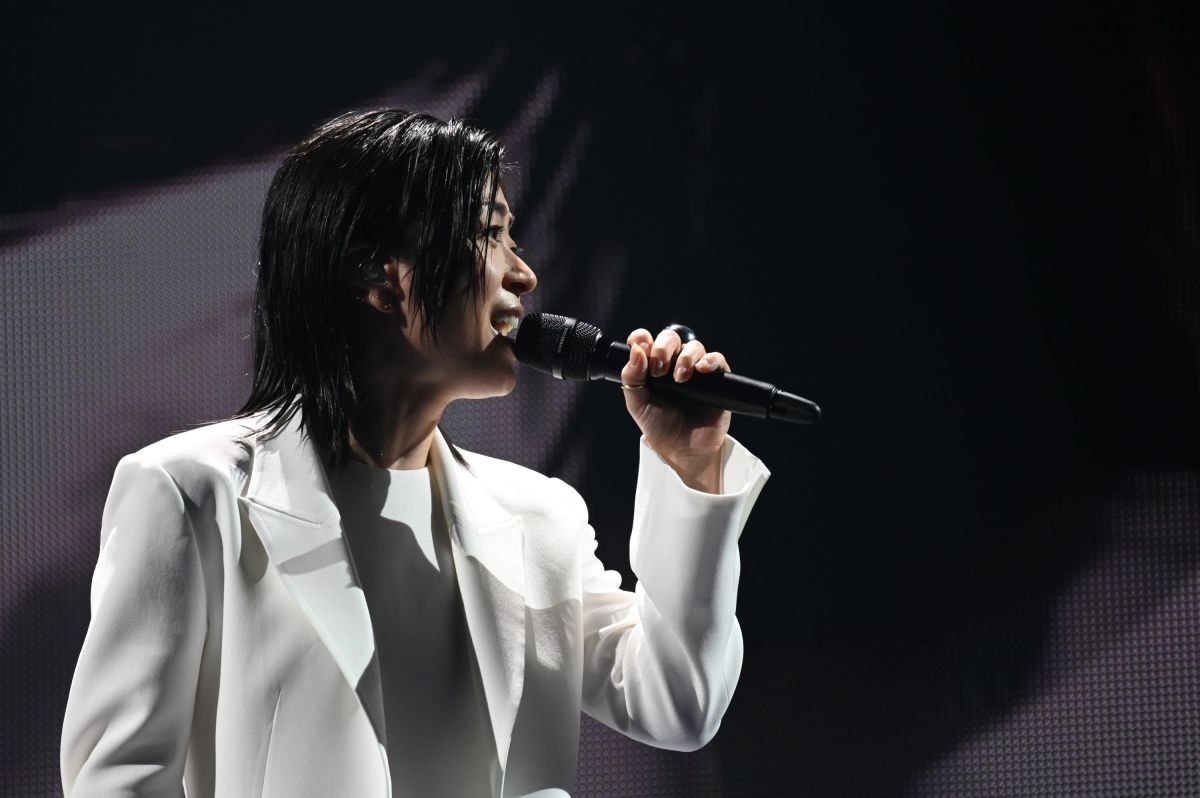
Japanese pop icon Hikaru Utada recently took to X (formerly Twitter) to personally debunk a controversial "bear sighting incident" report by "Shukan Josei PRIME" as fake news. The outlet misleadingly quoted her old comments from over a decade ago and strategically placed aggressive netizen remarks below her photo, leading some readers to believe Utada had "complained" about hunters, sparking public misunderstanding.
In her post, Utada explained that Japan has seen a surge in bear sightings and related injuries recently, leading to extensive media coverage. "Shukan Josei PRIME" seized the opportunity to "falsely quote" her past statements, with the article even being picked up by major news portals like Yahoo. Some netizens, seeing the headline, mistakenly thought she had made extreme comments like "The bears are so pitiful, I cried" or "I hope hunters face divine retribution," leading to a flood of critical comments.
She confessed that even she initially doubted if she had actually said those things: "I thought, even if it was over a decade ago, there's no way I'd say something like that." But after reading the report and checking with her staff, she realized the reporting was incredibly misleading. The article placed aggressive comments from anonymous online users directly below her photo without clarifying they weren't her words, only then following up with her actual quoted content. Utada herself admitted, "Even I almost fell for it!"
She also urged readers not to blindly trust one-sided reports from online sources and weekly magazines: "I believe only a minority of people would take this information at face value, but I still hope everyone refrains from venting societal anger on unrelated celebrities." She concluded with a calm yet resigned tone, "It's been a while since I posted something that truly felt like a sigh. Good night (:D)┼─┤patta."
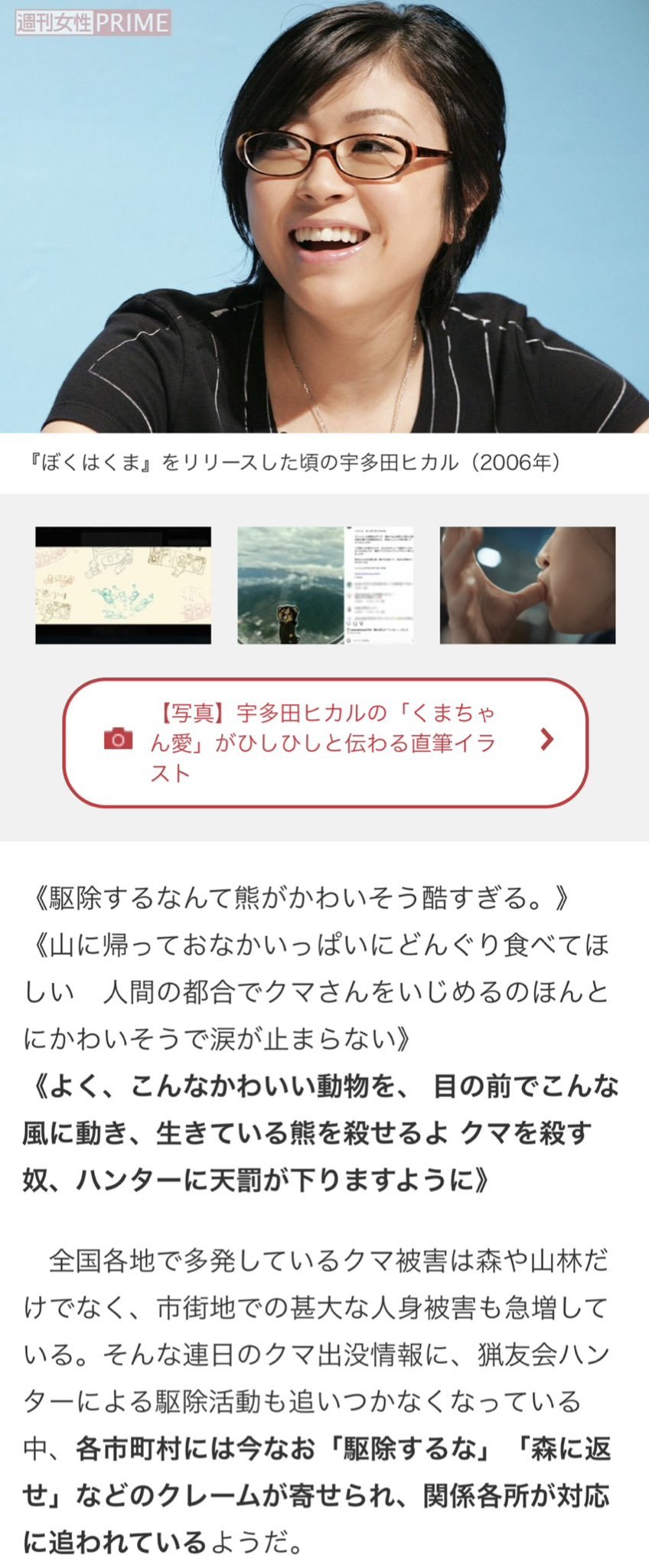
Her clarification post quickly trended on Japanese social media, with many netizens slamming "Shukan Josei PRIME" for "malicious editing" and "using a celebrity's name to chase clicks." Media commentators also pointed out that this incident once again highlights the chaotic trend of Japanese entertainment weeklies blurring reporting lines in their relentless pursuit of traffic.