

In recent years, Japan's anime industry has continued to flourish, expanding both domestically and internationally and showcasing its significant soft power. The international market, in particular, has become increasingly substantial, partly boosted by the pandemic.
However, on November 5, Japanese business research firm Teikoku Databank released a survey revealing that **eight anime production companies went bankrupt, suspended operations, or dissolved** between January and September 2025. The full-year projection is expected to match 2018's record high of 16 companies, marking the **third consecutive year of increase**.
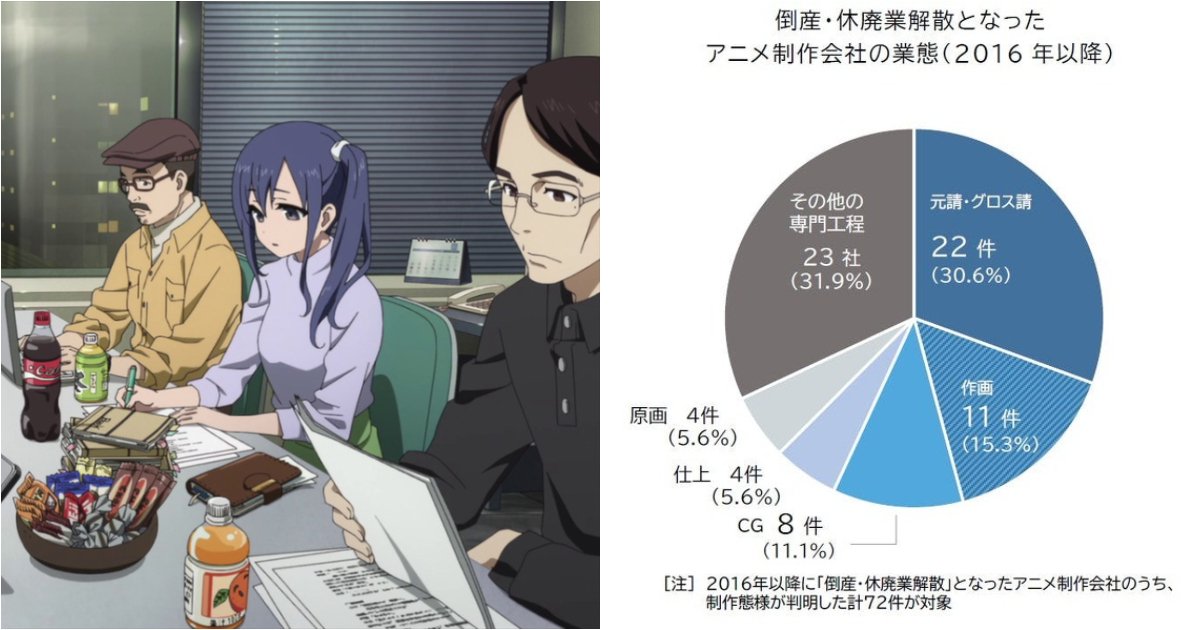
According to statistics, two of these eight companies were **legally bankrupt with debts exceeding 10 million yen**, while the other six suspended operations or voluntarily dissolved. Teikoku Databank noted that the actual number of businesses exiting the market is likely much higher when smaller outsourcing studios and freelance animators are included.
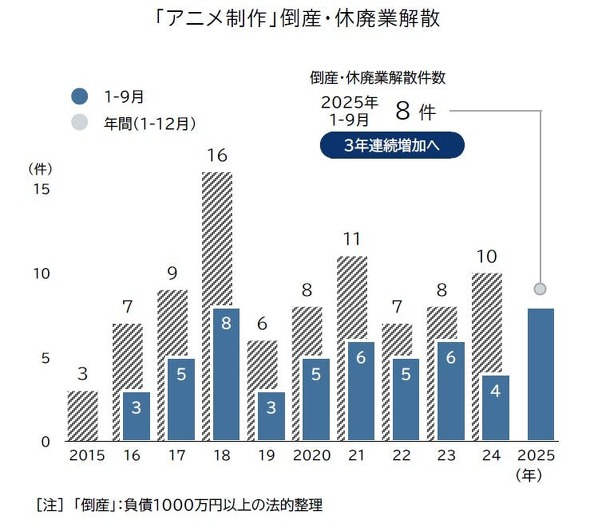
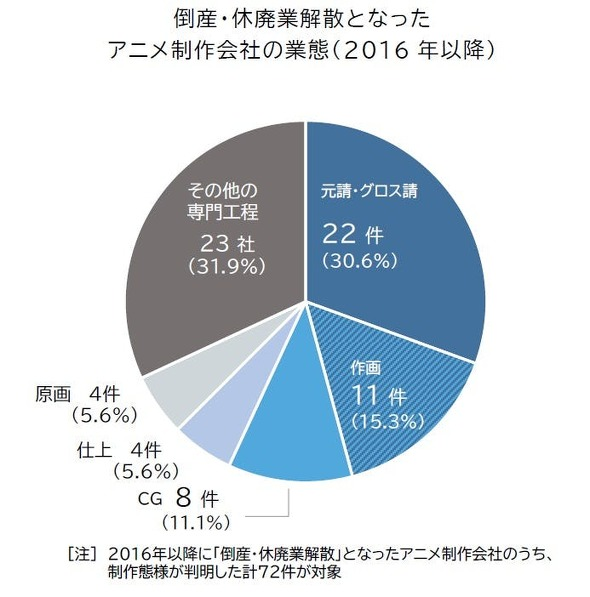
Notably, this wave of bankruptcies isn't limited to **secondary outsourcing companies** that handle downstream work. Even "prime contractors" or "main contractors," which directly undertake anime production commissions, are facing closures. Over the past five years, half of the anime companies that exited the market were prime or main contractors. Examples include Sapporo-based EKACHI EPILKA, which went bankrupt in July this year; FIVE, which went bankrupt in June 2024; and Cloud Hearts, slated for bankruptcy in December 2024, which garnered attention due to the broadcast postponement of "Whisper Me a Love Song."
( Related Reading: Delayed, Halted, and Beyond Repair! Anime "Whisper Me a Love Song" Cancels BD Sales Citing 'Internal Company Issues,' Sparks Fan Outcry )
Teikoku Databank's analysis indicates that while Japan's anime industry faced a sharp decline in commissions during the pandemic, the expansion of overseas demand has since led to a **record-high overall market size**. However, the current situation is dire. Anime production costs and personnel expenses are continuously rising, yet these costs are **difficult to pass on to clients in project quotes**. This traps many companies in a vicious cycle of being "busier but poorer." Furthermore, a surge in orders coupled with insufficient production capacity forces studios to outsource some work to overseas teams. The depreciation of the Japanese yen then drives up outsourcing costs, ultimately eroding profits.
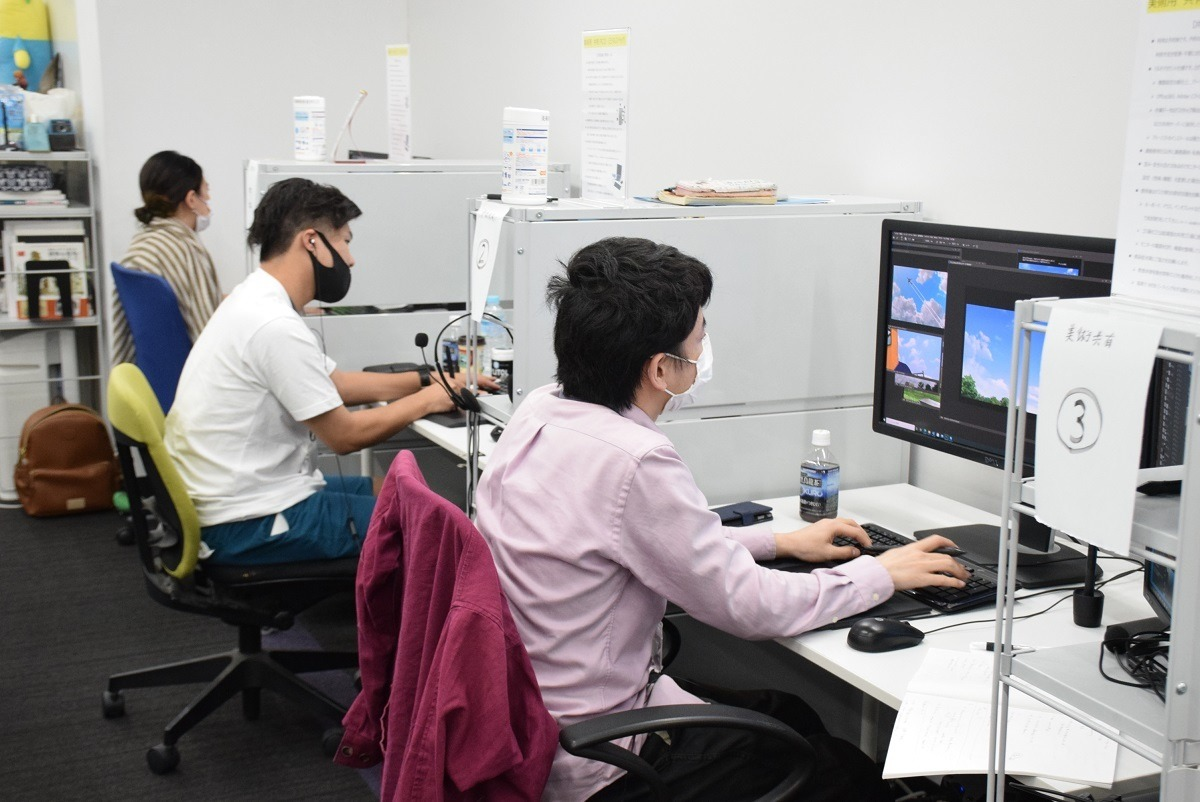
Statistics show that approximately 60% of prime contractor companies experienced a decline in performance during fiscal year 2024. While some production committees have recently become more willing to accept increased production fees, **small and medium-sized anime companies without stable IP revenue** often cannot capitalize on the success of popular works. They are left struggling with meager profits and unstable funding.
By autumn 2025, numerous anime series originally scheduled for broadcast announced delays, bringing the issue of **severe animator shortages** fully to light. This underscores the urgent need to establish reasonable working conditions and promote training and support policies for animators and related personnel to ensure the sustainable development of the anime industry. However, with the Japanese anime market becoming increasingly dominant, reversing this trend may prove even more challenging.
Note: Financial figures and earnings forecasts should be confirmed through the company’s official announcements.