

Over nine years after its release, "Mass Effect: Andromeda," a title originally intended to launch a new chapter for the beloved franchise, ultimately failed to continue its story. In a recent interview, Tom Taylorson, the voice actor for the protagonist, openly stated that the game was "let down" and highlighted several issues during its development and launch.
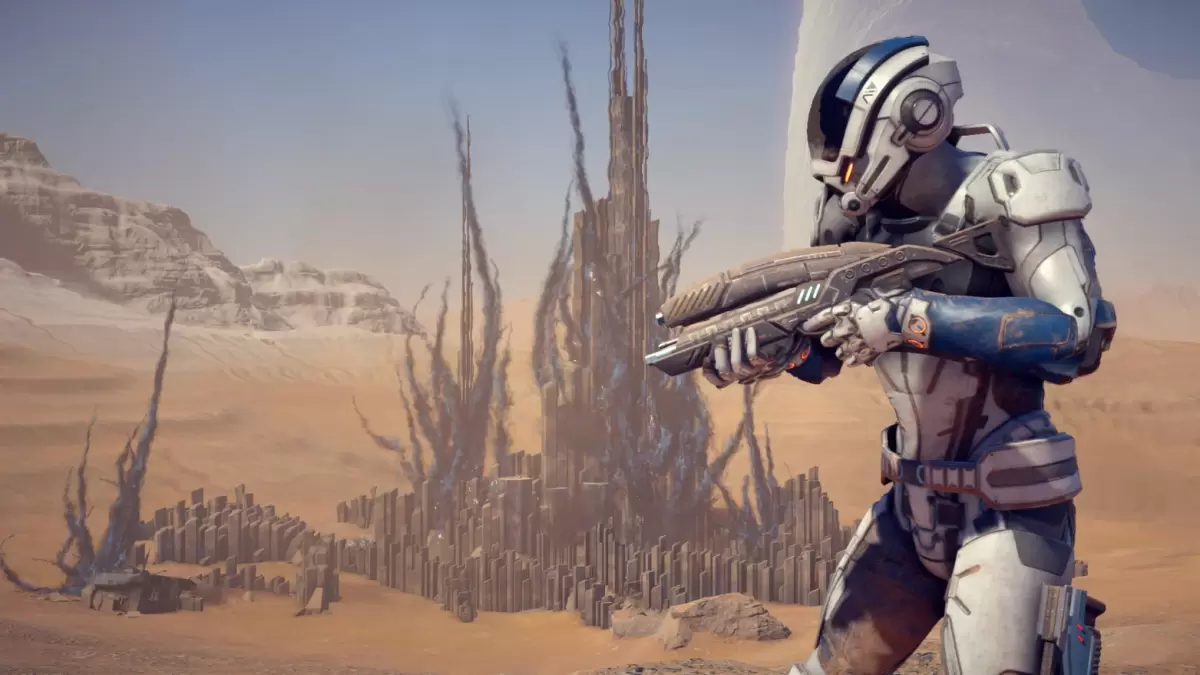
Taylorson pointed out that the game was pushed to market before it was fully polished, with the publisher's excessively high expectations placing immense pressure on the development team. He also mentioned that the team was forced to adopt the Frostbite Engine, which many members were unfamiliar with, and that the engine itself was not well-suited for narrative-driven role-playing games, further impacting the overall quality.
Additionally, BioWare Montreal, the studio responsible for development, had relatively limited experience with large-scale projects, which was also seen as a contributing factor to the bumpy development process. However, some argue that the engine itself wasn't the sole problem, noting that "Dragon Age: The Veilguard," which also utilizes the Frostbite Engine, has demonstrated stable quality.
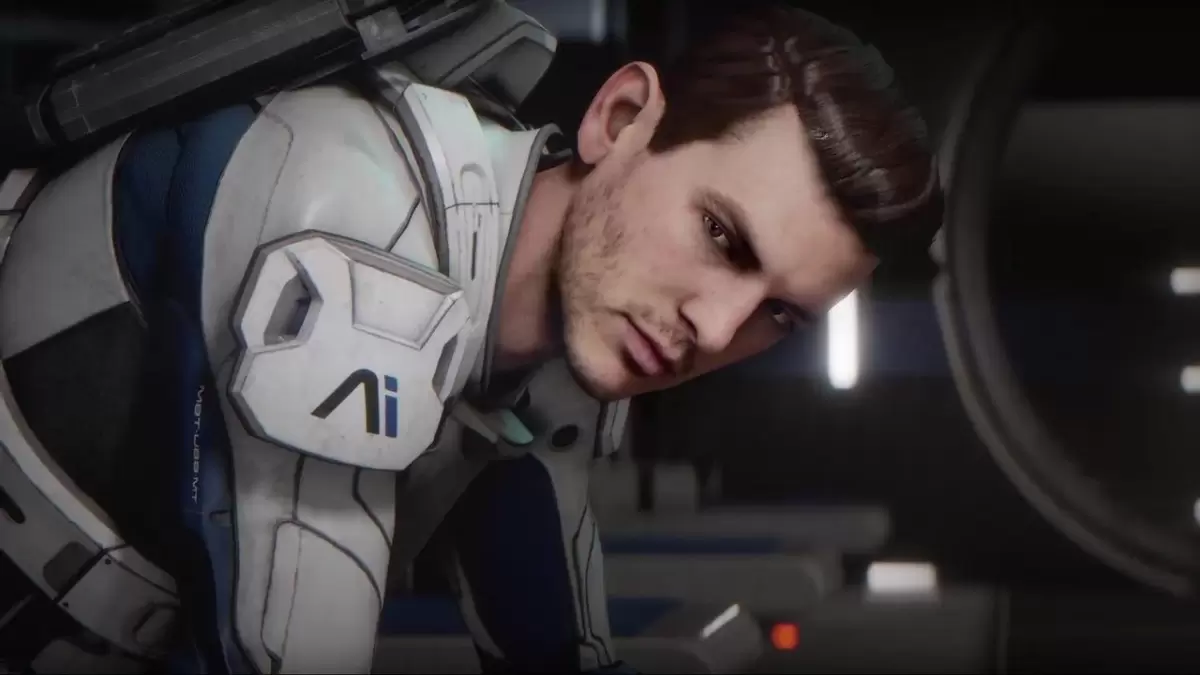
Beyond the development challenges, Taylorson also criticized the public discourse surrounding the game's launch. He described the online atmosphere at the time as "extremely toxic," with some players amplifying flaws, making the title a target for criticism, and further affecting its market reception and sales performance.
Plagued by negative reviews and poor sales, the planned extensions for the "Mass Effect: Andromeda" series were ultimately canceled. Taylorson admitted his profound disappointment, stating, "I thought these characters would develop for years, but everything just ended there."
Currently, the next installment in the "Mass Effect" series has been confirmed to be developed using Unreal Engine, and anticipation for its future remains high.
via: IGN