

A24's "The Backrooms" is slated for release in 2026, directed by emerging young filmmaker Kane Parsons, also known as Kane Pixels, with a screenplay by Will Soodik, and starring Chiwetel Ejiofor and Renate Reinsve. The film's trailer revealed a concise synopsis: "A strange door appears in the basement of a furniture showroom."

A24 has yet to release a full plot synopsis. Therefore, any speculation beyond this information should be considered reasonable inferences based on the trailer and the existing series' style, rather than confirmed facts. However, to truly understand the significance of this film, its origin lies not in theaters, but on YouTube.
Kane Pixels' "The Backrooms" series isn't merely a "visualization" of the original 2019 meme; it accomplishes something far more challenging: transforming a brief, atmospheric internet post into a self-propagating narrative system. 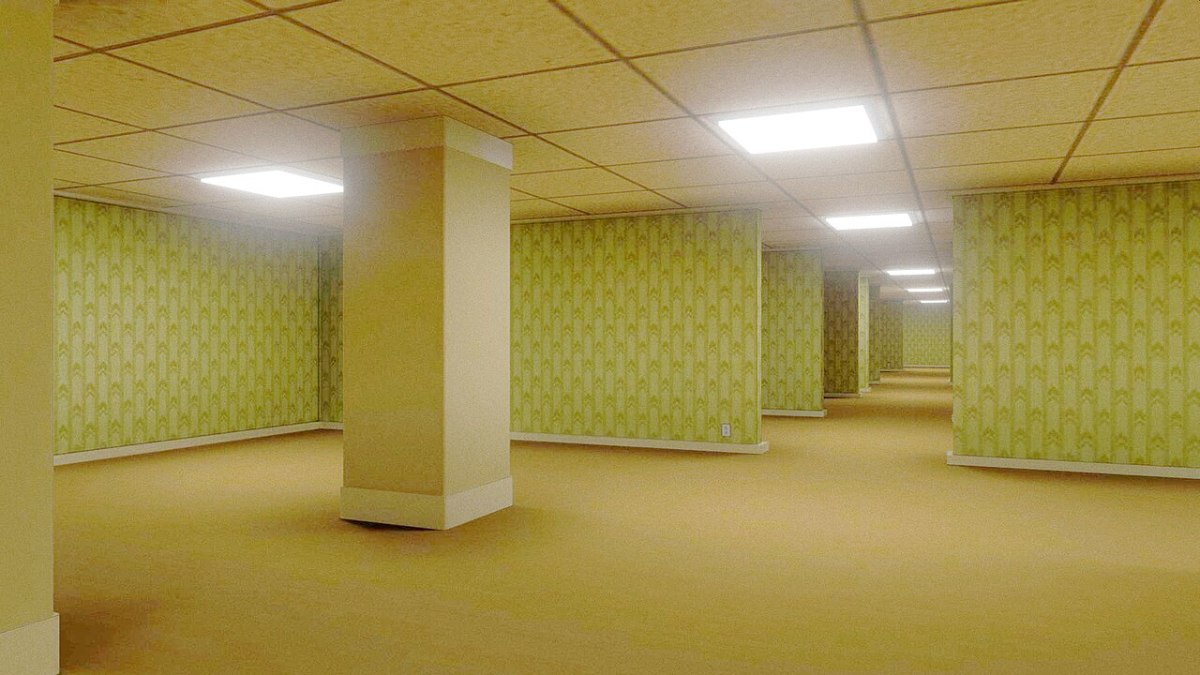
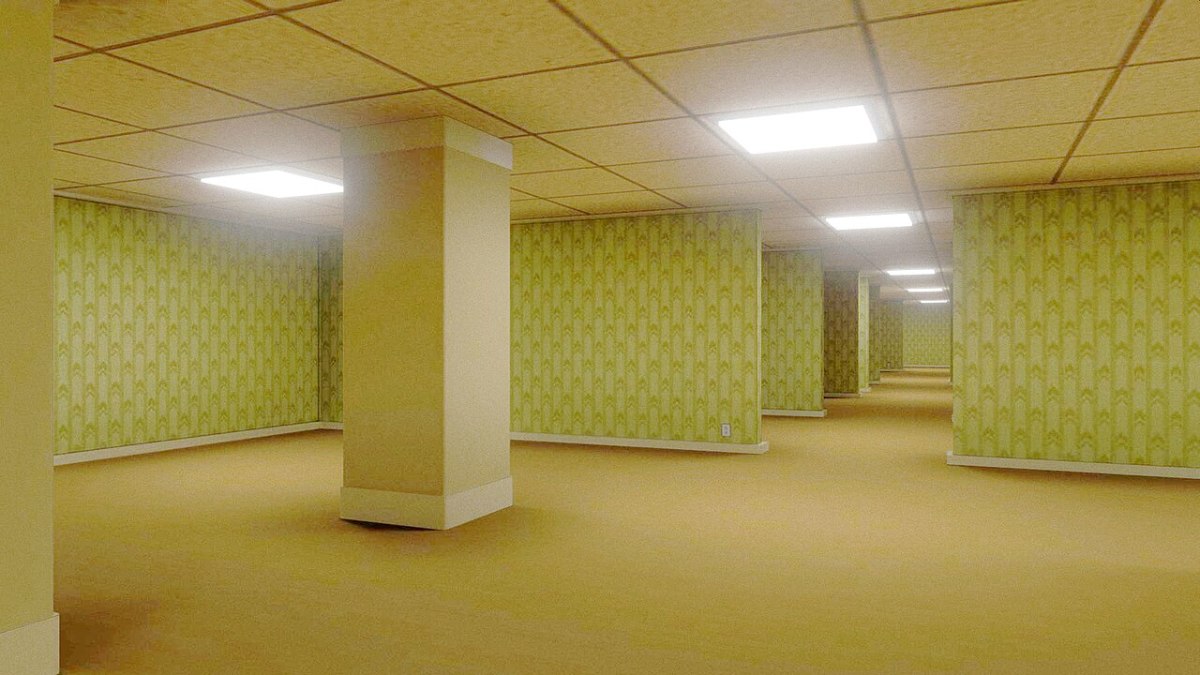
This system retains the "liminal space" dread of the original Backrooms—familiar, empty, and functionally defunct environments—while also introducing expanded layers such as institutional archives, scientific experiments, government collaboration, temporal displacement, and physical entities. This elevates it from a meme to a continuously expanding sci-fi horror universe.
What distinguishes Kane's version of "The Backrooms" from others is its perfect demonstration that "the strongest world-building isn't about the most settings, but the fewest, most logical ones." In contrast to community wikis that expand into hundreds of levels, complex factions, and encyclopedic monster bestiaries, Kane deliberately opted for subtraction, allowing spatial distortions, corrupted file formats, and temporal discontinuities to directly become the purest sources of dread.
Narratively, he skillfully merges the media language of analog horror—such as VHS tapes, surveillance footage, technical briefings, and distorted audio—with the subjective survival anxiety inherent in "found footage." This forges a unique texture that feels both like a cold record and a whispered nightmare. 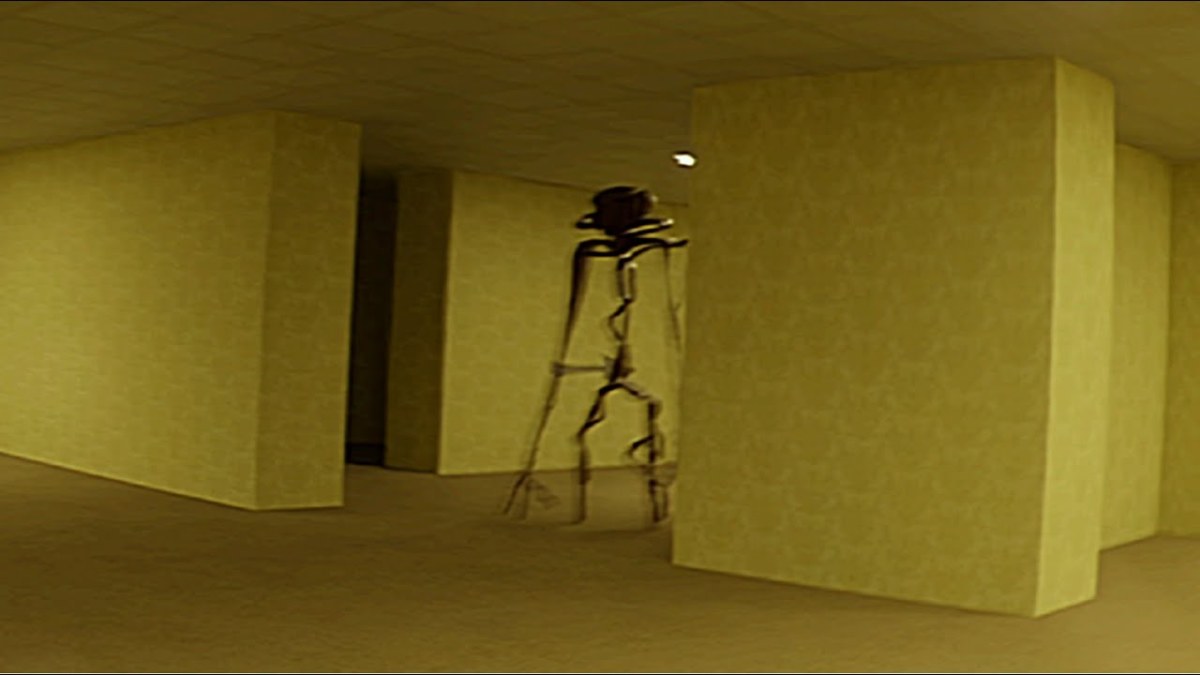
The deeper significance of this work lies in its proof that grassroots online creation can, in turn, influence the mainstream film industry. From an anonymous 4chan post and a self-produced YouTube series to an A24 theatrical feature, this evolutionary path has undoubtedly become one of the most representative cases in 2020s digital folklore.
From 4chan Meme to Prodigy: Who is Kane Pixels? And the Origin of "The Backrooms"
To understand why Kane's "The Backrooms" has caused such a significant ripple in the film and television industry, we must first rewind to May 12, 2019.
At that time, on the /x/ paranormal board of the renowned American anonymous forum 4chan, a user initiated a thread requesting "disturbing images." Among the submissions, a photograph of an empty room—featuring yellowed wallpaper, worn carpet, and harsh fluorescent lighting—garnered widespread attention. 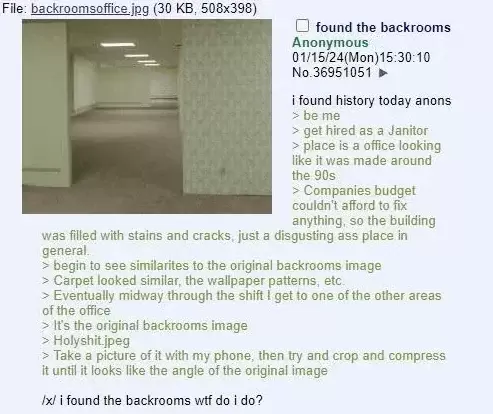
Subsequently, another anonymous user added a description to the image: "If you 'noclip' out of reality in the wrong areas, you'll end up in the Backrooms, where it's nothing but the smell of old moist carpet, the madness of mono-yellow, and the endless hum of fluorescent lights at maximum buzz." This brief text tapped into modern society's collective subconscious fear of "liminal spaces"—transitional, desolate locations devoid of human activity—and thus, the internet urban legend of "The Backrooms" was born.
However, what truly elevated this text-based meme into a sci-fi horror universe with feature film potential was a then-16-year-old American teenager, Kane Parsons, widely known online as Kane Pixels. Born in 2005, this young talent wasn't formally trained within the Hollywood system; instead, he was a self-taught visual effects (VFX) prodigy, mastering 3D software like Blender and Adobe After Effects from his bedroom. 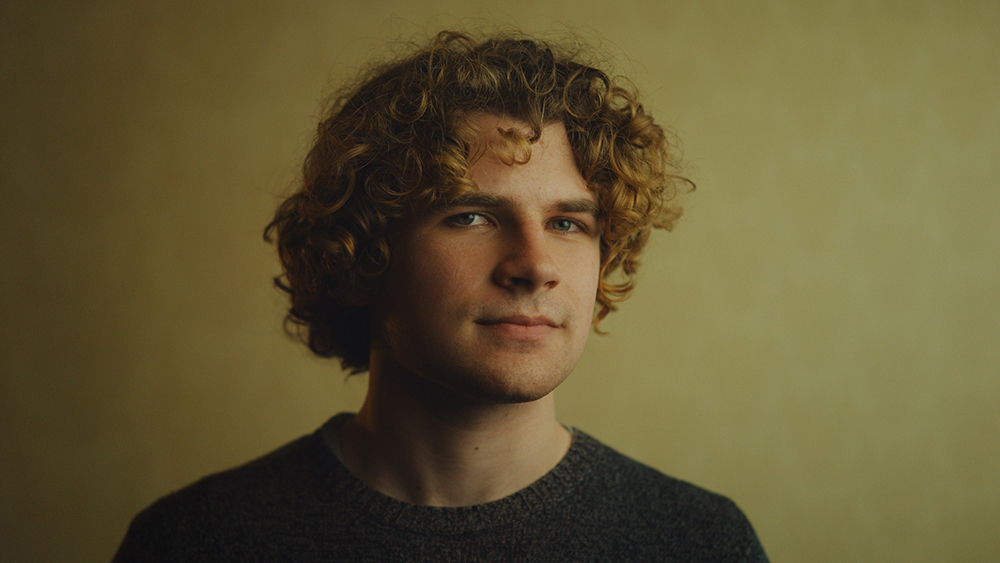
In January 2022, he uploaded a 9-minute short film titled "The Backrooms (Found Footage)" to YouTube. With its hyper-realistic VHS aesthetic, perfectly simulated handheld camera weight and anxiety, and suffocating spatial cinematography, the video quickly went viral online, amassing tens of millions of views to date.
Kane Pixels' genius lies in his refusal to stop at mere "meme visualization." With astonishing maturity, he infused this initially thin concept of "yellow rooms and monsters" with a late 1980s Cold War aesthetic, a heavy bureaucratic archival feel, and an entire sci-fi lore centered around the Async Research Institute.
He single-handedly handled directing, screenwriting, visual effects, and even the soundtrack, transforming an internet creepypasta into a tangible and logical parallel universe. It was this remarkable display, blurring the lines between amateur creation and professional filmmaking, that caught the attention of independent film studio A24. In an unprecedented move, A24 signed Kane while he was still in high school, tasking him to personally direct the feature film, slated for a 2026 theatrical release.
Timeline Order
Kane's "Backrooms" series debuted on January 7, 2022. The official YouTube playlist currently features 22 related videos, while community compilation pages describe the main series as "25 episodes (including unlisted videos)" alongside 19 public main entries, indicating discrepancies in cataloging between the official playlist, unlisted files, and subsequent film promotional materials.
It's important to note that when watching this series, it's best not to view it as a single continuous narrative, but rather as a work pieced together from three types of texts: found footage from the perspective of civilian victims, Async Institute archives, and short films and video fragments that expand the world-building.
The table below lists the most significant public milestones; the complete sequence also includes "The Third Test," "First Contact," "Missing Persons," "Informational Video," "Autopsy Report," "Motion Detected," "Pitfalls," "Report," "Presentation," "Damage Control," and more. All platforms are YouTube.
Release Date: January 7, 2022
Title: The Backrooms (Found Footage)
Release Date: August 22, 2022
Title: Backrooms - Found Footage #2
Release Date: 2022-12-08
Title: Backrooms - Reunion
Release Date: 2022-12-24
Title: Backrooms - Overflow
Release Date: 2024-09-13
Title: Backrooms - Found Footage #3
Release Date: 2024-10-02
Title: Backrooms - Lighting and Tile Survey
Release Date: 2025-02-12
Title: Backrooms - Static Dead End
However, when considering the in-universe chronology, the first uploaded "Found Footage" isn't actually the earliest event. Instead, the timeline begins with "Overflow" from 1972, followed by the tests and opening in 1988–1989. This leads into Async's exploration, disappearances, and subsequent cover-up in 1990, finally culminating with the civilian victim footage captured around 1995.
This "effect-to-cause" structure gives "The Backrooms" the hindsight of a technical accident report. Each look back is like piecing together and reconstructing the cause of a disaster. This is precisely what makes Kane's version of "The Backrooms" so captivating—viewers are driven not by a linear "plot," but by the constantly emerging "missing puzzle pieces" of its vast world-building.
Story Structure & Key Scenes: From Technical Rationality to the Collapse of Reality
Before breaking down the story structure of Kane Pixels' "The Backrooms," we need to clarify two core elements of this massive world: the institution that opened Pandora's box, and the threat that lurks within.
● What is the Async Research Institute?
Unlike many internet creepypastas that treat "The Backrooms" as a purely supernatural phenomenon, Kane introduces a grounded sci-fi setting: the Async Research Institute.
This fictional American research facility was active in the late 1980s. To solve the looming global crises of overpopulation and insufficient storage space, they launched the "Threshold Project." Using a "Low-Proximity Magnetic Distortion System," they forcibly tore open the fabric of reality, connecting to an infinite, non-linear space they dubbed "The Complex" (what we commonly call the Backrooms).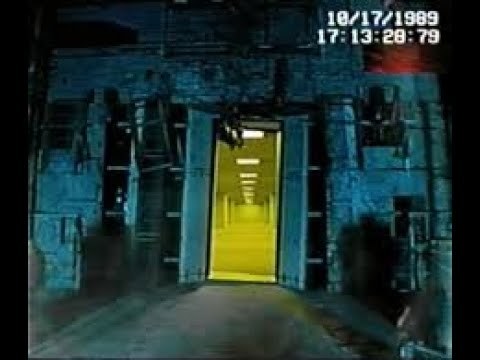
The exploration personnel seen in the videos wearing yellow hazmat suits are Async employees. This group represents a classic case of "technological hubris," attempting to measure and control an anomalous dimension fundamentally beyond human comprehension using scientific instruments and bureaucratic systems.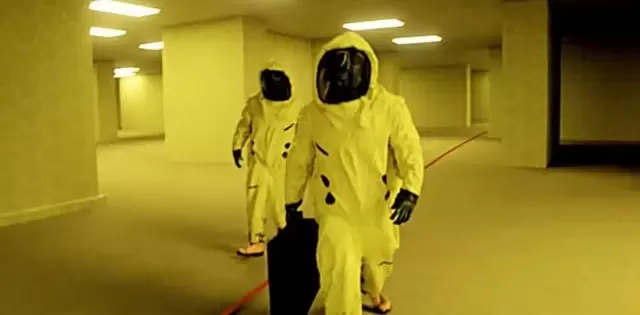
"Async" isn't just the name of an unscrupulous corporation; it's the core cipher for the entire series. Breaking it down into "Asynchronous" is perhaps the best key to understanding the work.
Within the space of "The Backrooms," time does not flow linearly, and physical space lacks permanence. The most chilling example is the fate of researcher Peter Tench: he went missing during an expedition on February 29, 1990. It's worth noting that 1990 is not a leap year in the real-world calendar; this "non-existent date" is itself a harbinger of the spatio-temporal distortion.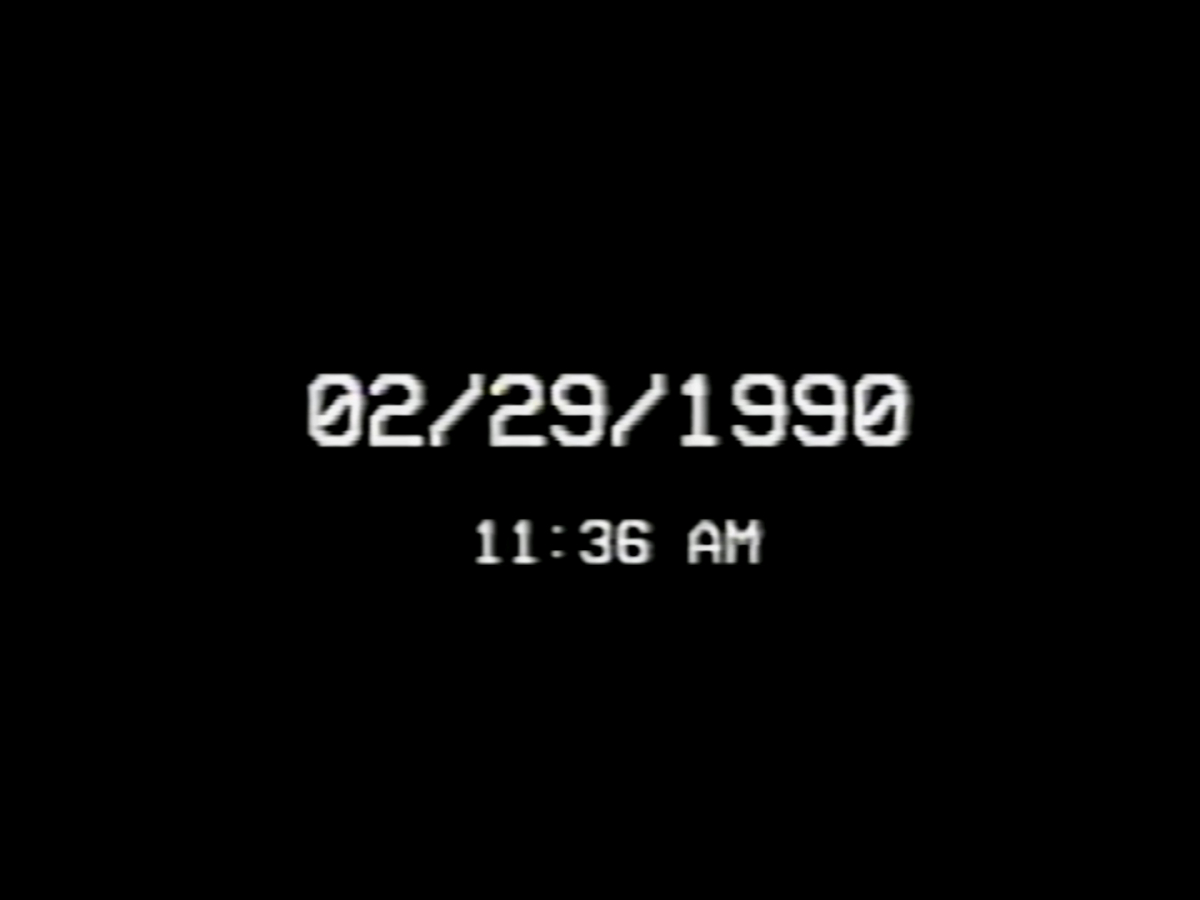
From Peter's perspective, he had only wandered The Backrooms for a few hours. But when he crossed back through the gateway to reality, the outside world had jumped forward to May 8 of the same year. This extreme "time dilation and displacement" leaves victims utterly abandoned in the past, both physically and socially. Although he returned alive, he discovered he had become a ghost, declared dead by the very system he worked for and with nowhere to go.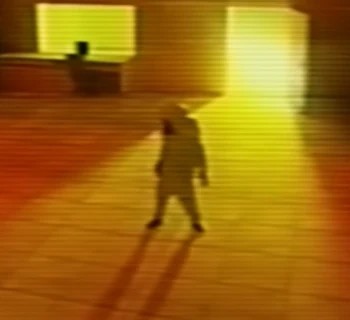
Beyond time, the "asynchronous" nature of space manifests as a crude duplication and overlapping of the real world. In "Found Footage #2," the protagonist discovers home decor and portraits deep within The Backrooms. The layout of these items perfectly overlaps with footage from a real-world home video labeled "home_27647.mov," suggesting The Backrooms is "syncing" with material fragments of reality, only to eject them at the wrong point in time.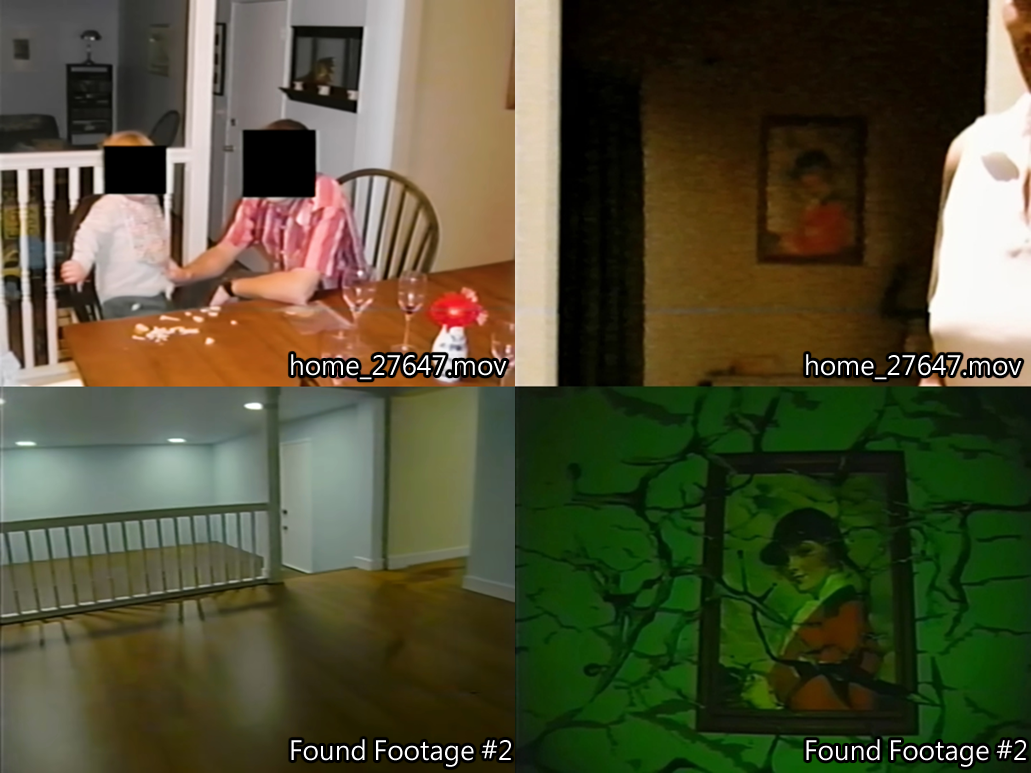
"Found Footage #3" pushes this dislocation to the extreme, forcibly "assembling" sounds, furniture, and even entire houses from different eras into the same "space."
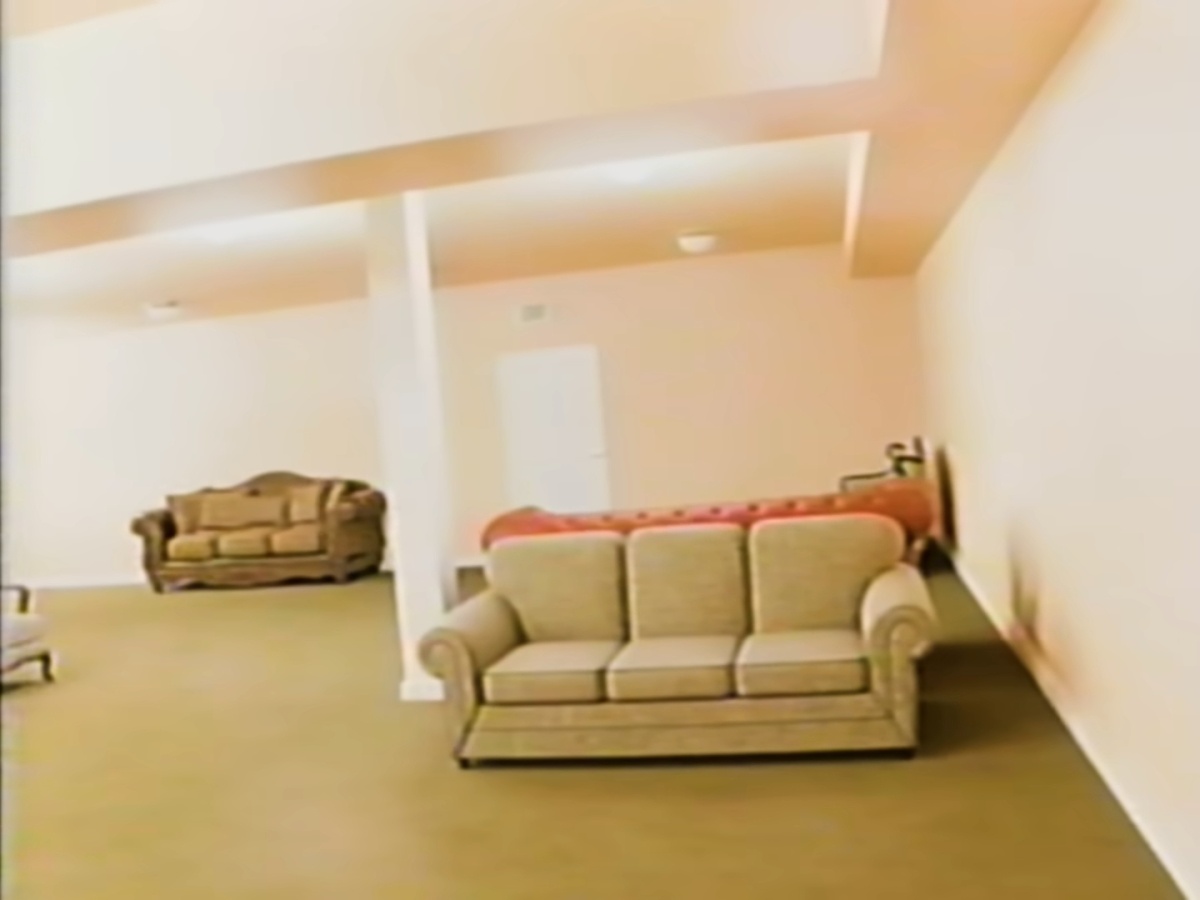
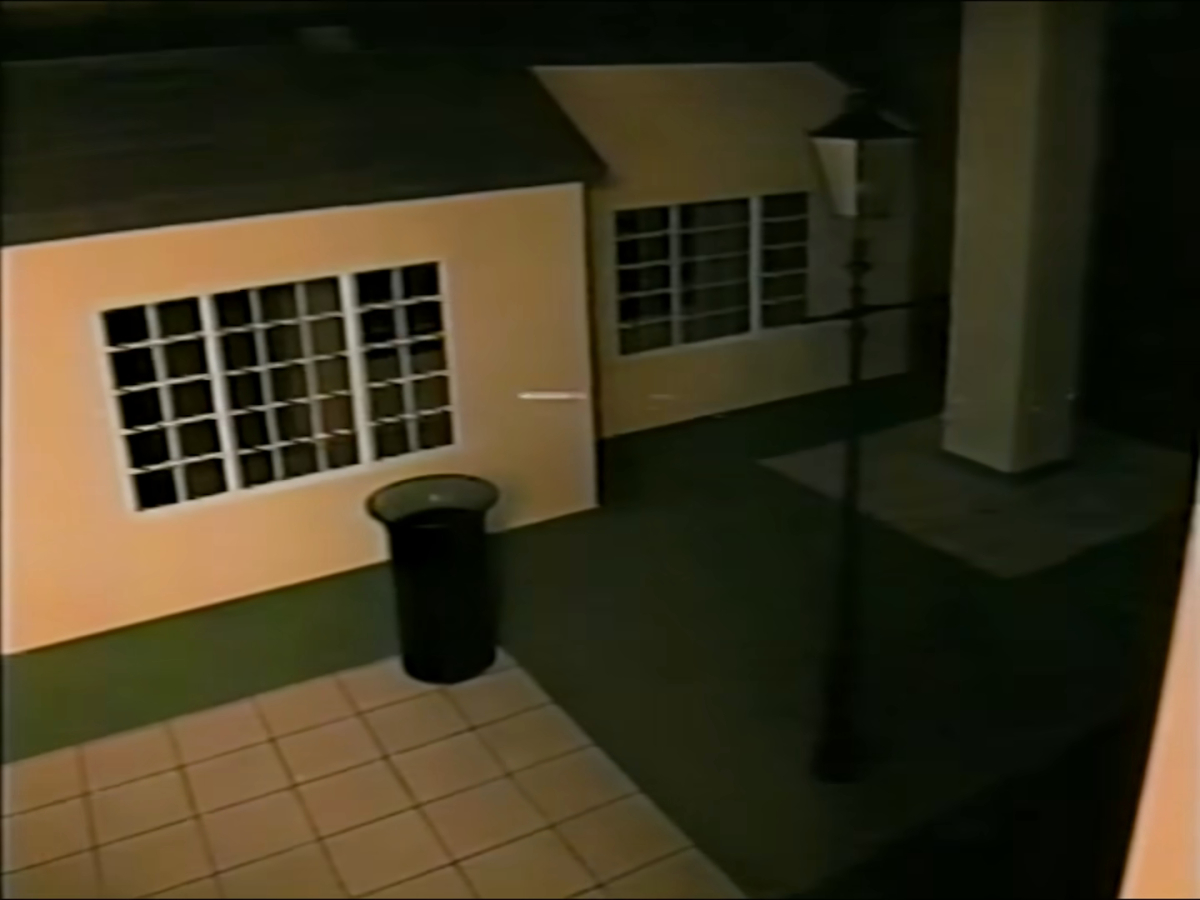

Kane has emphasized that he doesn't want viewers to see "The Backrooms" as a mere dream or hallucination. It is a real, physical anomaly that directly interferes with the human brain's ability to process spatial perception. It isn't nothingness; it's a fatal "displacement."
● A "Lifeform" That Poorly Imitates Humans
Fans often refer to the monsters in the Backrooms as "Entities," but in Kane Pixels' universe, they aren't traditional ghosts or jump-scare monsters. Instead, they feel more like "mutated products" of the space itself.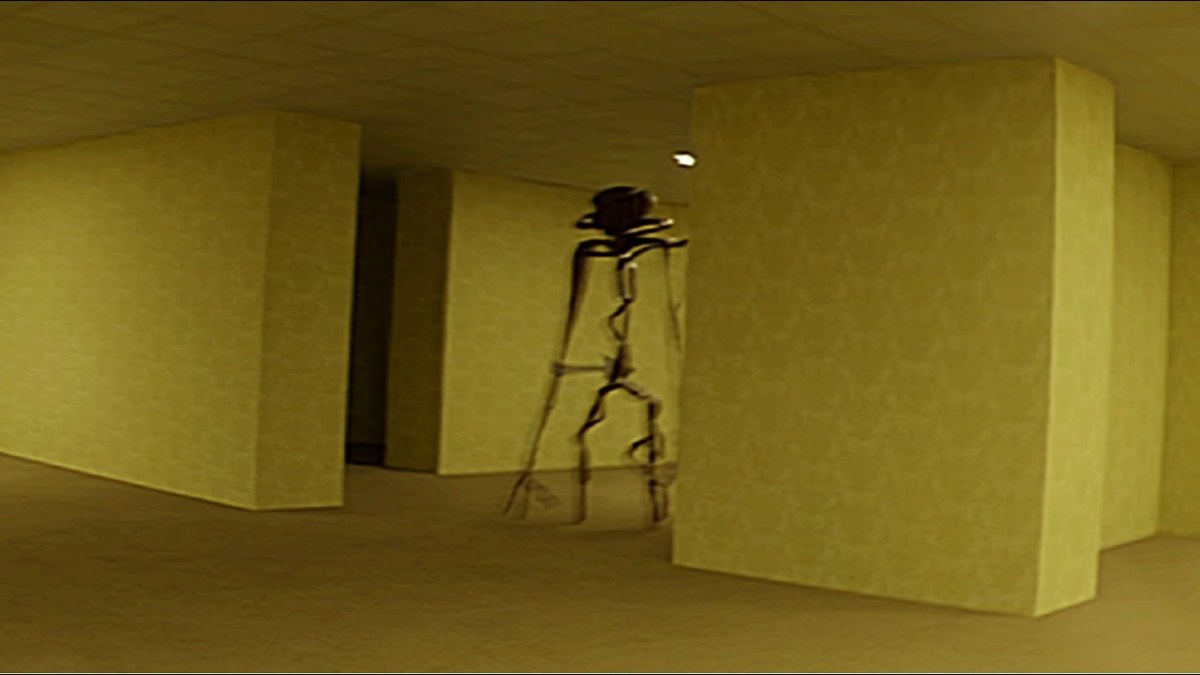
The earliest threat introduced to viewers is commonly known by the community as "Bacteria." Internal Async files, such as "Autopsy Report," strongly suggest this entity could be the result of common bacteria (like *Bacillus subtilis*) that fell into the Backrooms with humans, then underwent a radical mutation under the anomalous physics of the space.
It appears as a tall, thin humanoid figure composed of chaotically tangled, slender black lines, and its movements are extremely uncoordinated. The monster's most terrifying weapon at this stage is "auditory mimicry." In "Pitfalls," researcher Marvin hears desperate cries for help that sound almost perfectly human, but they are actually imitations created by the entity to lure its prey.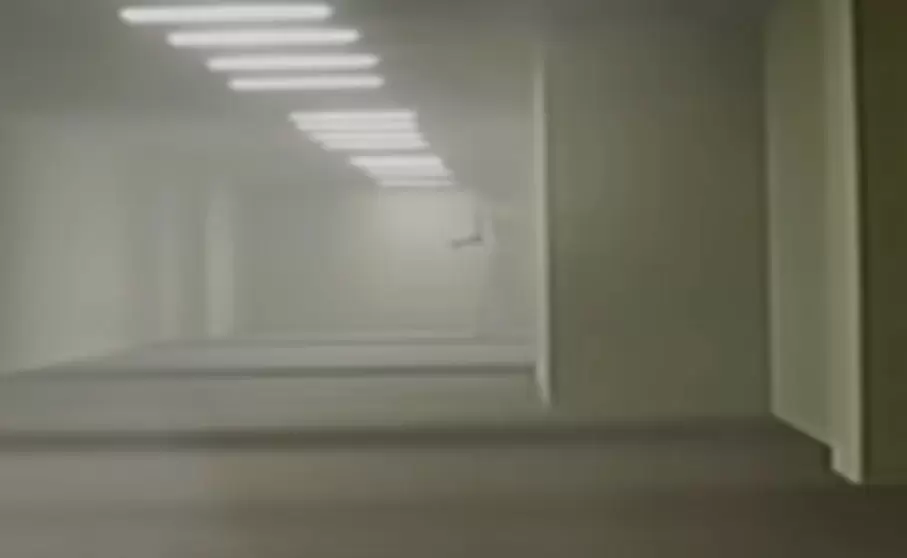
However, as the space evolves and exploration deepens, the nature of the threat changes. The 45-minute-long "Found Footage #3" introduces a new entity designated "Still Life." It's no longer a blurry, abstract tangle of lines in the distance but a creature with more physical volume, closer to a "humanoid shell."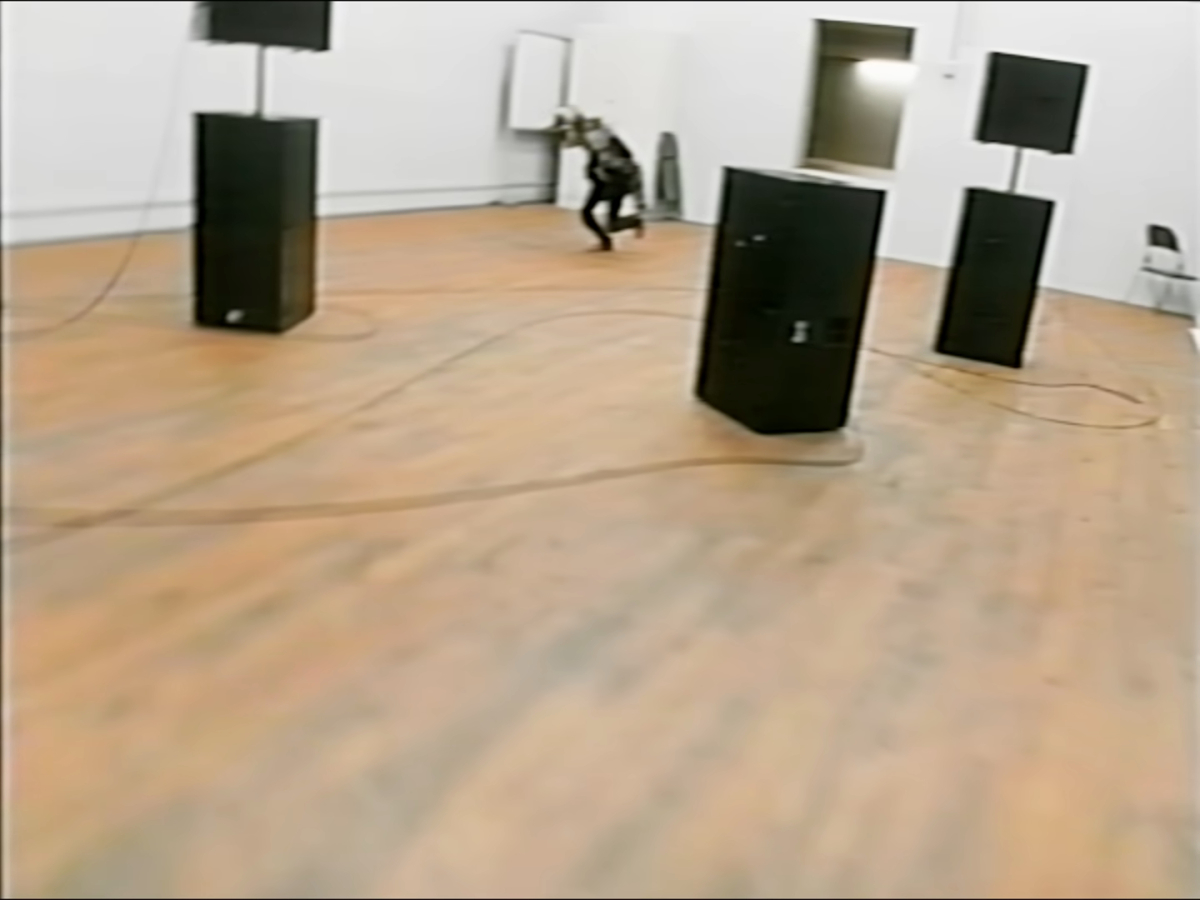
It demonstrates more complex interactive abilities—it knocks on doors, breaks them down in a rage, and its vocalizations have evolved from simple cries for help to frenzied howls that sound like a human vocal cord being torn apart. If the early Bacteria was a garbled sketch, "Still Life" is more like a failed android that has grown flesh, but in all the wrong ways.
● More Than Just Lifeforms: The Entire Backrooms Is Trying to Imitate the Human World
This all points to the core philosophy behind Kane's creature design: "crude imitation."
This is the deepest source of horror in "The Backrooms." Just as the space haphazardly copies real-world yellow wallpaper, garages, and even entire red cities, its biological mechanisms are also attempting to replicate "humanity." The early Bacteria entity barely managed to copy human "sound" and a rough "skeleton," while the later Still Life further attempts to replicate human "flesh" and "behavior."
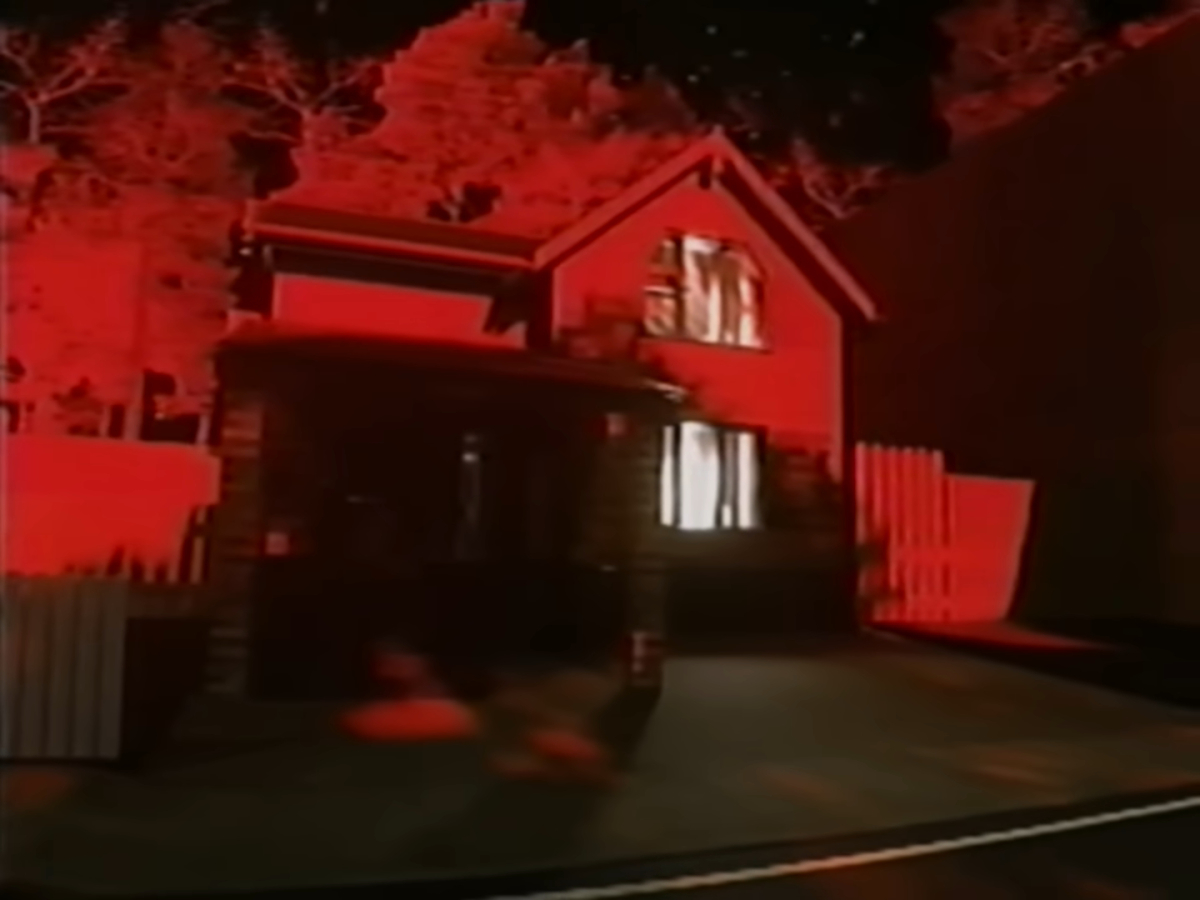
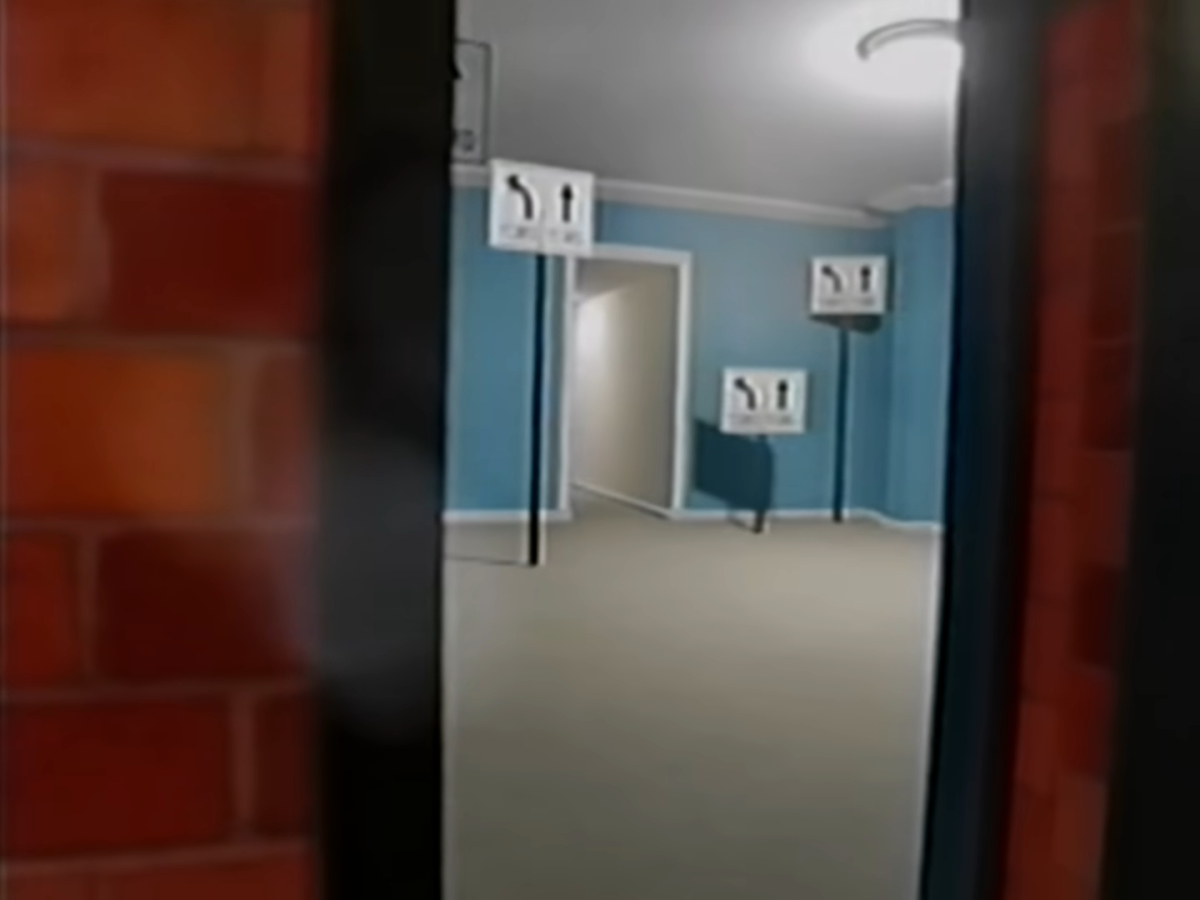
They are like a soulless 3D printer trying to print a "person," a "house," or a "room." But lacking a true blueprint for life, it can only produce these deformed monstrosities that reside deep in the uncanny valley.
This also raises the series' most chilling unknown: are these monsters fabrications created by the space out of thin air? Or... are they the victims who got lost, infected, and utterly consumed by the Backrooms, only to be "reassembled" into these creatures by the anomalous system? This escalation of fear, from a physical chase to an existential collapse, is the real reason Kane's monsters are so unforgettable.
● Stop Asking What Level It Is: Kane's Backrooms Has No "Levels"
If you've ever encountered the collaborative fiction on internet forums like Wikidot or Fandom, you're undoubtedly familiar with terms like "Level 0," "Level 1," and countless other "levels" with special rules and unique monsters. While this RPG-like classification system has maximized community engagement and expansion, it has also inevitably "gamified" the horror, reducing it to something that can be conquered and quantified.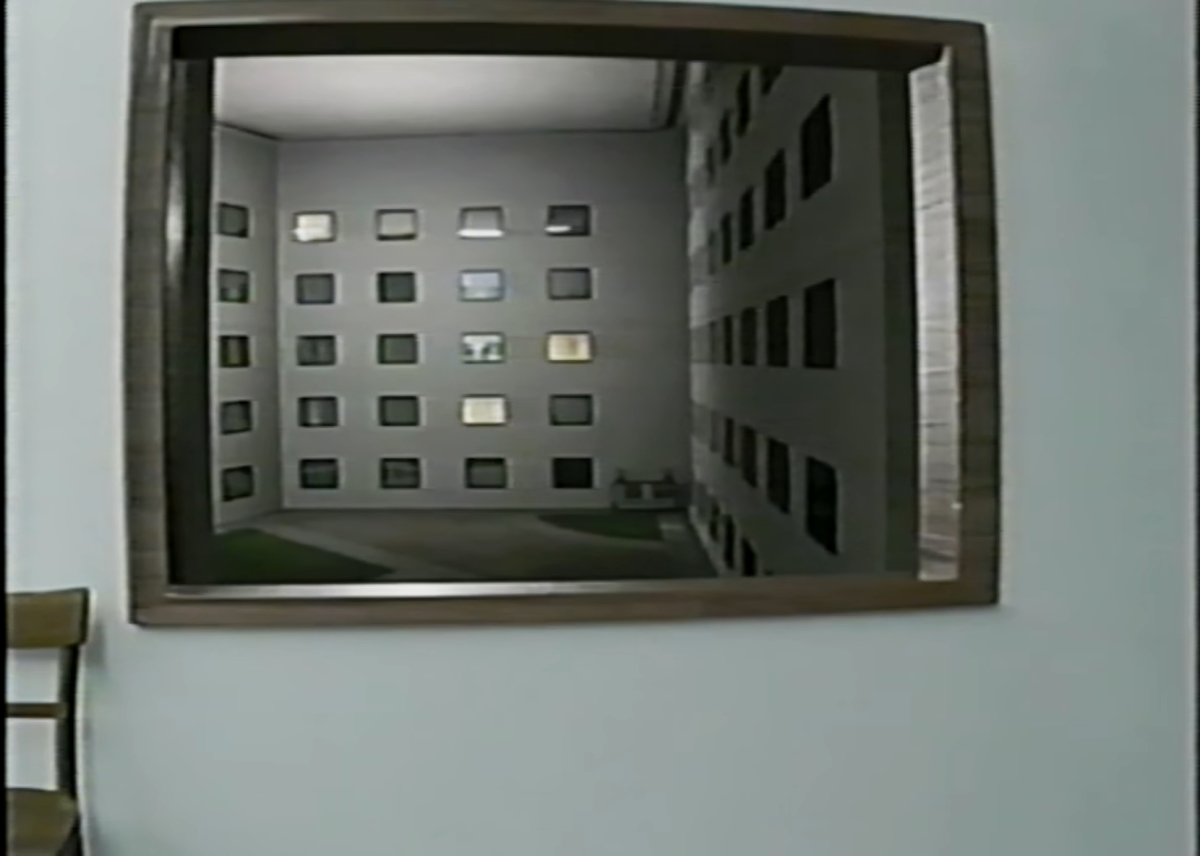
However, the most crucial and independent creative choice in Kane Pixels' version is the complete abandonment of the "Levels" concept.
In Kane's universe, the Async research institute uses only one term to define this anomalous space: "The Complex." This isn't a dungeon for leveling up and fighting monsters; it's a colossal, continuous, non-linear, and blindly proliferating "architectural cancer."
When you move from the familiar yellow-wallpapered office to dim industrial pipes, or fall into a bizarre suburban neighborhood as seen in "Pitfalls," you’re not "advancing to the next level." Instead, the very architectural language of the space itself is shifting and mutating.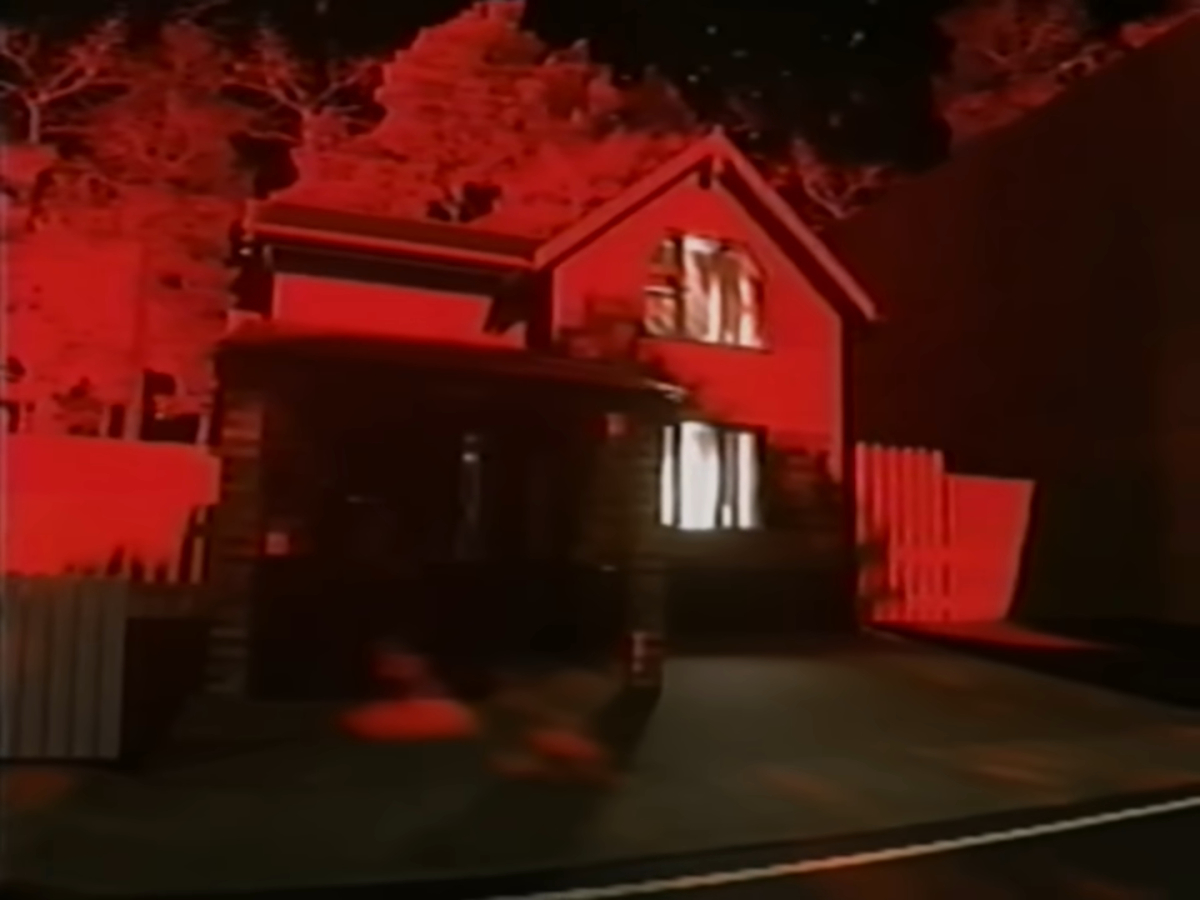
Ditching the level system is one of Kane’s most brilliant moves in horror storytelling. It strips both the audience and the victims of any predictability: there are no safe zones, no clear rules for survival, and certainly no bestiary of monsters to consult.
The space itself is like a giant labyrinth that haphazardly mimics fragments of the real world but operates on a completely broken logic. This pure, immeasurable unknown—something that cannot be categorized by human reason—is what truly captures the suffocating claustrophobia at the core of "The Backrooms."
Interestingly, even though "levels" don't exist in Kane's version of "The Backrooms," we see the organization Async attempt to measure the space with human logic. They run guide lines, establish outposts, and designate areas with names like "Area 1" and "Room 14D." But these cold designations are little more than placebos, utterly insufficient for conquering the space.
Key Scenes and The Three Major Arcs
So if the Backrooms space itself defies logic, how does Kane propel the story forward? Breaking down the entire series, the narrative can be roughly divided into three major arcs:
The first arc is "Discovery and Justification." The story begins with Async successfully opening the Threshold. The horror in this phase isn't about monsters, but about how an institution uses bureaucratic language to rationalize immense risk.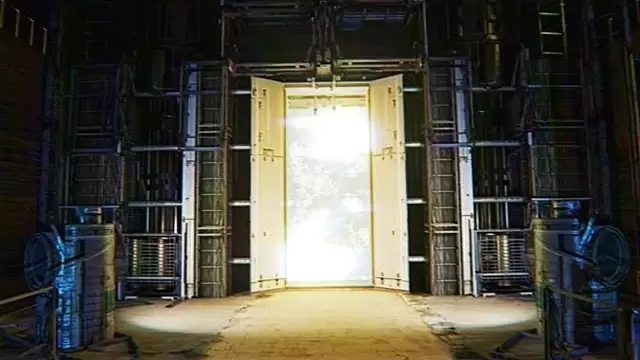
They attempt to convince themselves with technical rationale that it's just a door, just a space, and a future resource for humanity. It’s only after a death occurs internally, earthquakes are triggered in the real world, and civilians begin disappearing into the Backrooms that the entire bureaucracy is forced to pivot to opaque cover-ups and lies.
As the cover-up begins, the story enters its second arc: "Exploration and Backlash," marked by pivotal episodes like "Informational Video," "Pitfalls," and "Reunion."
In "Pitfalls," a researcher named Marvin accidentally falls through a cavernous lower area, only to emerge into a suburban neighborhood under a night sky. This sequence reveals the series' core rules in one fell swoop: the Backrooms is a multi-layered anomalous complex, it can seamlessly connect to fragments of the real world, and it can make temporal displacement a tangible, physical phenomenon.
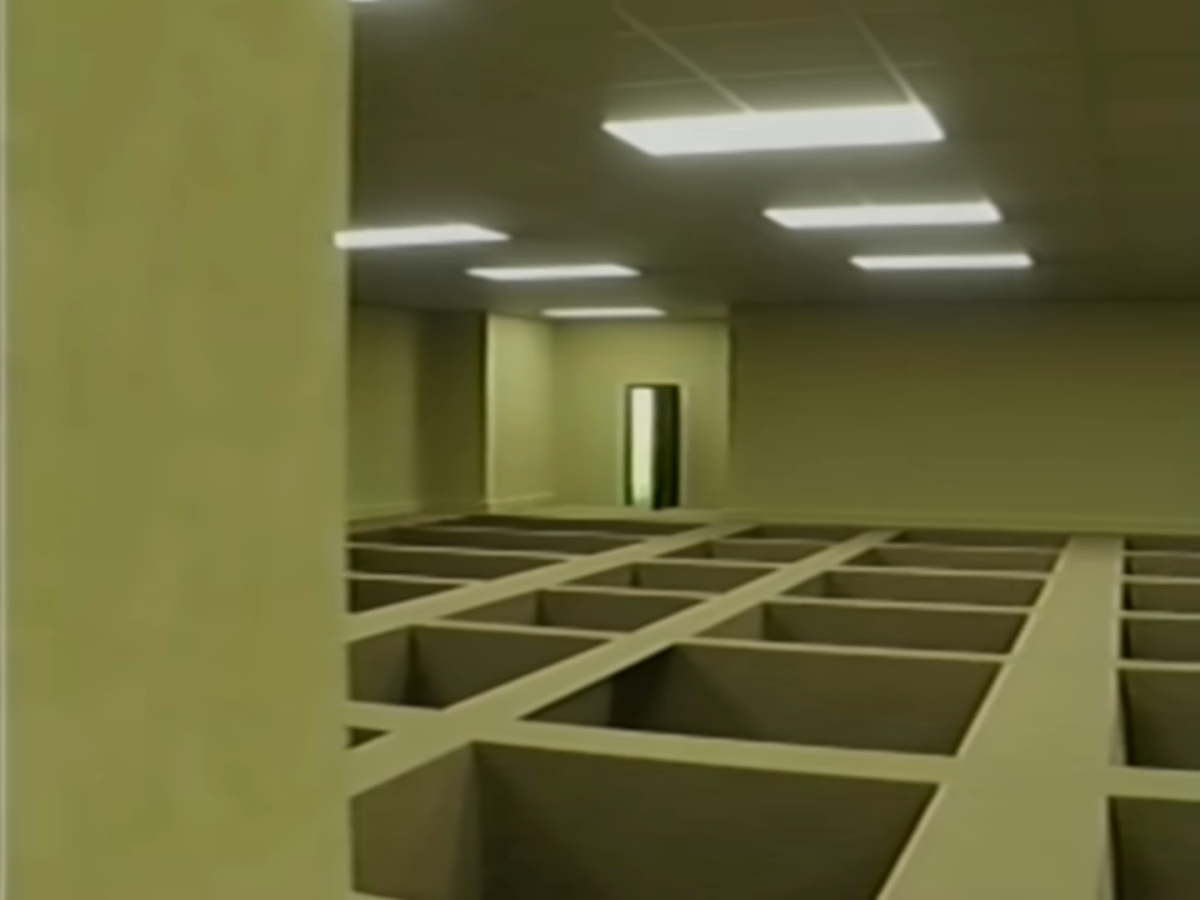
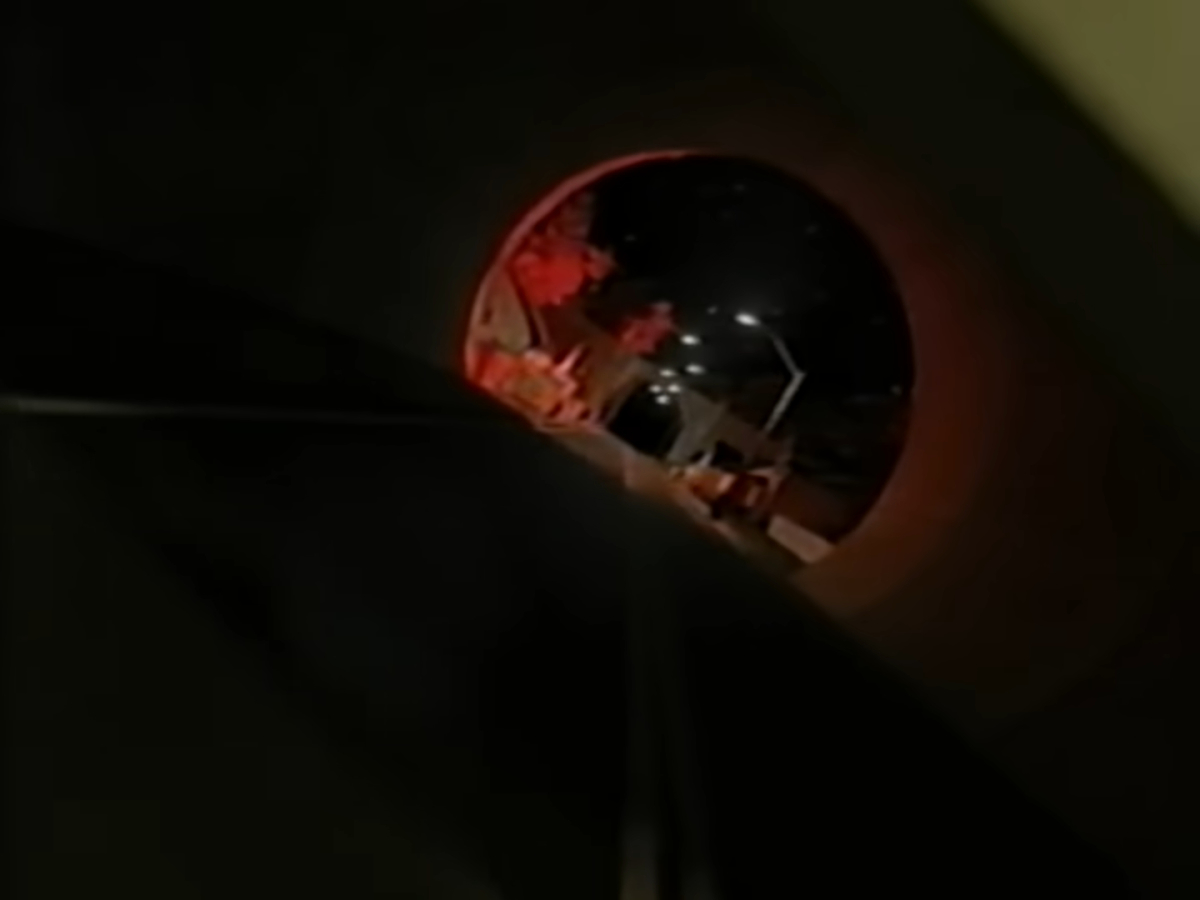
Then, in "Reunion," researcher Peter Tench, who had been declared dead, returns as a survivor in a state of disarray. This creates the main storyline's cruelest twist: a man has returned alive, but the real-world system has already erased his existence.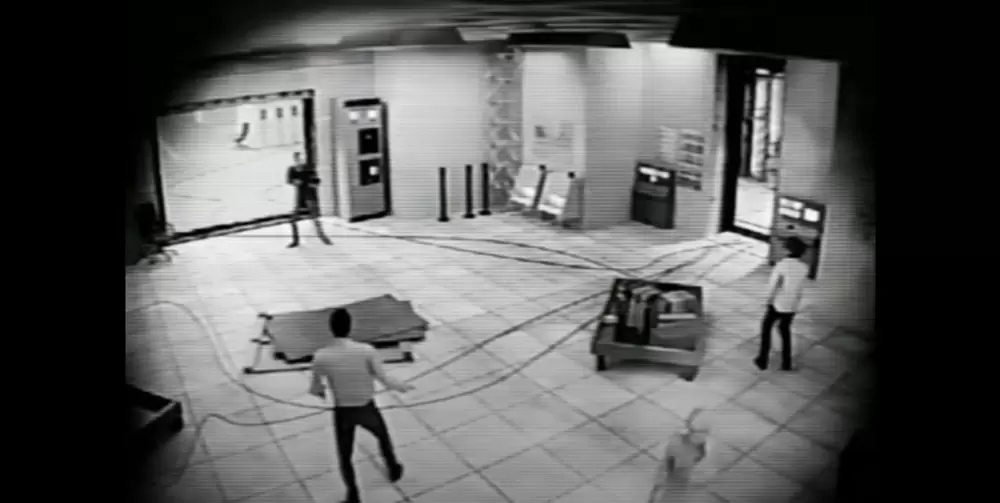
The third arc focuses on the "Civilian Victim's Experience," constructed from three found footage videos. Initially, the narrative centers on distorted spatial physics, with the camera constantly shifting through split-level floors and into vast, unexpectedly expanding rooms, completely shattering any attempt by the viewer to form a stable mental map. This spatial instability is later personified as the physical catastrophe of "no-clipping," turning an ordinary square of blue tape in a garage into an abyss that swallows the protagonist.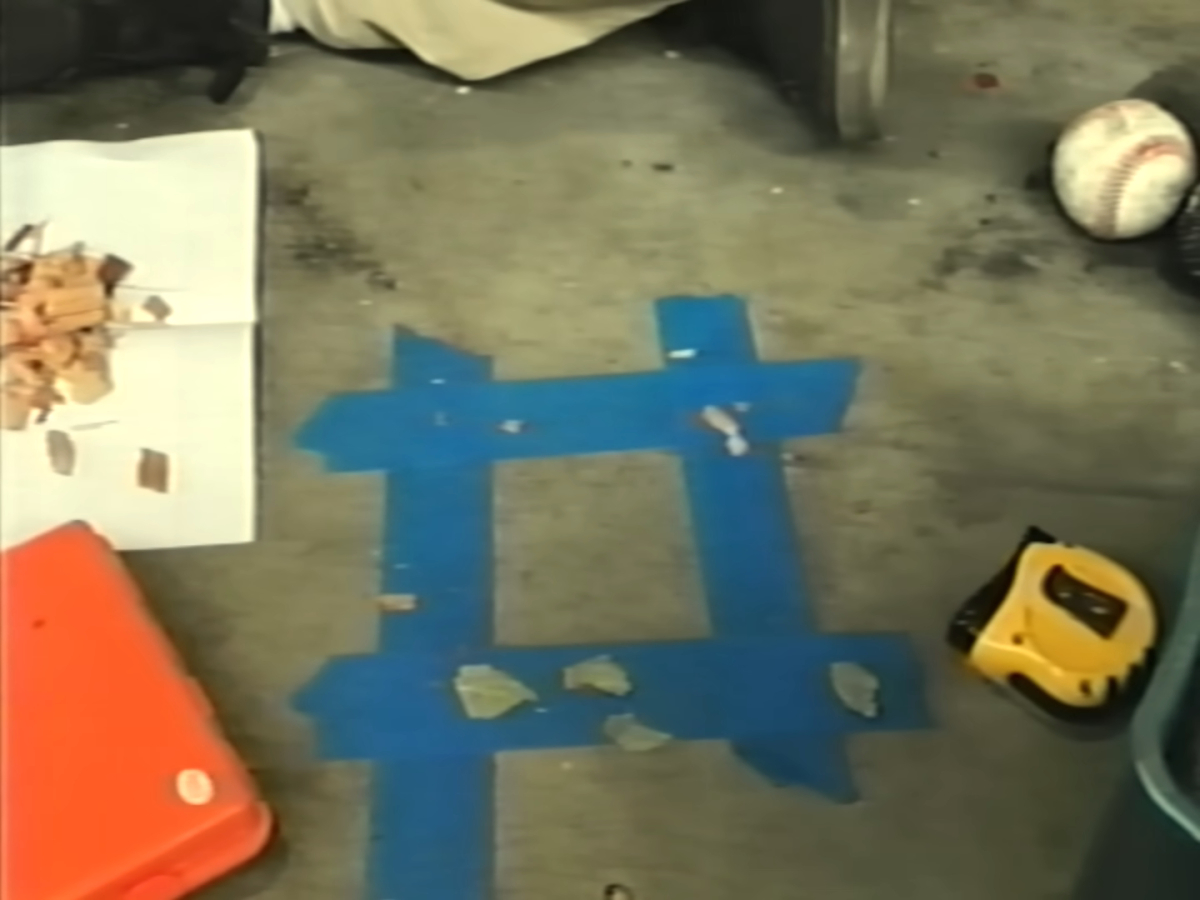
This anxiety culminates in the 45-minute magnum opus where the protagonist, Ravi, desperately navigates between a house and ruins. Here, the once-amorphous threat evolves into the up-close menace of the "Still Life" entity, which knocks on doors, breaks them down, and relentlessly pursues him. This elevates the series from its early short-film format into a structurally complete and intensely oppressive thriller novella.
What drives the audience through these arcs are the missing puzzle pieces that continuously emerge from the vast world-building, along with several key scenes that capture the precise moment reality collapses.
Visual Craft and Sonic Architecture
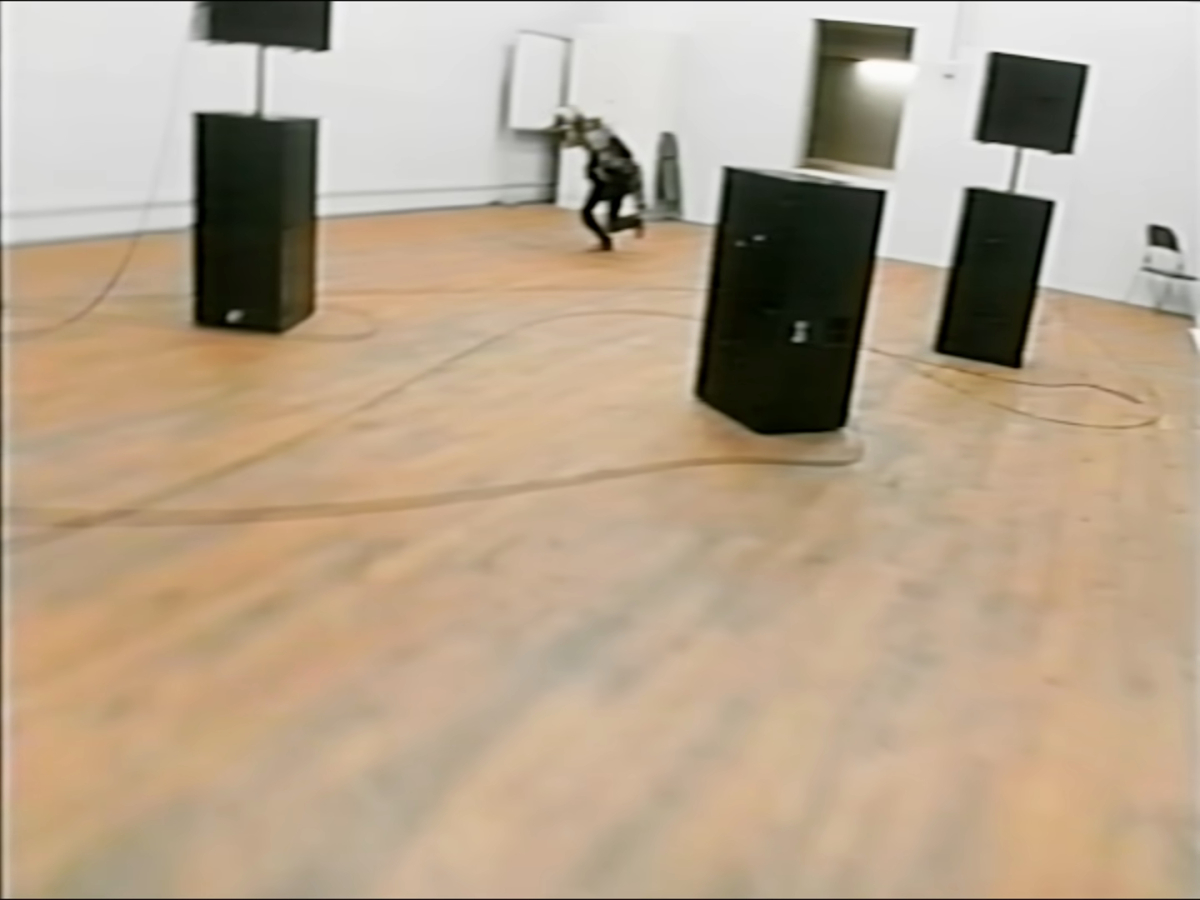
The formal success of Kane Pixels stems from his meticulous understanding of a "low-cost, high-credibility" visual grammar. Unlike typical horror films that shoot scenes and add monsters in post-production, the core of "The Backrooms" lies in first establishing the audience's trust in spatial continuity, only to systematically shatter it.
This visual logic is perfectly amplified by its 1990s setting. For Pixels, the grainy texture of analog footage not only makes visual effects appear more organic but, more crucially, leverages VHS, handheld cameras, and CRT monitors to create an asset of "information scarcity." This cleverly sidesteps modern conveniences like GPS and instant messaging that could prematurely unravel the mystery.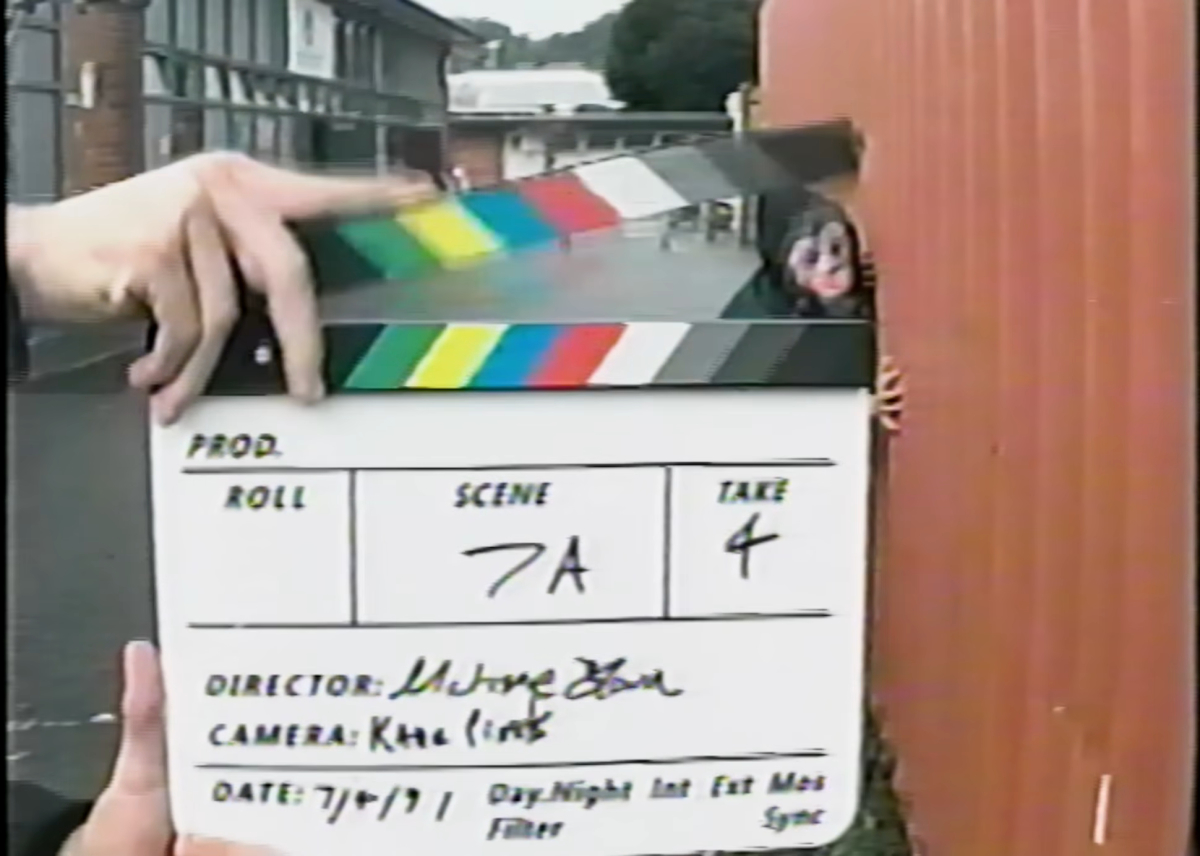
This is more than an aesthetic choice; it's an act of narrative engineering. He transforms the official tone of corporate training videos, the cold sterility of surveillance footage, and the grainy texture of slide projectors into elements with a life of their own, turning technical limitations into narrative drivers.
On the sonic front, Pixels demonstrates a philosophy of building worlds with sound. He transforms the harsh fluorescent hum and the unsettling silence of damp carpets from the original meme into a concrete acoustic design. Here, sound isn't just supporting the visuals; it's building a mental model of the space first.
Through distant thuds, disembodied voices, and audio distortion, the audience's senses are invaded by an unseen presence long before any creature appears on screen. This approach ensures that the jump scares in "The Backrooms" rely less on visual shock and more on the terrifying collapse of perceived distance and psychological defenses.
This extreme dedication to visual texture and acoustic detail is ultimately what has allowed this internet horror creation to successfully leap to the feature film dimension. Reports indicate that even after entering production with A24, Pixels has insisted on using Blender for concept art and reportedly conducted 50 different wallpaper tests just to find the perfect shade of yellow.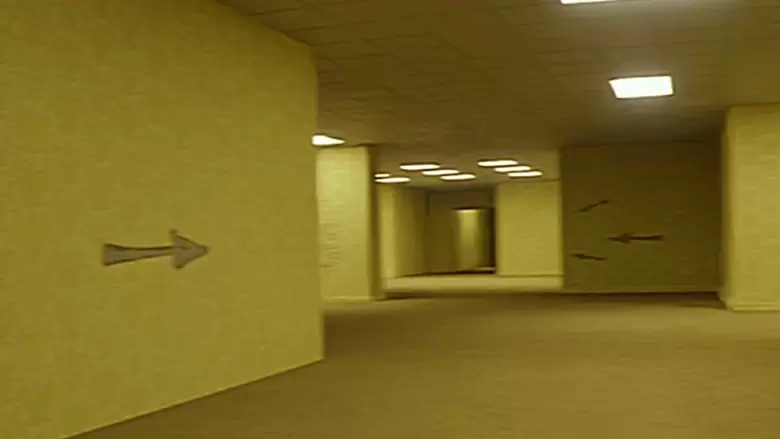
This dedication suggests that his core methodology from the YouTube era—driving fear through spatial color temperature—will almost certainly carry over to the big screen, proving that digital folklore can possess the sophisticated production capabilities to handle cinematography, spatial depth, and textural rhythm.
The Road to A24: Expectations and Challenges
Based on official information, the feature film isn't merely an expansion of the shorts but will feature a more defined narrative arc. While A24's official website remains minimalist, mentioning only a strange door appearing in the basement of a furniture showroom, subsequent reports have sketched out deeper character dynamics. This implies the big-screen adaptation will move beyond a simple "found footage" framework and pivot towards a character-driven narrative, allowing audiences to witness the descent from everyday reality into this liminal space.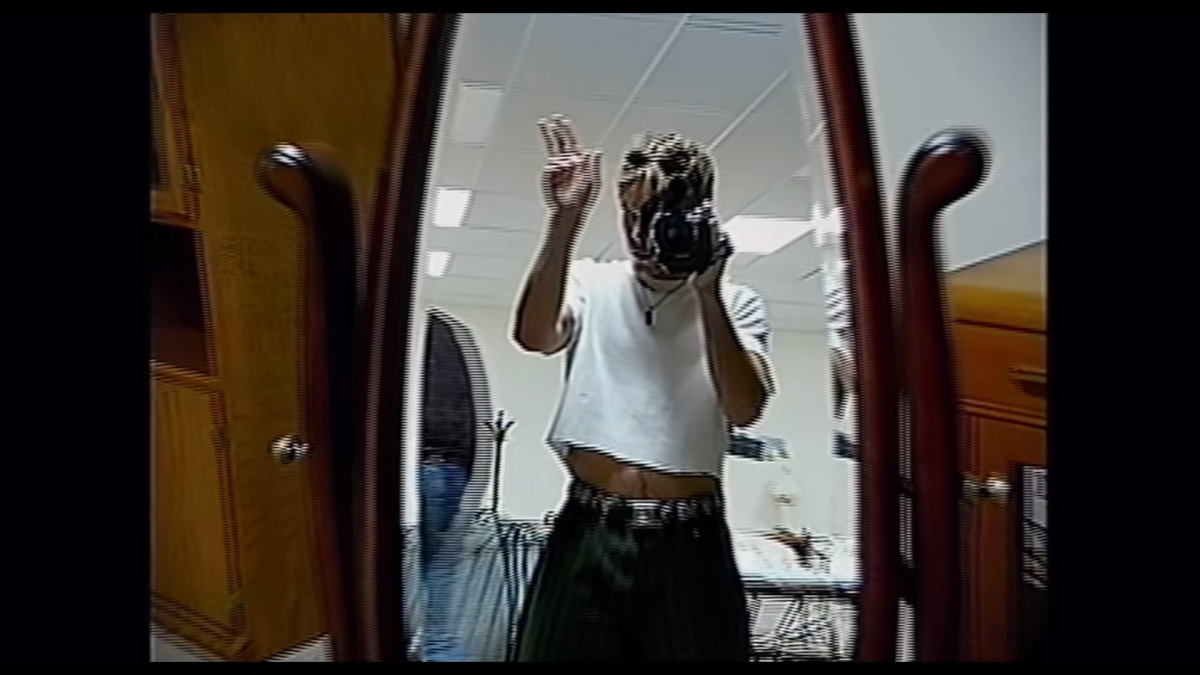
This shift in narrative focus presents the biggest challenge in the adaptation process. Pixels himself has noted that the macro-story of "The Backrooms" isn't limited to what can be conveyed through a camera lens, and the film will explore character dimensions untouched by the original series.
This shift allows the filmmaker to break free from the constraints of a purely first-person, handheld perspective, but it also risks losing the "illusion of verifiability" that made the shorts so effective. For the feature film, the critical task isn't to perfectly replicate the grainy visuals but to preserve Pixels' fundamental understanding of the space itself. It cannot be an arbitrary, ever-changing dreamscape; it must be built on a mappable, measurable, and almost constructible architectural logic. Only then can the unsettling feeling rooted in rationality endure.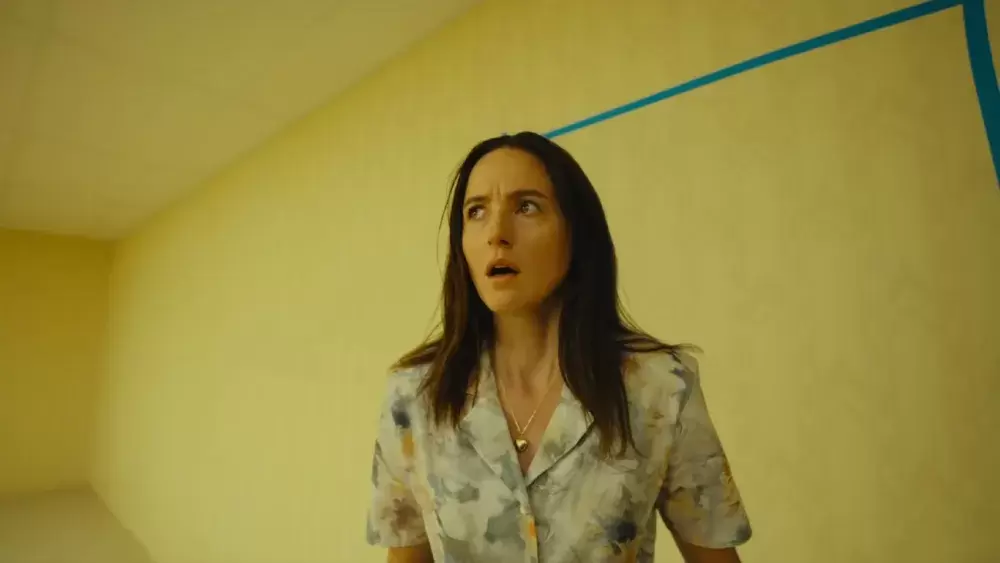
Therefore, audience expectations for the film shouldn't be about how much wiki-style lore it can cram onto the screen, but whether it can preserve the quintessential sense of tragedy and oppression from Kane's original vision. This includes Async's technological hubris in viewing an unknown space as a resource, the inseparable, parasitic relationship between the entity and its environment, and the raw tension built through sound design and texture. Most critically, the rifts in reality torn open by temporal desynchronization must remain the story's epicenter.
Based on a recent CCXP interview, Kane continues to define horror as a "sensory overload after sensory deprivation." He's carrying over his production process of pre-visualizing spaces in Blender, which has been realized as a massive 30,000-square-foot practical set designed to make the actors feel genuinely, physically lost.
These methods all point to a reassuring belief: the film hasn't abandoned its "space before explanation" philosophy. If this core aesthetic is maintained, the A24 adaptation has the potential to avoid the pitfalls of turning an internet legend into a cliché. Instead, it could successfully translate that uniquely digital-age dread into a more potent cinematic language.