

Mamoru Hosoda's animated film, "Belle" (which he both directed and wrote), didn't exactly set the Venice Film Festival alight with its premiere. After its Japanese release last November, it faced a barrage of overwhelmingly negative reviews on social media and struggled at the box office.
With the "Mamoru Hosoda: The Origin" exhibition currently running in Japan, Hosoda sat down with Shueisha Online for an interview. He opened up about his creative journey, the struggles "Belle" faced last year, and why he stopped collaborating with screenwriter Satoko Okudera after their successful run with "The Girl Who Leapt Through Time," "Summer Wars," and "Wolf Children."
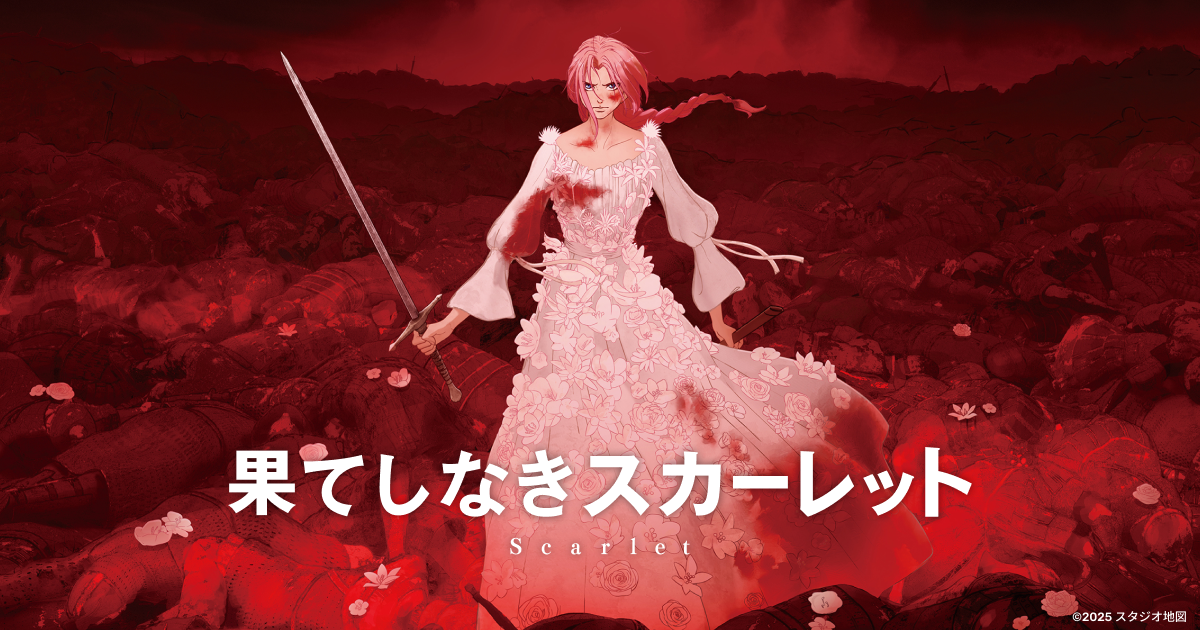
Hosoda revealed that back in high school, he actually created his own animation and submitted it to Toei Animation's animator recruitment for "Shōnen Kenya" (1984). He described its style as "quite dark." Though he was selected, nothing came of it because he was still in school.
While studying oil painting at Kanazawa College of Art, he developed a deep fascination with live-action films, eventually making over fifty of them. He believes his younger self was more pessimistic and rebellious than he is now, driven by a keen eye for truth. Even today, that desire to depict "reality" remains unchanged.
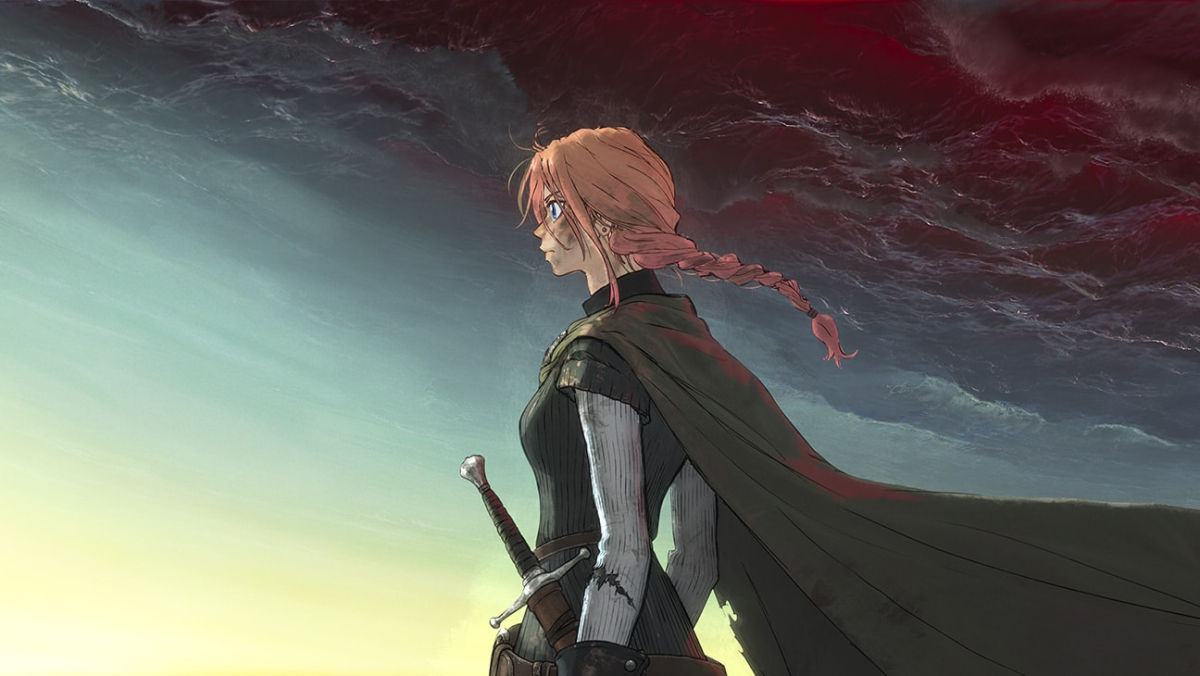
Hosoda shared that because he's had a stutter since childhood, he's always been acutely aware of language. This also pushed him to place greater emphasis on non-verbal forms of expression.
"If you can convey something with just one line of dialogue, that's easy," he explained. "But I want to slowly transmit those emotions to the audience through visuals, through movement, through time." He believes animation excels at portraying the unseen, like a soul. "Those emotions and atmospheres that are invisible to the naked eye, yet truly exist, can all be conveyed through the screen." Perhaps, he mused, his true creative origin lies in "things that cannot be expressed with words."
▼ Hosoda cited a one-minute scene of Makoto running in "The Girl Who Leapt Through Time" as an example
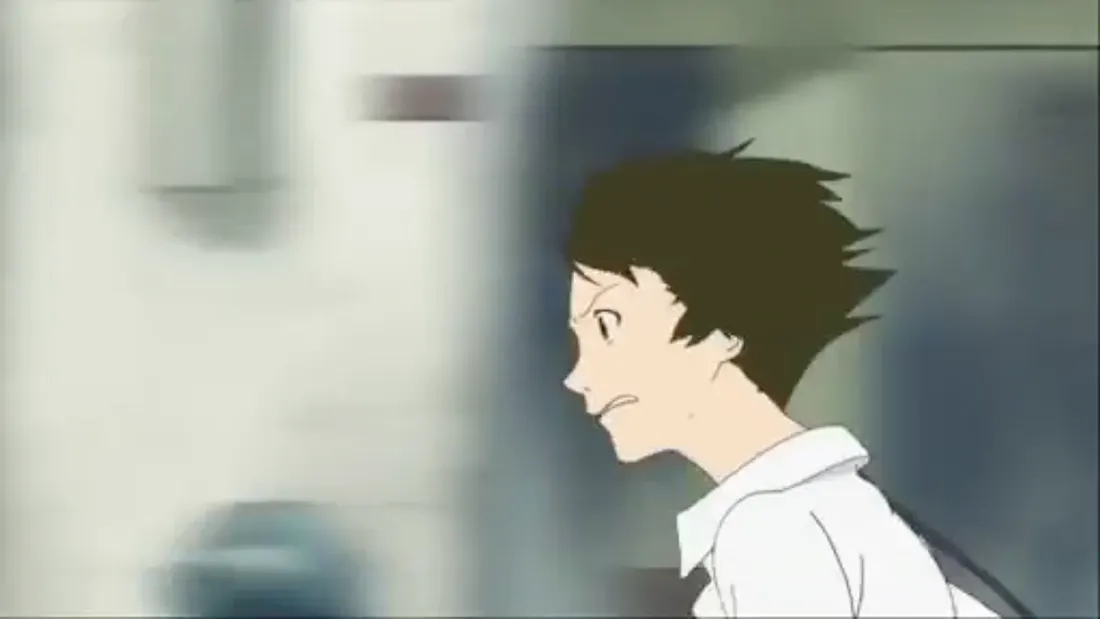
The interview also touched upon his past collaborations with screenwriter Satoko Okudera. Their joint efforts on "The Girl Who Leapt Through Time," "Summer Wars," and "Wolf Children" were all met with critical acclaim.
Hosoda explained that after "Wolf Children," he became a father, which led him to explore more themes related to family and parent-child relationships in his work. He felt that everyone's values on these topics differ slightly, and he didn't want Okudera to bear the burden of his personal writing ideas. This ultimately led to their decision to no longer collaborate.
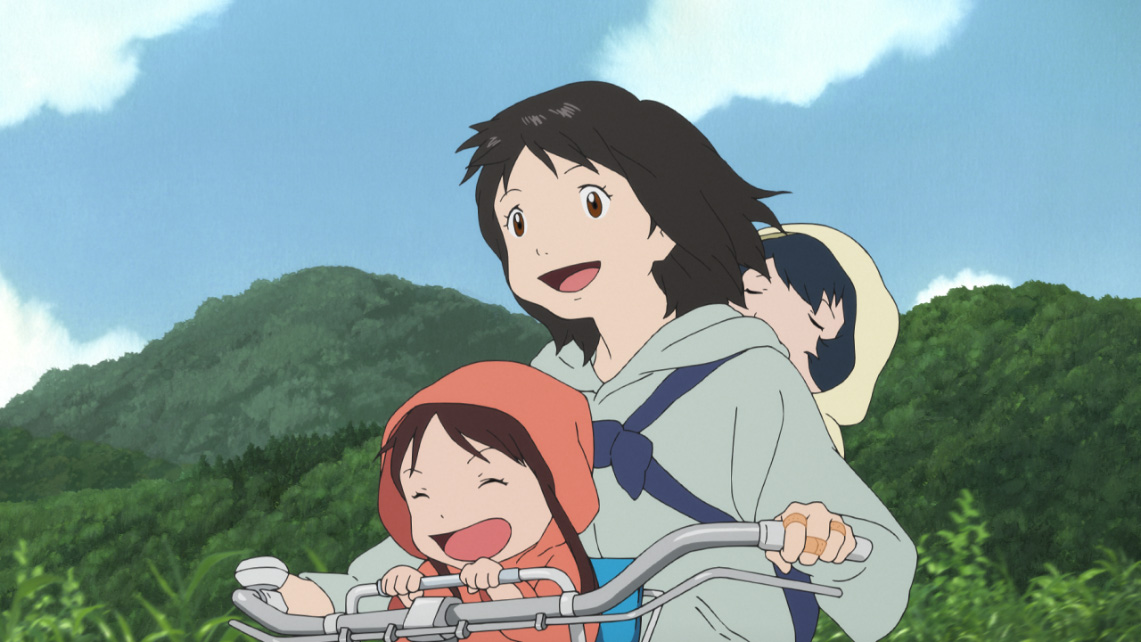
Hosoda also addressed recent setbacks, acknowledging that many might point to "Belle's" recent box office struggles. However, in his heart, he sees it as intrinsically connected to all his previous works.
"Many people ask, 'Why have you been depicting strong female characters lately?'" he mused. "But I've never been particularly fixated on characters having to be female. I've drawn plenty of male characters too." He continued, "A lot of people say, 'Mamoru Hosoda has changed.' But honestly, since middle school, I've been doing the same thing. I've always wanted those who are on the verge of being defeated not to lose, not to give up. I truly hate a society that lets those who are barely holding on just lose."
While "Belle's" performance was admittedly disappointing, Hosoda views it differently. For him, the film was at least successfully completed and released. In contrast, his biggest failure and regret in life was his involvement in the "Howl's Moving Castle" project, which he ultimately withdrew from.
Regarding online criticism, Hosoda admitted that he's always read both positive and negative reviews, even though he often claims he doesn't. He still checks out various comments to this day. However, he also stated that he isn't swayed by them, and despite this recent setback, he will continue to create films for everyone.
via: 集英社オンライン