

Veteran voice actress Yuko Miyamura, known for iconic roles like Asuka Langley Soryu in Neon Genesis Evangelion and Kazuha Toyama in Detective Conan, remains a prominent figure in the industry and has recently become more active on social media, connecting with fans.
In a recent column for the Japanese online magazine Hanasone, titled "Otaku Used to Live in the Shadows, and Voice Actors Were Treated Like Comedians...," she shared her journey into voice acting and her perspective on the evolution of anime and otaku culture over the decades, speaking as both an industry insider and a self-proclaimed "old-school otaku."
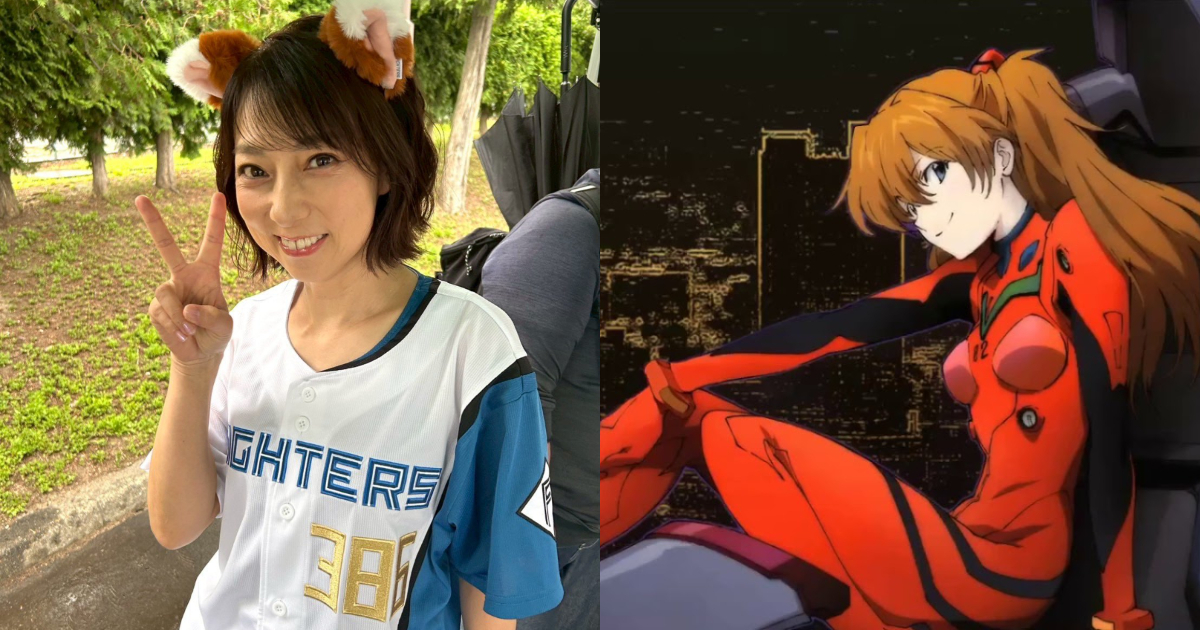
Miyamura says she's considered herself an otaku since she was a child. But lately, she's started to question that identity. "Am I even an otaku anymore?" she wonders, admitting she no longer feels confident calling herself one.
"The way people engage with their favorite media and creators today is so vibrant and dazzling," she explains. "It all looks so fun, like a completely different world from the fandom activities of the past." This shift has made her realize that maybe she's just a shy, introverted person who isn't great at socializing.
Her main point is this: the definition of "otaku" has fundamentally changed. The word no longer conjures images of people "hiding in dark corners," which she agrees is a positive development.
Still, for someone like her who's "starting to need reading glasses," there's a certain nostalgia for the old days. "Does anyone else feel the same way?" she asks.
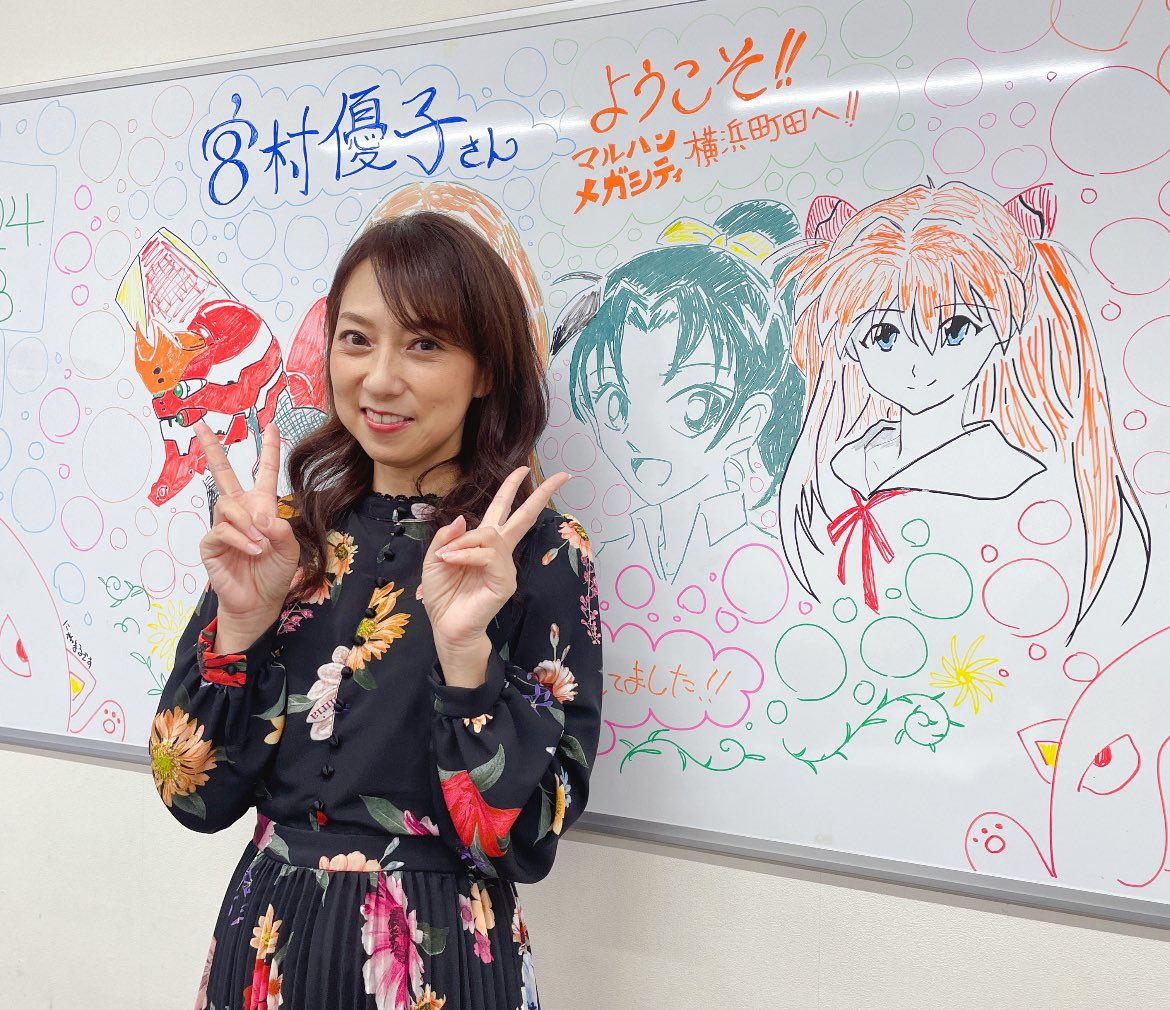
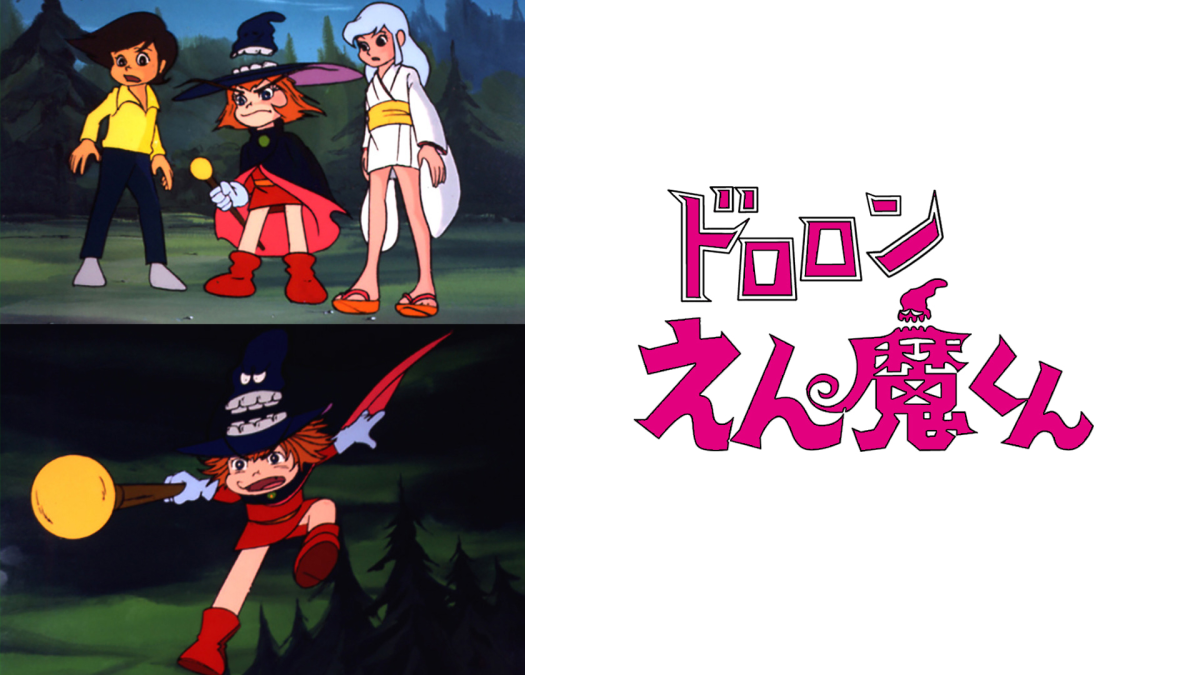
Born in 1972 and raised in the Kansai region, Miyamura grew up watching anime reruns on TV every evening, which is how she fell in love with the medium. Her first crush was a character from Go Nagai's Dororon Enma-kun.
In the 1980s, thanks to her older brother reading Weekly Shonen Jump and Weekly Shonen Sunday, she was introduced to manga-turned-anime hits like Captain Tsubasa, Saint Seiya, Touch, and Urusei Yatsura. This was the era when anime began to evolve from "kids' programming" into entertainment for middle schoolers, high schoolers, college students, and even adults.
In her eyes, manga artists were the ultimate masters of the "otaku spirit"—revered figures who were like the grandmasters of an "Otaku Religion" (laughs).
▼ Dororon Enma-kun
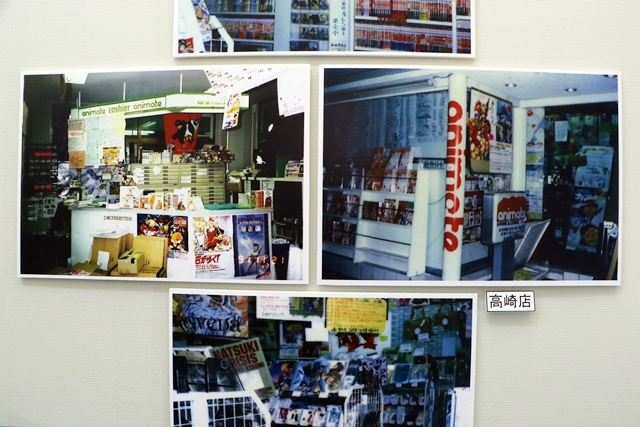
As fans' devotion grew, so did the demand for merchandise, leading to the rise of specialty stores like Animate. However, walking into an Animate back then took serious guts. The stores weren't on bright, busy streets; they were often tucked away in the dark corridors of obscure buildings.
She recalls being followed by a creep on her way home after buying stills and pencil boards featuring art by Saint Seiya's character designer, Shingo Araki. The merch she managed to buy was treated like sacred relics, displayed and worshipped daily.
"But... if anyone found out you were a follower of the 'Otaku Religion,' you'd be treated like a heretic! You'd be persecuted! You might even be forced to step on your Saint Seiya pencil board to prove your loyalty to the mainstream!" she says. "So, I had to hide them at the very bottom of my drawer. Seriously, that's how 'fringe' anime was back then."
▼ Animate stores in the late '80s and early '90s weren't the bright, shiny places they are today.
Besides anime fans, there were many other "sects" in the subculture world: sci-fi fans, train enthusiasts, computer geeks, tokusatsu fans, and more. She considered those who dared to openly express their passions without caring what others thought to be "true otaku" and incredibly cool.
As for herself, she was a timid otaku, sneaking around just to buy the merch she loved. "I was so frustrated back then. I just wanted to bring my Saint Seiya pencil board to school without being judged!" The same went for doujinshi, which everyone read in secret, using code words like "thin books." It was an unspoken rule that you absolutely could not let outsiders find out. "Observing this rule was basic etiquette for every otaku."
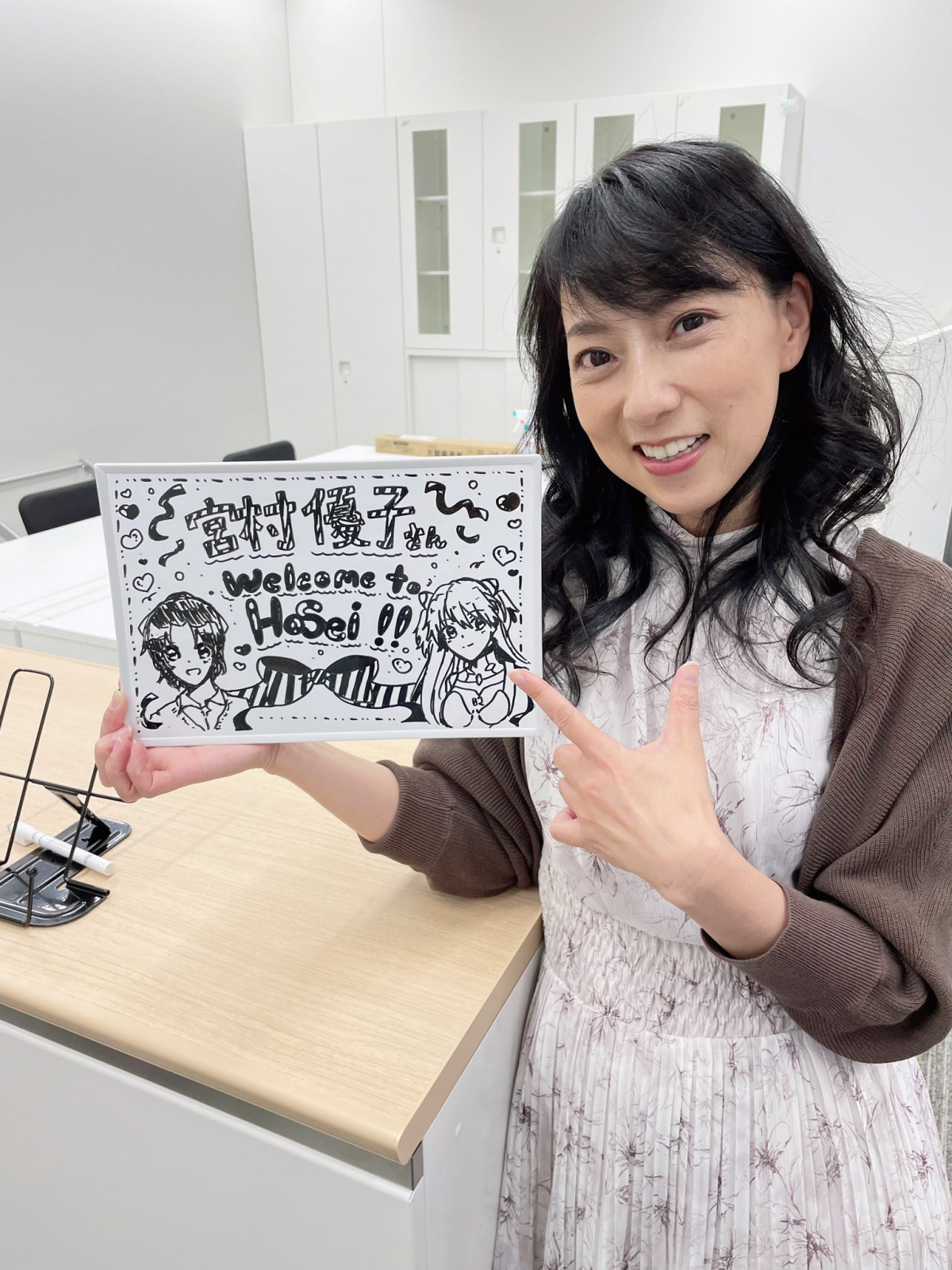
By the early Heisei era, many anime series had moved to late-night slots, and the subculture scene was booming. The massive success of Studio Ghibli films also introduced anime to people who didn't typically watch late-night shows. It was around this time that Miyamura began her career as a voice actress.
▼ Roles like Asuka in Neon Genesis Evangelion and Hinagiku Tamano in Wedding Peach were foundational to Yuko Miyamura's fame.
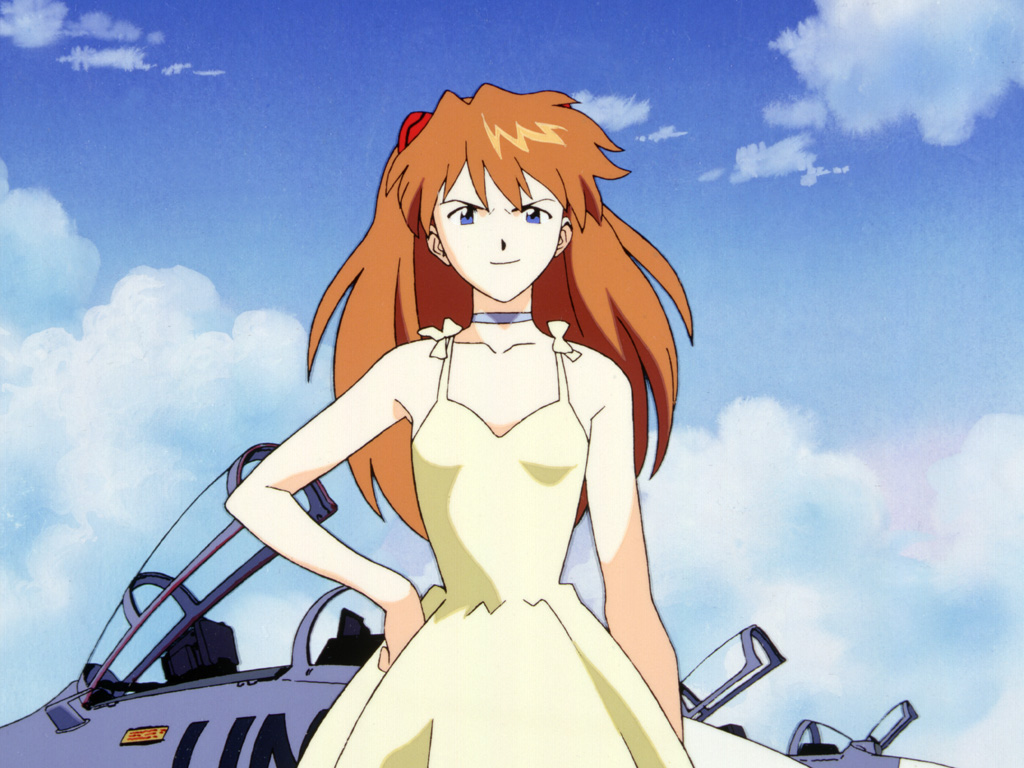
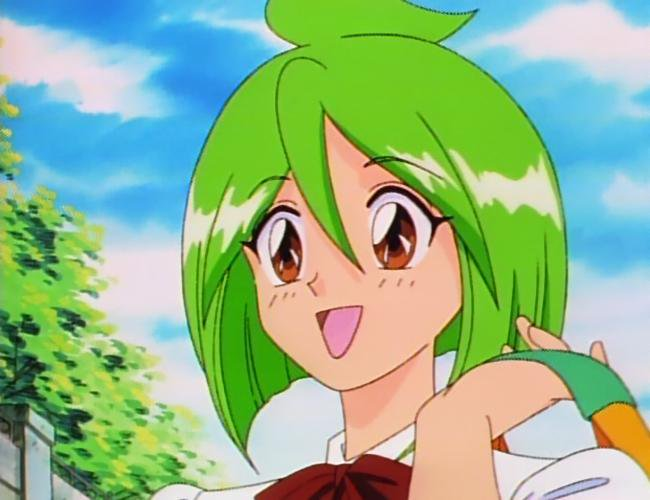
But... anime was still a niche culture. Whenever she appeared on mainstream variety shows, voice actors were treated like exotic animals. "The hosts would talk down to us, use us for cheap laughs, and mock otaku, introducing anime fans with a discriminatory tone as 'comedic relief'."
She recounts one particularly bad experience when a media outlet interviewed her for a public radio show she was hosting. They claimed the story was about the "recent boom in anime radio." The final broadcast, however, was a total shock. The segment had been twisted into a feature on "tech addiction," portraying otaku culture as a pathological condition.
Another time, a famous variety show invited her on. During the planning meeting, the director excitedly said, "Let's all make fun of otaku! The audience will find it hilarious!" Miyamura thought to herself, "Do people in television have a habit of bullying others?" She refused the pitch, and the production team promised to change it. But when she arrived for the taping, she discovered she'd been tricked—the concept was exactly the same. She ultimately demanded her segment be cut from the broadcast. "For a long time after that, I had a deep-seated trauma about the television industry."
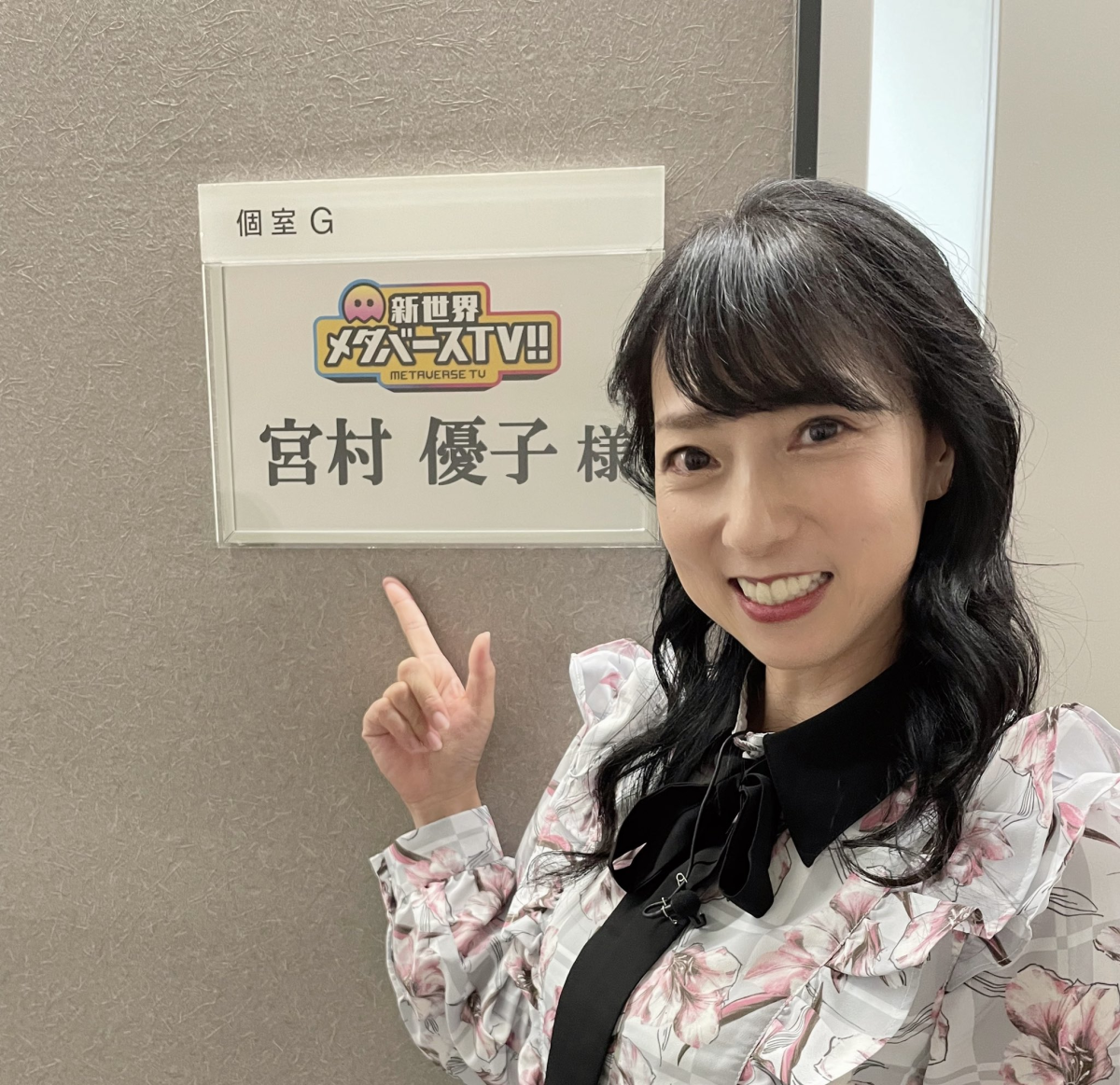
"But don't worry," she reassures readers. "Nowadays, more and more celebrities openly admit they love anime, and many people working in TV are fans themselves. People have started to genuinely respect voice actors and understand anime culture. The work environment has become much more welcoming, and I feel like we're living in a happy era."
However, otaku culture used to be a subculture. Fans knew they were outside the mainstream and were careful not to bother others. Now that it's becoming mainstream, an old-school otaku like her, who spent years living in the "shadows," can't help but feel a little concerned. "I feel like everyone has become a little too unrestrained," she muses.
"For example, cosplayers doing photoshoots in incredibly revealing outfits, or unnecessary breast and butt jiggle being added to anime scenes—these things have become commonplace. Is Japan really okay with this?" she jokes.
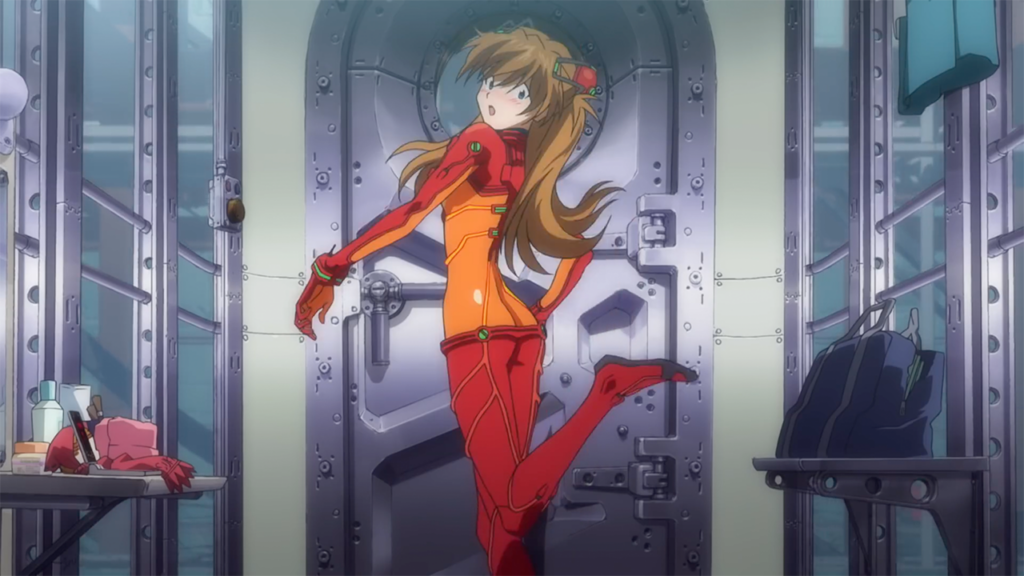
She acknowledges that people are now desensitized to this kind of explicit content and don't see it as a big deal. "As someone who sounds like a nagging mom, I can't help but worry a little," she laughs. Still, she fully supports people finding joy with like-minded friends.
Her concern is that many people now operate on a "it's okay because everyone else is doing it" mentality. "In the past, even if you were alone, even if people called you creepy and you had no one to share your passion with, you stuck with your hobby. We knew we were in the minority, and because of that, we naturally had a sense of boundaries."
"So I can't help but wonder if it's time to bring back a little of that 'less is more' aesthetic," she concludes. "And that's the end of this old-school otaku's rant."
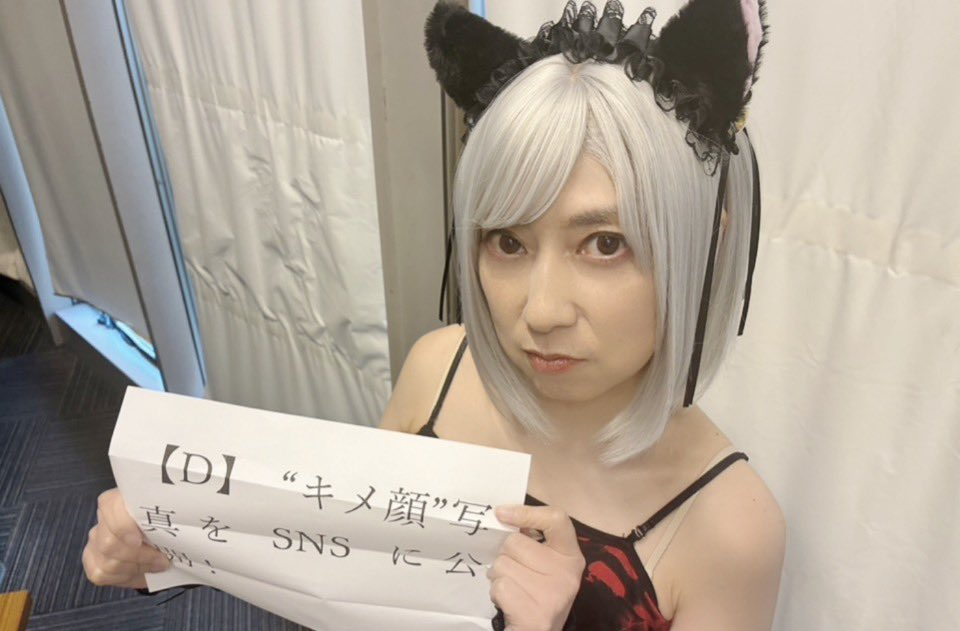
Miyamura's reflections offer a fascinating look at the evolution of otaku culture through her personal journey—from a fan in the shadows to a voice actress at the heart of the industry. While it's her own perspective, it vividly illustrates the dramatic shift in Japanese anime culture over several decades, from a hidden hobby to a mainstream phenomenon.
For modern fans, the distinction might not seem so stark, but from her vantage point, the change has been so immense that she feels things might have become a bit *too* open. XD
via: X@宮村優子