

The light novel series "The Ryuo's Work is Never Done!", written by Shiro Shiratori and illustrated by Shirabi, is a shogi-themed work beloved by many fans. Its final 21st volume was released this year, bringing the series to a close. Shiratori, the original author, previously revealed that "Ginko was originally set to die", and his explanation on his personal X account garnered significant attention.
On September 9th, the birthday of the main heroine Ginko Sora, Shiratori posted about and unveiled the "Ginko Death Route" plot draft from back in the day. This was content planned in 2015, before the series even began publication, and before the title was finalized. This marks the first time he's revealed details of this draft.
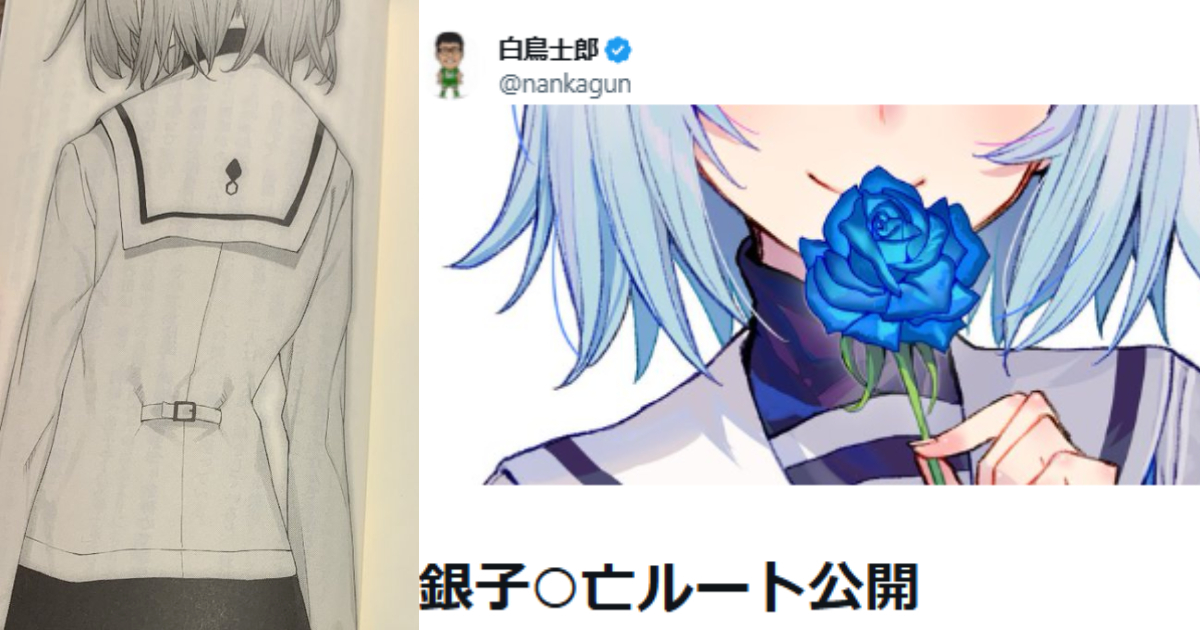
Shiratori stated that the first plot draft was written in 2011, and the first volume's initial manuscript was completed in June 2014. At that time, even the character names were different from what they are now, with only the "senior disciple" consistently being named Ginko Sora. Furthermore, the title that Yaichi was aiming for wasn't "Ryuo" (Dragon King) but "Kisei" (Chess Saint). Even the series' own title was "Aigakari" back then, only officially changing to "The Ryuo's Work is Never Done!" in 2015.
As for the very last scene of the entire series, I only finalized it in August 2015, right before the first volume was published. At that time, I was just thinking, "It would be great if I could write all the way to this point."
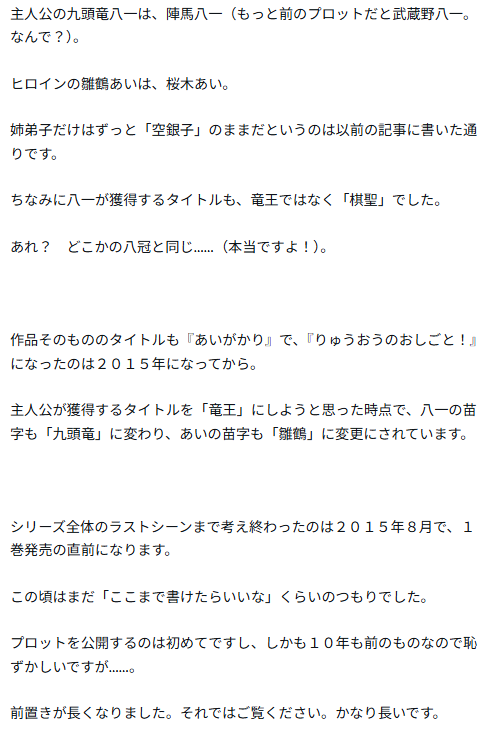
Below is a translation of Shiratori's post. Please excuse any inaccuracies or awkward phrasing:
【Ginko Death Route - Plot Draft】
●Volume 8: "3-dan League (Part 1)"
※Corresponds to Volume 11 in the actual published series.
The Queen's match, with Ai as the challenger, ended with Ginko winning three straight games. Just as she declared, "It'll be over before it gets hot," the match concluded before summer arrived. Ginko displayed overwhelming strength, but when she first challenged the 3-dan League, she found herself in a tough struggle.
Ginko began to experience recurring fevers of unknown origin. She actually had a predisposition to this, but the symptoms worsened after she was promoted to 1-dan. She hadn't told anyone because she believed her physical condition would be a weakness as a shogi player. "I used to just think it was because she had fair skin, so she was more sensitive to heat..." Yaichi felt ashamed for not having noticed this sooner.
On the first day of the 3-dan League, Ginko lost two consecutive games. After the matches, she only sought help from Yaichi. Ginko, living alone in her apartment, lay painfully asleep on her bed. While caring for Ginko, Yaichi discovered her notebook filled with game records in her room. Looking through the notebook, Yaichi recalled the day he first met Ginko, their life together as live-in disciples, and the challenging "Shōreikai" (Apprentice League) era. It would also depict her days spent with seniors and peers during the 3-dan League period. Even though it was harsh, it was also full of joy.
The 3-dan players who appeared in flashbacks like the "Shōreikai Trip" would become obstacles for Ginko in the next volume.
●Volume 9: "3-dan League (Part 2)"
※Corresponds to Volume 12 in the actual published series.
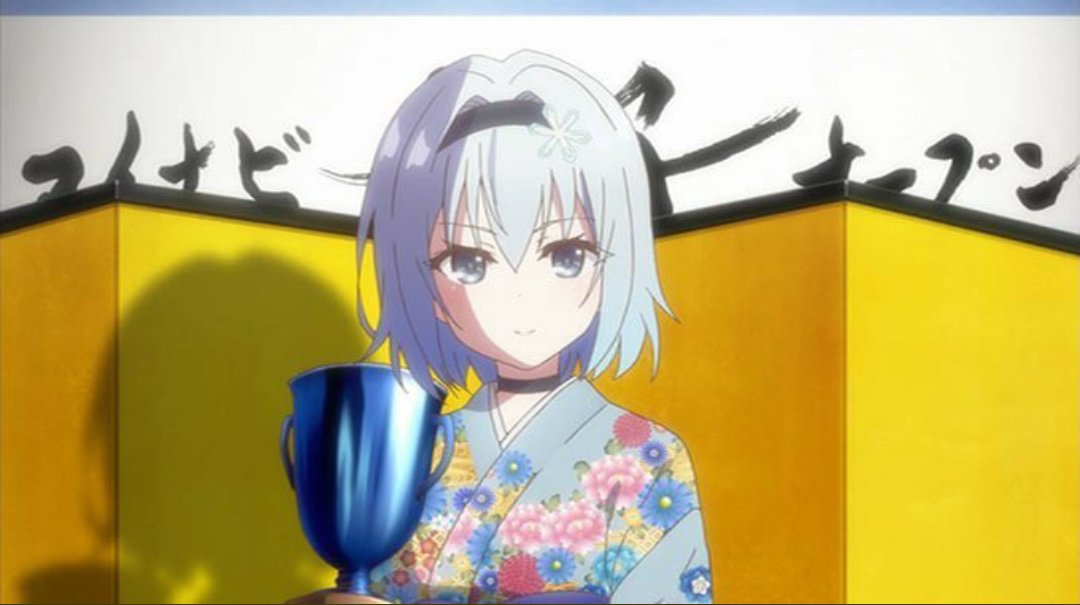
Ginko's condition gradually improved, and she began to win game after game. The 3-dan League turned into a rare, chaotic battle, leading to all sorts of dramatic developments. On the final day, Ginko secured a victory in Tokyo, becoming the first female professional shogi player in history. However, after the match, she suddenly lost consciousness and never woke up again. In her final moments, Ginko murmured shogi moves, stopping at "2-7 Silver."
That was the game record from her very first match with Hachiichi. (When Ginco first played Hachiichi and lost, she meticulously recorded the entire game. In the previous episode, while Hachiichi was looking after Ginco, he saw this game record notebook, which then became the starting point for this flashback arc.) Due to purpura, large, bruise-like patches covered Ginco’s body, as if she had been severely beaten. She was, in essence, covered in wounds. If it had been discovered earlier, this wasn't a fatal illness.
However, Ginco feared being banned from the Shogi promotion league (Shoureikai), so she kept her condition a secret. When Ginco’s parents saw their daughter after her death, they simply told her, "You don't have to fight anymore." Ginco's death also created an opportunity for a Shoureikai member, who would have otherwise been next in line, to be promoted. Yet, the Shoureikai members unanimously decided to refuse the promotion. The member who ultimately withdrew from the Shoureikai because of this said, "As a shogi player, I might already be dead. But at least I haven't lost my life because of it. We lost to Ginco, who truly fought with her life on the line."
After Ginco’s funeral, the Shoureikai members gathered. The member who decided to withdraw bid them farewell: "Soon, the next battle will begin. Those painful, harsh, yet irreplaceable youthful years... I don't like the phrase 'do your best.' So, until the very end, fight in your own way."
Afterward, Hachiichi received a letter from Ginco’s mother. The letter began: "It's too painful. I still can't bring myself to meet and talk to you, so I'm writing this letter instead."
The letter mentioned that whenever Ginco returned home, she always talked about shogi and her younger "disciple" who was older than her. It concluded: "The days she spent with you were the entirety of our daughter's short youth. Thank you for always being there for her. We, along with our child who has returned to the heavens, will forever cheer you on."
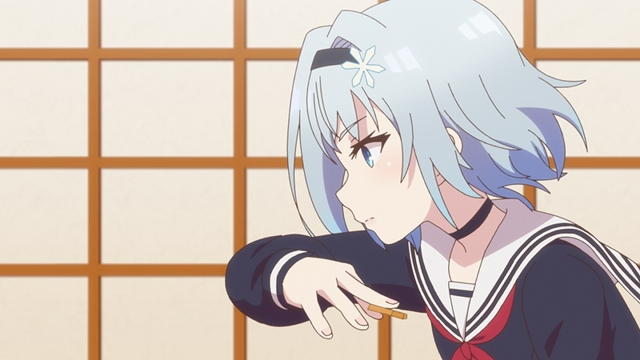
From then on, Hachiichi’s shogi style completely transformed, as if he had become a different person. The Dragon King (Ryuuou) match, starting in October, featured a challenger specializing in the "corner exchange" opening. As Hachiichi placed his pieces, he picked up a silver general (ginshou), his hand pausing for a moment. He then gently placed the silver general on the board, as if cherishing something precious.
Dragon King Match, Game 1.
The draw determined Hachiichi would play second. Facing the first player's opening move of "7-6 Pawn" (opening the corner file), Hachiichi pondered for a moment before playing "4-2 Silver." This was a move that stunned everyone. The silver general shone brightly in this game, and Hachiichi secured an overwhelming victory before noon on the second day. The challenger had no room to maneuver, his face pale, trembling rigidly before the board. Ultimately, Hachiichi successfully defended his Dragon King title with overwhelming power, giving the challenger no chance whatsoever.
The way he won that match was so brutal it was like a massacre. From then on, people began to call Hachiichi by a new title: "Demon King of the West." The first arc ends here.
(Note: "Senior Shoureikai member"... The name hadn't been decided at this point; it later became Hayato Kagami. Sota Kuno didn't exist yet. After all, Sota Fujii became a 4-dan in 2016, so of course, he hadn't appeared yet (lol).)
●Episode 10: "Part 2: The Longest Day in Shogi History"
*Corresponds to Volume 14 in actual publication
Four years later. Having become the first Eternal Dragon King, defending the title for seven consecutive terms, and holding multiple other titles, Hachiichi had truly become the undisputed top player in the shogi world. Ai, Ten'i, Keika, and others were also active in the women's shogi world. After Ginco's death, women's shogi entered a "Warring States period" with various factions vying for dominance.
Among them, Ai and Ten'i had claimed the Queen (Joryuu Ouza) and Women's Throne (Joryuu Meijin) titles, respectively, becoming the two giants of women's shogi. Ai, now in her third year of junior high, began considering high school. She told Hachiichi that she planned to move to Tokyo for high school. "I'm going to Tokyo. And I'm going to take the Shoureikai exam."
Hachiichi opposed her decision. But Ai refused to back down. She believed that to make Hachiichi, who had lost Ginco, notice her again, she had to reach the same heights as Ginco. Hachiichi opposed her taking the exam, even threatening to "expel her from his tutelage."
However, Ai found another master and insisted on taking the exam, ending her six-year apprenticeship. By March, Ai was set to take the Shoureikai exam in Tokyo. And in that same March, Hachiichi, who had become an A-class player, faced his final ranking match, commonly known as "The Longest Day in Shogi History." The Shogi Federation decided to hold the final A-class ranking match on the same day that Ai, a women's title holder, took her Shoureikai exam. The examination process would also be broadcast online and on television.
After a fierce battle for the right to challenge the Meijin, Yaichi was defeated and missed his chance to become the challenger. On the same day, Ai, who took the Shogi Promotion Exam, passed her 1-dan test with special qualification.
(Note: While the plot outline for up to Volume 15 has already been drafted, this summary will only cover the main points. The following outline is based on the overall plot structure notes from August 2015.)
Ai and Ten'i's Final Showdown
Ai and Ten'i, using completely different approaches, will both try to free Yaichi from the shackles left by Ginko.
Ai's method is to stand on the same stage as Ginko. She wants to become a professional shogi player, to stand shoulder-to-shoulder with Yaichi, and to sit across from him as an equal opponent. Through shogi, she aims to be forever connected to Yaichi.
In a way, this is her attempt to win Yaichi's love, even if it means becoming Ginko's replacement. She wants to use her shogi prowess to push Ginko away from Yaichi and claim that spot for herself. For Ai, shogi and love are two inseparable sides of the same coin. It's not a question of "which is more important."
Ten'i's approach is different. Her love for Yaichi, in some ways, even surpasses her love for shogi. Ten'i, who initially escaped into the world of shogi because she yearned for a connection with her parents, found her ultimate goal change to "winning that person's love" after meeting someone she loved more than her parents. She doesn't actually need to play shogi.
The only reason she can't truly abandon shogi is because her bond with Yaichi was forged through it. Ten'i wants Yaichi to prioritize her, not shogi. Therefore, her actions towards Yaichi deliberately exclude shogi. She wants to show Yaichi that "there are many, many kinds of happiness beyond shogi."
That's why she chooses to live with Yaichi and can't forgive Ai for willingly leaving his side. Ten'i even aims to defeat Ai in shogi to crush Ai's beliefs. "You talk as if you're so great, but you're actually weaker than me, aren't you?" Ten'i's talent originally far surpassed Ai's. However, Ai's passion for shogi fueled her efforts, ultimately allowing her to surpass Ten'i in skill.
This is the difference between them. One constantly thinks about shogi because she loves it; the other gradually begins to hate it. The two face off in the finals of the Rookie King Tournament.
This marks the first time in history that a female professional shogi player has faced a Shogi Association trainee in the finals. After a full-length, incredibly intense match, Ai emerges victorious.
After the match, the two reconcile.
"Snatching Yaichi back from Ginko? That's going to be way harder than beating me, you know?"
"Yeah, I know. But I'm definitely going to win."
They didn't sleep together, but instead chatted through the night in the same room. Having lost to Ai, Ten'i decides to entrust Yaichi to Ai, leave shogi behind, and go abroad. This is also her way of saying goodbye to her past self, who hid in shogi and closed off her heart, and embracing a new challenge.
Yaichi tries to stop her. But Ten'i asks, "Will you come with me? To a country without shogi?" Facing Yaichi's hesitation, she smiles and says, "I knew it." Then she adds, "Be honest with yourself, Master," before turning and leaving.
Ten'i had seen through him all along. Yaichi, who had been bound by the guilt of "Is it a sin to forget Ginko and find happiness for myself?", had already been drawn to Ai.
The Final Scene
In the end, Yaichi and Ai will once again sit down to play shogi, just like in the first volume. When he returns home, Ai is already waiting in the room, just as she was when they first met.
(Alternatively, it could be that she's waiting for Yaichi at the shogi board during her first official match as a professional player—a title match? The Ryuo match?)
"If I win, please let me be your disciple."
"And if I win?"
"Then we'll just keep playing until I do!"
As Yaichi picks up the silver general piece, a pang of pain strikes his chest. But at the same time, he feels that the pain has begun to heal, just a little. All this time, Yaichi had been tormented by the question: Ginko is gone, so is it okay for him to forget her and find happiness alone? His friends who left the shogi world after their defeats are gone, so does he even deserve to be happier than them?
But perhaps now, he could finally break free from those shackles. Whenever shogi left him feeling exhausted and pained, it was always Ai who reminded him of the game's joy. Yaichi finally realized—
That happiness, too, could be found within shogi.
●Last Scene 2
This was a scenario akin to an epilogue or "what-if" future.
The story unfolds on Ginko's memorial day. Initially, someone calls out, "Teacher Kuzuryu!" But it's not Yaichi they're addressing. It's Ai, who married and changed her surname years later. Ai continuously takes on disciples, almost all of whom become live-in apprentices.
So, in the eyes of the neighborhood, the Kuzuryu household has become an "extraordinary large family." Tenei, who had once gone overseas, also returns for a visit. By this time, Tenei has become a doctor, and she teaches children shogi at the hospital.
However, Shiratori Shirou also mentioned that he reread it himself after a long time. After a careful look, he still felt the structure itself was quite beautifully written. Of course, the story suddenly jumping from Ginko's death directly to four years later felt "too typical," and he had some resistance to it...
That said, anyone could probably guess the subsequent developments of this structure. It was simply too neat and tidy, completely within the bounds of "this is probably how it'll end." And precisely because of that, he felt it was truly a blessing that Ginko ultimately didn't die.
This plot draft didn't yet include the rapid rise of shogi AI or the active presence of Reiwa-era players, epitomized by Sota Fujii. "The Ryuo's Work is Never Done!" only truly began its in-depth interviews with the shogi world after the first volume was published. Incorporating the results of those interviews into the work gradually expanded the story's scope to a degree unimaginable a decade prior.
Because the ending point of "Ai challenges Yaichi" was decided early on, the entire story barely managed to avoid collapsing midway... or did it?
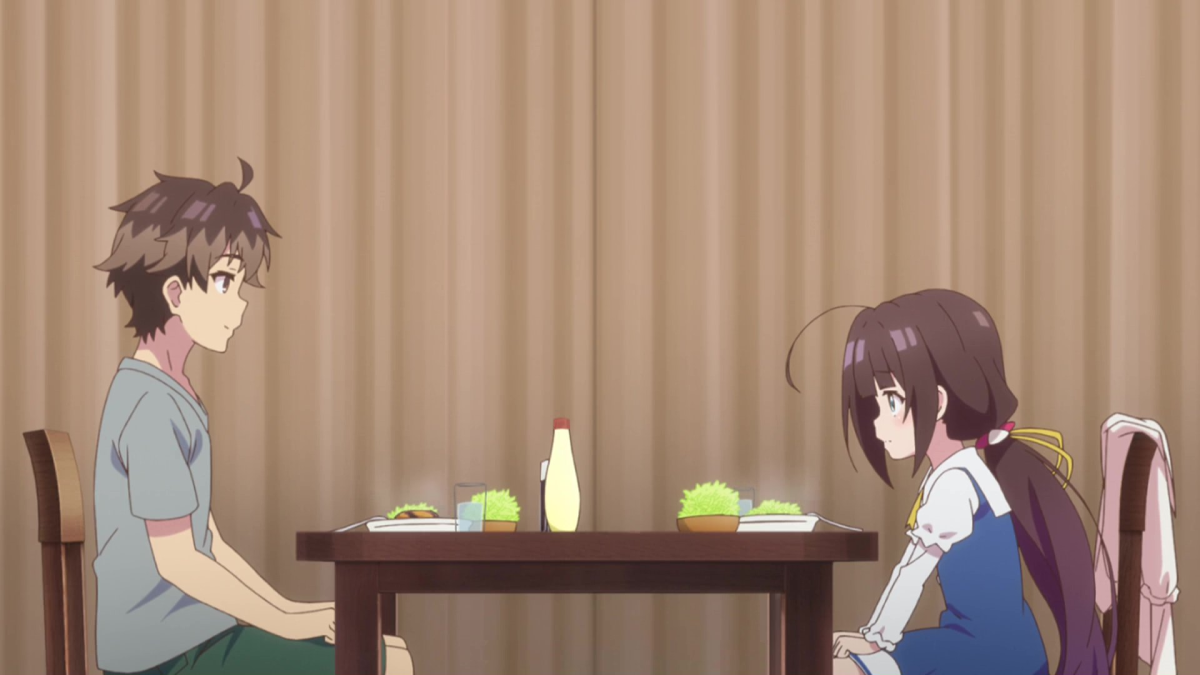
This also sheds light on the content Shiratori Shirou had planned before the light novel "The Ryuo's Work is Never Done!" even began, and how his approach evolved after interviewing the shogi world. Of course, now that the series has reached its most satisfying conclusion, free from the "too typical" plot he mentioned, it must be a redemption for both fans and the author.
via: X@白鳥士郎