

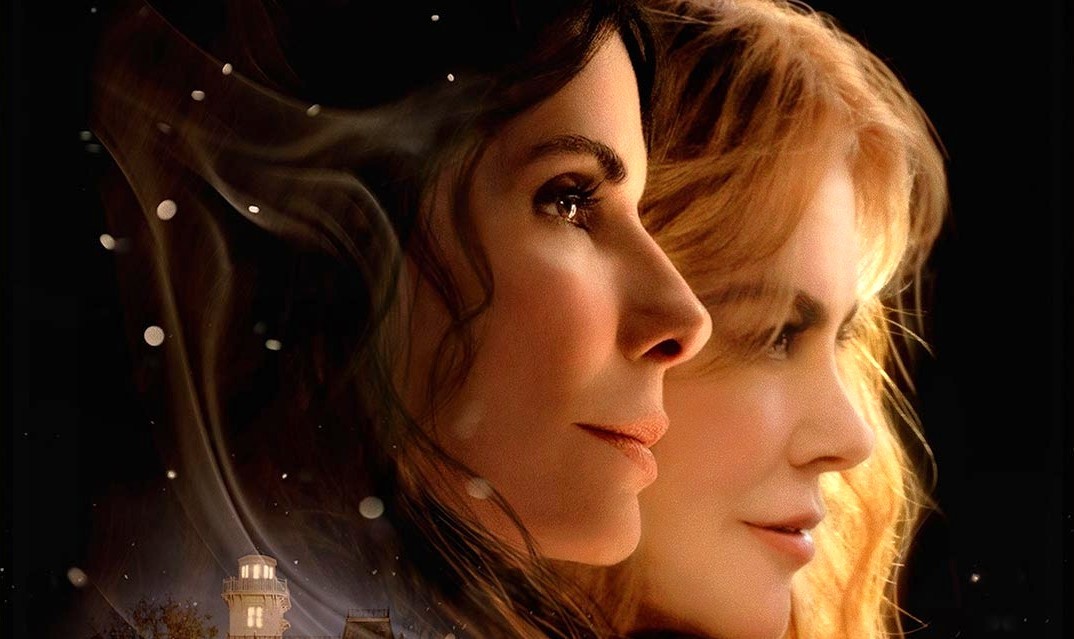
 (Image: Warner Bros. Pictures)
(Spoiler warning for the content below)
The fact that "Practical Magic" is getting a sequel after all these years is both sudden and baffling. The media has often labeled the first film a cult classic, but I've never seen any serious fan discussions about it, nor have I witnessed any clamor for a sequel. It's an IP that has maintained a surprisingly low profile, right down to its lackluster box office performance back in the day. But somehow, Warner Bros. Pictures has shown us that fans of "Practical Magic" just prefer to love it quietly, secretly, and without much fanfare.
Unfortunately, the final product, "Practical Magic 2," fails to justify its own existence, feeling more like a simple cash grab banking on nostalgia. The irony is that "The Book of Magic" doesn't faithfully recreate the very elements that earned the original its small but passionate following, missing the nostalgic sweet spot entirely. While some plot points and character roles are designed to echo the first film, and the fan service is certainly present, the sequel's entire structure has been so drastically altered that, regrettably, the original atmosphere has completely dissipated.
(Image: Warner Bros. Pictures)
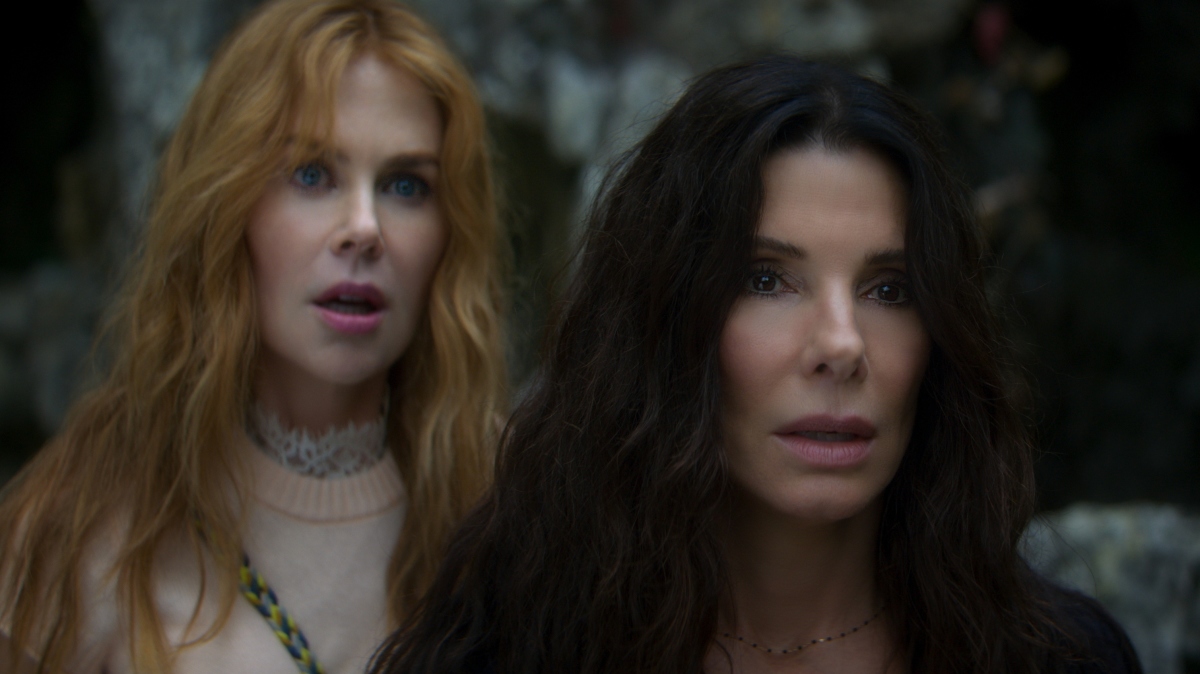
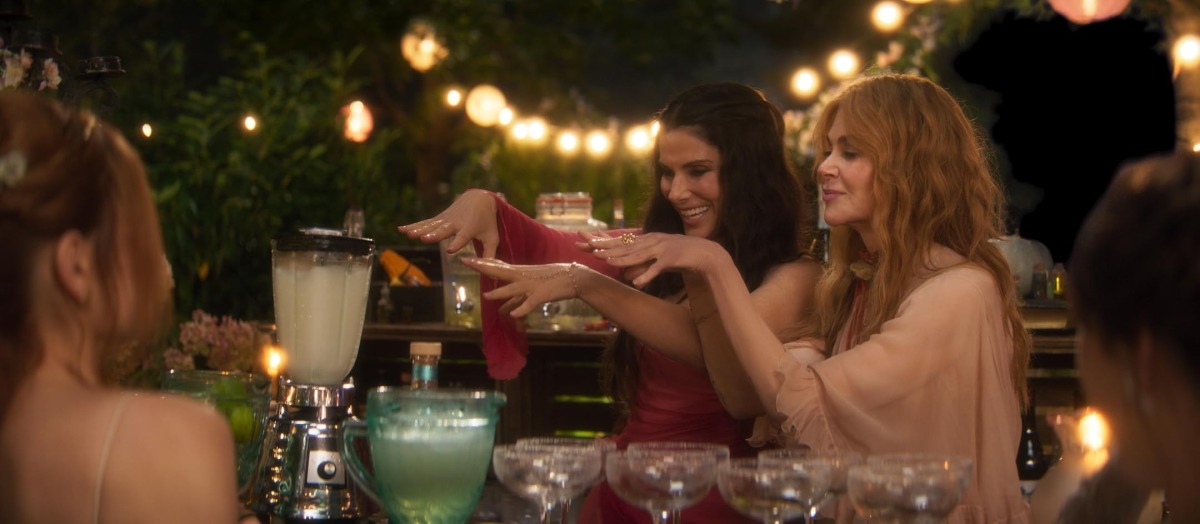
The primary charm of the first film stemmed from the deeply immersive family atmosphere it created. The interactions between the sisters and their aunts felt authentic, grounded, and full of the small, detailed moments of everyday life. The main plot of the original was actually quite ordinary, but this slice-of-life quality elevated the entire movie. The way they supported each other through family and relationship problems, and eventually broke the ice with the townspeople who had ostracized them to unite against an abusive ex-boyfriend, was what truly moved fans. The solidarity of women formed a safe harbor, making the first film the perfect sleepover movie—a piece of comfort food for fans to enjoy together.
But the sequel has completely lost that slice-of-life feeling. The core characters are scattered for most of the film, split into three separate groups, and the main plot devolves into a typical Hollywood road trip adventure. They must band together to rescue someone and defeat a villain whose meticulously planned summoning ritual will inevitably be interrupted in a climactic CGI battle. If I wanted to waste my time on such a generic, overused formula, I have plenty of other boring options. This simply wasn't the original selling point of "Practical Magic," and it's not what I came to see in a sequel.
 (Image: Warner Bros. Pictures)
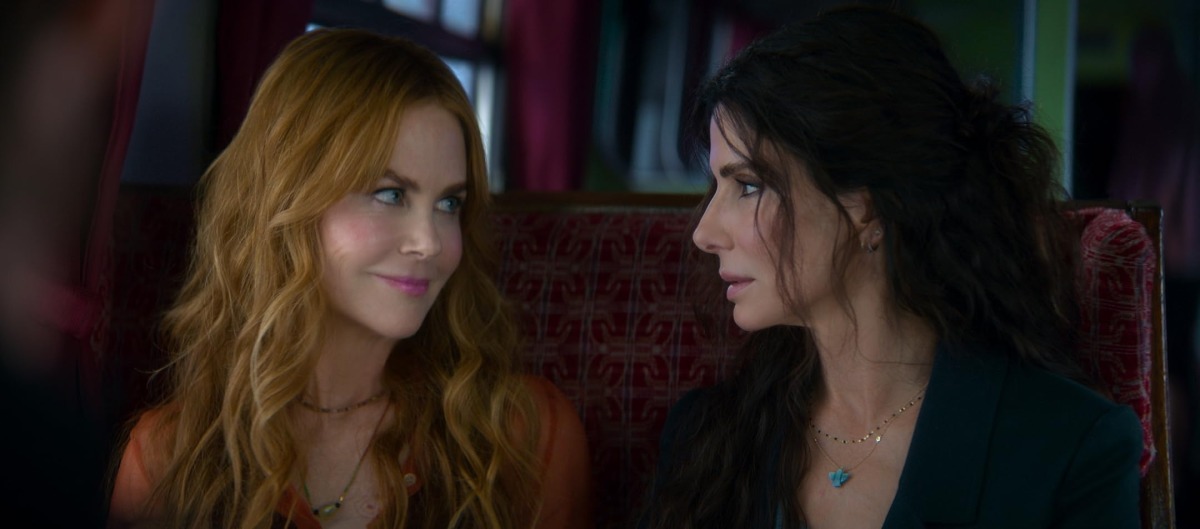
Another thing that bothered me about the sequel is Sandra Bullock's almost completely immobile, cosmetically-altered face. I'm not here to criticize her appearance, but her face is now so stiff that it noticeably impacts her performance. For about eighty percent of her screen time, her cheeks are unable to move, preventing her from conveying many of the emotions required for her scenes, as if they've been sealed by some kind of filler. Furthermore, the unnaturally heavy makeup and overly aggressive skin-smoothing lighting don't help; they only bury her emotions even deeper. This is no longer a matter of aesthetics—it's actively dragging down the quality of the film.
Although her on-screen sister, Nicole Kidman, is more frequently teased for her own cosmetic maintenance—earning her the nickname "Wax Figure Nic"—her face, by contrast, appears relatively natural in this film and doesn't interfere with her performance. But a more lethal scene partner for Bullock is Joey King, who plays her daughter. King is one of the younger-generation actresses with exceptionally great skin, looking incredibly fresh-faced and youthful. More importantly, her performance is incredibly alive, and she excels at crying scenes. Whenever the camera cut from Joey King back to Sandra Bullock, the contrast was so stark I felt like Bullock was turning to stone.
 (Image: Warner Bros. Pictures)
Actresses really need to confront this issue. Moderate cosmetic procedures are fine, but when they start to hinder a performance, it becomes a problem. The motivation is often to continue playing younger roles, but not at the expense of being able to properly play any role at all. I even feel it affected the chemistry between Bullock and Lee Pace, who are set up with a romantic storyline that has incredibly weak sparks. Perhaps it's not solely Bullock's fault; the writers did a poor job developing this relationship, making their connection feel forced. As Jennifer Lawrence has said, some characters wouldn't have the money for cosmetic procedures, and taking it a step further, some characters just don't seem like the type of people who would want them. You can't show up with a Mar-a-Lago face to play a single mother who can't even make rent on her trailer.
I'm usually not a fan of sequels that sacrifice old characters to prop up new ones, but I was surprisingly okay with how "Practical Magic 2" handled it. It was the only part of the film that genuinely moved me. The turn is so significant to the plot that it wouldn't matter if another sequel never gets made; the curse is broken, and the family's generational tragedy has ended with this generation, bringing the story to a satisfying conclusion. The departures of veterans Stockard Channing and Dianne Wiest were handled with dignity. The undisguised lines of age on their faces also served as a testament to Bullock that acting with wrinkles is what gives a performance weight. (Alright, alright, no more jabs, the point has been made).