

Ken Kutaragi, widely known as the "father of PlayStation," previously served as chairman and CEO of Sony Computer Entertainment, the Sony subsidiary renamed Sony Interactive Entertainment in 2016.
In a recent interview with Japanese gaming outlet 4Gamer.net, Kutaragi said that after he retired in 2007, PlayStation "became just like a PC." While he acknowledged that the convergence of PCs and home consoles has expanded the market, he argued that it has not driven technology forward or given PlayStation a more distinctive identity.
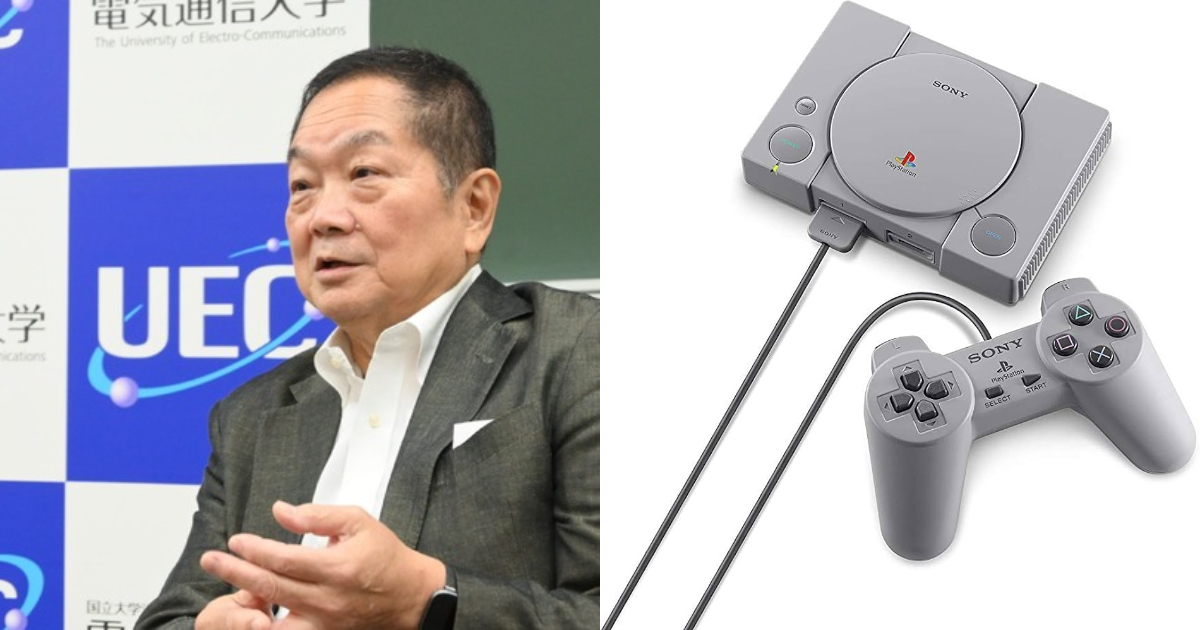
Kutaragi sat down for the interview following an event held at the University of Electro-Communications on September 29. Looking back on the evolution of PlayStation from the original console through the PlayStation 3, he said the platform was once "without question, a pioneer that pushed technology forward."
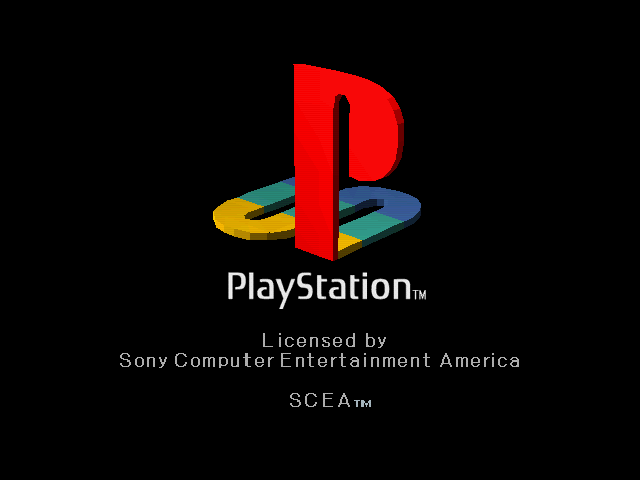
To deliver the real-time performance and responsiveness demanded by gaming hardware, PlayStation adopted a wide range of cutting-edge technologies. Kutaragi's goal was not only to make games bigger and build a global distribution network and massive ecosystem around PlayStation, but also to keep introducing meaningful technological breakthroughs.
Reflecting on what happened after his retirement, Kutaragi said, "Once people from the PC gaming world came in, PlayStation became just like a PC."
That does not mean Kutaragi sees the shift as entirely negative. As PCs and home consoles have moved closer together, game companies have gained access to a much larger market. Still, he added, "But did that actually lead to technological progress? The answer is no."

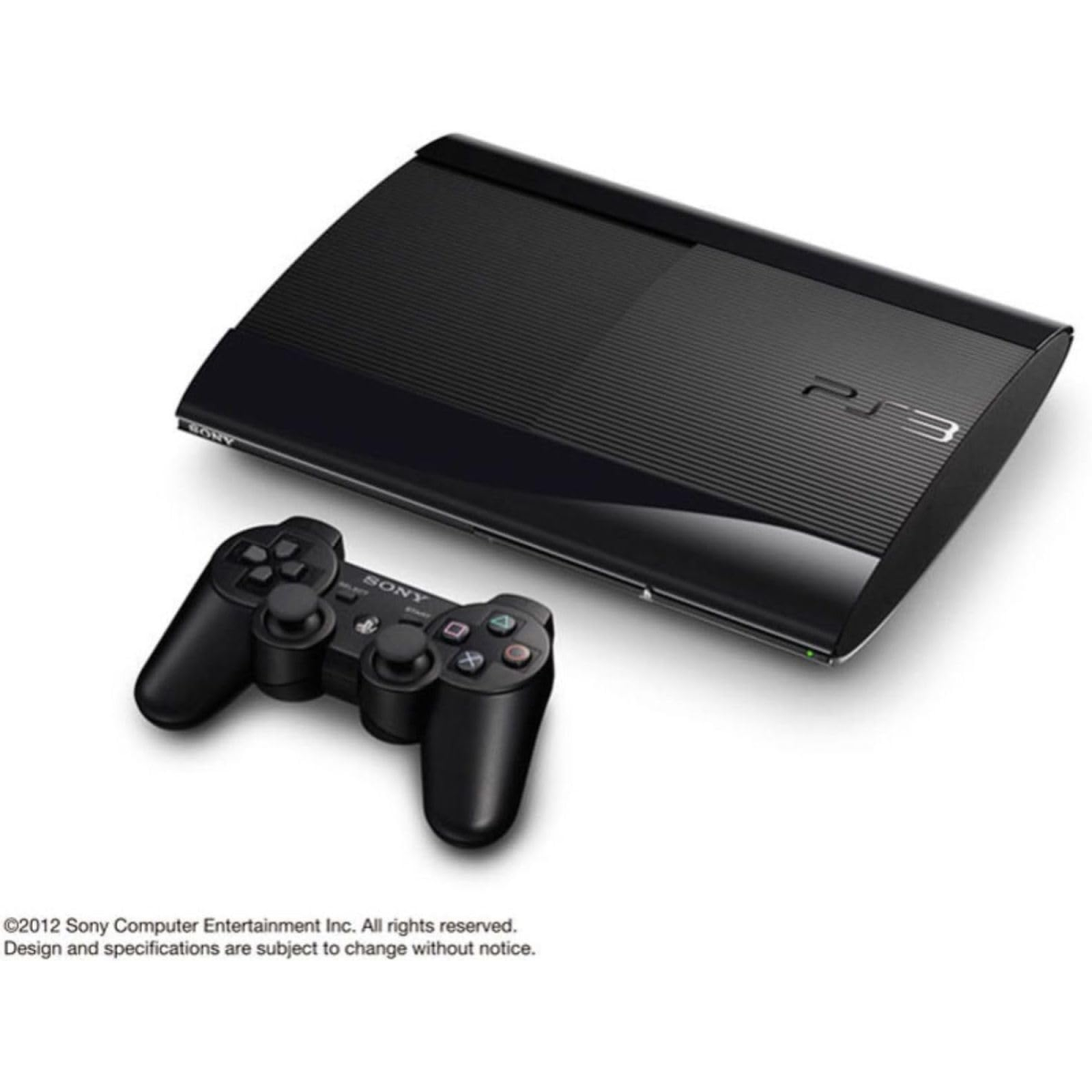
In 2005, Kutaragi positioned the PlayStation 3 as a "computer built for entertainment." He detailed plans for the Cell processor, jointly developed with IBM and Toshiba, as well as the console's GPU collaboration with NVIDIA. Kutaragi and NVIDIA CEO Jensen Huang had already begun mapping out the future of the technology, with the partnership originating from the RSX graphics processor developed for the PlayStation 3.
For Kutaragi, the goal was never simply to increase the processing power of a general-purpose computer. It was about creating entirely new entertainment experiences that had previously been impossible.
Alongside NVIDIA, Kutaragi also discussed AMD, which currently provides technology for the PlayStation 5. He noted that both companies later moved heavily into AI, saying, "AI processing operates at a much higher technological level, but the gaming industry still hasn't put those technologies to use."
Sony Interactive Entertainment has, in fact, adopted AI technology developed in partnership with AMD. The PlayStation 5 Pro also features an upgraded version of PSSR, or PlayStation Spectral Super Resolution, which uses updated neural networks and algorithms to further improve image upscaling. The technology has been rolled out across games including "Silent Hill f," "Monster Hunter Wilds," "Final Fantasy VII Rebirth," and "Crimson Desert."

Kutaragi was equally critical of the pace of progress in game development itself. Comparing the original "Virtua Fighter" with the original PlayStation title "Battle Arena Toshinden," he noted that the two games were released relatively close together, yet "Battle Arena Toshinden" had already introduced texture mapping. He also pointed out that the game was developed in just three months by a team of fewer than 10 people.
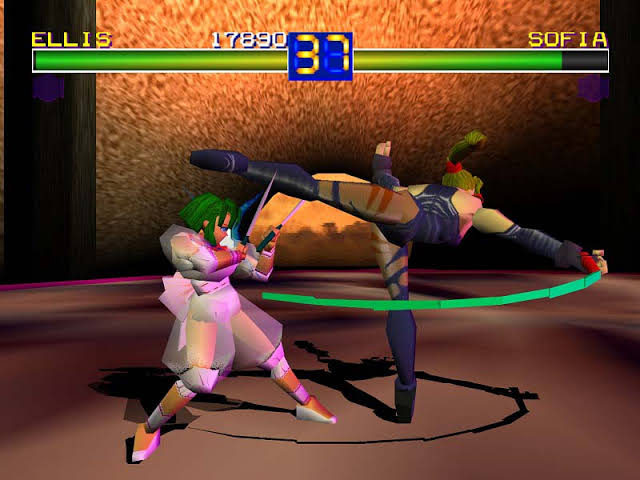
By comparison, modern games often require enormous teams and years of development, only to deliver slightly more sophisticated lighting and shadows or NPCs with a few extra lines of dialogue. From Kutaragi's perspective, the industry's progress looks modest beside the rapid evolution of AI. As he put it, "It feels like technological evolution has stalled."

From his perspective, AI continues to reinvent itself at a remarkable pace, while both games and gaming hardware appear to have found far fewer ways to capitalize on those advances. The industry simply has not experienced the same dramatic technological leaps that AI has made over the past decade or so.
The gaming landscape has also changed significantly. Players now have more ways than ever to access games, with not only PCs but also smartphones competing for time once dominated by consoles. For Kutaragi, the bigger hope may be that the entire gaming industry can once again reinvent itself alongside the next wave of technological innovation.
via: gamestalk