
Image credit:リノート
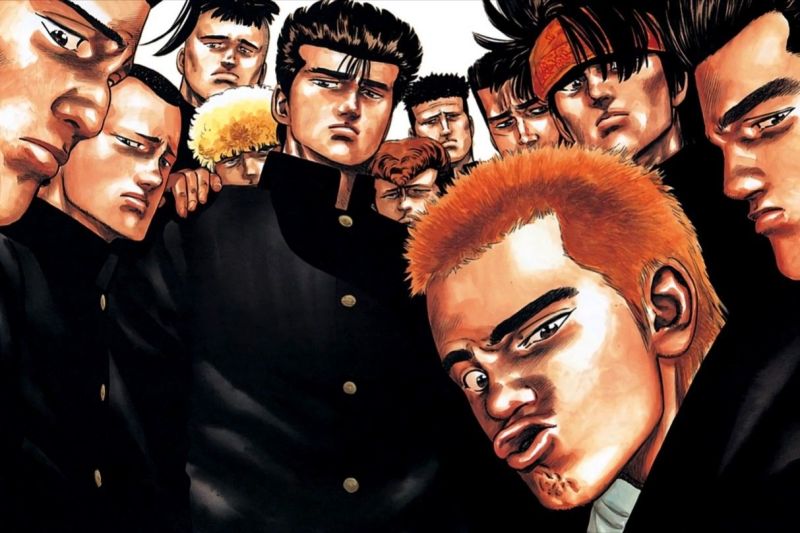
With the recent surge in popularity for manga like "Tokyo Revengers," delinquent-themed comics seem to be reigniting reader passion. When discussing delinquent manga, many immediately recall 1988's "Rokudenashi Blues." However, "Rokudenashi Blues" is more than just a story of tough delinquents clashing; this manga, brimming with masculinity and brotherly bonds, is also an excellent comedy. "Rokudenashi Blues" truly defies categorization, blending boxing, delinquent life, and humor, much like its enigmatic author, Masanori Morita. This pillar of "Weekly Shonen Jump" actually harbored a secret ambition: to become a comedian. Let's delve into some fascinating anecdotes about "Rokudenashi Blues" and Morita-sensei.
"Rokudenashi Blues" Image credit:ITMedia
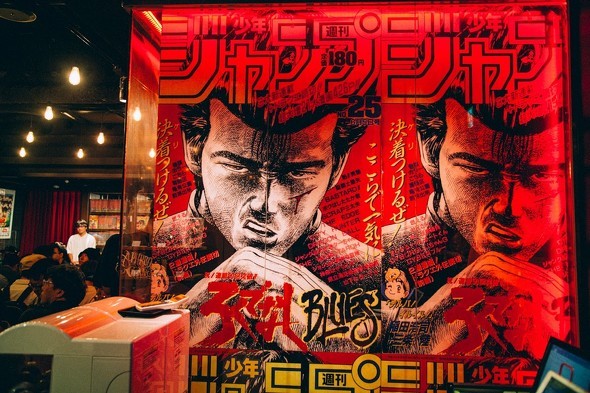
Teiken High School in Kichijoji, Tokyo, welcomes a freshman with incredibly hard fists: Taison Maeda. His name is a powerful fusion, drawing inspiration from wrestling star Akira Maeda and American boxing legend Mike Tyson (the Japanese pronunciations for "Taison" and "Tyson" are identical). This hints at the ordinary high schooler Taison's astonishing fighting prowess—not to mention his Osaka origins, imbuing him with the city's inherent never-say-die spirit. As a freshman, he quickly dominates the entire school, becoming its top dog. But when the former boss, boxing club president Hatanaka, returns from suspension, a clash is inevitable... and that's just the beginning.
1. Drawing Too Slowly!
At just 21 years old, Masanori Morita became a serialized mangaka in a popular weekly magazine after only a few years as an assistant. What was astonishing wasn't just his age, but also the dense art style and numerous characters in "Rokudenashi Blues." While these delinquents didn't wear intricately designed Saint Seiya-esque armor, their pompadour hairstyles gleamed on the monochrome pages. This was because Morita wanted to ensure his protagonists exuded an imposing aura, so he painstakingly rendered these iconic hairstyles—you can even see the female lead Akemi's straight bangs, drawn stroke by painstaking stroke.
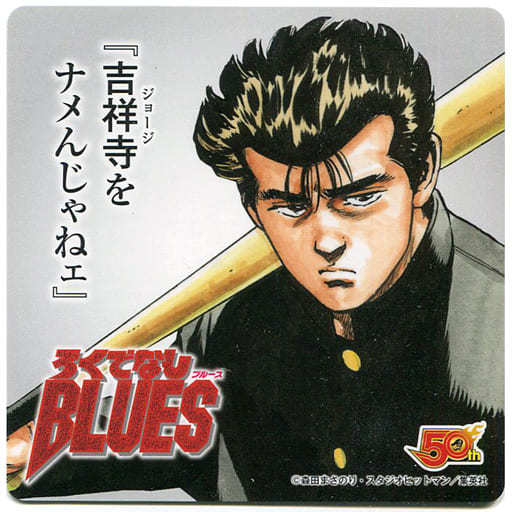
Taison Maeda: "Don't underestimate Kichijoji!" Image credit:駿河屋
However, the dedication to detailed artwork and the multitude of characters meant an immense workload for Morita-sensei. An even bigger problem was that Morita was a slow artist. When "Rokudenashi Blues" began serialization, completing a single chapter took nine days... Wait, aren't there only seven days in a week?! Every new manga typically prepares several "buffer chapters" before serialization begins, to guard against any unforeseen issues once the series starts. Despite preparing ten buffer chapters for "Rokudenashi Blues," the stock was halved shortly after serialization began... and this was Morita-sensei's work pace without any interruptions.
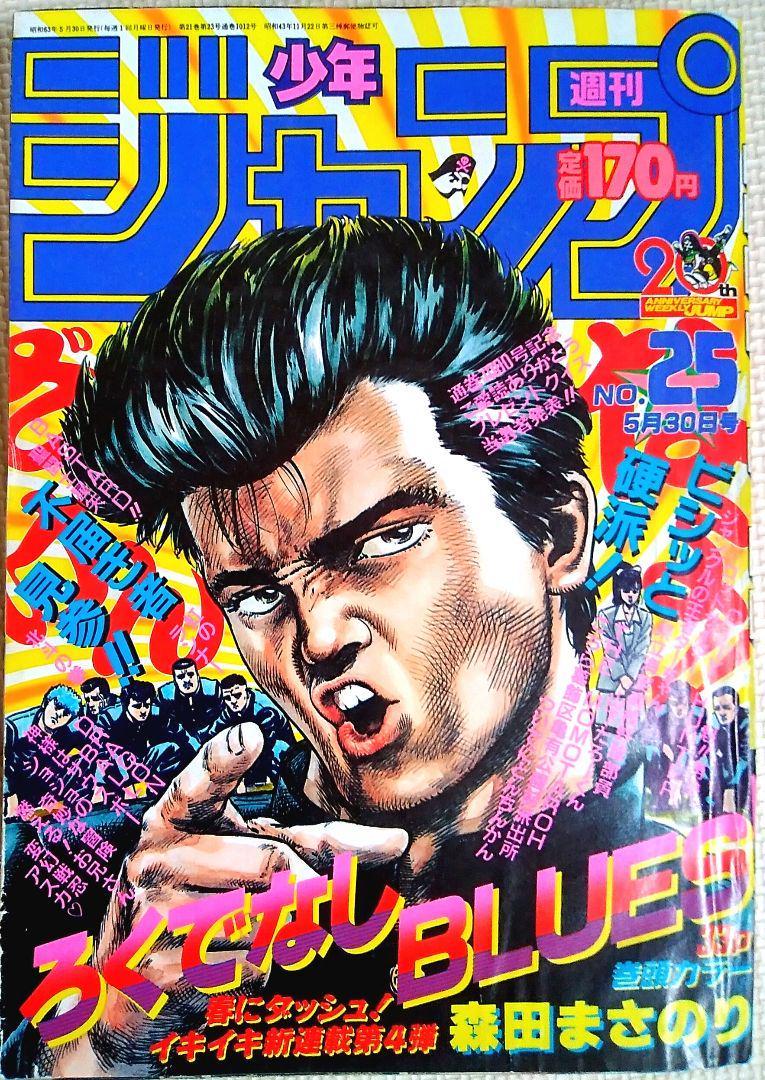
The memorable debut of the serialization Image credit:メルカリ
The late 1980s marked the golden age of Japanese manga, with various weekly magazines challenging their sales records every week. "Weekly Shonen Jump" was no exception; mangaka serialized in "Weekly Shonen Jump" quickly gained recognition from readers, but also had to bear immense pressure.
Morita felt like a small cog that had accidentally fallen into the massive machine called "Weekly Shonen Jump." This machine moved forward rapidly and fiercely, waiting for no one. The chosen cogs could only accelerate their rotation to keep up with the pace. As a slow artist, Morita wouldn't have been surprised to be discarded at any moment, yet he couldn't simply walk away. Having a work serialized in "Weekly Shonen Jump" is every mangaka's dream, but for Morita, achieving that dream brought even greater pressure and internal conflict.
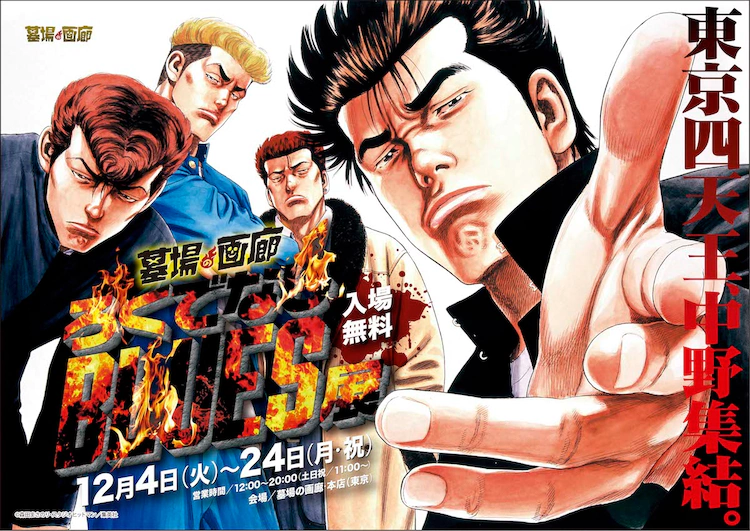
The Four Heavenly Kings of Tokyo Image credit:ナタリー
2. Rokudenashi BLUES: A Rocky Start for a New Shonen Jump Series
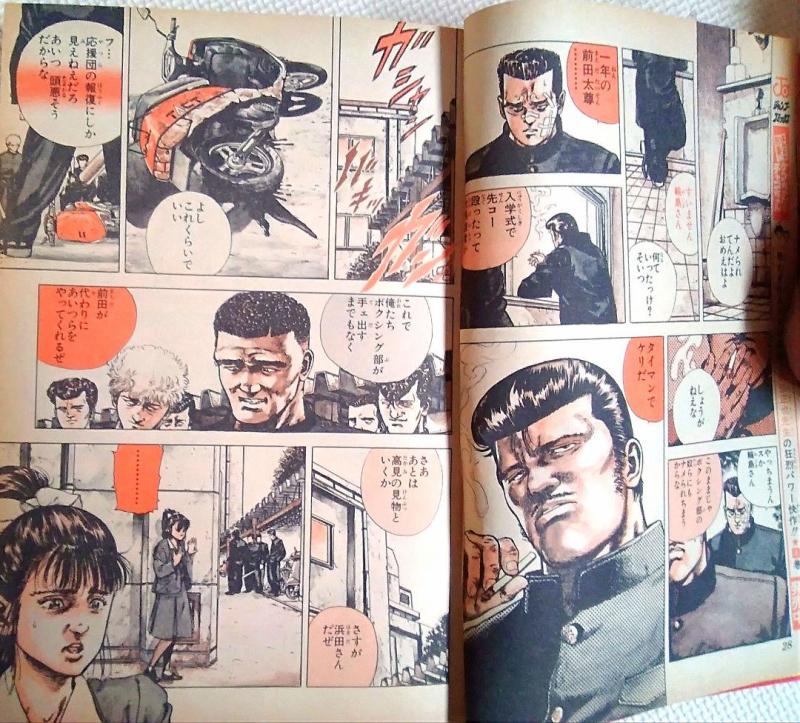
However, slow pacing wasn't the main issue; the problem was that "Rokudenashi BLUES" simply wasn't captivating readers. The inaugural chapter of "Rokudenashi BLUES," a memorable debut, only landed at fourth place in the reader feedback rankings. While it was a shame it didn't make an explosive debut, it was entirely understandable given the fierce competition in Weekly Shonen Jump at the time. Powerhouse series like "Saint Seiya," "JoJo's Bizarre Adventure," and "Dragon Ball" were running concurrently—Goku was even about to face off against King Piccolo (and Master Roshi had just tragically passed away after a failed sealing attempt!). Under those circumstances, "Rokudenashi BLUES" not becoming an instant reader favorite was completely excusable.
The first chapter of "Rokudenashi BLUES" Image credit:Mercari
However, the true test for any new serialization lies in its second and third chapters. If these don't perform well, it signals that readers won't continue following the series once the initial novelty wears off. Troublingly, "Rokudenashi BLUES"'s popularity rankings for its second and third chapters were a dismal 6th and 15th place, respectively. Weekly Shonen Jump initially granted "Rokudenashi BLUES" 15 chapters to prove its worth, but it didn't even need that long; it consistently ranked poorly for several consecutive weeks. Even Morita-sensei himself felt his Weekly Shonen Jump career was over... but surprisingly, during the cancellation meeting, "Rokudenashi BLUES" was given a reprieve.
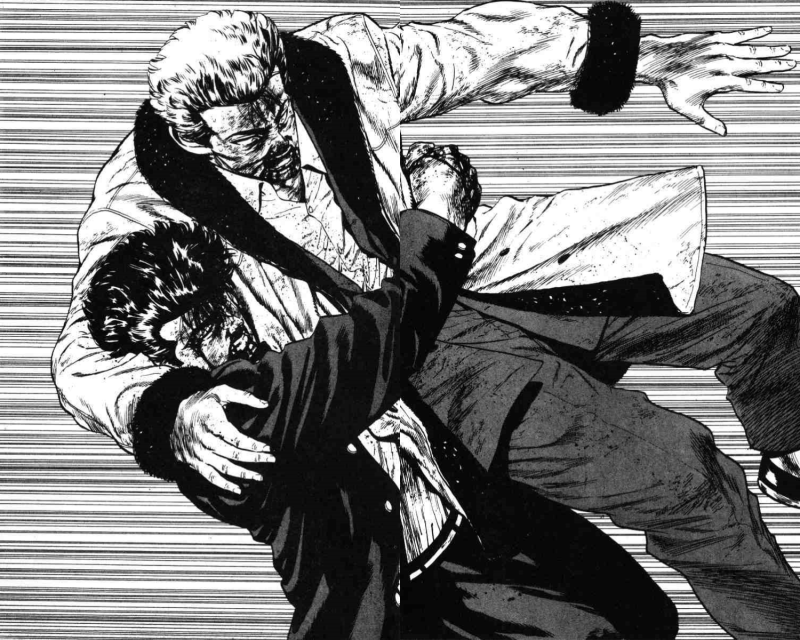
A two-page spread of a wrestling finisher Image credit:Mercari
3. The Enduring Power of Rokudenashi BLUES' Unforgettable Quotes
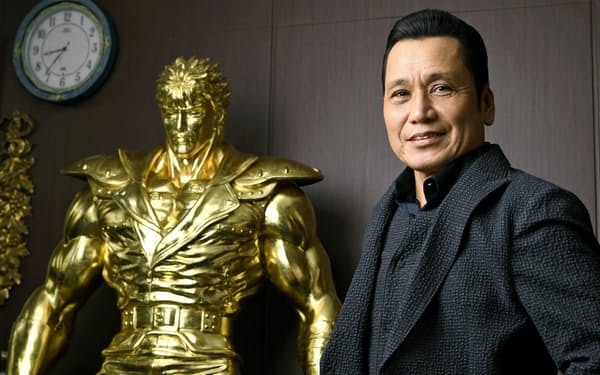
The muscular high schoolers and the Tokyo Four Heavenly Kings, each with their own secret techniques in "Rokudenashi BLUES"... do they remind you of "Fist of the North Star"? Morita-sensei was, in fact, one of Tetsuo Hara's assistants on "Fist of the North Star," working on the series for an extended period, from the battle between Yuda and Rei up until Raoh's demise. Even more interestingly, Morita-sensei's struggles with "Rokudenashi BLUES" bore a striking resemblance to Tetsuo Hara's own difficulties with "Fist of the North Star".
Tetsuo Hara-sensei Image credit:Nikkei
A young editor once told Morita-sensei, "You absorb too little information." While blunt, this comment directly addressed Morita's core issue: having entered the manga industry right after graduation, he had never truly experienced society. His understanding of current events, specialized knowledge, and even human relationships was superficial. Of course, one doesn't necessarily need to be a salaryman to grasp such information. However, Morita, who immediately became a manga artist's assistant, missed many opportunities to absorb these "social norms" due to his long hours as an assistant. Consequently, "Rokudenashi BLUES," a manga centered on themes of duty and loyalty, initially lacked some of the moving depth that would later define it.
Image credit:mangazenkan
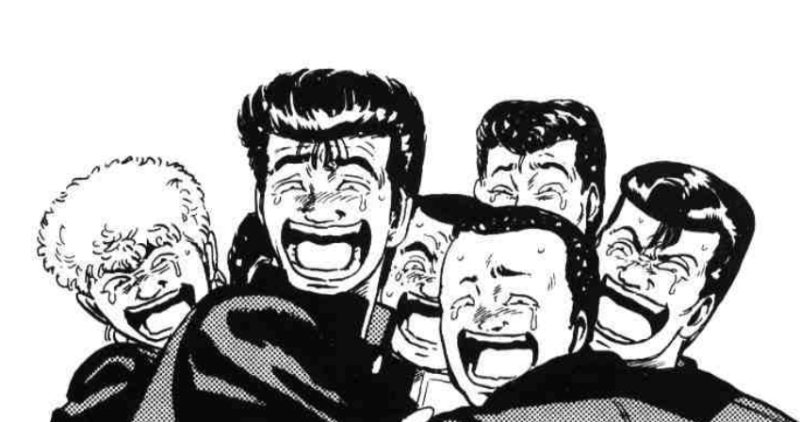
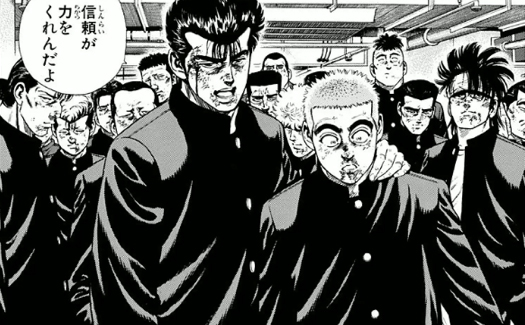
This is where "Rokudenashi BLUES" truly surprised readers, as this delinquent manga created numerous golden quotes that even salarymen would nod to with tears in their eyes: "Trust isn't born from strength; strength is born from trust." "Idiot! Don't think you're living all alone." And when Taison, dreaming of becoming a boxing champion, was doused with cold water by his teacher, who asked, "What if you never become a champion? Will you work part-time until you die? Real life isn't as easy as you think!" Taison's answer was simple yet resolute: "I can work part-time until I die."
"Strength is born from trust" Image credit:Rikunabi
Taison fiercely rebuked the terrible teacher: "You're not man enough!… All you think about is becoming the head disciplinarian… Before you try to climb higher, I suggest you first understand what the students are thinking… At the very least, you need to earn our respect through your actions."
When Taison had to choose between his boxing qualification and standing up for a friend, he declared: "What if I die tomorrow? I'd rather give up my qualification… If I don't do what I need to do right now, I won't die in peace!"
Is a delinquent's dream to become a boxing champion? Image credit:mangazenkan
4. The Second Author of "Rokudenashi Blues"
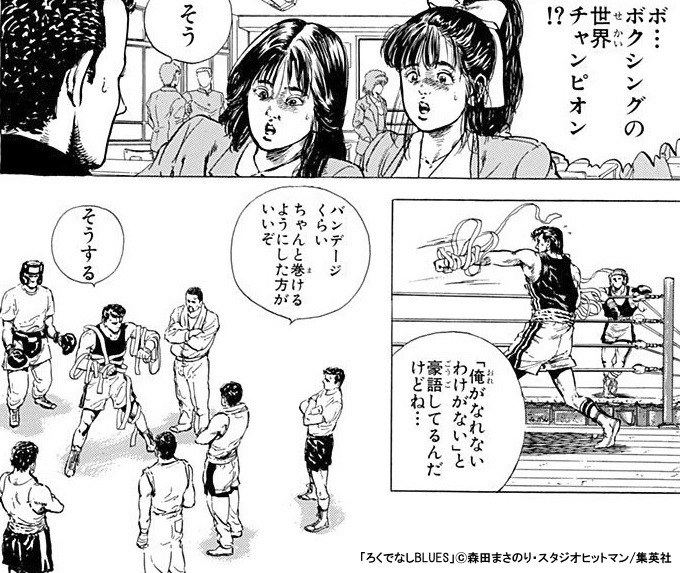
As "Rokudenashi Blues" gradually transitioned from a delinquent manga into a boxing manga (though street fights remained a crucial part of the story), Taison Maeda, the brawling king, increasingly embraced boxing as the central focus of his life. Even when facing moments that threatened to shatter his boxing career, he confronted those who blackmailed him with scandal through the sport. This shifted the core message of "Rokudenashi Blues" beyond just camaraderie among delinquents, focusing instead on how a young delinquent confirms his self-worth, determines his goals, and relentlessly pursues them, even if it means swallowing his pride and pain. This profound depth resonated deeply with male readers of all ages throughout the 90s.
Image credit:mangazenkan
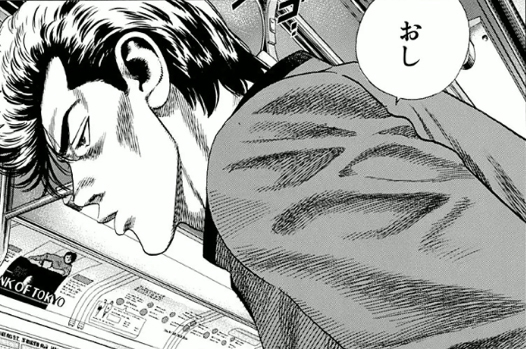
This depth of storytelling wasn't solely Masanori Morita's achievement. He cultivated a collaborative relationship with his editor, akin to that between Tetsuo Hara and Weekly Shonen Jump editor Nobuhiko Horie. The manga editor essentially became the other "author" of "Rokudenashi Blues." Morita himself stated, "My editor's advice became a creative driving force. I couldn't have drawn this content alone. They provided me with reader feedback and many creative ideas, which was the most enjoyable part for me. Without my editor, I wouldn't be able to draw manga."
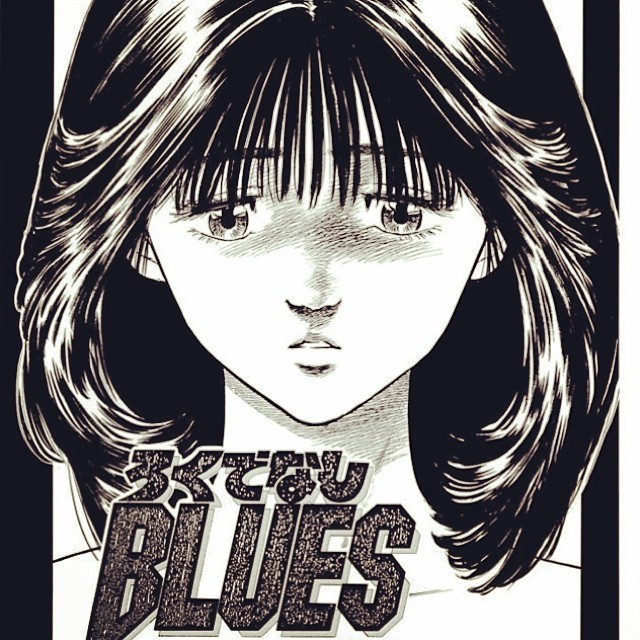
Chiaki is often considered one of the most annoying female protagonists in shonen manga. Image credit:Middle Edge
5. The Child Who Forsook a Monk's Life
Masanori Morita was originally the eldest son of a temple priest, destined to inherit the family temple. However, after graduating high school, Morita, aspiring to be a manga artist, immediately moved to Tokyo and began working. Abandoning his family's legacy and foregoing university brought unexpected complications for his family and the temple. Fortunately, upon arriving in Tokyo, he quickly became an assistant to Tetsuo Hara, coincidentally helping to create some of the most iconic chapters of "Fist of the North Star," which allowed him to absorb invaluable experience.
Morita-sensei later drew works with Buddhist themes. Image credit:EhonNavi
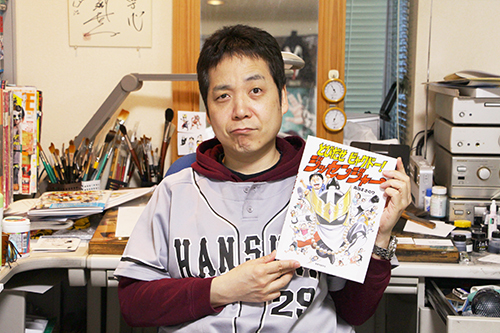
Given his background as a priest's son who immediately entered the manga industry after high school, it seems Morita-sensei never had the chance to "go bad." Yet, his debut serialized work, "Rokudenashi Blues," and his later highly acclaimed series, "Rookies," both revolve around delinquent themes. Was Morita-sensei secretly a delinquent in his youth?
He clarified, "I wasn't a delinquent, and in fact, I really disliked delinquents. But after graduating high school, I immediately entered the manga industry and wasn't very familiar with general society. The works I draw are simply based on what I observed and experienced during my school days… so these are all school manga."
Masanori Morita-sensei Image credit:excite news
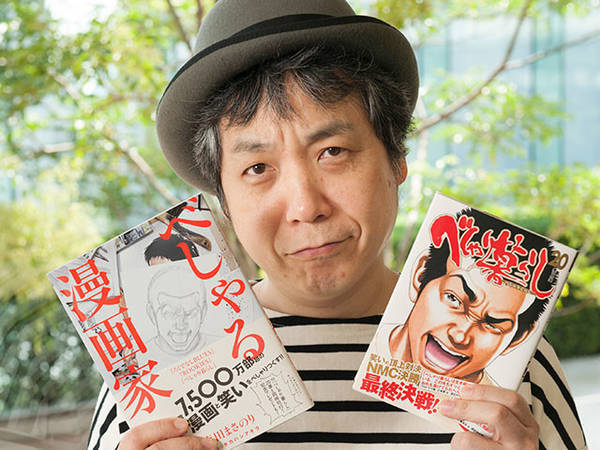
Interestingly, whether it's "Rokudenashi Blues" or "Rookies," these "realistic" manga—devoid of superpowers or fantasy worlds—are prime targets for film and television adaptations. Unlike other manga creators who worry about their work being drastically altered, Morita has always been enthusiastic about seeing his stories on the big and small screen. His reasoning is simple: "My elders and the people at the temple don't read manga, but they might watch TV. I want my work to be broadcast... so they can understand the results of my hard work here in Tokyo."
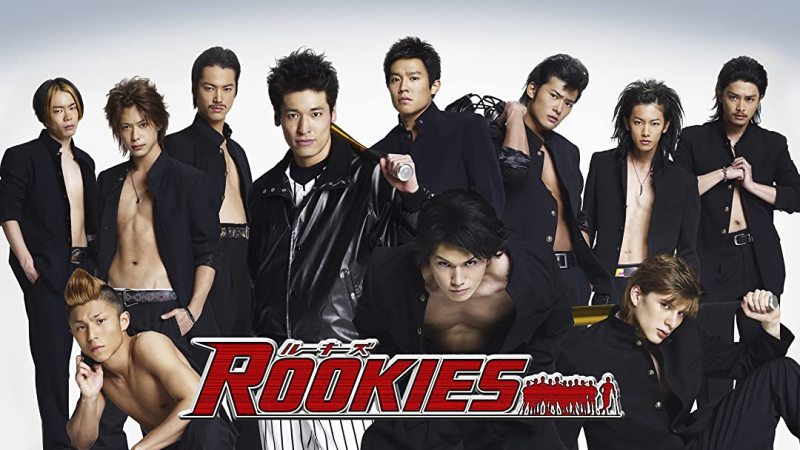
The live-action version of "Rookies." Image credit:Amazon
6. The Mangaka Who Dreamed of Being a Comedian
Some manga artists seem divinely inspired, capable of finishing an entire chapter's line art in an instant. But perhaps it's less about divine aid and more about having incredible improvisational skills—a talent Morita completely lacks, which is another reason for his slower pace. However, this very fact fueled his deep reverence for comedians (*geinin*), who can deliver a punchline in any situation. After all, comedians constantly need that "stroke of genius," rapidly reading the audience's reaction to deliver a sharp retort (*tsukkomi*) or play the fool (*boke*).
Morita's admiration for comedians stems from more than just envy of their quick wit; there's a simpler reason, too.
Morita's most admired comedian is Hitoshi Matsumoto (left) of the duo "Downtown." This is a portrait he drew of them. Image credit:Twitter
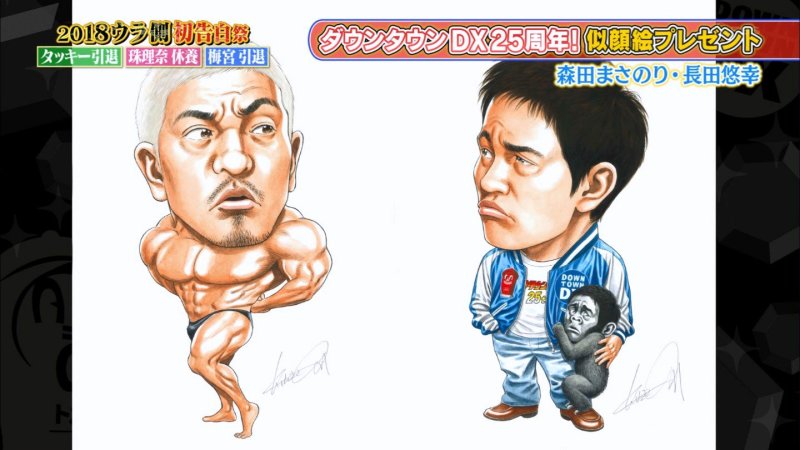
What truly sets "Rokudenashi Blues" apart from other bloody, violent fighting manga or delinquent stories is its heavy use of SD (Super Deformed) characters for comedic segments. Some chapters are even entirely silent, relying solely on visual gags to make readers laugh—a unique insistence on Morita's part.
"I believe that laughter is the happiest moment for a human being," Morita says. "Of course, comedians themselves may go through a lot of hardship, but they put their own struggles aside and do everything they can to make people laugh. I think that's an incredible thing."
2.5-head-tall proportions. Image credit:漫画全巻ドットコム
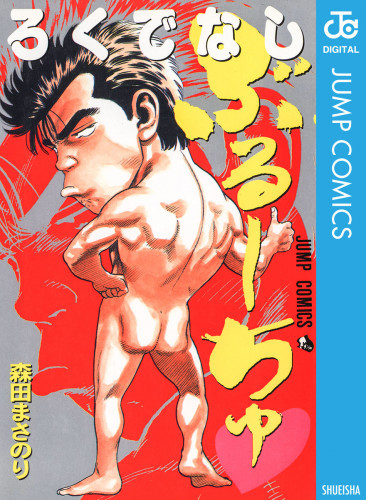
As someone who respects comedians and loves comedy, Morita diligently incorporated these gags into his manga. Unable to perform on stage due to his lack of improvisational skill, which would often leave his mind blank, he found he could slowly and carefully craft these jokes in his own work. Through his chibi-style characters and exaggerated expressions, he could make his humor land perfectly.
After the conclusion of "Rookies," Morita finally had the chance to chase his comedy dream in a different way. In 2005, his new series, "Beshari Gurashi," began serialization in "Weekly Shonen Jump." The story follows a high school student chasing his dream of becoming a professional comedian. To prepare, Morita even enrolled in the training school of Yoshimoto Kogyo, Japan's largest comedy talent agency, to understand how the industry cultivates its stars.
"Beshari Gurashi" Image credit:Amazon
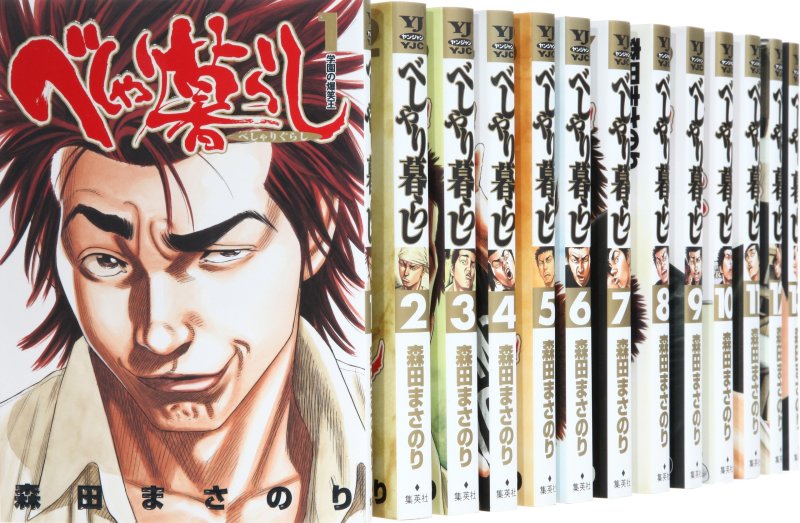
Naturally, a manga about aspiring comedians is filled with comedy routines. This presented a challenge on a whole different level from drawing bloody brawls—you have to write jokes that actually make the readers laugh. The original title, "Beshari Gurashi," literally means "living by talking." If the jokes in the manga fell flat, the protagonist's dream of becoming a comedy expert would itself become the punchline.
This was Masanori Morita's brand-new challenge as he entered his 40s: he personally wrote every single comedy routine in "Beshari Gurashi." The man who never dared to perform stand-up could now craft jokes at his drawing table, free from the stage fright and anxiety that would cloud his mind. The serialization schedule gave Morita ample time to conceive and refine these original gags. For Morita, the fan of comedy and comedians, "Beshari Gurashi" became the start of an alternative life in comedy.
"Beshari Gurashi" Image credit:漫画全巻ドットコム
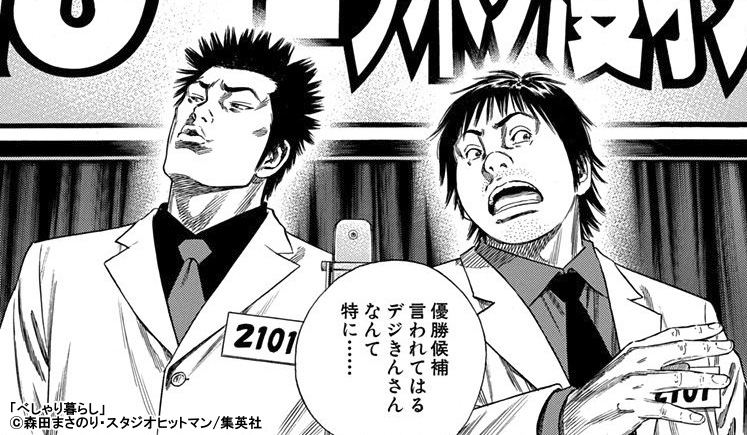
The original "Beshari Gurashi" manga and its live-action adaptation. Image credit:MANTANWEB
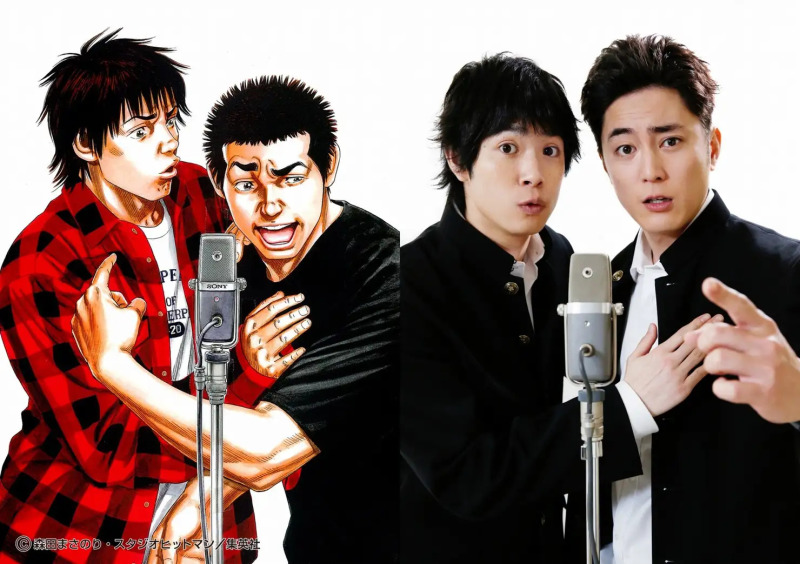
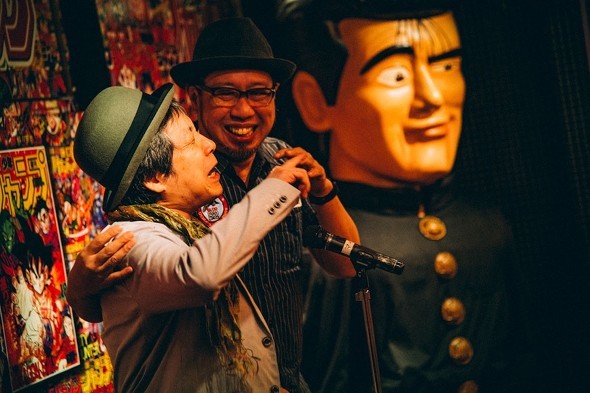
Then, in 2018—a full 30 years after his debut—Morita teamed up with fellow manga artist Yūki Nagata to form a comedy duo. Their act was fittingly named "Mangaka" (The Manga Artists), and they entered the prestigious M-1 Grand Prix comedy competition. In that moment, Masanori Morita truly became a stage comedian. They blazed through the tournament, ultimately winning the amateur division championship. It was the perfect culmination of the comedic spirit Morita had poured into his manga for three decades, finally validated on stage.
Performing a comedy routine with his partner. Image credit:#SHIFT
"Rokudenashi Blues," which ran from 1988 to 1997, was serialized during a pivotal time in modern Japanese history—spanning the end of the 80s "Bubble Economy" and the beginning of the nationwide recession known as "The Lost Decade." During this turbulent transition between the 80s and 90s, many people were searching for new values to hold onto. The protagonist, Taison Maeda, who lived and breathed by his fists, became an icon for a generation of kids. Society, schools, or parents might label you a "delinquent," but the manga's message was clear: only you can define the adult you're going to become. Masanori Morita may not be the most technically gifted manga artist you'll ever read, but for this multi-talented creator—a master of both manga and comedy—no one can predict his next move. He's just like his delinquent protagonist who, against all odds, just might become the next world boxing champion.