
In 2004, the manga "Slam Dunk," which had concluded in 1996, officially surpassed 100 million copies in total circulation. Many readers still loved the series, with some even entering the sports industry or becoming basketball players because of it. Surprised by "Slam Dunk"'s enduring popularity after so long, Takehiko Inoue decided to establish the "Slam Dunk Scholarship" under the series' name, funding talented Japanese youth athletes to train in the United States, which sparked widespread discussion. At that time, the media naturally asked the old question, unrelated to the scholarship: Will there be a sequel to "Slam Dunk"? And Takehiko Inoue's answer was the same old one: Perhaps, but not at present.
Image credit:All About
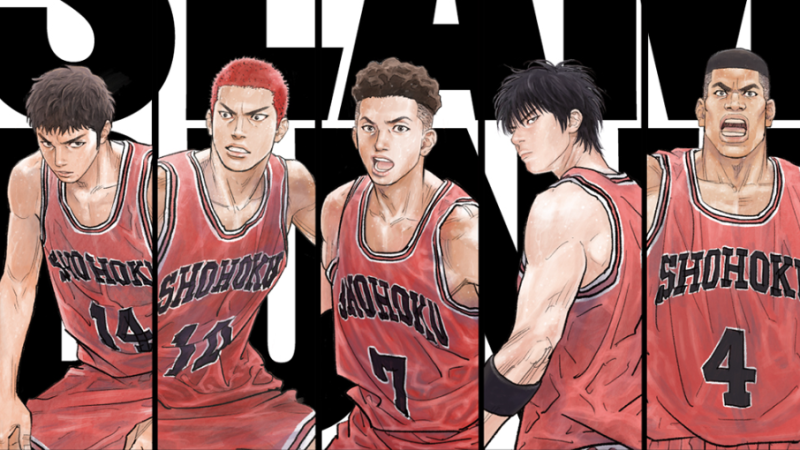
In late 2022, the movie "THE FIRST SLAM DUNK" premiered in Japan. Takehiko Inoue was not only the original author but also the director and screenwriter of this film. Why did Inoue-sensei change his mind after 26 years? What new story did he want to tell in this new movie version? Let's talk about this film.
"Slam Dunk Scholarship" Interview Book Image credit:Takehiko Inoue
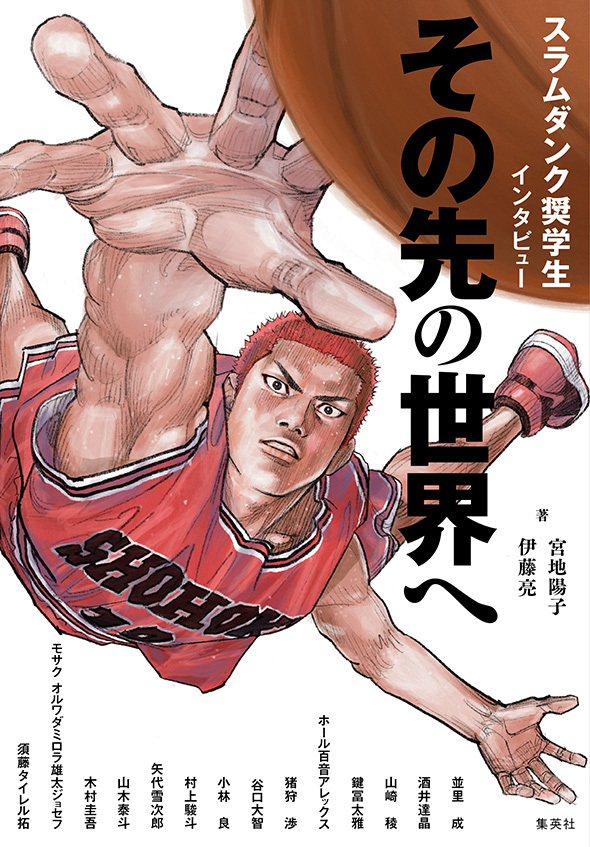
Two weeks after "THE FIRST SLAM DUNK" was released in Japan, the book "THE FIRST SLAM DUNK re:SOURCE," which contains much of the movie's content, was launched. It includes an extensive 15,000-word interview with Takehiko Inoue, where he mentions his desire to offer this new movie as a gift to all "Slam Dunk" fans: this film, like the "Slam Dunk Scholarship," is Inoue's way of "repaying" the fans who love "Slam Dunk."
"Slam Dunk" TV Anime Series Image credit:Super! drama TV
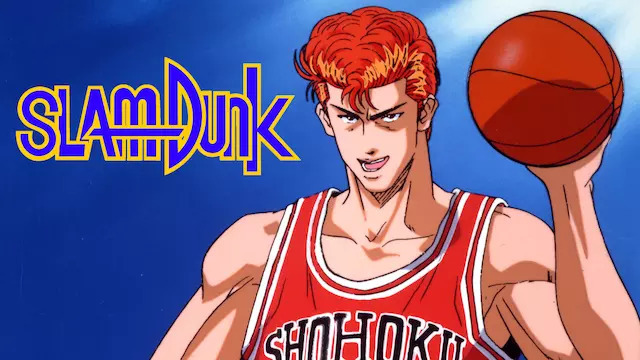
Before the "Slam Dunk" manga concluded its serialization, the TV anime series had already ended prematurely. The so-called "Slam Dunk" craze was largely propelled by this animated work: for a work depicting basketball games, animation can compensate for the inherent limitations of manga in dynamic expression. However, because the anime concluded two and a half months before the manga finished its serialization, the anime's storyline also stopped after the Shohoku vs. Ryonan High School match. The subsequent climax of the story, the thrilling Shohoku vs. Sannoh Kogyo High School match, had never appeared in visual form for 26 years. From this perspective, "THE FIRST SLAM DUNK" focusing its plot on the Sannoh match seems perfectly reasonable—it fills a major gap left by the TV anime series 26 years ago. However, Inoue himself had a stronger intention:
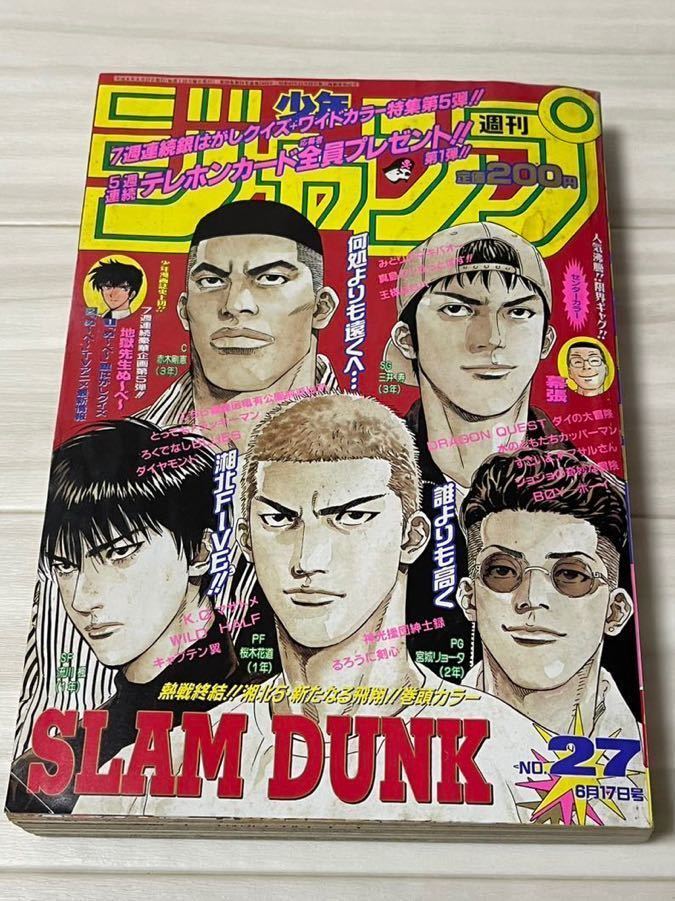
Weekly Shonen Jump 1996 No. 27 Cover Featuring the Final Chapter of "Slam Dunk" Image credit:Yahoo! Auctions
In 2004, producer Toshiyuki Matsui released two manga adaptations: the TV anime "Re: Cutie Honey" (Re:キューティーハニー), with Hideaki Anno as general director, and the live-action film "Devilman." Matsui has always been a producer very passionate about adapting anime and manga into live-action films. He produced the live-action film adaptation of Masahito Soda's manga "Shakariki!" (シャカリキ!), "BALLAD: Nameless Love Song" adapted from the movie "Crayon Shin-chan: Fierceness That Invites Storm! The Battle of the Warring States," and "Saikano: The Last Love Song on This Little Planet," among others. But before these works, Matsui's biggest dream for a film adaptation was "Slam Dunk." He wrote many proposals hoping to get author Takehiko Inoue's approval, but he always received a "NO" in response...
Takehiko Inoue Image credit:Basketball King
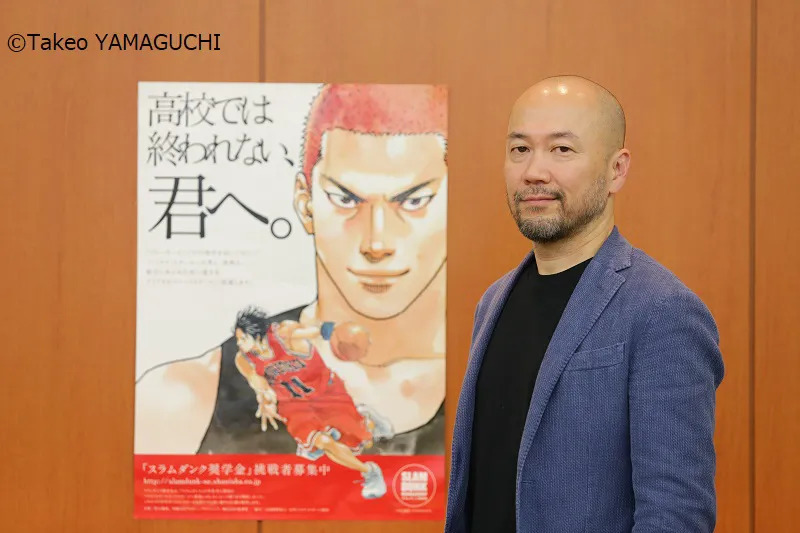
The saying goes, "Even a fierce woman fears a persistent suitor." Part of the reason Inoue finally gave Matsui a "YES" was that he was moved by Matsui's persistent passion over many years. Furthermore, when he saw Sakuragi's expression in the project's pre-production animation, he was touched by a face not drawn by himself. But another major reason was that he felt he should supplement the ending of the "Slam Dunk" manga. Inoue was well aware that when the manga concluded its serialization, readers and the general public were in great shock. Logically speaking, Shōhoku, having defeated Sannoh, had in fact only reached the middle stages of the national tournament; the protagonists were not yet playing in the championship game, meaning they should have played several more matches, faced entirely new opponents, and at least won the high school championship that year.
Takehiko Inoue Image credit:バスケットボールキング
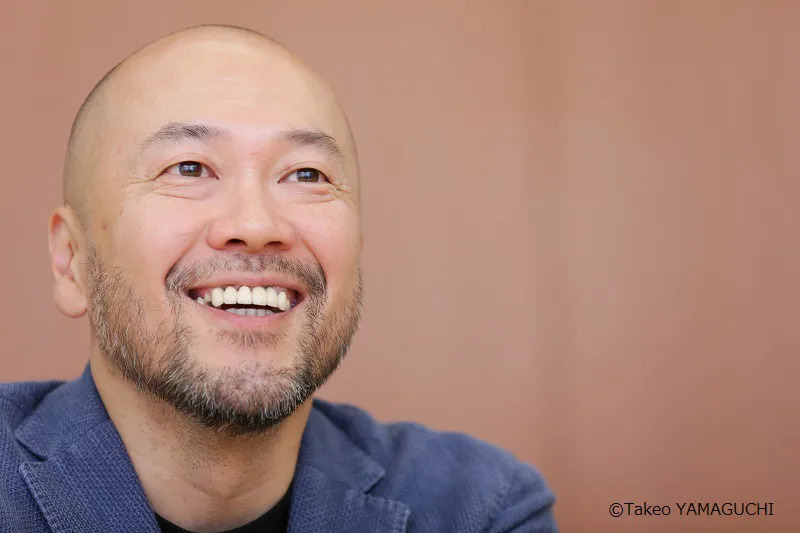
"Slam Dunk" was precisely that anticlimactic. After Shōhoku's hard-fought victory against Sannoh, it concluded Shōhoku's national tournament journey without detailing the match's progress, using only one sentence: "...They faced Aiwa Academy in the third round and suffered a crushing defeat." Sakuragi recuperated from his injury, Miyagi and Mitsui rebuilt Shōhoku's new lineup, Akagi and Kogure left the team, and Rukawa participated in the All-Japan Youth Team training camp... In fact, they only participated in the summer league, and their next goal should have been that year's winter league. However, "Slam Dunk" ultimately ended with the cheering words directed at Sakuragi, "We and basketball are waiting for you!" We didn't see the summer league champions, nor how Miyagi, Mitsui, and Rukawa would challenge the winter league... And would Hanamichi Sakuragi, with his "severed meridians," be able to return to the basketball court? No one knew.
"Slam Dunk" regrettable ending Image credit:オークファン

"The general public, including readers, viewers of the TV anime, and all those who encountered 'Slam Dunk,' for them, this work ended in an unexpected way. For me, this ending was the form in which the story concluded; it ended smoothly in the way I imagined. However, this ending caused shock among the general public, and I think perhaps some people were very sad about it. Although I insisted on the idea of 'ending it here,' on the other hand, I also felt the sentiment of others who couldn't accept it. For example, when the collected volumes reached 100 million copies in circulation, to thank everyone, large newspaper advertisements were placed, and even an abandoned school was used for an event. Later, illustration collections, complete editions, and re-edited versions of the manga were also published. While these were good things, I felt that drawing some new content was still a little more interesting than all of them, and I wanted to take this opportunity to see the happy faces of the fans... I wanted to bring joy to everyone; that was my true intention."
"Slam Dunk" Sannoh match Image credit:note
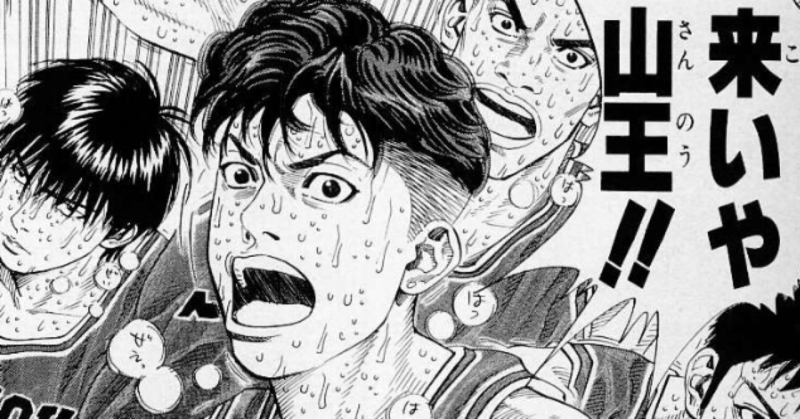
"THE FIRST SLAM DUNK" is theoretically not "new content"; we read its story 26 years ago. This was a fierce battle where the beginner Sakuragi (let's not forget, this entire six-year serialization actually condensed its story time into a very short period of less than half a year) challenged the genius-filled Sannoh, costing him severe injuries, but he also led the entire team to victory. And if "THE FIRST SLAM DUNK" merely retold this final battle in animated form, there would seem to be not much reason to anticipate it: for the past 26 years, many people could only repeatedly read this incredibly exciting final battle, and for 26 years, they had already imagined the "live match" of the Sannoh battle countless times in their minds.
"THE FIRST SLAM DUNK" Image credit:브런치
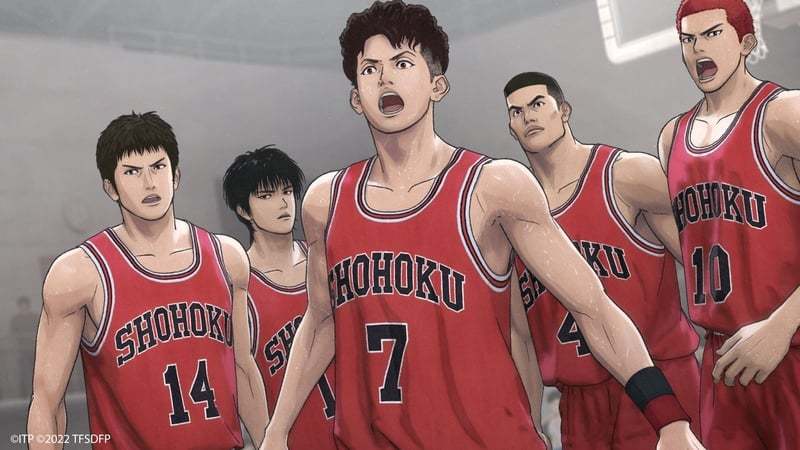
The truth is, 26 years later, Takehiko Inoue is no longer the Takehiko Inoue who drew "Slam Dunk." In 1990, 23-year-old Inoue drew "Slam Dunk" based on his personal experiences in his high school basketball club. This manga absorbed Inoue's youthful vigor of his twenties; he could sleep only one or two hours within 48 hours before the deadline, and still draw dense speed lines while rushing his manuscript. These relied not only on talent but also on the concentration and perseverance supported by physical stamina. But 26 years later, Inoue is over fifty. His values in life are clearly no longer the youthful arrogance of Sakuragi, who could take on the nation's strongest through sheer grit. He has witnessed more of life's hardships, and this has given him a completely different perspective on this story of a young man's struggle through adversity—and this directly influenced the narrative perspective of "THE FIRST SLAM DUNK."
"THE FIRST SLAM DUNK" Ryota Miyagi Image credit:Youtube

It's important to understand that "Slam Dunk THE FIRST SLAM DUNK" is not a "classic remake designed to attract a new generation of viewers" type of work. To some extent, it even disregards those who haven't seen the Slam Dunk anime or manga. The "FIRST" in the film's title is absolutely not intended to be a "first" entry point for new audiences to experience Slam Dunk. Just like the origin mentioned earlier, Inoue agreed to Matsui's proposal, later even participated in screenwriting, and took on the role of director, fully responsible for the work's critical reception and box office performance. The reasons were to satisfy fans' dismay at the manga's ending back then, and to make these "old bones" who have loved it for 26 years "smile brightly." Therefore, audiences wishing to watch "Slam Dunk THE FIRST SLAM DUNK" must first thoroughly catch up on/revisit "Slam Dunk."
The strongest team in "Slam Dunk," Sannoh Image credit:Slam Dunk Wiki - Fandom
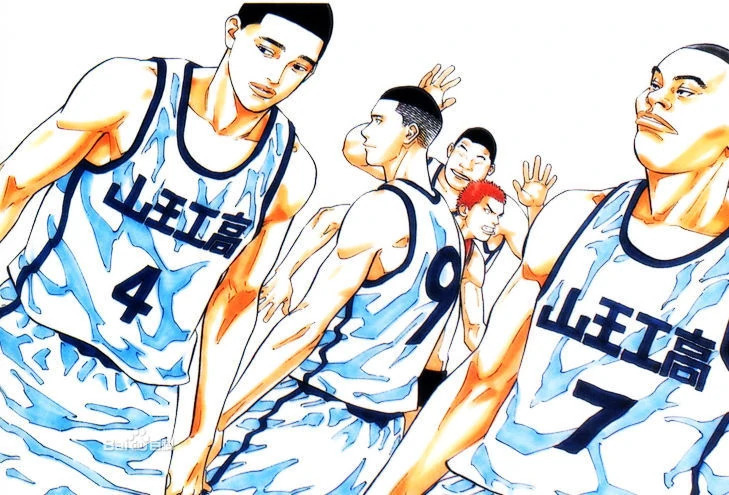
Why? Because not all of those classic moments from "Slam Dunk" will be re-told in "Slam Dunk THE FIRST SLAM DUNK." To reiterate, this is not a verbatim manga adaptation film. Many famous scenes or lines that audiences fondly recall may not appear in this work. The film deliberately leaves blanks in the visuals or dialogue, adopting an unspoken understanding. When that Sakuragi line, which you've repeated countless times in your head and even use in real life, is about to appear in the next scene, you'll be surprised to find that "Slam Dunk THE FIRST SLAM DUNK" simply doesn't let it be spoken. One could say this is "Slam Dunk THE FIRST SLAM DUNK"'s "fan-level fill-in-the-blanks test" for the audience: you know that in that moment, so-and-so will say that line, and the film waits for you to fill it in yourself with 26 years of passion.
"Slam Dunk" Image credit:renote
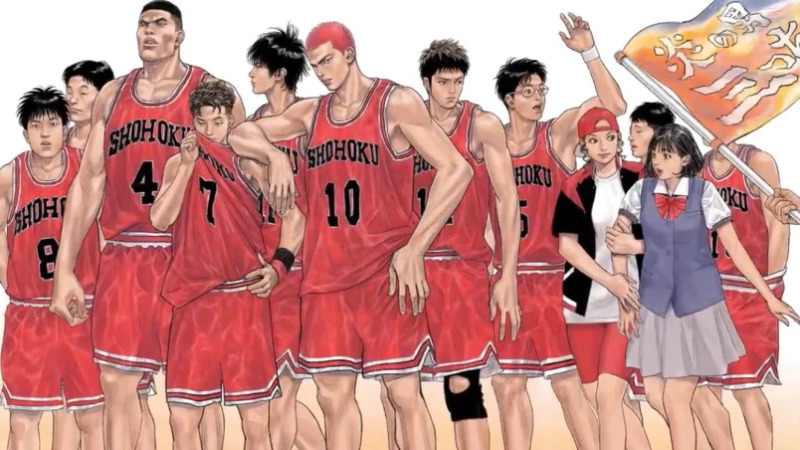
Don't expect the film to introduce the interpersonal relationships among the Shohoku basketball team members. Don't expect the film to tell you what each Sannoh Kogyo character's special talents are. Don't expect any flashback sequences where Shohoku's past rivals appear one by one for a fan appreciation festival. This film doesn't have much in the way of backstory; it tells the ending that TV audiences didn't see 26 years ago—meaning you can watch all 101 episodes of the anime before buying your movie ticket. "Slam Dunk THE FIRST SLAM DUNK" is only concerned with the Sannoh match, and it fills in the "dynamic descriptions" that were missing from the manga's Sannoh match. You'll see more interesting tactical applications, while also removing the slow, drawn-out camera work of the TV version. In the TV version, each character had numerous shots of running across half-court, but this isn't soccer; running isn't the focus of basketball offense and defense. "Slam Dunk THE FIRST SLAM DUNK" addresses this, presenting more authentic basketball action in the paint.
Famous scene from the Sannoh match Image credit:オークファン
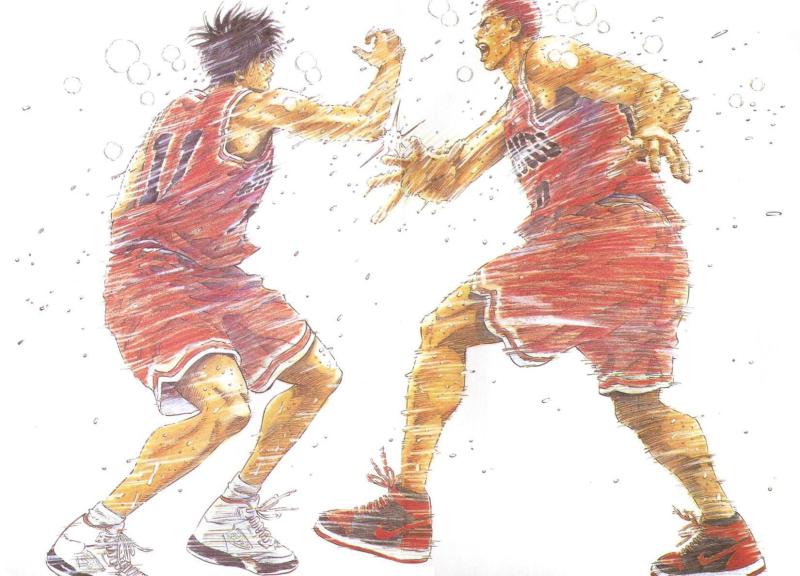
"Slam Dunk THE FIRST SLAM DUNK" is an observational film. One could say that 32 years ago, Inoue had only recently left his high school life, and he told the entire story from the perspective of "his high school self": he was Sakuragi, with poor basketball skills, who had to stay after school for repeated practice; his classmate beloved by girls was Rukawa; as a third-year becoming team captain, he could understand Akagi and Kogure's feelings... However, so many years later, he must, and can only, view this deeply philosophical and intensely realistic coming-of-age story from the perspective of a 50-year-old man (an age where having a high school-aged son wouldn't be surprising). Many of the comedic segments in the manga, intended to ease readers' emotions, have been largely removed. The passionate "narration" and "cheering" from teammates on the sidelines have also been significantly toned down... Takehiko Inoue no longer repeats these familiar supporting character moments that readers already know from the manga. Instead, he can focus more on the psychological confusion of high school students.
"Slam Dunk THE FIRST SLAM DUNK" Image credit:めぎしす!
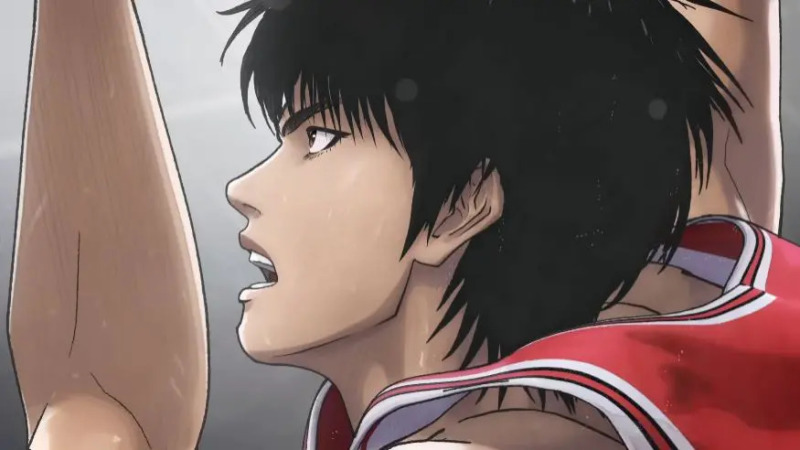
In some ways, "THE FIRST SLAM DUNK" is very much like "Vagabond": it's not concerned with how flashy or complex Musashi's sword techniques are, but rather why Musashi chose to make that particular strike? What thoughts did he imbue into that one sword stroke? In "Slam Dunk," there's also a description of Hanamichi Sakuragi's evolving mindset towards basketball. This time, "THE FIRST SLAM DUNK" tells the story from Ryota Miyagi's perspective, detailing his complex relationship with basketball, how he uses basketball to confront life's challenges, and the life goals and regrets he wishes to achieve and fulfill through basketball. It can be said that this is a theme that only the "current" Takehiko Inoue can explore. Victory and defeat on the court are important, but even more crucial is: what are these young men fighting for? What makes them willing to be bruised and battered on the court? And after such intense struggles, what do these young men see?
This is Takehiko Inoue's way of expressing gratitude at 55 years old, a gift dedicated to the youth of the 90s. "THE FIRST SLAM DUNK" may not necessarily win over younger audiences, but its brilliance might only be truly appreciated by the uncles and aunties who are no longer boys and girls.