

 (Image Source: Netflix, Warner Bros. Pictures, A24)
Just days ago, "The Brutalist," a film nominated for 10 Academy Awards including Best Picture, found itself at the center of an AI controversy. The film's editor unexpectedly admitted in an interview that during post-production, AI technology was used to fine-tune certain Hungarian dialogue where actors' pronunciations were not precise enough. This revelation immediately sparked questions about the authenticity of the performances and whether AI-assisted work should remain eligible for awards.
However, "The Brutalist" is not an isolated case. With AI technology becoming increasingly prevalent, many films last year incorporated it to varying degrees. This includes other multi-Oscar-nominated features such as "A Complete Unknown," "Dune: Part Two," and "Emilia Pérez."
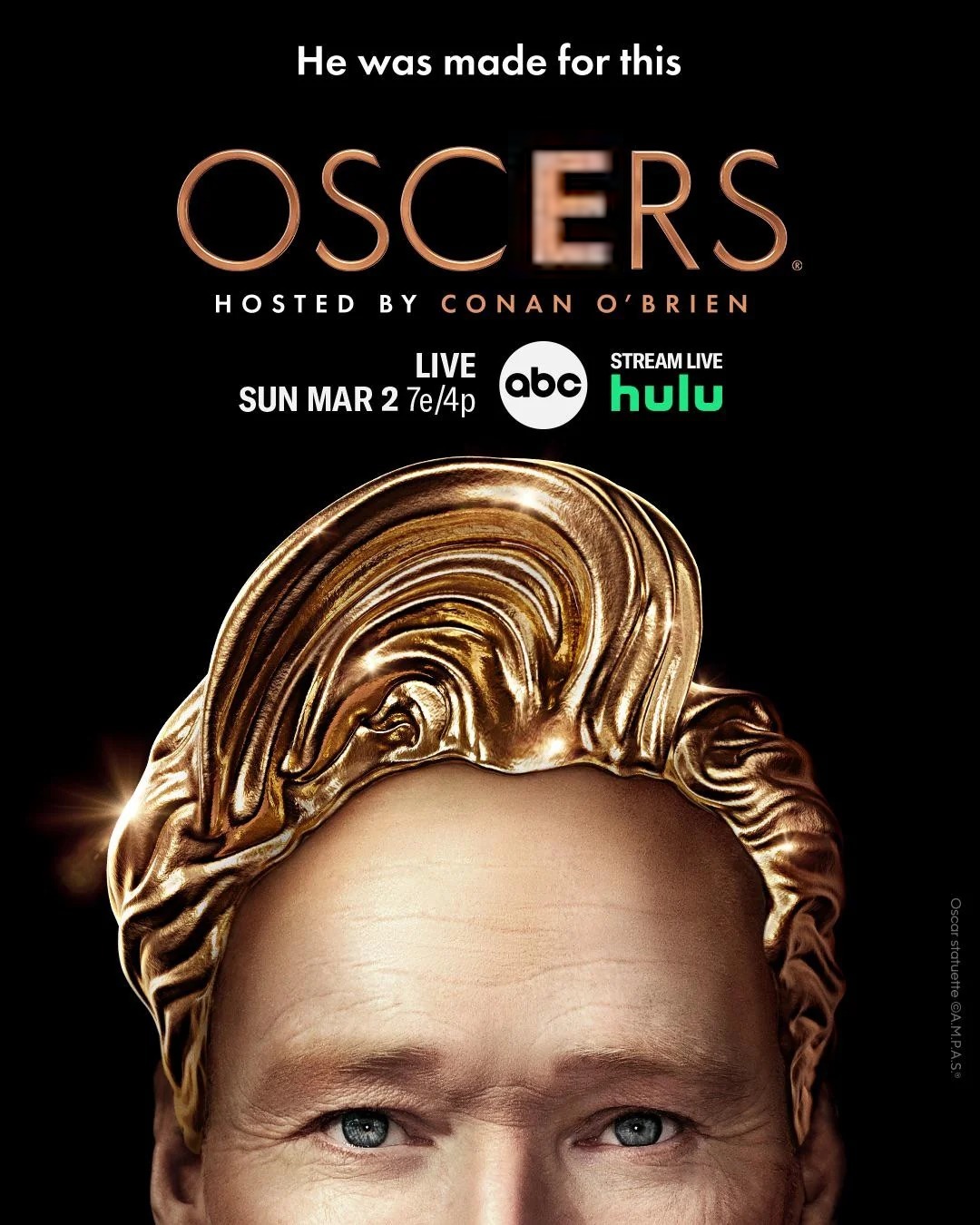
(Image Source: ABC)
The primary point of contention revolves around AI's application in modifying actor performances. Even minor adjustments raise concerns that these portrayals are not solely the actors' own work, leading to fairness issues when competing for prestigious awards. To address these growing instances, the Academy of Motion Picture Arts and Sciences, which hosts the Oscars, is now considering revising its regulations. The proposed changes would require submitting teams to provide proof of AI technology use, with new guidelines anticipated to be announced in April and implemented for next year's awards season.
Currently, nominated productions can voluntarily choose to disclose AI-related information. However, once the Academy completes its investigation into AI usage and establishes effective regulatory methods, it will formally mandate all submitting productions to disclose all relevant information.
via: Variety