

The mobile gaming market is overflowing. New titles and genres drop constantly, from big-name IP adaptations to indie darlings. For players, the real question is whether there are enough hours in the day to play them all. So, what's the secret sauce that makes a mobile game truly captivating?
Japanese gaming site Den Fami Nico Gamer recently published a deep dive into the seismic shifts that have rocked the mobile game industry and the world of game writing over the past decade, from 2015 to 2025, while also looking ahead at what's next.
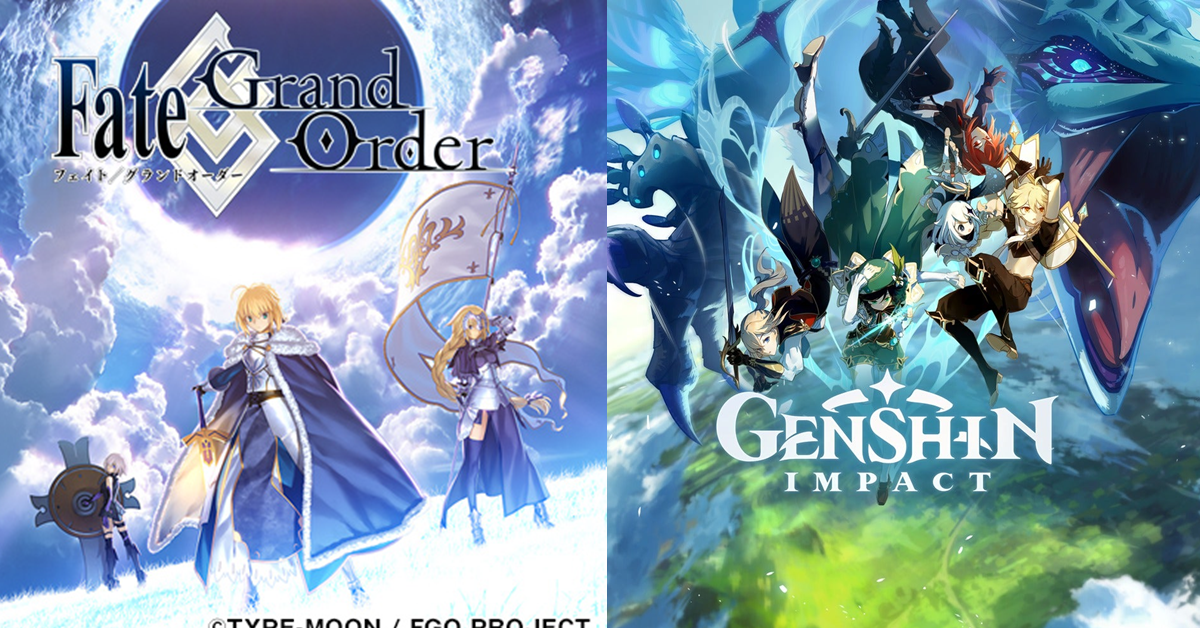
Based on the author's experience in the industry since 2007 and conversations with peers, the last ten years can be broken down into these key phases:
1. 2015: *Fate/Grand Order* arrives and completely rewrites the playbook for game narratives.
2. 2020: *Genshin Impact* kicks off a new era dominated by high-budget global blockbusters.
3. 2023: The "mobile game bubble" pops, triggering a massive industry shake-up.
4. 2025: The "quality of experience" becomes the ultimate battleground.
5. 2025: A growing divide emerges in the demand for and compensation of game writers.
Let's break down what each of these phases really means.
▼ 1. The Great Disillusionment: Why "Just Copy FGO" Failed
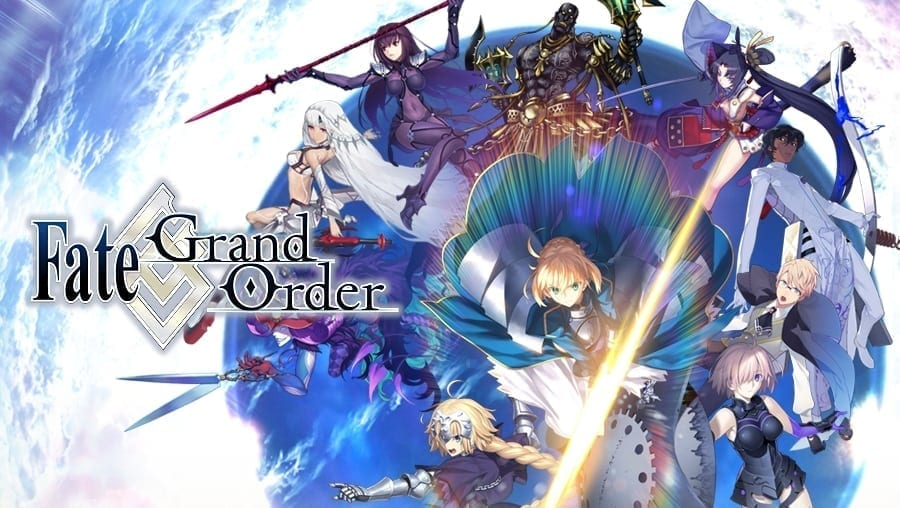
Fate/Grand Order launched in August 2015, and here's the kicker: both developers and longtime fans will tell you, "The game was a hot mess at launch." It was riddled with bugs, constantly down for maintenance, had no speed-up function, and featured a painfully tedious combat system. Many of its design choices were just lazy holdovers from the "that's just how mobile games are" era. But thanks to the love and patience of a die-hard fanbase, it slowly improved.
Around the summer of 2016, the release of Chapters 6 and 7 of the main story created massive buzz. A multiplayer raid event at the end of the year sealed the deal, catapulting *FGO* into the stratosphere as a national phenomenon. Even in 2025, it remains a fixture at the top of the charts, its position unshakable.
Naturally, from 2017-2018, the industry was obsessed with dissecting *FGO*'s success, leading to a flood of pitches screaming, "We're gonna be the next *FGO*!" Of course, nearly all of them crashed and burned. Here's why:
Reason 1: They misunderstood what made *FGO* a hit. The sprawling world-building and the sheer talent of TYPE-MOON's writing team were simply impossible for the average studio to replicate.
Reason 2: *FGO* itself was too powerful. Veteran players had already invested immense time and money, making them incredibly difficult to lure away. Unlike console games you buy, play, and finish, these long-running service games build deep emotional attachments and become part of a player's daily life.
Reason 3: The clones had no unique identity. *FGO* launched with the massive advantage of the *Fate* series' built-in halo and its massive, loyal fanbase. Even with a rocky start, people were willing to stick around and watch it grow. Other games didn't have that luxury and were abandoned before players even bothered to get to know them.
▼ 2. The Genshin Impact Shockwave: A New Global Standard
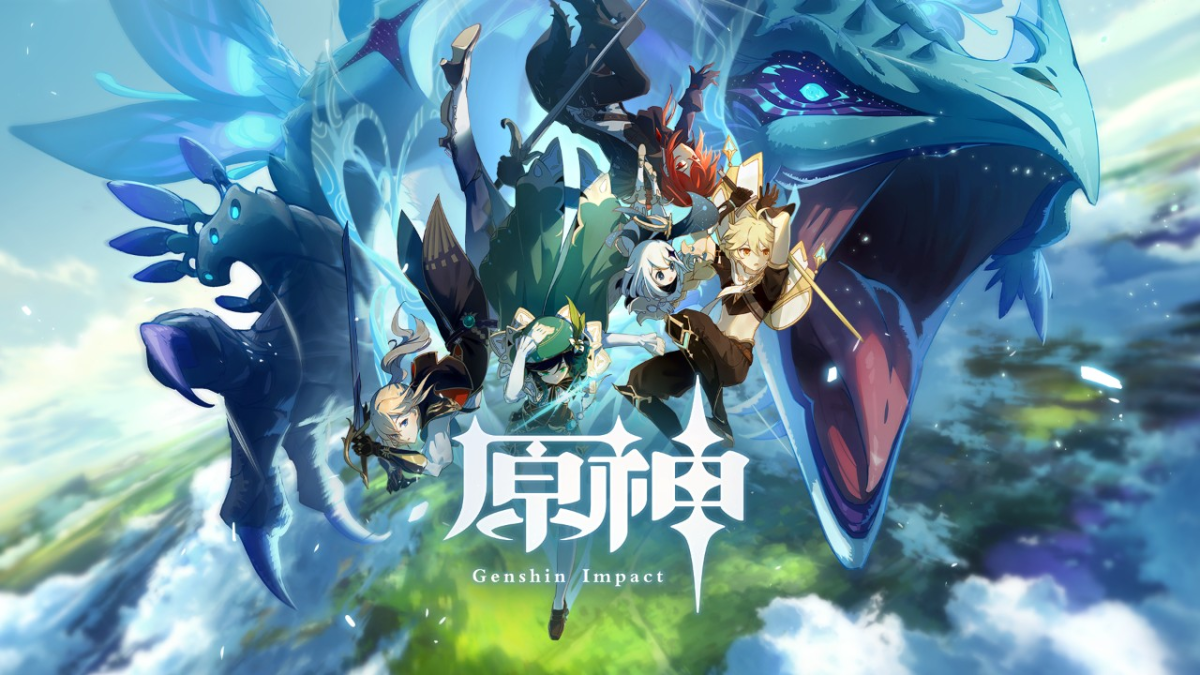
While the Japanese industry was still stuck in its "let's copy *FGO*" phase before 2020, a "black ship" from overseas arrived in September of that year: Genshin Impact. Setting aside the plagiarism controversies that surrounded its launch, its impact on the industry was undeniable. It brought fully explorable 3D environments and detailed 3D character models to mobile, complete with nuanced voice acting and animations. This "doll theater" level of presentation was virtually unprecedented in Japanese mobile games at the time.
And that's not even mentioning that *Genshin Impact* was fully voiced. No matter where you went, dialogue would trigger, with even the shortest lines delivered by professional voice actors. This level of detail breathed life into the story but also represented a monumental increase in workload. For Japanese mobile game planners and writers, it was a massive wake-up call.
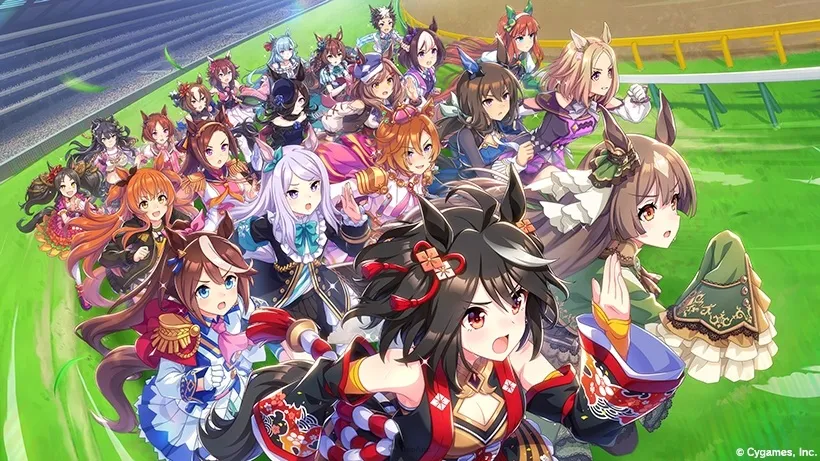
The arrival of a behemoth like *Genshin* forced Japanese companies to a crossroads: stick with the old development models, give up on competing with blockbusters, or pour in resources to fight back? In the years that followed, titles like 2022's Heaven Burns Red and Cygames' Uma Musume Pretty Derby reclaimed the spotlight with high-budget, polished presentations. But across the board, the pressure of this new "quality arms race" was on.
▼ 3. The Bubble Pops: A Market Correction and Industry Reshuffle
In April 2023, HoYoverse launched *Honkai: Star Rail*, once again demonstrating the power of global blockbusters to the Japanese industry. But around this time, everyone started noticing a major problem: the once red-hot mobile market was changing. Many began calling it the "bursting of the mobile game bubble."
① Skyrocketing Development Costs and Fierce Competition
Players' standards have become incredibly high. With Chinese titles like Genshin Impact and Honkai: Star Rail, and later, Korean hits like Blue Archive and Goddess of Victory: Nikke, raising the bar, everyone has to deliver higher quality to compete. This means not just development costs, but also operating expenses and advertising budgets have all skyrocketed, dramatically increasing the risk of making a new game.
② Oversaturation and Market Concentration
New mobile games launch practically every day, flooding an already oversaturated market. With established titles doing everything they can to retain players and revenue, it's become incredibly difficult for new games to find a foothold and survive.
③ Competition Beyond Games
Players aren't just playing games on their phones; they're binging shows, reading manga, and more. The idea of "spending time on what's most rewarding" has gained traction, raising the opportunity cost of sinking hours into a mobile game. Add in subscription services, creator donations, and live-streaming, and players' entertainment budgets are stretched thin.
These factors combined to create a storm in 2023-2024, where many mobile games began announcing shutdowns or end-of-service dates. Even major console and AAA projects were put on ice. Gaming giants like Square Enix and Bandai Namco mentioned project adjustments and cancellations in their 2024 financial reports, signaling a major shift in strategy from the top down.
But it's not all doom and gloom. The "bubble bursting" isn't a total market collapse, but rather a "transitional period" or a "realignment." The market is now filtering for winners, concentrating resources on titles with real staying power and the ability to operate long-term.
In fact, several games have thrived amidst the chaos. Gakuen Idolmaster, launched in May 2024, earned rave reviews for its high-quality production and clear focus, delivering a compelling idol story that perfectly captured the current trend.

▼ 4. The "Quality of Experience" Becomes King
Back in 2013, the mobile game Chain Chronicle pioneered the "main story + character stories + event stories" three-act structure. It defined the standard formula for narrative delivery: a short, medium, and long-term narrative loop that hooks players and then draws them deeper into the world.
At the time, the mobile market was just taking off, and developers were figuring out how to get players to log in daily without burning them out. That three-act structure was the perfect solution. But by 2025, after being spoiled by countless high-budget titles, players demand more. Just having a good story isn't enough. The narrative has evolved from a "nice-to-have" feature to something that must be satisfying, memorable, and shareable.
In the past, players might get hyped just by reading a cool main story chapter in *FGO*. Now, if a story segment is poorly paced or the presentation is lazy, players won't even finish it, let alone open the game next time. The new buzzword is "quality of experience." It's about asking, "Where is the player, what's their mood, and will this specific scene and story beat resonate with them?" It encompasses everything from UI transitions and emotional pacing to creating truly jaw-dropping moments. This can't be fixed by just adding more script, nor can it be solved by simply upgrading to 3D graphics. The key is to remind the player in "every single second" that their investment of time and money is worthwhile.
Developers can leverage the modern player's desire for efficiency. Bite-sized interactive stories or micro-animations are often a better fit for the mobile gaming rhythm. Instead of reading a wall of text, players are more likely to be drawn in by something that makes them think, "Hey, this looks interesting."
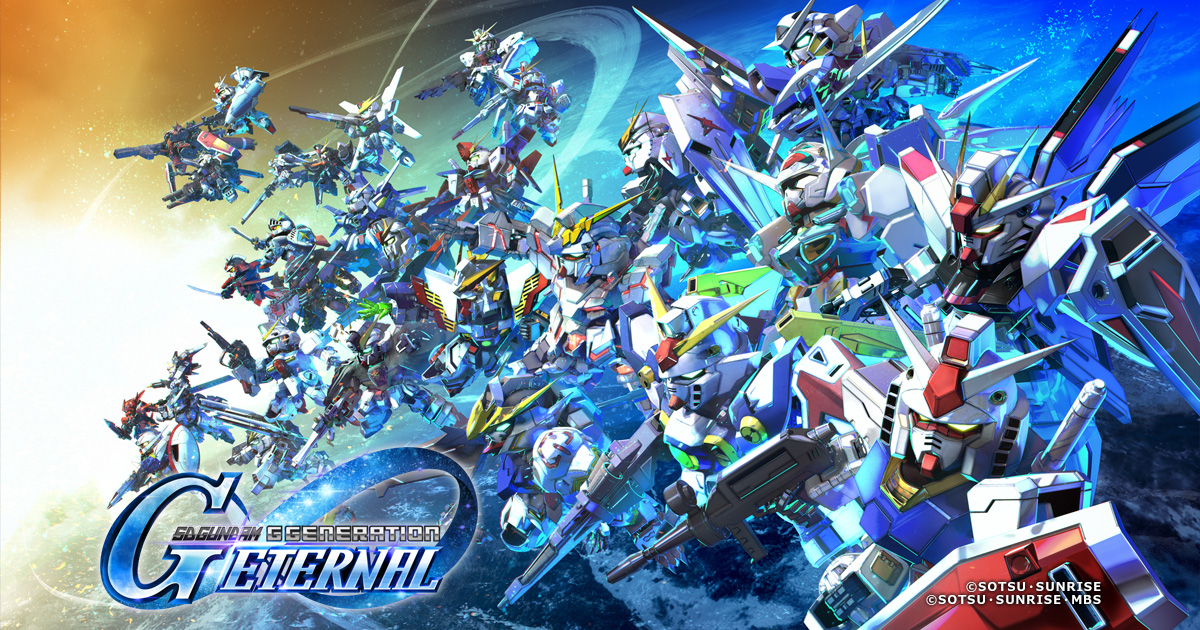
Successful examples include Gakuen Idolmaster, or the synergy seen when an in-game event for SD Gundam G Generation Eternal launched in sync with the broadcast of the *Mobile Suit Gundam GQuuuuuuX* anime. A short scene, a mini-episode, or a fun interaction can be the perfect hook to get people to open the game and check for updates.
▼ 5. The Great Divide: Demand and Pay for Writers
This point is more industry-focused. Many new games are adopting the "doll theater" presentation style of *Genshin Impact* and *Uma Musume Pretty Derby*. A script is no longer just dialogue; it has to account for voice actor performance, marketing beats, anime tie-ins, comedic timing, and other details. In other words, today's game writers are expected to write like they're creating a screenplay for a movie or TV show.
This has led many companies to favor bringing on freelance writers for "resident" positions within the game team. Instead of just outsourcing a script and waiting for delivery, these writers are embedded in the studio throughout development, attending meetings and making adjustments alongside the team. While they are technically freelancers, those who can secure these resident gigs often enjoy stable income, getting paid according to project milestones—sometimes more reliably than full-time employees.
Conversely, opportunities for "full-time staff writer" positions are dwindling. Some major studios don't even have openings. Even dedicated writing agencies are facing layoffs, downsizing, and project consolidation. The core issue is that the cost of training a writer is too high. It's often more efficient for companies to hire proven external talent who can immediately sync with the game's vision.
This has created a widening pay gap among writers. Freelancers with a great reputation and a collaborative spirit can land high-paying, stable resident roles. Those without that track record are left taking "per-word" or "per-piece" jobs that make it difficult to earn a living.
This compensation divide is especially brutal for newcomers. Landing a resident freelance gig requires a strong portfolio and experience, but new writers can't get those resident roles. They're forced to take on smaller outsourced jobs to build experience, but the low and unstable pay makes it hard to develop their skills on major projects, preventing them from building a portfolio that can compete for high-value work. It's a classic case of "capital concentrating at the top," leaving newcomers in an increasingly precarious position.
From the author's perspective, it's clear that as player expectations for mobile games continue to rise, titles that lack quality are quickly dismissed, sometimes without a second glance. Simply slapping a powerful IP on a game is no longer a guarantee of success, as evidenced by the countless "officially licensed" mobile games that fade into obscurity.
With so many entertainment options competing for a limited amount of time on our phones, the new challenge for game designers is securing a priority spot in a player's daily routine. Perhaps in another five years, the landscape of mobile gaming will have transformed all over again.
via: 電ファミニコゲーマー