

Japanese shojo manga kicked off with classics like "The Rose of Versailles" and "The Daughter of the Nile," but it was the 80s and 90s that truly saw a boom. Iconic titles such as "Boys Over Flowers," "Kodocha," and "Sailor Moon" all emerged during this era. While shojo manga might seem less prominent today, it still holds a significant market.
Recently, the classic shojo manga "Boys Over Flowers" sparked a fresh wave of discussion on X (formerly Twitter) in Japan. A netizen's post highlighting protagonist Tsukasa Domyoji's overly violent and absurd behavior in the original manga led to a massive online debate. Users began questioning why so many shojo manga from that period featured such extreme values and ethical portrayals.
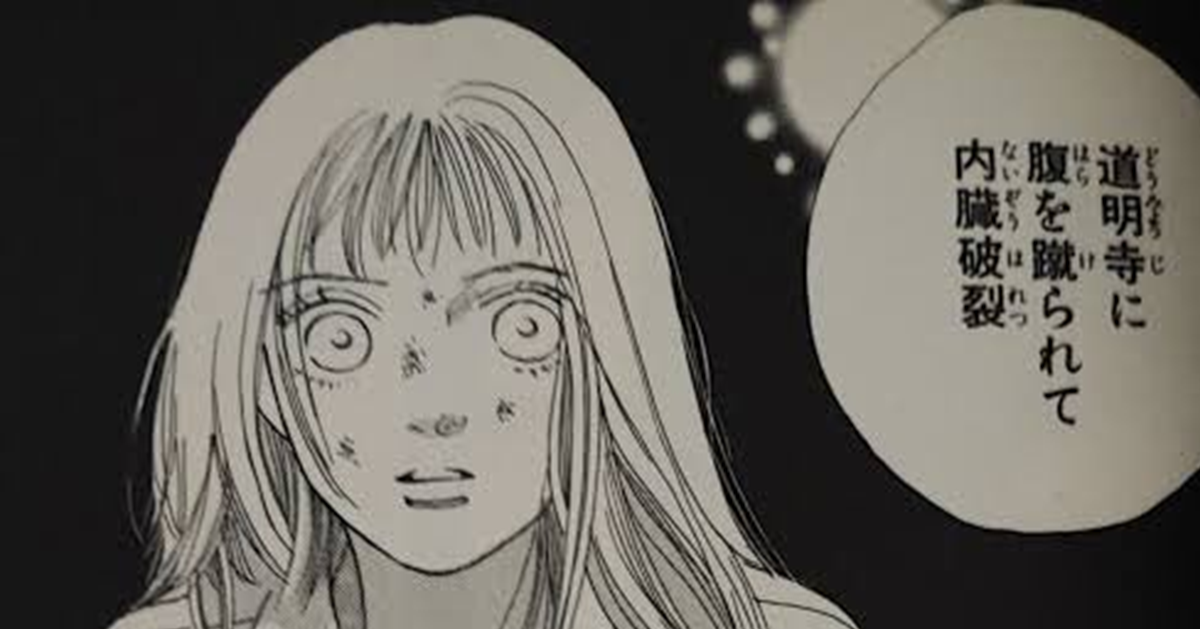
The discussion ignited when a user posted about re-reading "Boys Over Flowers" and realizing Domyoji was not just a "super scumbag" in the original, but even had a plotline where he "kicked someone in the stomach, rupturing their internal organs." How, they wondered, could such a character become a school idol, and why would the protagonist Tsukushi Makino even want to be with him? In modern times, such a person would be completely unacceptable.
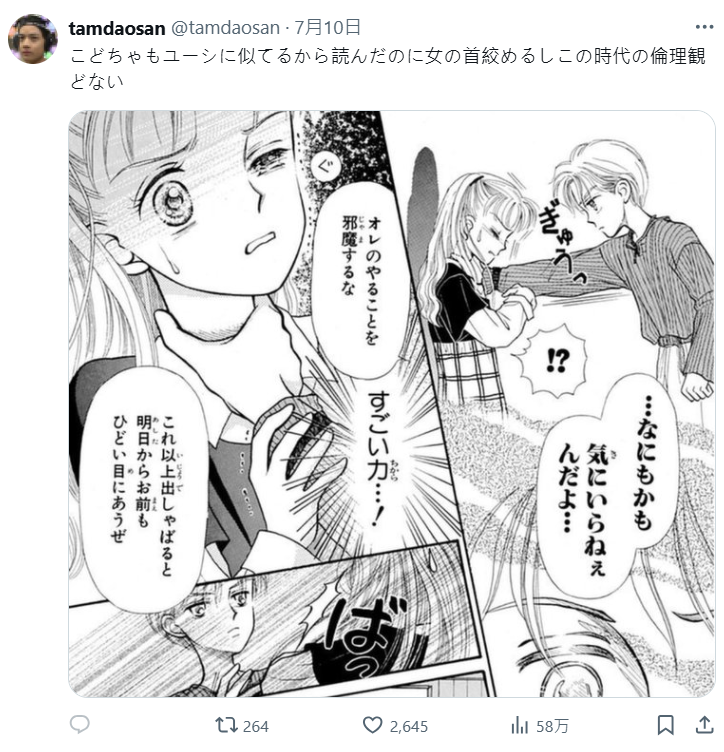
The original poster also mentioned checking out "Kodocha" and being shocked to find a scene where the male lead, Akito Hayama, chokes a girl. "What was up with manga from that era?" they exclaimed, "The values are totally messed up!" They later learned that "Kodocha" actually tackled social issues and wasn't just a romance manga, but still found the shojo manga of that time surprisingly hardcore and different from what they'd imagined.
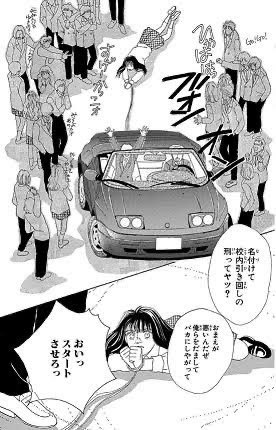
The post quickly went viral, with many netizens joining the fray, digging up various outrageous plot points. These included attempts to sexually assault Makino, dragging her tied to a car, and orchestrating school-wide bullying. "How could anyone fall in love with a guy like that?" many asked. One user pointed out, "Those violent tsundere characters were actually the predecessors to the violent tsundere heroines we see later, just with the genders reversed."
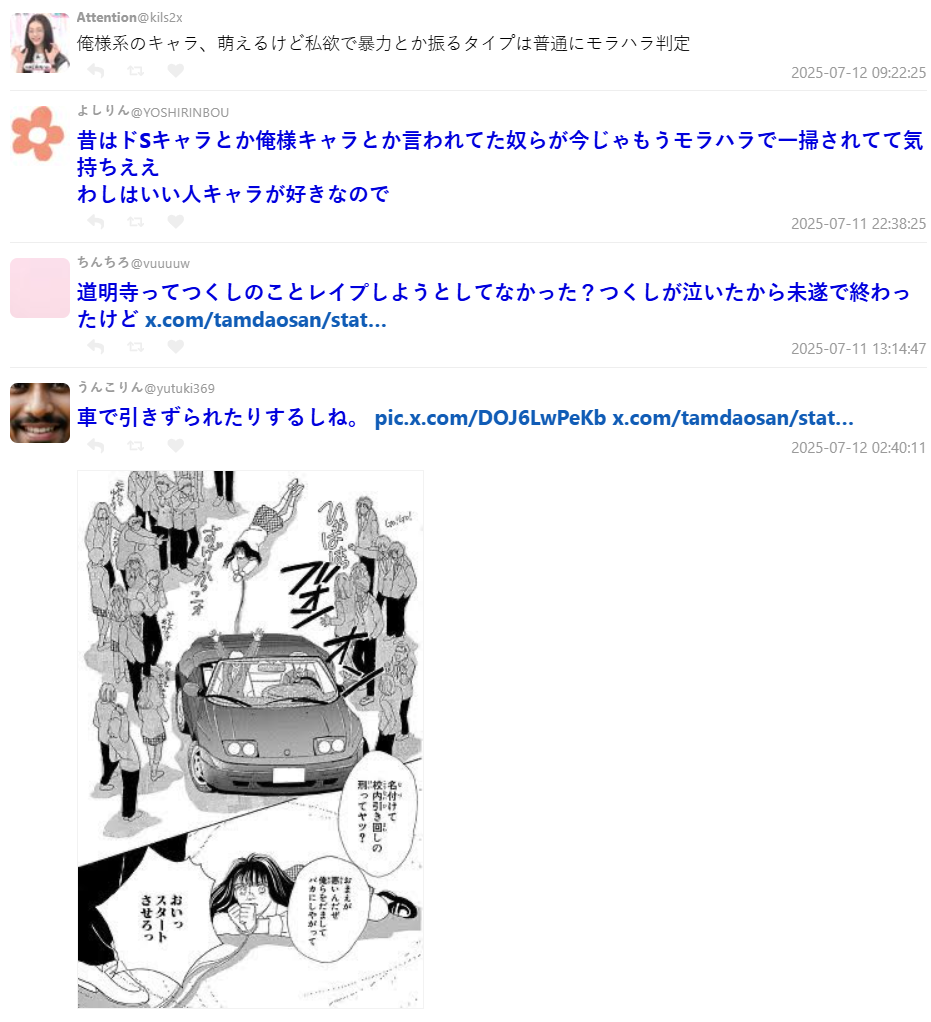
Another netizen commented, "I've never even seen a scene like that 'ruptured internal organs' kick in a fighting game. That's like a traffic accident level of horror. Domyoji is truly terrifying." Someone else couldn't stomach how the original work packaged such behavior as romance, angrily stating, "That's not bullying, that's assault, a criminal offense!"
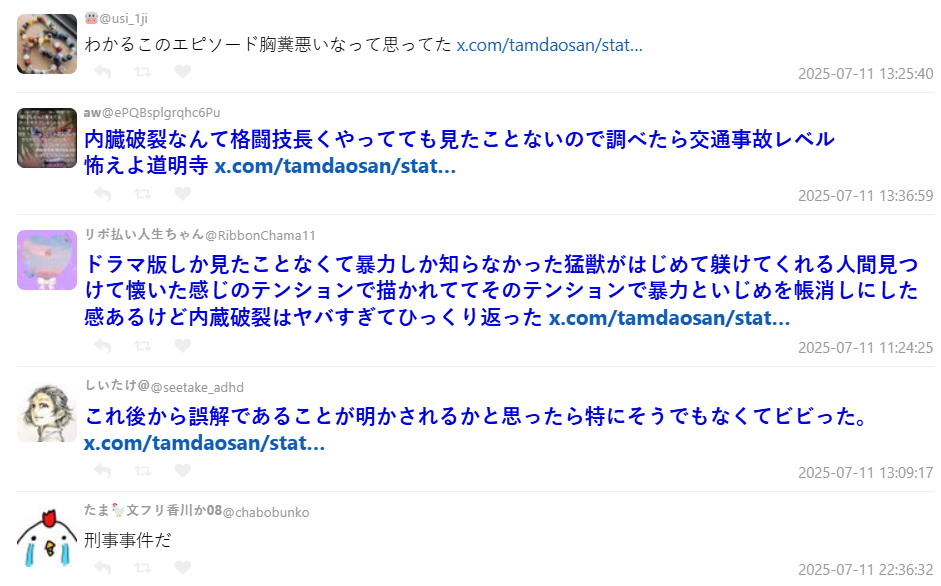
Many also expressed surprise, having only watched the TV drama adaptations. "I only saw the drama before, and I thought Domyoji was just a bit hot-headed. I had no idea the original was so grotesque. Ruptured organs, seriously?" One netizen even joked, "This is basically a yakuza film disguised in school uniforms."
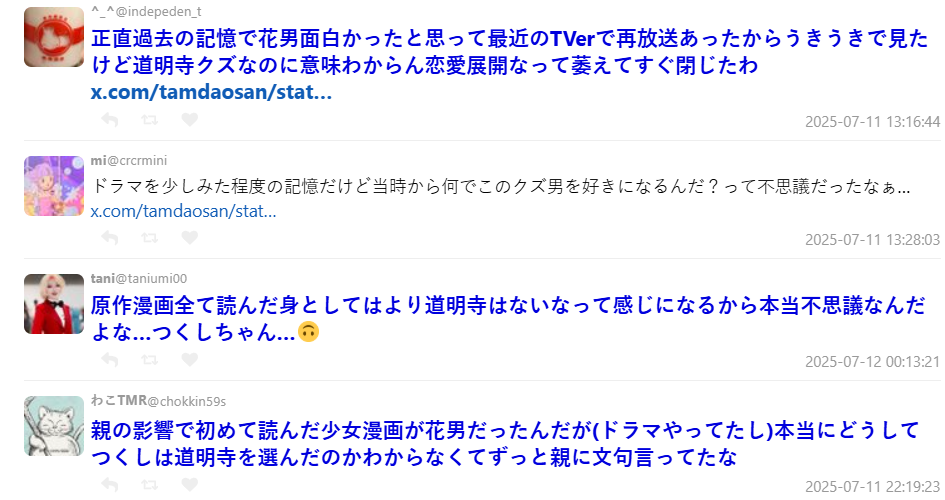
The original work's values also became a central point of discussion. A user recalled, "When I was little and read 'Boys Over Flowers,' I was totally brainwashed into thinking 'you have to be strong enough to deserve to be loved.' Looking back now, it feels incredibly sick."
Beyond "Boys Over Flowers," other 90s shojo manga like "Kodocha," "NANA," and "Magic Knight Rayearth" were also cited for similar extreme plot points. Netizens concluded, "Old shojo manga really felt like the turn of the century; their values were even worse than shonen manga."
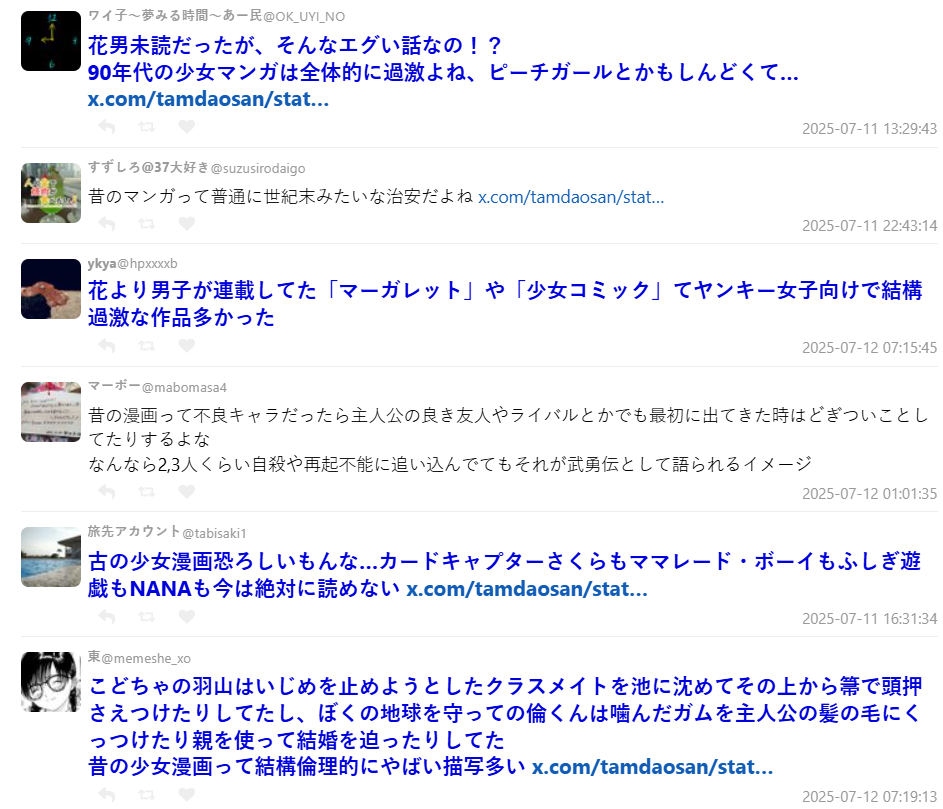
However, some netizens attempted to explain it from the perspective of the era. "Back then, everyone understood 'manga is just manga' and didn't scrutinize character actions as much as we do now. Perhaps it also reflected the prevalence of school bullying at the time." Others suggested that the trope of "a tyrant turning into a devoted lover" was a beloved formula in shojo manga of that era, and its success led many other works to emulate it.

Despite these explanations, many Japanese netizens admit that re-reading the originals today makes them "unable to see them in the same light." They frequently question, "Why did Makino choose Domyoji in the end? He was her abuser!"
Of course, creative works are products of their time. Many plotlines in past shojo manga might indeed seem excessive by today's standards and potentially unacceptable to modern audiences. Perhaps there truly were reasons for their popularity within the context of that specific era.
via: togetter