

The recent controversy surrounding the "delisting of adult games" has sparked intense debate within the gaming community. Both Steam and itch.io have admitted to facing pressure from payment processors, revealing that the issue stems from Australian non-profit human rights group Collective Shout, which has been reporting content involving sexual violence or the torture of women.
Now, Steam's parent company, Valve, has addressed the situation through external media outlet PC Gamer, clarifying its current relationship with credit card companies.

Valve explained that they attempted to contact Mastercard directly but were refused, ultimately having to relay messages through payment intermediaries or banks. Valve also mentioned that payment processors cited Mastercard's "Rule 5.12.7," which prohibits platforms from processing any transactions that could damage the brand's image.
Prohibited content includes:
Clearly offensive or objectionable content
Non-consensual sexual acts
Child sexual exploitation
Non-consensual dismemberment
Illegal or extreme content such as bestiality
If platforms violate these rules, they risk not only having their payment processing suspended but also facing financial penalties. Valve confirmed that it has indeed been affected by Mastercard's terms.
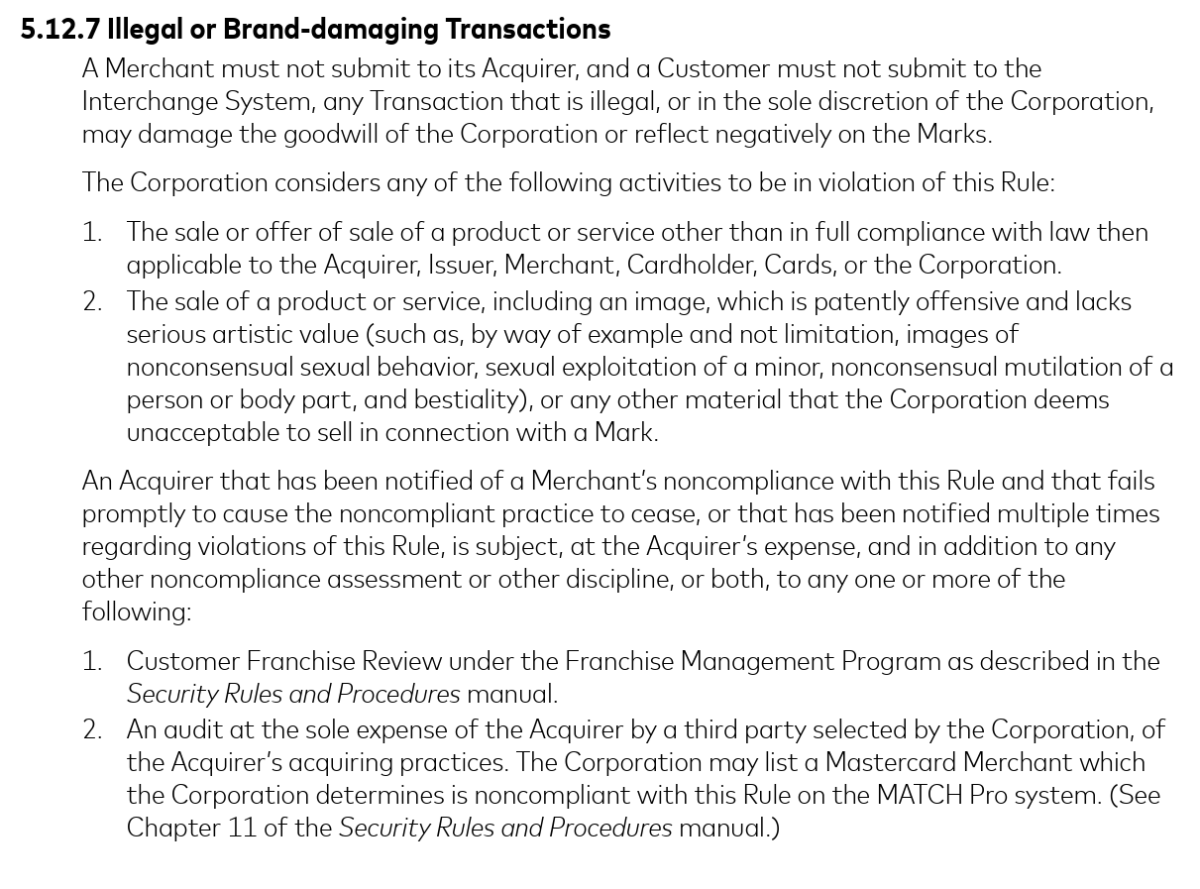
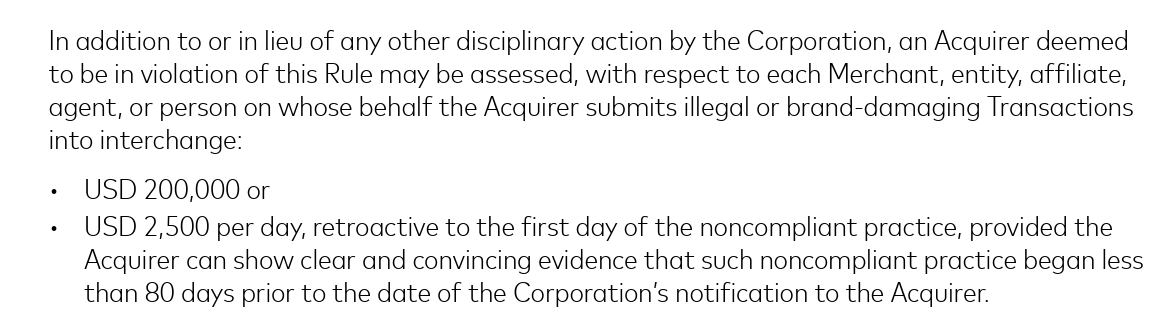
Amidst the uproar, credit card company Mastercard issued a statement on its official website on August 1st, titled: "Clarification Regarding Recent Reports Related to Gaming Content." While not directly naming anyone, it was clearly in response to the adult game delisting controversy.
Mastercard stated that they do not intervene in evaluating game content nor do they impose any content restrictions on platforms. Their stance is: as long as the content is "legal," they permit the use of their credit cards for payment. However, they also emphasized that merchants themselves are responsible for ensuring transactions do not involve illegal adult content. This statement effectively refutes online rumors suggesting "credit card companies are the masterminds" behind the delistings.
Unlike other gaming platforms, CD Projekt's GOG launched its "FreedomToBuy" campaign on August 2nd, openly challenging censorship. As part of the event, GOG gave away 13 adult-oriented games to players worldwide for free. Over a million people claimed the games within the 48-hour window, a move widely seen as a protest against the current controversy.

Naturally, the human rights group's call for action, which led some credit card companies to demand platforms "restrict specific content," has led netizens to suspect this is a form of indirect content censorship. Many believe credit card companies are engaging in speech censorship. Japanese players, too, are quite displeased, having long suffered from similar restrictions imposed by credit card companies on platforms like DLsite and Melonbook.
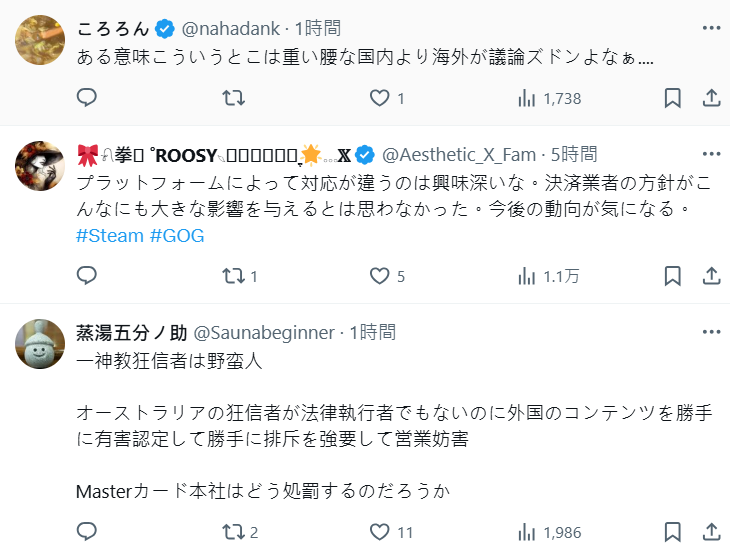
In fact, such situations have occurred in Japan before. Starting in 2024, Japanese doujinshi and doujin game sales platforms were already affected by credit card company policies, sparking discussions. Now, with Steam, one of the world's largest gaming platforms, also being implicated, this incident has escalated into a global uproar.
via: PC Gamer