

Osamu Akimoto's legendary manga, KochiKame (full title: Kochira Katsushika-ku Kameari Kōen-mae Hashutsujo), which ran for an incredible 40 years in Jump, is undoubtedly etched in everyone's memory. It holds the record for the "longest serialization in a shonen magazine" and has become a household name across Japan.
To commemorate the day KochiKame first graced the pages of Weekly Shonen Jump on September 21, 1976, Shueisha's e-book platform, "Zebrack," launched a special feature. They sat down with creator Osamu Akimoto to look back at his mindset and creative journey from those early days.
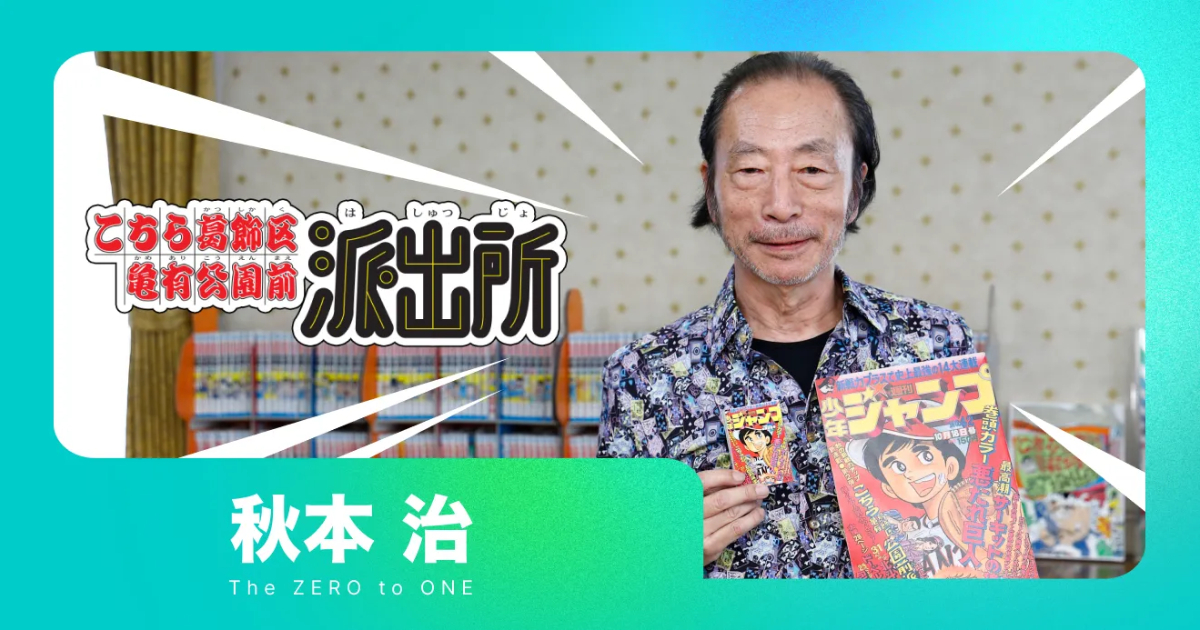
Akimoto recalled that his very first submission to Jump was accepted, and he was then immediately offered a serialization. But for him, it wasn't just pure joy; it was overshadowed by intense anxiety: "Could I really deliver a manuscript every single week?"
He admitted, "At first, it took me over a week just to draw one chapter's storyboard. I was supposed to have ten chapters banked, but I only managed six. Once serialization started, I was constantly drawing to catch up, never daring to relax." During that grueling period, his unhealthy lifestyle even led to a duodenal ulcer, which he powered through with medication just to keep the weekly serialization going without a break.
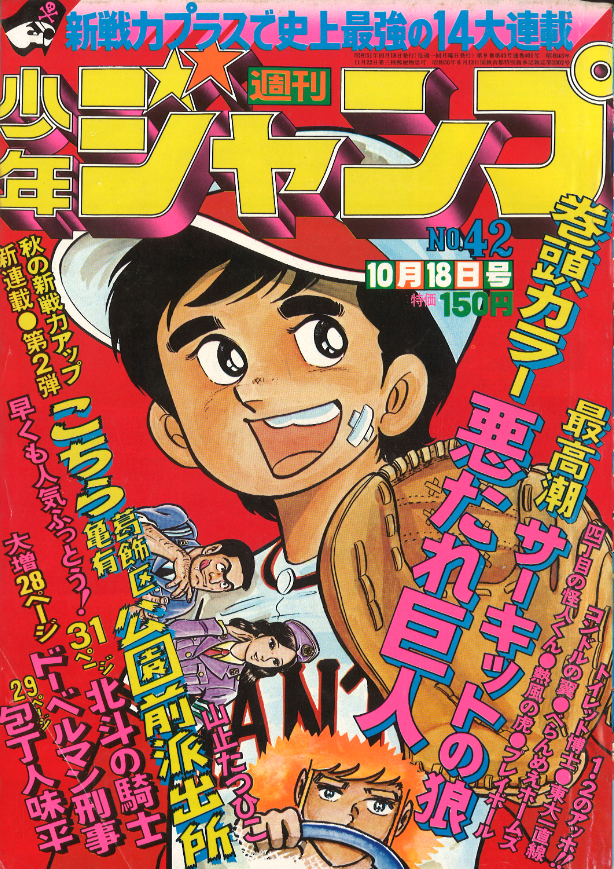
▼ KochiKame debuts in Weekly Shonen Jump in 1976
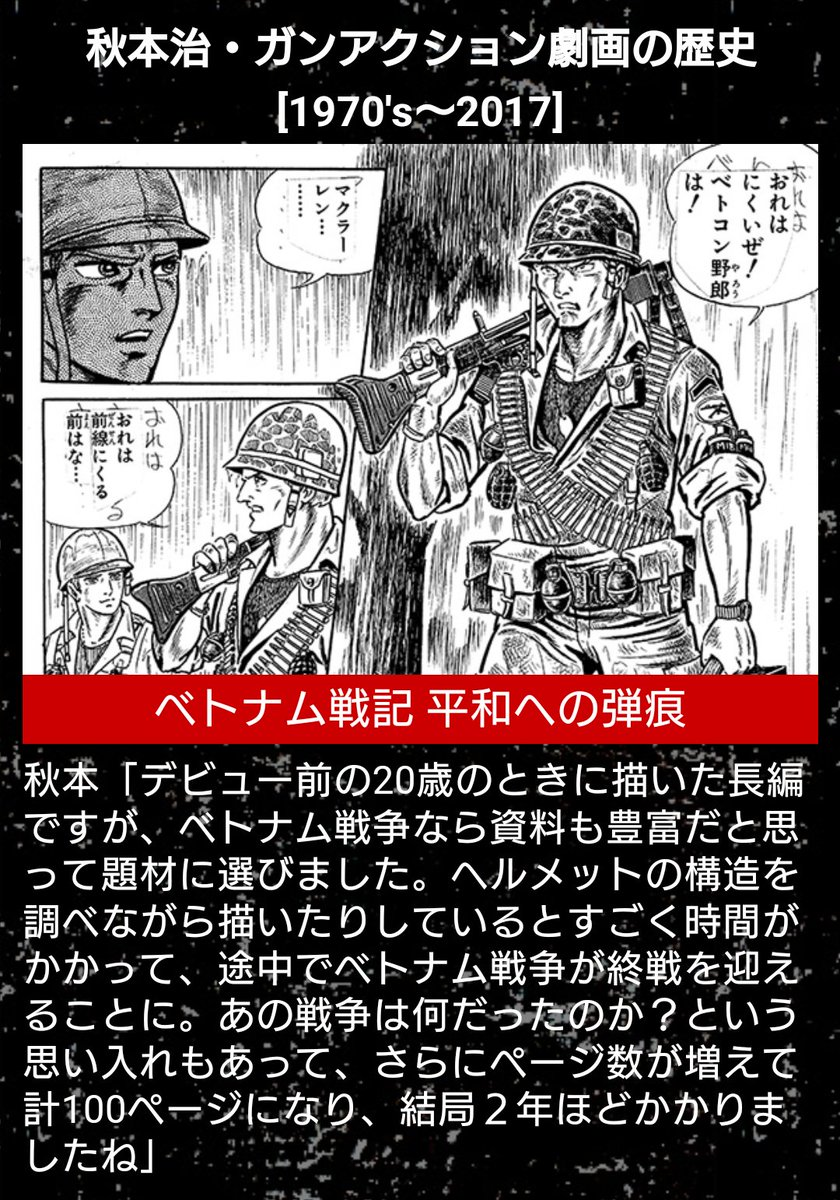
Akimoto's initial ambition was actually to become a gekiga manga artist. Influenced by the gekiga boom of the 60s and 70s, he was obsessed with realistic war comics in high school, even creating a Vietnam War-themed work titled "Bullet Scars for Peace."
However, he soon realized that gekiga required extensive research, and its intricate style was almost impossible to maintain for a weekly serialization. So, he shifted his focus, drawing inspiration from the familiar downtown life of Katsushika Ward, Kameari, where he grew up.
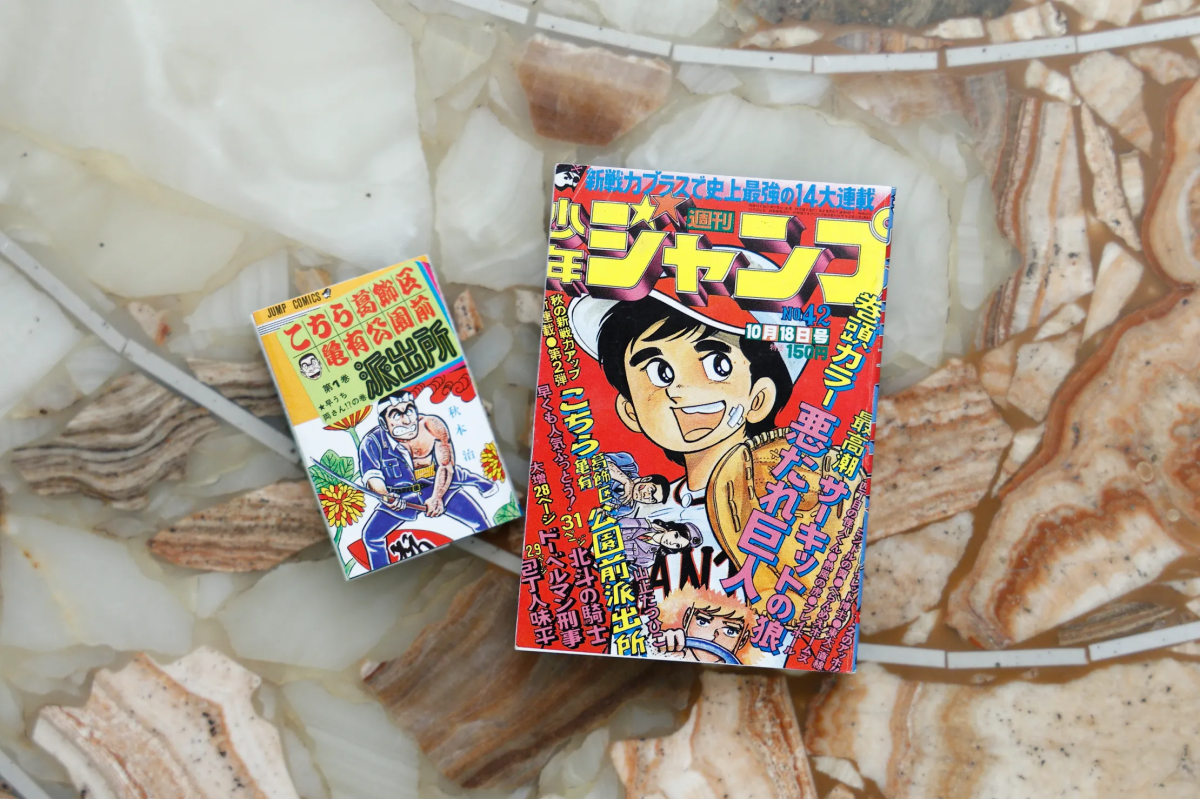
When discussing the birth of KochiKame, Akimoto shared that he was inspired by the popular movie "Dirty Harry" at the time and initially wanted to draw a police drama. But due to a lack of research material, he decided to set the stage in a local police box instead. He also wanted the title to be "conspicuous," leading to the famously long title, "Kochira Katsushika-ku Kameari Kōen-mae Hashutsujo." He added, "Honestly, the title was so long that even the editors found it troublesome to fit on the cover, but I just thought it would grab attention, and it ended up sticking until the very end."
As for the character of Ryo-san (Ryoutsu Kankichi), Akimoto revealed he's a blend of the tough-guy image from Toei yakuza films and the downtown humor of Tora-san from the TV series "Otoko wa Tsurai yo." Akimoto himself doesn't smoke, drink, or gamble, but he absorbed these cultures from his relatives, observing them from the sidelines.
The manga often features summer themes, a direct reflection of his deep love for the season. His childhood memories of growing up downtown—catching crabs, watching kamishibai street theater, and playing in public baths—all became wellsprings of inspiration for KochiKame.
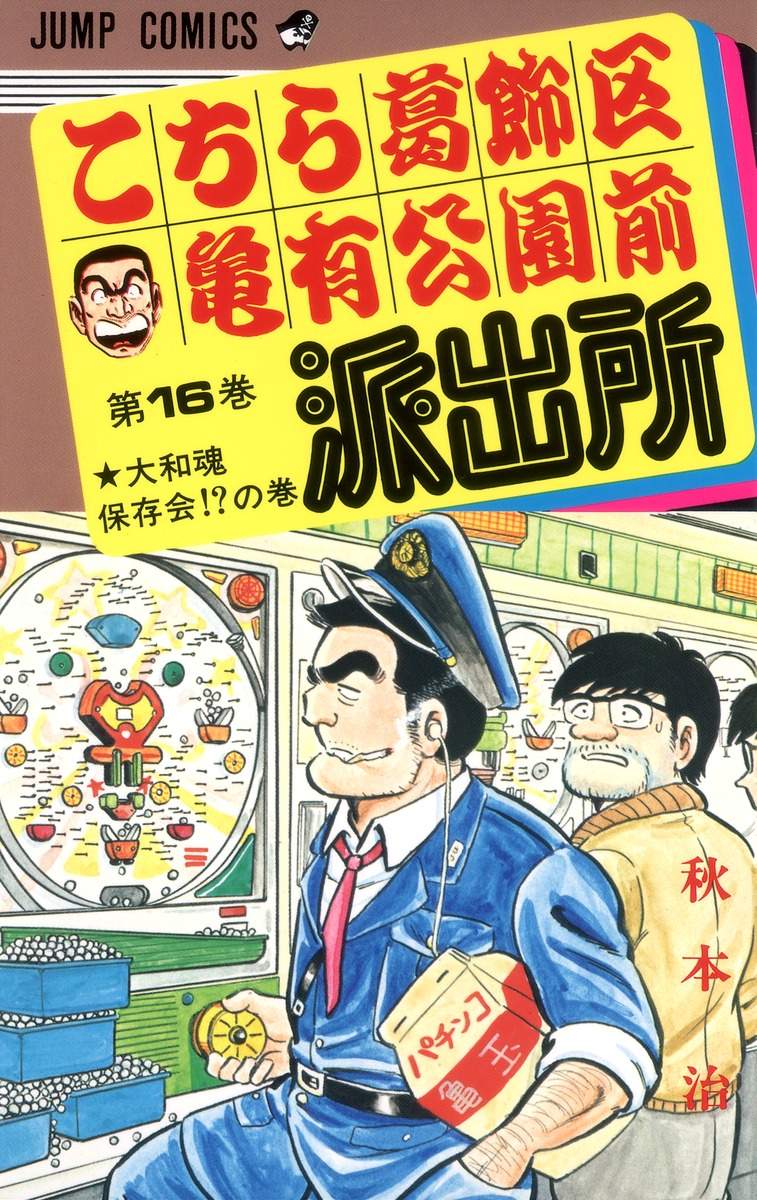
From its start in 1976 until its grand finale in 2016, Akimoto famously stuck to his vow: "No matter what, I will deliver 19 pages of manuscript every week," achieving the miracle of never taking a single break. He confessed, "To be honest, I never imagined it would run for 40 years. At first, I just thought, 'Let's just get through ten chapters and release one tankobon volume,' and then somehow, it just kept going."
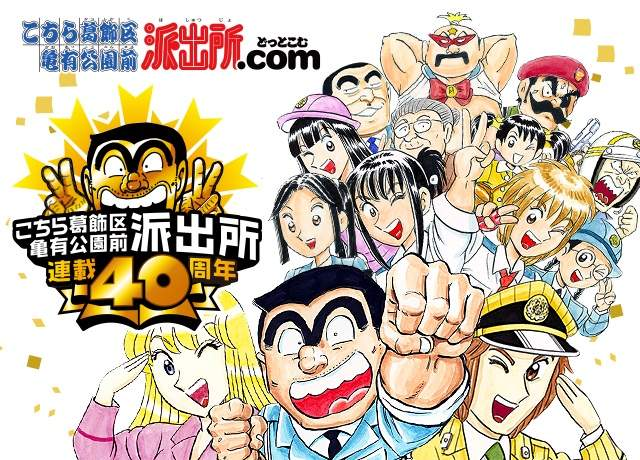
Today, KochiKame isn't just a beloved classic among manga fans; it's a true icon of Japanese popular culture. This interview offers a fascinating glimpse into the origins of this long-running masterpiece, revealing the initial "anxiety" that blossomed into a legendary legacy of persistence and passion.
via: 電子書平台「ゼブラック」