

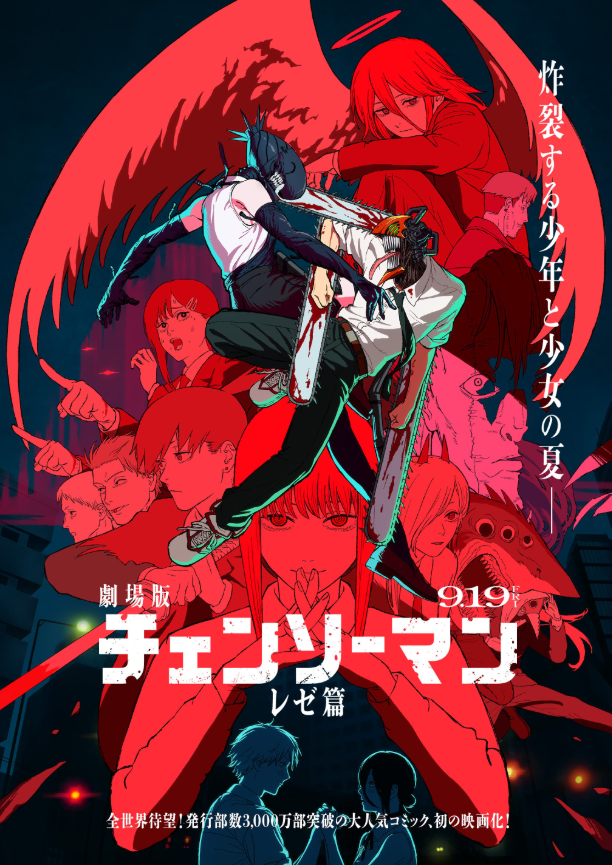
Tatsuki Fujimoto's *Chainsaw Man* is finally hitting the big screen with its first feature film, Chainsaw Man – The Movie: Reze Arc, which premiered in Japan on September 19 to rave reviews and massive buzz.
The film is helmed by director Tatsuya Yoshihara, who previously served as the action director for the TV series, with Masato Nakazono, a chief episode director on the series, stepping in as assistant director. In a recent interview with Japanese media outlet MANTANWEB, the duo broke down their approach to adapting one of the manga's most beloved storylines.
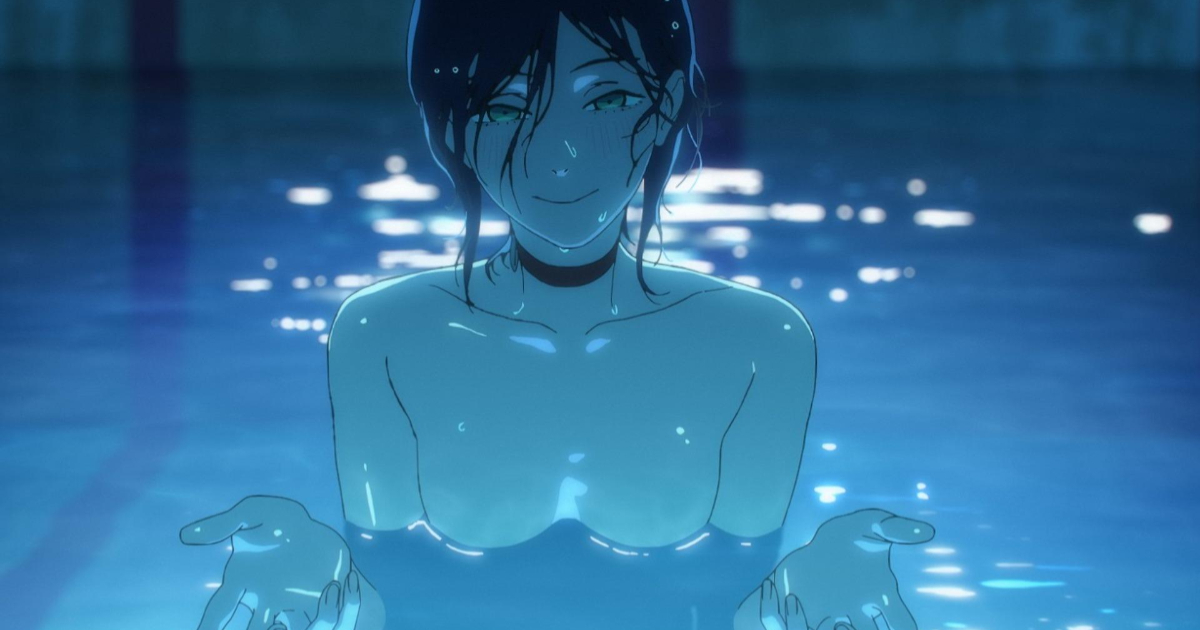
Capturing the Pure, Poetic Vibe of the Reze Arc
Q: What was your initial reaction when you found out you'd be working on the Reze Arc?
Yoshihara: I hesitated for a long time, but I also knew it was a rare opportunity. More importantly, I really wanted to live up to the fans' expectations, so I decided to give it everything I had.
Nakazono: Having worked alongside Mr. Yoshihara in different roles since the TV series, I wanted to be there to support him as he took the director's chair for *Chainsaw Man*. I also went into it with the mindset of "let's pour everything we learned from the TV series into this" to create an even more compelling version of *Chainsaw Man*.
Q: What do you find so appealing about the Reze Arc?
Yoshihara: Reze is the core of the story, and the way different character arcs intertwine around her creates a beautifully structured narrative. From the plot progression to the emotional flow, it's incredibly complete. It's a fan-favorite part of the manga for a reason, and we wanted to capture that same magic in the anime.
Throughout the film, I wanted to portray the dynamic between Reze and Denji in a way that felt "precious" while still being fun for the audience. The story has a more lyrical, delicate atmosphere. But in contrast, the action scenes go all out, fully showcasing the talent of the MAPPA animation team to deliver some seriously satisfying spectacle.
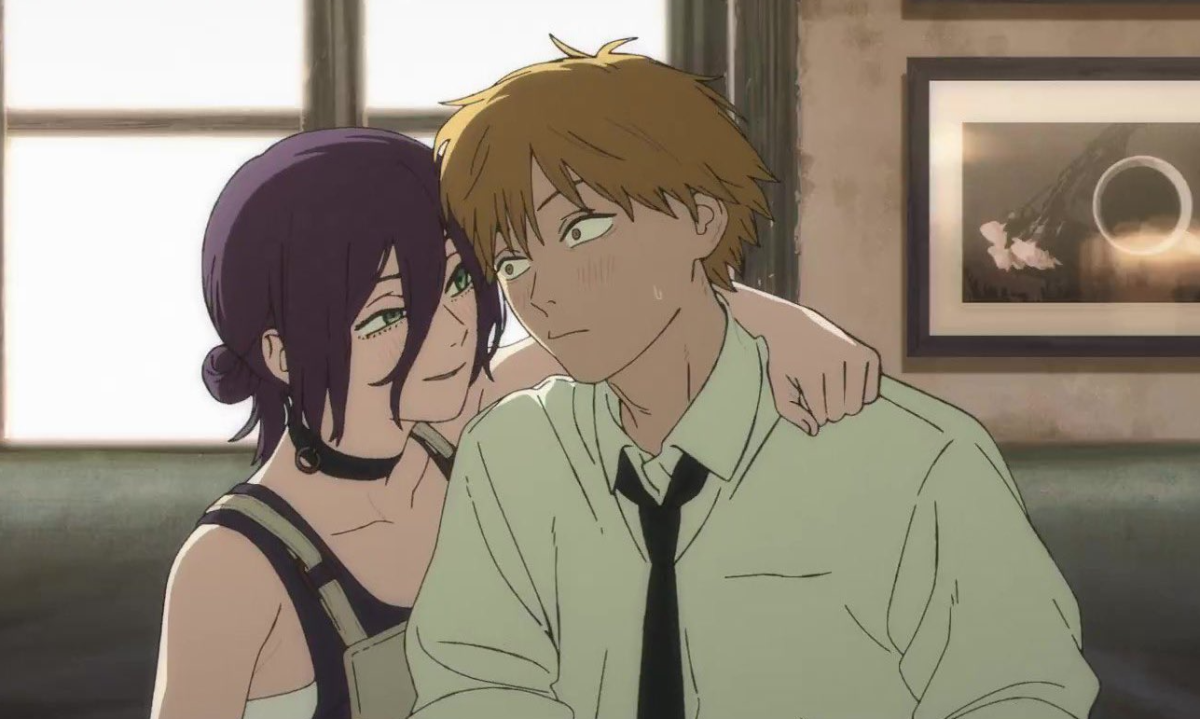
Faithful to the Source, But More Dynamic
Q: What was your main focus when adapting the Reze Arc into an anime?
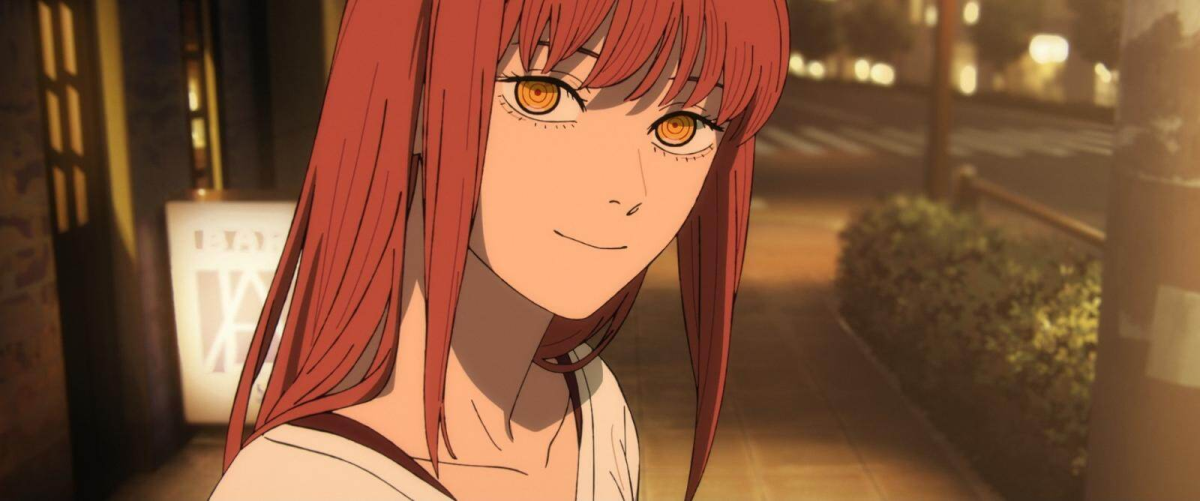
Yoshihara: When we discussed it with the animation and directing teams, led by character designer Kazutaka Sugiyama, we went back to basics, studying the manga's paneling and visual expression. For character design and animation, we tried to bring the manga's art style directly into the anime. The biggest changes were probably removing the highlights from the characters' eyes and adjusting the hair colors for characters like Makima and Power to get closer to the manga's feel.
Q: Were there any challenges or rewarding moments in staying so true to the original?
Yoshihara: For me, while the characters in *Chainsaw Man* all have their eccentricities, they also each have a "cute" side. I wanted to bring out that charm and then use the action sequences and serious moments to create a sharp contrast, making the story more dynamic and interesting.
Nakazono: I think the magic of the *Chainsaw Man* manga lies in the "breathing room" between panels and Fujimoto's unique dialogue rhythm, which builds incredible tension. We were very conscious of how to recreate that atmosphere on screen. Manga readers can control their own pacing, but in anime, the sound and timing are fixed. It was tough but also a rewarding challenge to figure out how to convey the original's mood and appeal to the audience.
Q: What was one thing the team constantly discussed during production?
Yoshihara: We wanted the Reze Arc to have a wider range of expression, so we were always asking the animation and directing teams, "How far can we push this?" For example, some techniques can look cheap if not done right, or we might use more exaggerated, deformed expressions. If it worked, we used it. We also didn't feel the need to be overly strict with things like perspective or lighting; the goal was to let the audience "relax" and enjoy the visuals. Of course, that doesn't mean being sloppy—it's about creating a more casual, enjoyable atmosphere.
Nakazono: I think it was crucial that everyone could exchange ideas freely and listen to each other. It really helped make the final product feel more complete.
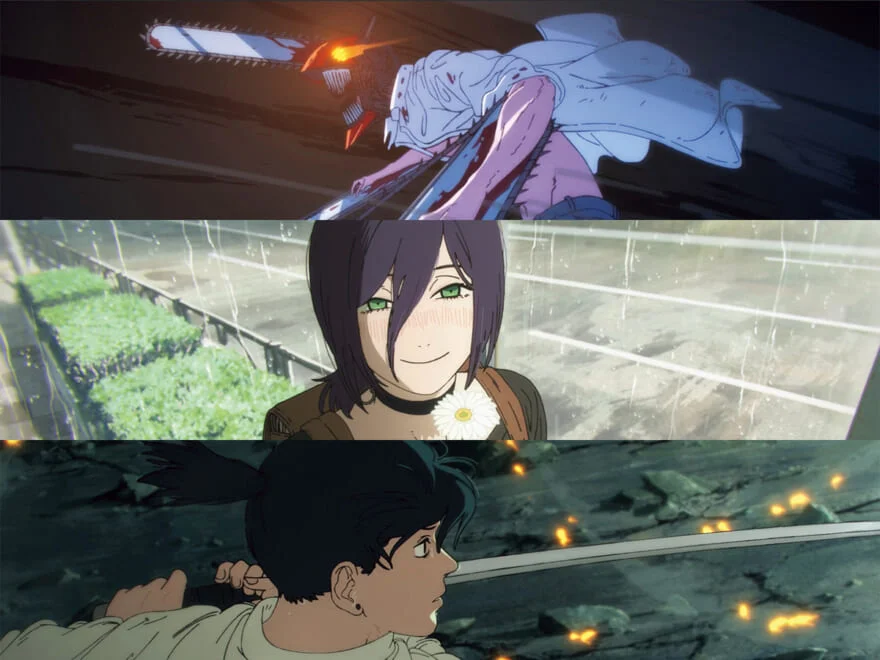
The Power of Voice: Reina Ueda's Reze
Q: Now that trailers and clips are out, are there any parts you're particularly happy with?
Yoshihara: We tried some new things that I wasn't sure about until I saw the final cut and realized, "Wow, that really works." There were even some storyboards we adjusted on the fly because the finished animation looked so good.
Nakazono: As the visuals came together, the ideas from the animation directors and episode directors merged with Mr. Yoshihara's vision, and I really got the sense that "this is going to be something incredible." During the editing and sound mixing process, I could feel that the film's rhythm and dialogue cadence were extremely faithful to the manga.
Q: The dialogue scenes between Denji, Reze, and Makima are a highlight of the arc. What was the recording process like?
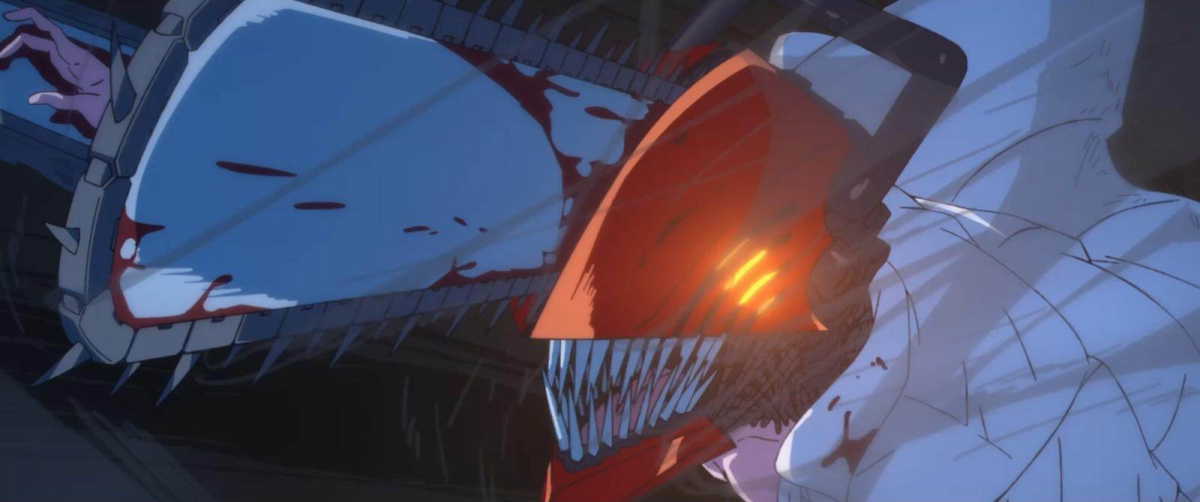
Yoshihara: For Denji's voice actor (Kikunosuke Toya), we relayed through the sound director, Yasunori Nagura, that we wanted him to "empty his mind a bit." Especially when he transforms into Chainsaw Man, we wanted that "completely blank" feeling to emphasize the character's innocence.
Q: So you were going for a more pure, unfiltered feeling?
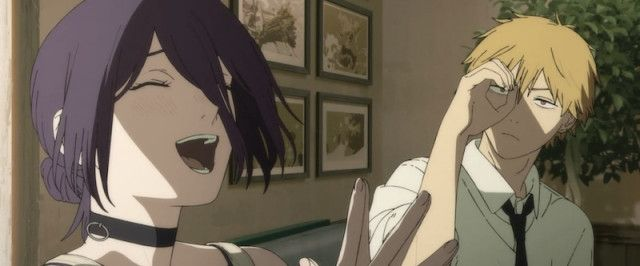
Yoshihara: Exactly. We used one of Denji's lines in the new trailer, and after hearing the final recording for the film, I thought it turned out great and was really fun. As for Tomori Kusunoki's Makima, her character is inherently fluid. In the date scene with Denji, you can feel a different side of her without any overt emotional display. For Reze, from her first meeting with Denji to the swimming pool scene, our direction was to "give her a sense of brightness." Reina Ueda switched gears instantly and perfectly delivered the performance we were looking for.
Nakazono: Reze is a genuinely difficult character to play, but Reina Ueda built her own version of Reze during the process. While there was some back-and-forth between our direction and her performance, the final portrayal is incredibly captivating, even beyond what we imagined. We're so glad Reina Ueda was the one to bring Reze to life.
More Than Just Cool: Nailing the Typhoon Devil and Explosions
Q: The Reze Arc features the Typhoon Devil and the Bomb Devil, making the fight scenes a major draw. What was your focus for the action sequences?
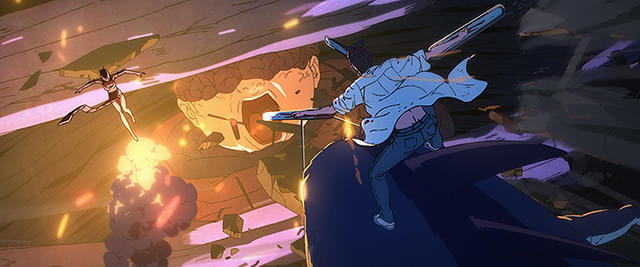
Yoshihara: The biggest advantages of animation are "sound, motion, and color." I felt that "how we express movement" and "how we use timing to create drama" were the two areas where we could elevate the source material. So, I specifically asked action director Sota Shigetsugu to "kick the manga's presentation up two or three notches." We also used a widescreen cinemascope aspect ratio (2.35:1) to take full advantage of a wider field of view, giving the action scenes a greater sense of scale and depth. Plus, big special effects like explosions and typhoons are perfect for a theatrical experience, so I think it's a great fit for the cinema.
Bomb Blasts: A Delicate Dance of Light and Color
Q: How did you design the bomb explosion scenes?
Yoshihara: Many of the battles in this arc happen at night, so the light from the explosions looks especially beautiful against the darkness. We were very particular about the colors of the explosions. The typical palette is orange and yellow, but we specifically selected the "most beautiful shades" within that range to make the visuals more eye-catching. We also change the color tone of the explosions depending on the scene to avoid them feeling monotonous or like "just another explosion."
Nakazono: Sota Shigetsugu's storyboards were full of interesting ideas, especially for the Bomb Devil's movements that weren't depicted in the manga. By fleshing those out in the anime, even manga fans will find it fresh and experience a sense of scale that only a movie can provide.

Reze vs. Makima: A Contrast Told Through Color
Q: Reze is a very charismatic character in this arc. What did you focus on when portraying her?
Yoshihara: Although Reze undergoes a huge shift later in the story, we wanted her to seem like a girl who is simply interacting with Denji before that point. We focused on fully showing her "innocent and cute" side to make the eventual turn all the more impactful.
Q: How does the color design in this film differ from previous anime?
Yoshihara: Traditional animation often uses a fixed brightness and saturation, but modern anime has become much more diverse in its color expression, with some leaning toward an illustrative style and others toward a photorealistic look. We tried to incorporate an illustrative coloring approach while staying true to the original manga's aesthetic.
Q: Makima is also a key character in the Reze Arc. How did you create a contrast between her and Reze?
Yoshihara: Nakazono was in charge of directing the scenes where Denji goes on a date with Makima and where he meets Reze at the phone booth. I specifically asked him to present them as a "foil" to each other—Makima is like a mature adult, with a clear gap in emotional maturity between her and Denji. But the vibe between Reze and Denji is much closer in age, giving them more of a "peer" feeling.
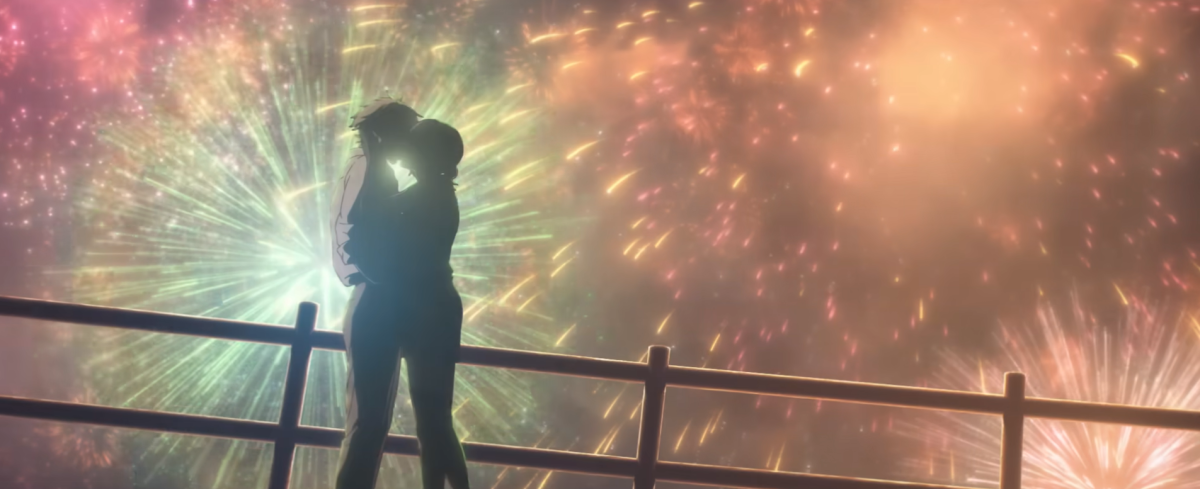
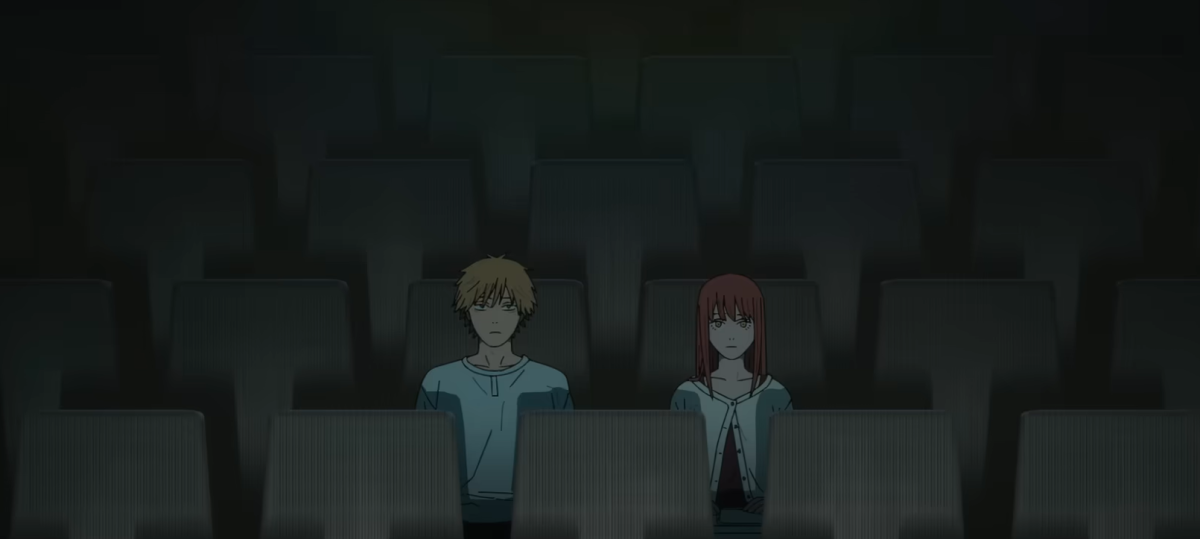
Nakazono: Makima takes Denji to the movies, which is a very "adult" date. Reze, on the other hand, takes him to a school at night and to a festival—a more "mischievous" kind of fun (laughs). The contrast in these two dynamics makes Denji's reactions and emotional shifts very clear. When directing, I paid close attention to this: Makima is the goddess Denji worships from afar; Reze is the girl next door, his contemporary.
Q: How is this contrast expressed visually?
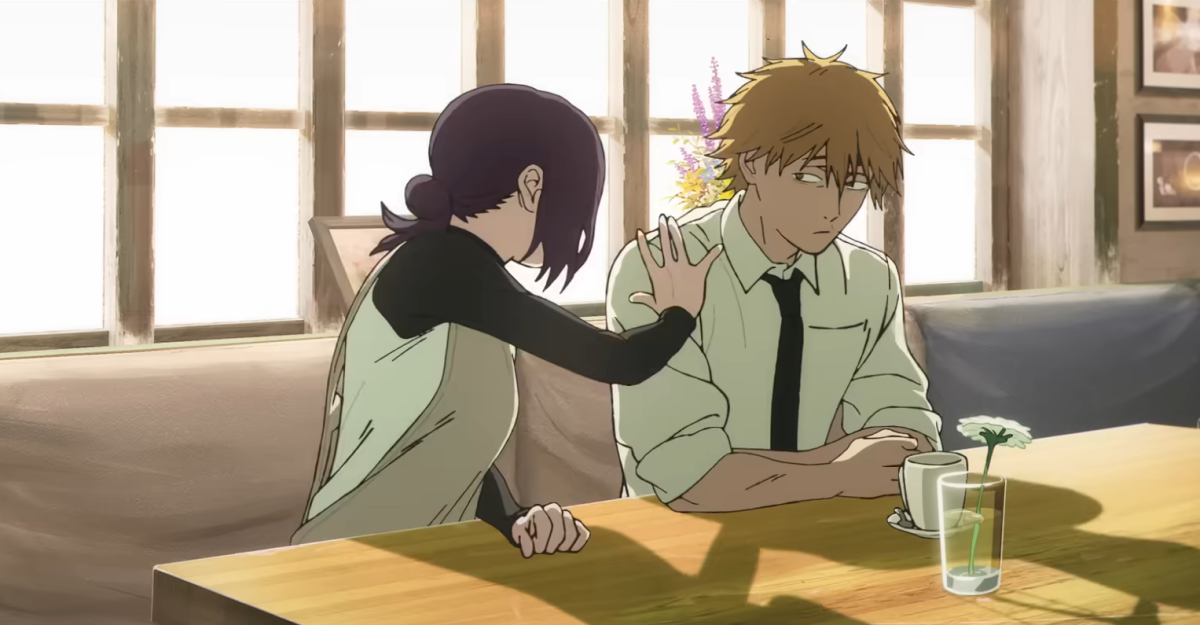
Nakazono: The lighting in the cafe with Denji and Reze is soft and gentle. In contrast, Denji's date with Makima features high-contrast, dramatic lighting. So, while Reze's actions are more lively, the color and atmosphere are gentle. Meanwhile, Makima's demeanor is calm, but she's framed with intense light and shadow. This contrast was balanced perfectly thanks to the color design by Riku-sensei.
Q: What were your personal challenges during this production?
Nakazono: This was my first time working as an assistant director on a film, so just figuring out "how to make *Chainsaw Man* into a movie" was a huge challenge. Even with the title of assistant director, I'm still just one member of the production team, working with everyone to complete the project. It was a completely different experience from TV animation, and every day was a new challenge.
Yoshihara: The process of adapting the *Chainsaw Man* manga into an anime is, in itself, a constant challenge. Even with our experience from the TV series, we readjusted many things for the movie to make it even more compelling. From the animation, coloring, and cinematography to the art direction, we tried new things in every department. Seeing the finished film, I truly feel our efforts paid off, and I hope audiences will enjoy it.
With *Chainsaw Man – The Movie: Reze Arc* now out in Japan and generating incredible buzz, fans worldwide are eagerly awaiting news of its international release. Get ready to head to the theater for this one.
via: MANTANWEB