

Ever since Pokémon Legends: Z-A dropped on October 16, players have been diving into a whole new kind of Pokémon world. Beyond its hidden narrative, the game introduces a ton of mechanics that set it apart from the core series.
Japanese author and lecturer Tenma Fusegawa recently penned a piece for the magazine Nikkan SPA!, praising Pokémon Legends: Z-A as a "co-learning masterpiece for parents and kids," and his take is getting a lot of attention online.
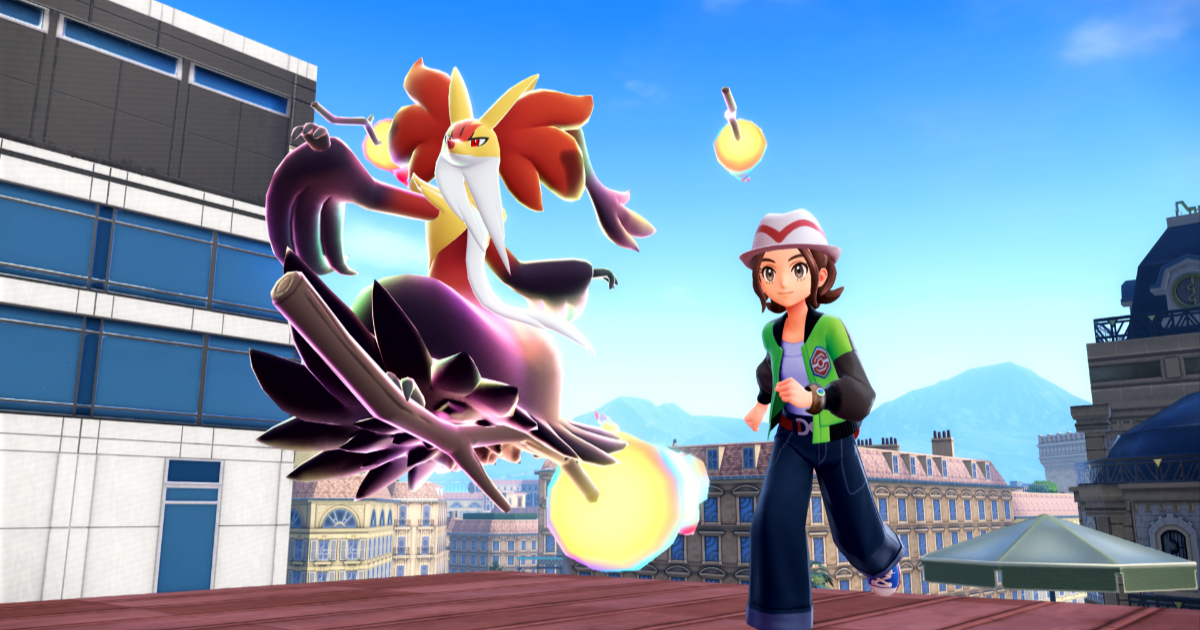
Fusegawa says that even after playing for just a short while, he could feel what makes Z-A special—a strong sense that "this isn't the Pokémon I grew up with." And it's this very difference, he argues, that makes the game the perfect tool for parents and children to sharpen their critical thinking skills together.
■ A Pokémon World Where You're the Target
The biggest departure Z-A takes from traditional Pokémon is its genre: it's an action RPG. In classic titles since Red/Green, trainers stood safely on the sidelines, calling out commands like a coach. But in the Pokémon Legends series, the protagonist is right there in the wild with their Pokémon. Wild Pokémon will attack the player directly, and taking too many hits will cause you to "black out and be sent back to base."
This setup might feel weird for veteran players—after all, when have you ever been chased down and attacked by a wild Pokémon? But if you think about it, the power levels of Pokémon are absurd. A Gastly's gas can knock out an Indian elephant in two seconds, and a Ponyta can leap over the Tokyo Tower. If a human were targeted, they probably wouldn't last long. Of course, it's just a game. In the real world, someone who can't distinguish fantasy from reality would be criticized for having "gamer brain." But what I'm talking about is developing a "good gamer brain," which can actually boost your thinking skills.

■ The "Good Gamer Brain" Is Just Critical Thinking Practice
A "good gamer brain" means being able to draw a clear line between reality and the game, while also comparing the two to think critically. For example, while playing, you can ask yourself: "If these Pokémon actually existed, how would humanity coexist with them?"
In reality, humans have enough trouble dealing with bears, let alone a world where wild Pokémon roam the streets. Survival would be tough. If everyone could catch Pokémon, people would start asking questions: "How powerful is Pikachu's electric shock, really?" "How much weight can Alakazam's Teleport move?" Some would research how to harness their powers, while others would argue for "respecting the will of Pokémon and not interfering." You might even see religions spring up that worship Pokémon.
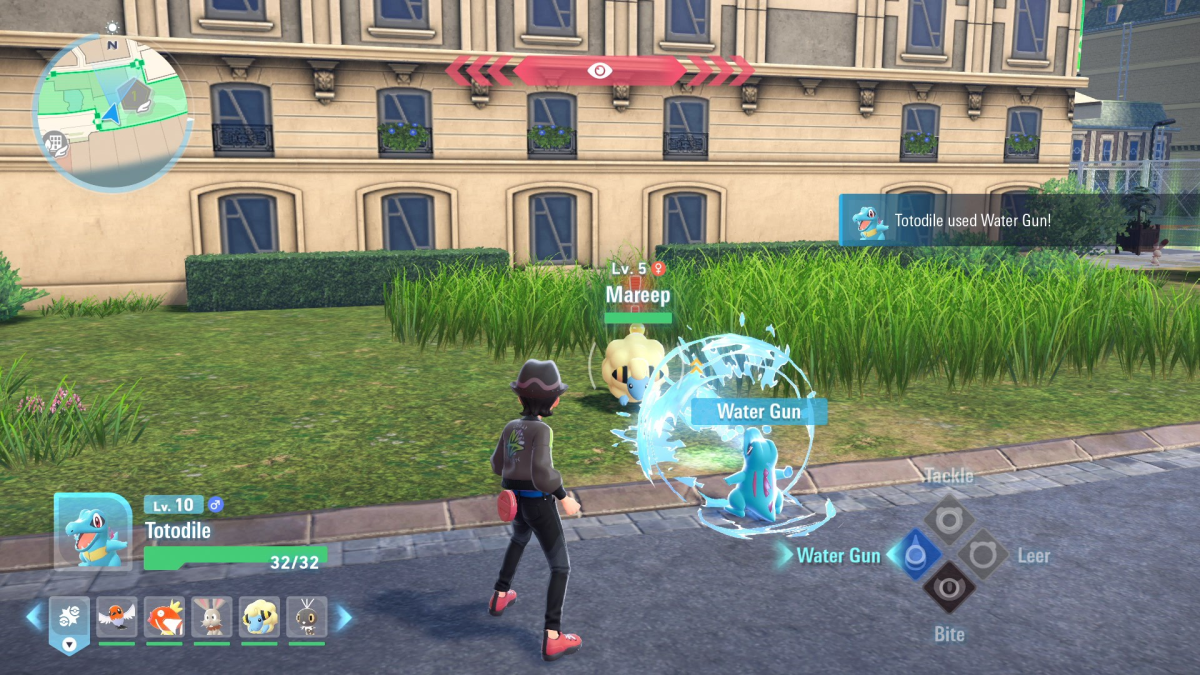
■ Z-A Lets You Experience "Real-World Cruelty"
The Pokémon series has always been more realistic than you might think. The early games had "Team Rocket," who made money through illegal labor and selling Pokémon. Black & White featured "Team Plasma," an extremist group dedicated to "liberating Pokémon from human control." And if you've ever read the Pokémon Adventures manga, you know just how dark the world can get.
In the games, you get prize money for winning battles, which naturally leads to questions like, "Who sets the rules for these matches?" and "Without a referee, what's to stop someone from sneak-attacking you and stealing your money?" In Z-A, this hypothetical becomes reality: you can ambush enemy trainers from behind to gain an advantage in battle. The game even encourages you to "strike first and don't get caught," giving many players a taste of a more realistic and brutal world.
■ "Fun" Is the Best Starting Point for Learning
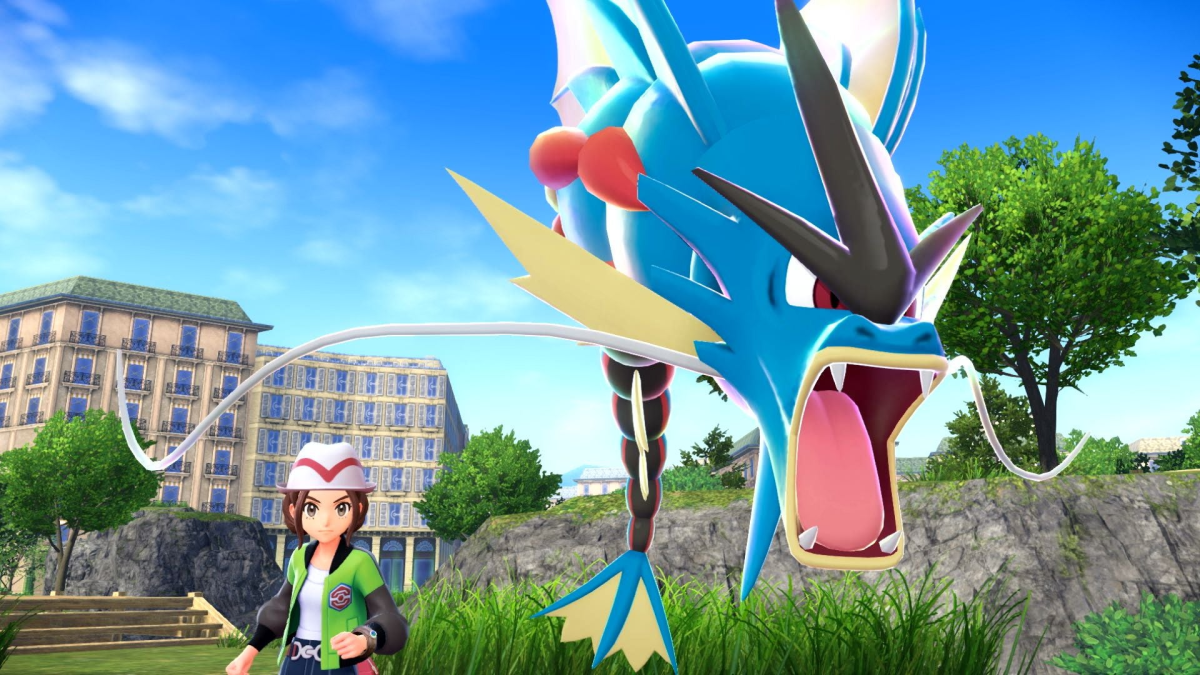
The appeal of the *Pokémon Legends* series lies in its willingness to tackle the "what ifs" of its own world, trying to depict just how real things would get "if Pokémon actually existed." We're often told "games are games, and reality is reality," but a story completely detached from reality isn't very compelling. The more fictional a story is, the more it needs to be grounded in realism.
Think about how *Jujutsu Kaisen* mentions generating electricity with Cursed Energy, or how characters in *Demon Slayer* who lose limbs are permanently out of the fight. These touches of realism make the fantasy more believable. "A good liar knows how to mix a little truth with the fiction." To create a great work, you have to understand reality better than anyone.
Completely separating "gaming" and "reality" is like saying "studying can only happen at a desk"—it's a rigid way of thinking that limits learning. What's truly important is the ability to compare different things from an interdisciplinary perspective.
Many parents worry about their "kids being too addicted to games," but if they were willing to understand the real-world parallels hidden within those games, they might find opportunities to learn together. When you can use a "real-world lens" to point out the realistic details in a game, it stops being just entertainment and becomes the ultimate co-learning tool for the family.

Of course, this is just the author's perspective. But there's no doubt that *Pokémon Legends: Z-A* has the potential for edutainment. While fans of the core series might need some time to adjust, if this style of gameplay can help kids learn about the real world and broaden their horizons, it's truly the best of both worlds.
via: 日刊SPA!