

Tatsuya Nakadai, one of post-war Japan's most iconic and revered actors, passed away at the age of 92. The legendary performer, celebrated for his iconic roles in masterpieces like "Kagemusha" and "The Human Condition" (Ningen no Joken), had a career spanning both stage and screen, becoming a symbol of Japanese cinema's golden age.
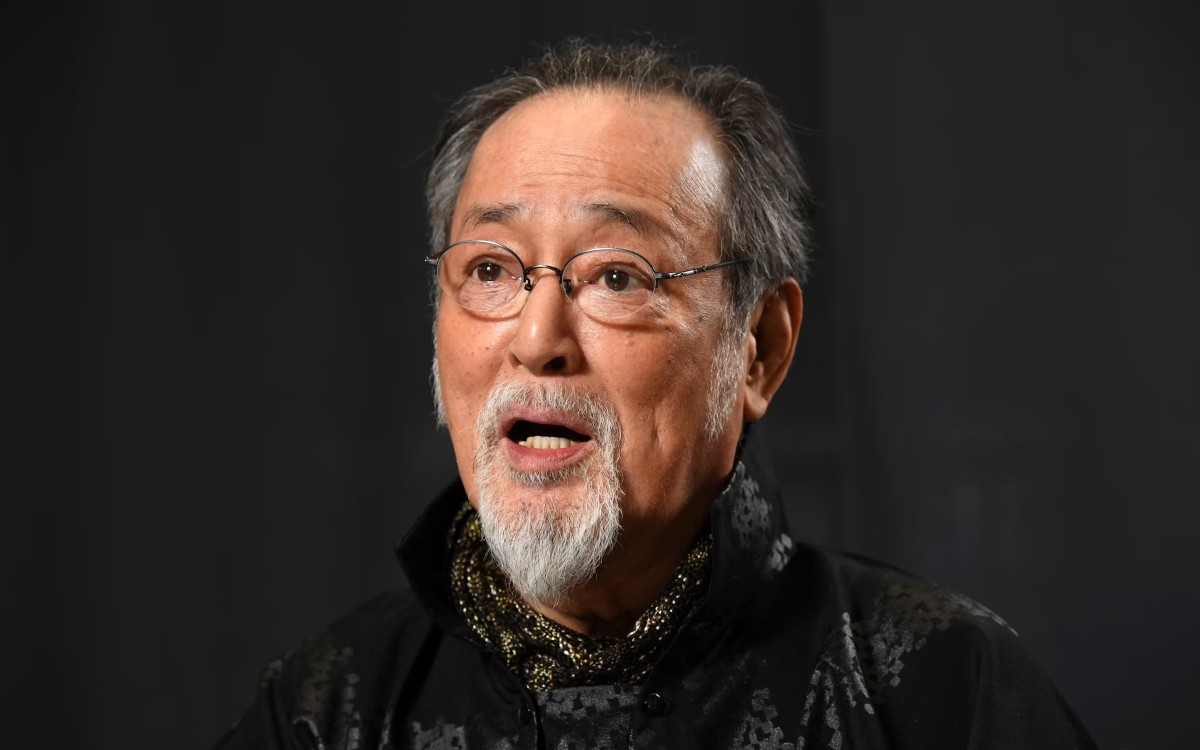
After graduating high school, Nakadai joined the prestigious Haiyuza Theatre Company's 4th training class, eventually becoming a core member of the troupe. With his powerful delivery and commanding stage presence, he starred in numerous classics such as "Hamlet" (Hamlet), "Othello" (Othello), and "Tokaido Yotsuya Kaidan." He honed his craft under director Koreya Senda, establishing himself as a leading star of modern Japanese theater.
His cinematic debut came in 1954 with Akira Kurosawa's "Seven Samurai" (Shichinin no Samurai). He then delivered profoundly impactful performances in Masaki Kobayashi's "The Human Condition," "Harakiri," and "Samurai Rebellion" (Joi-uchi: Hairyo Tsuma Shimatsu). Kurosawa frequently cast him in other masterpieces like "Yojimbo" (Yojimbo), "Sanjuro" (Tsubaki Sanjuro), and "High and Low" (Tengoku to Jigoku), solidifying Nakadai's status as a powerhouse actor on par with Toshiro Mifune.
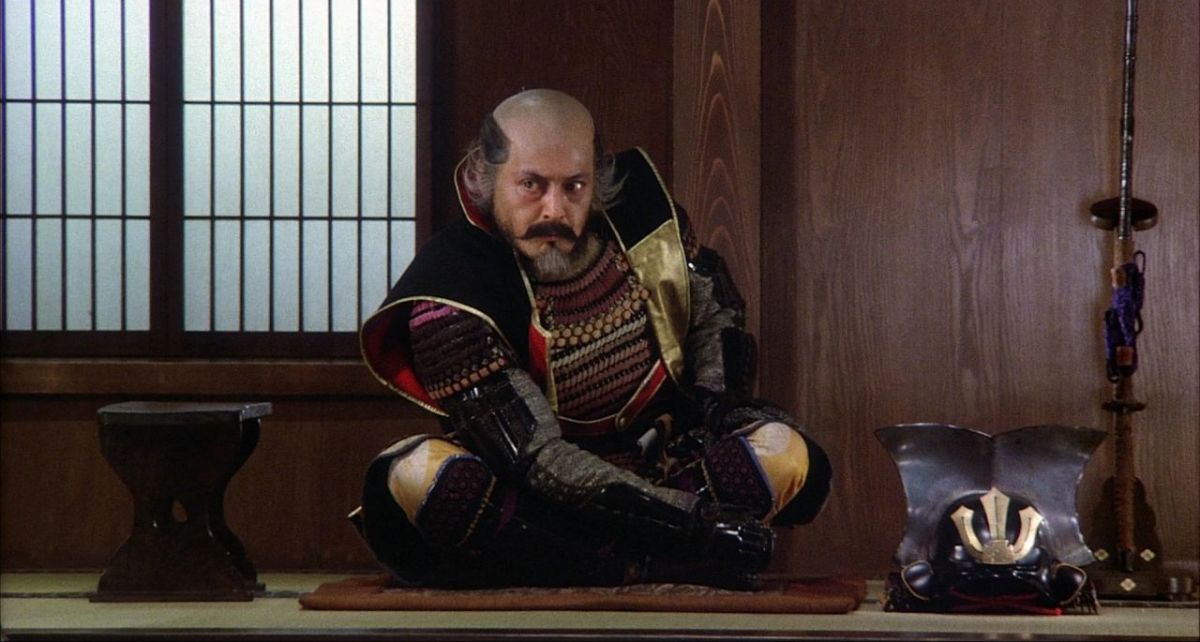
In 1980, Nakadai took over the lead role from Shintaro Katsu in Kurosawa's "Kagemusha," a film that went on to win the Palme d'Or at the Cannes Film Festival, propelling his fame to new heights. His films garnered awards across all three major international film festivals – Cannes, Venice, and Berlin – cementing his global reputation. On the television front, his nuanced portrayal of a father to a Chinese war orphan in "Daichi no Ko" (Son of the Earth) deeply moved countless viewers.
Nakadai received numerous accolades throughout his career, including the prestigious Order of Culture in 2015. His autobiography, "Nokoshigaki: Tatsuya Nakadai Jiden" (A Will: Tatsuya Nakadai's Autobiography), chronicles the extraordinary life of this post-war Japanese entertainment titan.