

A recent research paper, "Sparkling water consumption mitigates cognitive fatigue during prolonged esports play," published by a joint team from the University of Tsukuba and Asahi Soft Drinks, has dropped a bombshell: chugging caffeine-free, sugar-free sparkling water can actually help cut down on the cognitive fatigue that comes with long esports sessions. This finding has sparked quite a buzz, revealing a surprising perk to your bubbly beverage habit.
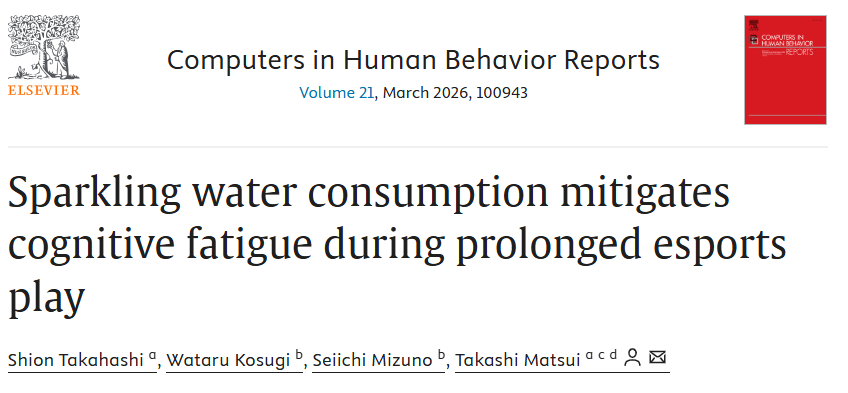
The paper itself was published in the international journal "Computers in Human Behavior Reports Volume 21."
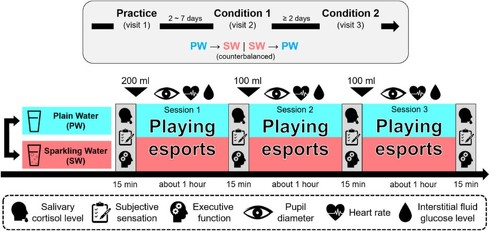
For the study, researchers rounded up 14 young adults who regularly game. They were tasked with playing 3 hours of the football game "eFootball" continuously in a "crossover experiment" (meaning the same group experienced both conditions). During the experiment, participants drank either plain water or sparkling water, both chilled to 4°C. The team then measured a whole host of data: fatigue levels, gaming enjoyment, cognitive ability (via reaction speed tests), pupil size, heart rate, blood glucose indicators, and stress hormones.
And the results? Mind-blowing:
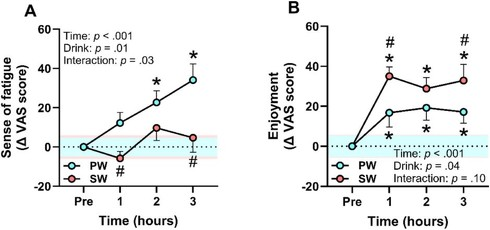
When drinking plain water, fatigue levels shot up significantly after just two hours of play, reaction times slowed, and "brain fatigue" became glaringly obvious.
But for those sipping sparkling water, the increase in fatigue was dramatically suppressed, and their "gaming high" stayed consistently higher. Even after pushing through three hours, their reaction speed and accuracy didn't dip, maintaining stellar overall performance.
One of the key takeaways? Pupil size. Your pupils are like a window into your brain's alertness and prefrontal cortex activity. With plain water, pupils shrank as fatigue built up. But with sparkling water, that shrinkage was halted, indicating the brain stayed in a more alert state. What's more, heart rate, blood glucose, and stress hormones showed no difference between the two groups. This means sparkling water isn't just a "pick-me-up" or an "energy boost"; it's directly helping your brain keep ticking.
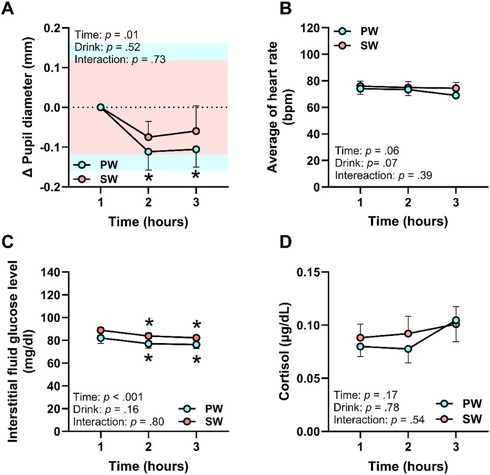
Even more fascinating was the in-game performance. While there was no difference in shots or passes, sparkling water drinkers committed "significantly fewer fouls." Think of it like real-life sports: when you're tired, your self-control dips, leading to sloppy plays or fouls. By reducing brain fatigue, impulse control improves, naturally leading to cleaner gameplay.
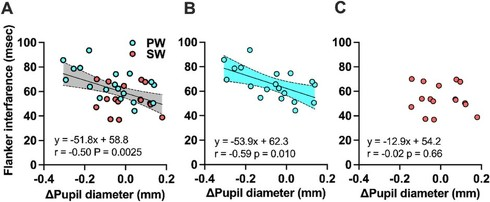
So, why does sparkling water work its magic? The researchers theorize it's because the carbon dioxide in the bubbles stimulates sensory receptors in your mouth and throat. These signals then influence the brainstem and prefrontal cortex, boosting alertness and executive function. In plain English: it's not a stimulant; it's like giving your brain a gentle "wake-up call" to a more stable state.
So, if you're looking to extend your gaming sessions without chugging endless coffee, sparkling water might just be your new go-to beverage.
via: ScienceDirect itmedia