

The development team behind Death Stranding 2: On the Beach recently spilled the beans: legendary producer Hideo Kojima himself pushed for a major design overhaul early in development. His goal? To fine-tune the game's pacing and design, ensuring more players can actually make it to the credits. This shift comes as a direct response to feedback from the first game, where some found the pace a bit too slow, making it a key focus for the sequel.
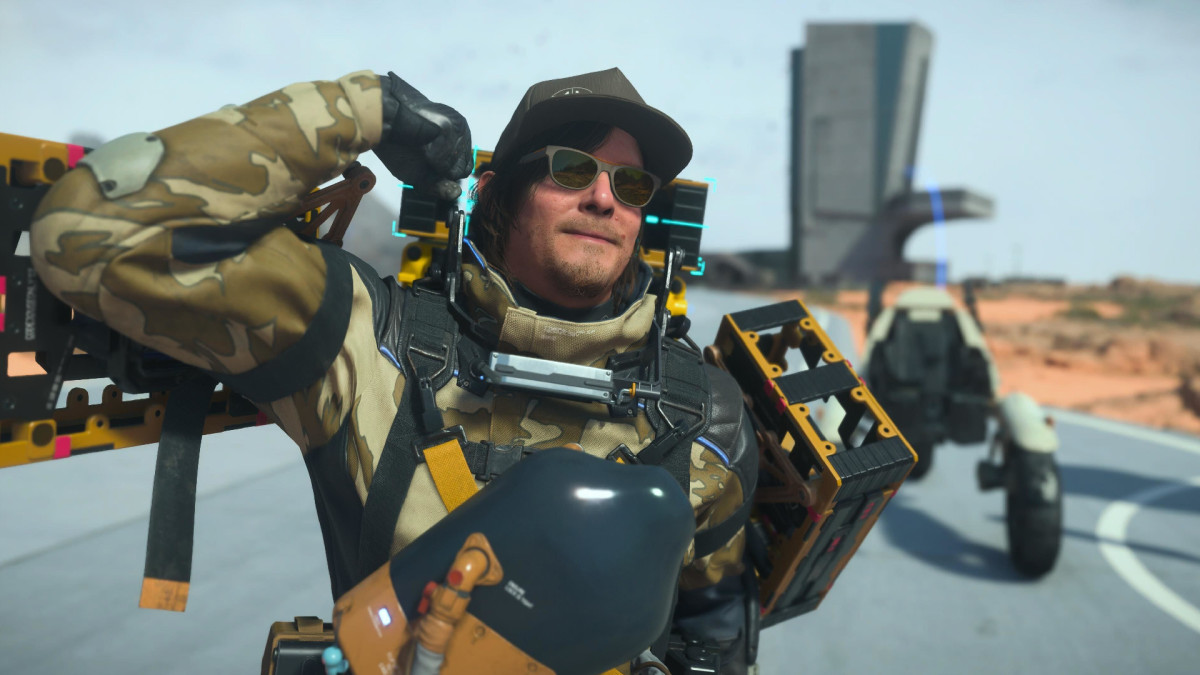
Hiroaki Yoshiike, the lead level designer for Death Stranding 2, revealed in an interview with PC Gamer that Kojima-san explicitly instructed the team to make the sequel enjoyable "all the way to the end" for a wider audience. He noted that the original game, with its need to introduce a brand-new world and mechanics, was inherently more complex, which contributed to some players feeling the pace dragged.
"The first title had to establish the world and concepts, so the design was quite intricate," Yoshiike explained. "With the sequel, we no longer need to dedicate extensive sections to world-building, allowing us to make the content flow much more smoothly."
He added that the team still packed in plenty of deep content for completionists who love to dig in, while also weaving in supplementary narrative elements to ensure all types of players can follow the story's progression.
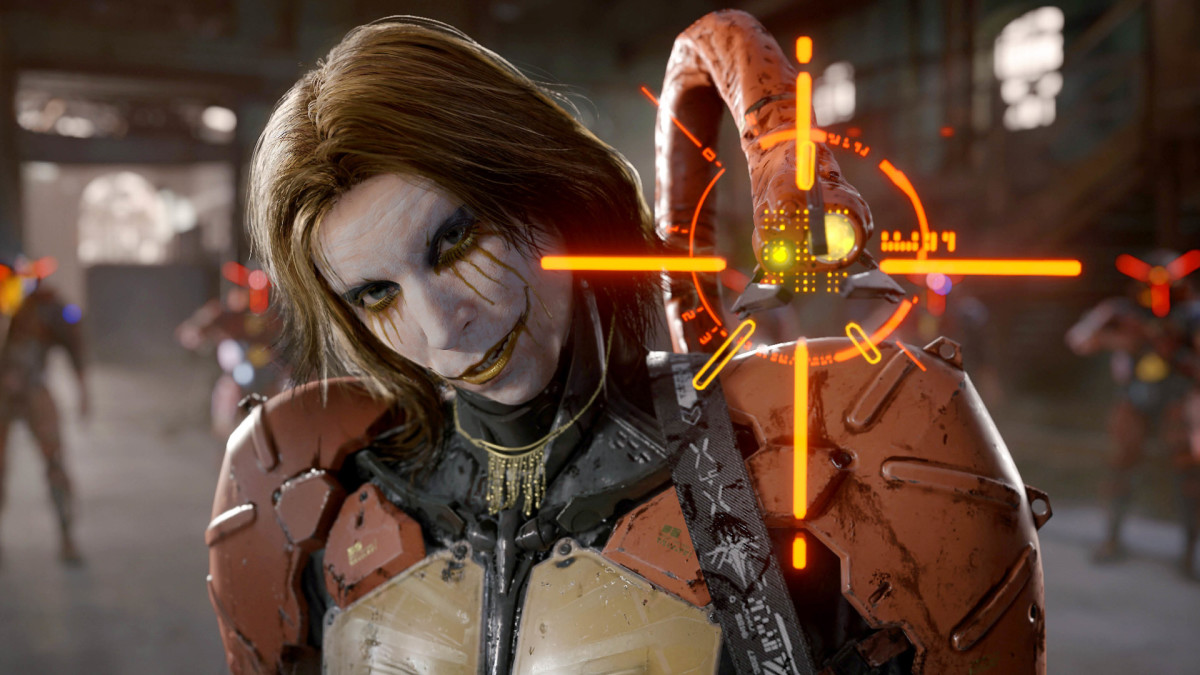
The dev team has even seen the changes reflected in their data. Yoshiike shared, "We've received a lot of feedback that Death Stranding 2 is easier to recommend to other players, and from the data, players are progressing further into the game than they did with the previous title, which aligns with our original design direction."
Meanwhile, Hideo Kojima previously addressed the talk about the sequel's stylistic adjustments. He emphasized his desire for the game to retain its unique identity and thought-provoking elements while boosting playability. As he put it, "Content that isn't easily digestible often stays with players longer."
Kojima also let slip that the title of the latest trailer, "No Rain, No Rainbow," draws inspiration from a Hawaiian proverb, once again showcasing his signature style of blending philosophical imagery with narrative flair.
via: PC Gamer