

"Does playing too many video games really mess with your mental health?" Science just dropped a fresh take on that age-old question.
At the 2026 Game Developers Conference (GDC) during a talk titled "Nutrition, Not Calories: Findings from Oxford’s 3-Million-Hour Study on Healthy Play," British research psychologist Nick Ballou unveiled some groundbreaking findings. His team crunched over 3 million hours of player data to dissect the intricate link between gaming and psychological well-being. The big reveal? It's not about how long you play, but what you play that truly fuels your happiness.
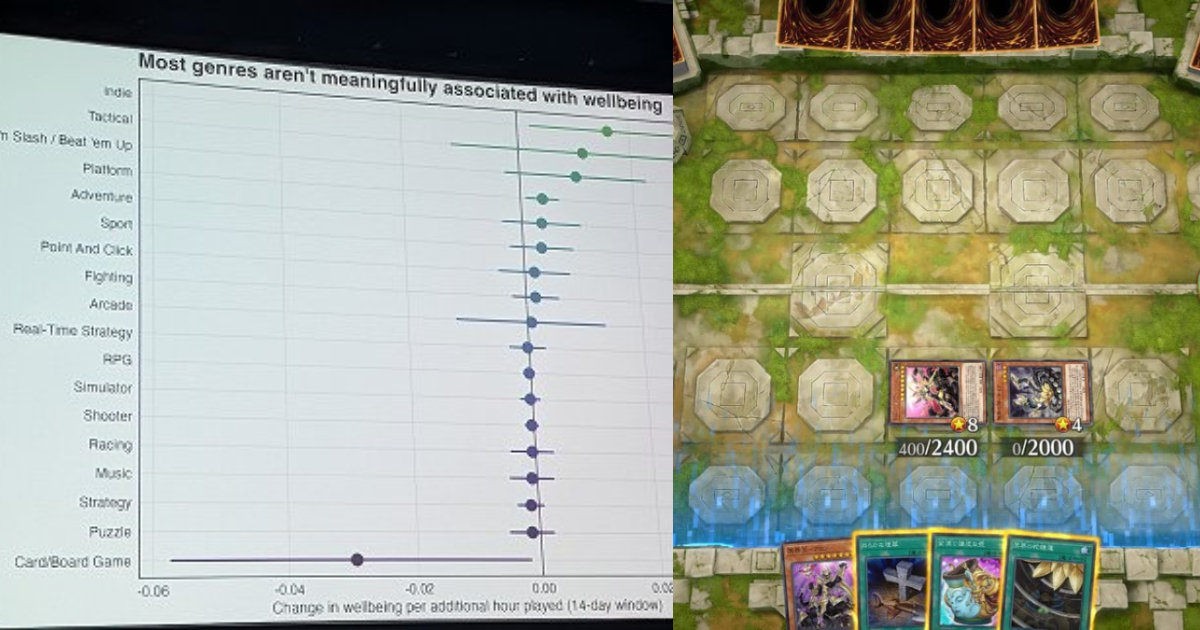
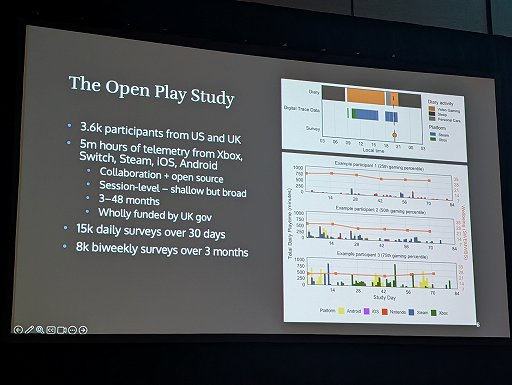
Ballou kicked things off by pointing out how obsessed everyone gets with "screen time." We've been treating game time like "calories"—the more you consume, the unhealthier you get. But Oxford University's deep dive into actual play records from 3,500 subjects shows that's just not the case.
Turns out, plenty of people who game 5-6 hours a day still boast excellent mental states and healthy social lives. In other words, there's practically zero correlation between "game time" and "happiness."
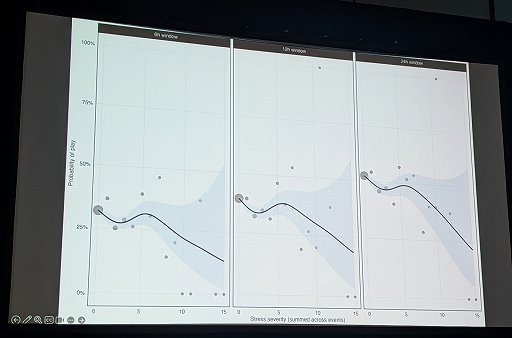
Here's a wild discovery: While the common wisdom says "people game to de-stress," the data doesn't back that up. On high-stress days, game time didn't significantly increase; it actually showed a slight dip. What does that tell us?
Gaming isn't some "last-resort escape when stress hits the fan." Instead, it's more like "regular mental nutrition." Consistently playing games actually helps you build psychological resilience proactively—think of it as daily self-care for your brain.
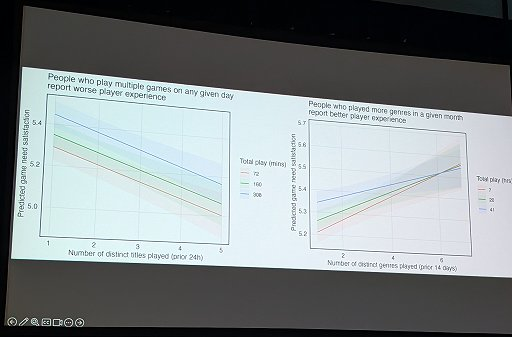
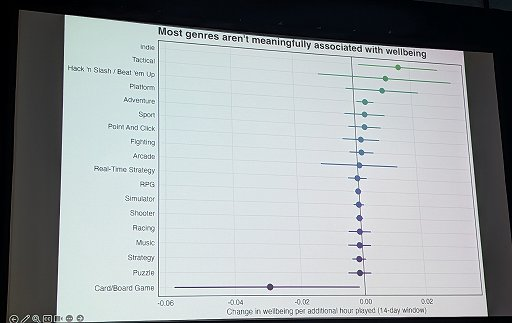
When it comes to "what games are best," the study also dished out some intriguing answers: no single genre boosts happiness more than others, but how you play is crucial.
Comparing two player types:
Constantly switching between different games in a single day (like channel surfing) → Lower satisfaction.
Slowly trying different genres over a longer period (2 weeks to a month) → Higher quality experience.
The sweet spot? Focus on one game per day, but maintain long-term genre diversity. Think of it as a "balanced diet" for your gaming habits.
However, Ballou's research also uncovered a truly unexpected result: almost all game genres, regardless of positive or negative standard deviation, contributed to positive feelings of happiness. Yet, there was one glaring exception: card games. They completely failed to bring happiness, and in fact, were "uniquely painful" compared to other games.
Finally, Ballou emphasized that the study was only possible because platforms like Microsoft and Nintendo were willing to let players authorize data usage. He also stated that prioritizing player mental health is, in fact, the most critical risk management for the gaming industry.
So, it's no longer about "playing too much is bad," but rather "what you play and how you play" that makes all the difference. Gaming is evolving from a mere "time-killer" into a form of "mental sustenance" that impacts your mind and body, much like food.
Perhaps it's time to ask yourself: Are the games you usually play junk food, or are they a well-balanced meal for your mind?
via: 4gamer