

※WARNING: SPOILERS FOR "THE BOYS" COMIC SERIES AND POTENTIAL FUTURE SHOW PLOT POINTS AHEAD※
※WARNING: SPOILERS FOR "THE BOYS" COMIC SERIES AND POTENTIAL FUTURE SHOW PLOT POINTS AHEAD※
※WARNING: SPOILERS FOR "THE BOYS" COMIC SERIES AND POTENTIAL FUTURE SHOW PLOT POINTS AHEAD※
As Prime Video's acclaimed series "The Boys" continues its run, showrunner Eric Kripke recently opened up about why the show's eventual series finale will deviate from the original comic books' most controversial twist involving Black Noir.
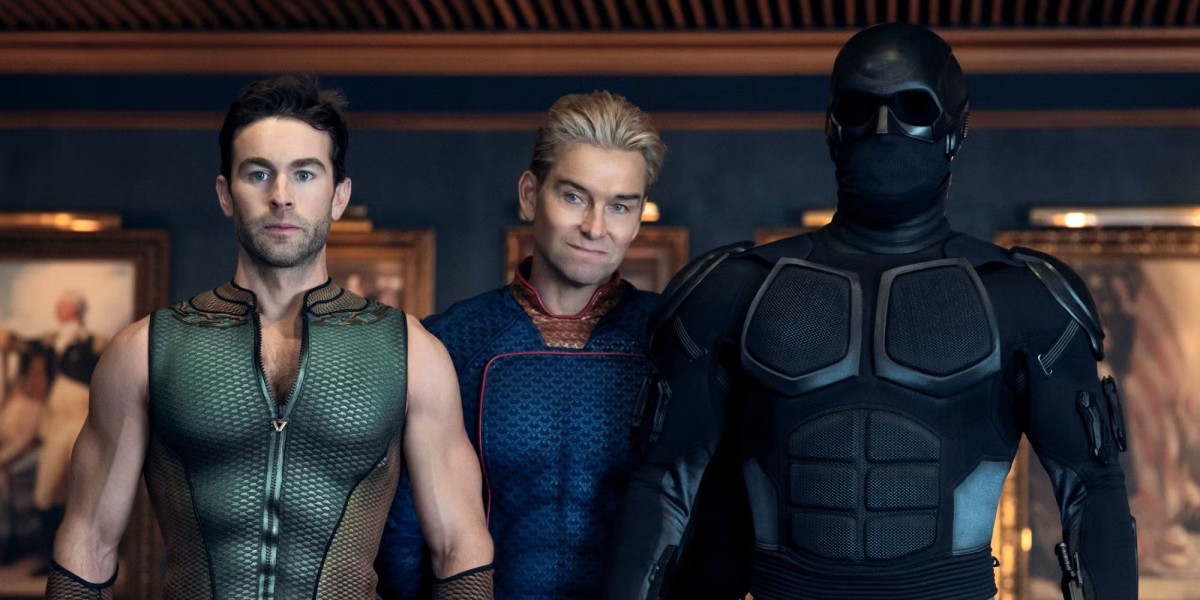
In a recent interview with Collider, Kripke explained that while the series has incorporated elements from the comics, such as Billy Butcher and Hughie Campbell's final confrontation, Homelander and Butcher's showdown in the White House, and the crowbar as a key weapon, he never intended to directly adapt the comic's ending.
In Garth Ennis and Darick Robertson's original comic series, Black Noir is revealed to be a clone of Homelander, created by Vought International with the sole purpose of eliminating Homelander if he ever went rogue. However, as Homelander never reached the point where Vought would unleash Black Noir, the clone gradually descended into madness, committing numerous atrocities and framing Homelander for them, including the tragedy involving Becca. Ultimately, Black Noir exposed the truth in the White House, tearing Homelander apart in their final battle, before Butcher finally ended Black Noir with a crowbar.
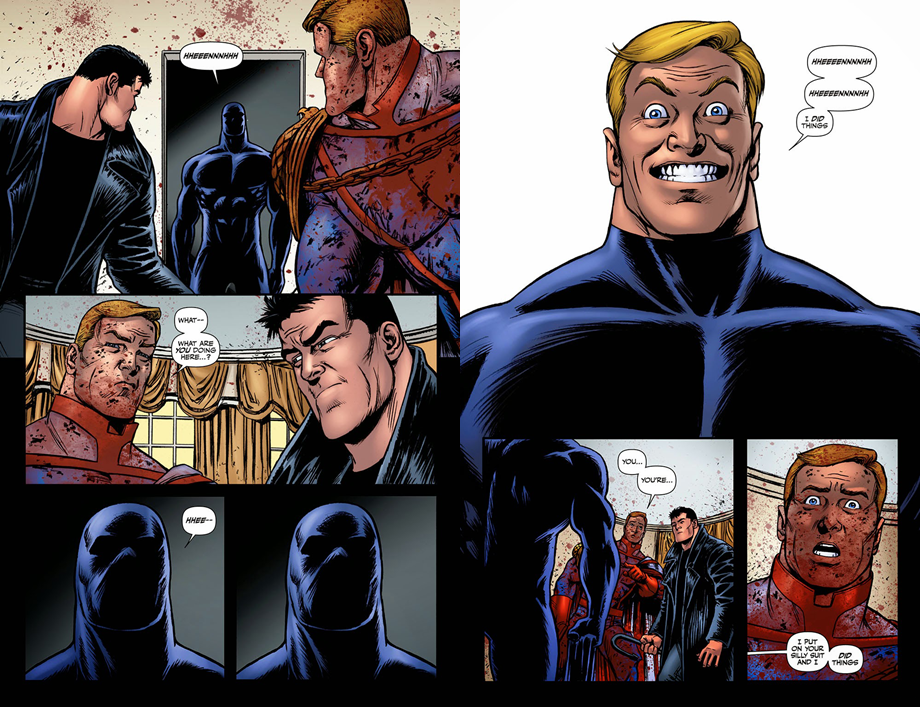
However, Kripke felt this twist wouldn't work for the television adaptation. He stated that the comic's ending reveals Homelander wasn't truly the villain, but rather was manipulated into becoming one, with Black Noir being the real antagonist all along.
He candidly added that viewers have followed Antony Starr's portrayal of Homelander for multiple seasons, and to reveal at the very end that his heinous crimes were actually committed by a clone, Black Noir, would be unsatisfying. Kripke explained that such an arrangement would never fulfill him, and thus, he would never pursue that version of the story. 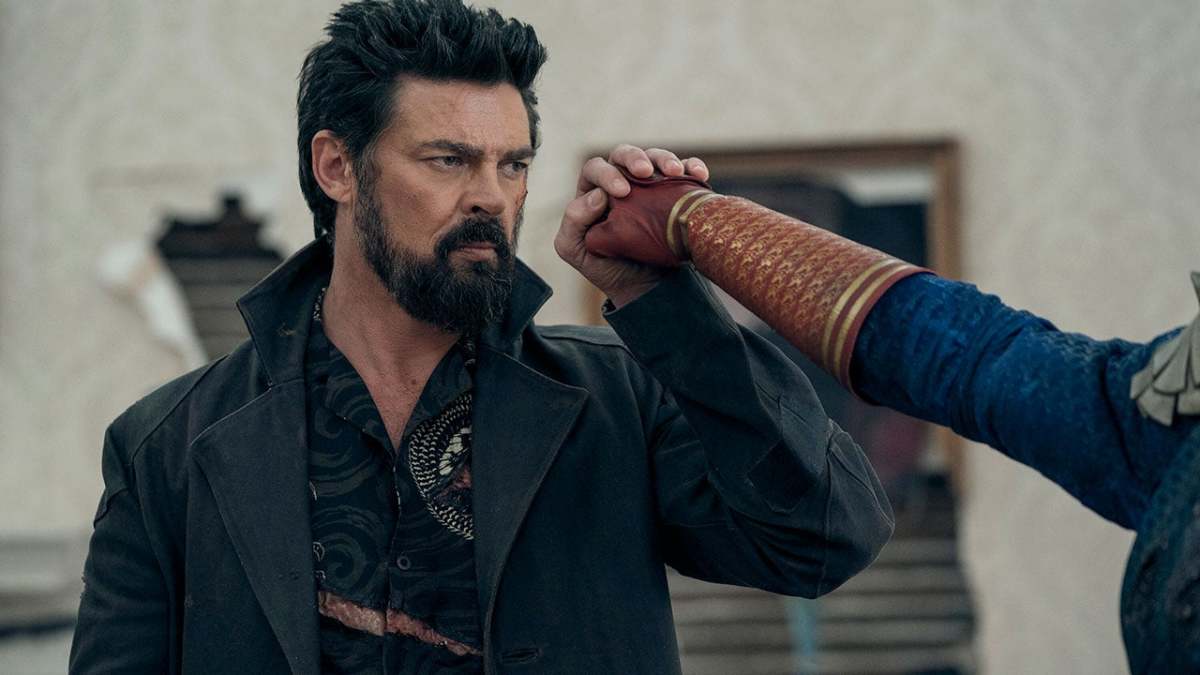
Therefore, the series aims to keep Homelander's ultimate fate rooted in his own character. In the comic's storyline, after losing his powers in the White House, he is killed by Butcher with a crowbar, allowing years of accumulated hatred and reckoning to play out directly between the two, rather than being attributed to another hidden mastermind.
Kripke also emphasized that the dynamic and eventual fate of Butcher and Hughie has been the core narrative thread since the pilot episode, with Hughie consistently serving as Butcher's conscience and ultimately the one who pulls him back from the brink of becoming a monster.
via: Collider.