
Doug Cockle, the voice of Geralt of Rivia in "The Witcher" series, has once again publicly condemned the unauthorized use of voice actors' voices by generative AI, stating that if he had the means, he would sue every AI platform using his voice.
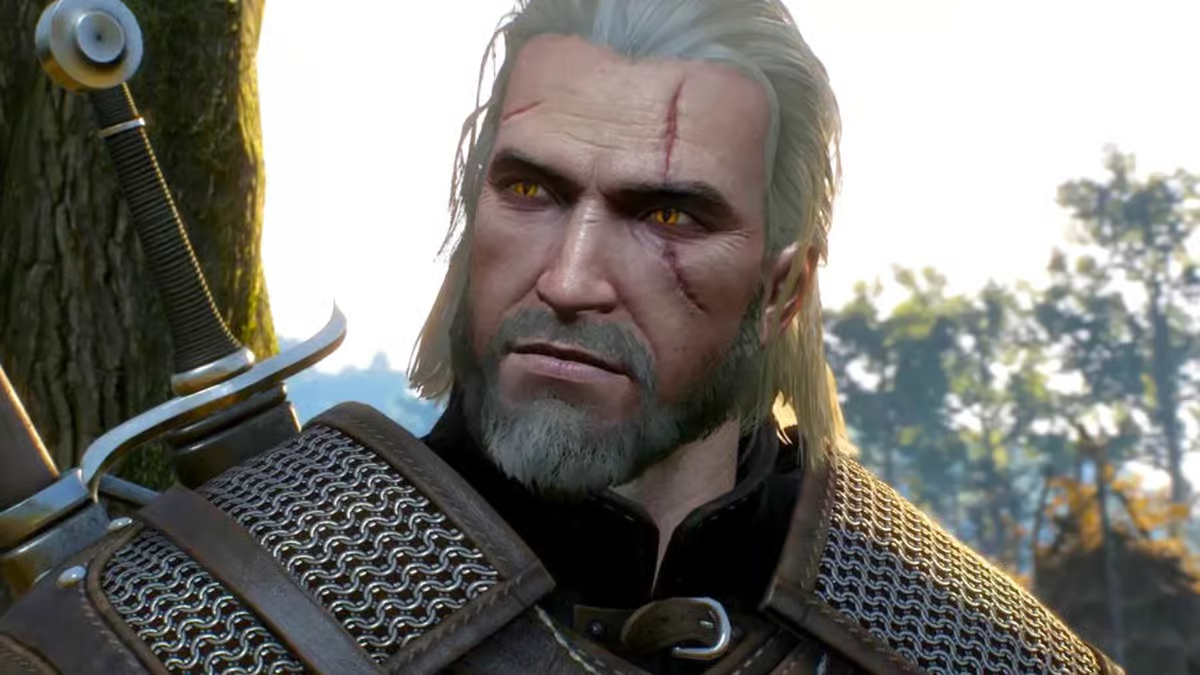
In an interview with Polygon, Cockle described the AI cloning of his voice as the "bane of his existence." He expressed deep concern that these technologies could be used to make Geralt voice racist, misogynistic, or extremist political views, misleading unsuspecting audiences into believing he personally recorded the content.
"If I had the power and the money and the influence, I would sue every single AI platform that is using my voice. I would sue them out of existence," he said.
"More important than the money or anything else is the fact that they can make Geralt say horrible things. They can make Geralt a racist. They can make him a misogynist. They can have him have extremely horrible political views," Cockle added. "I do get a little emotional about it, but it is the bane of my existence right now. There are people behind these voices. They’re not just digital imprints."
This isn't the first time Cockle has addressed the issue. Back in 2023, he stated, "AI is inevitable, and developers will use AI. We just don't know 100% what that means yet." At the time, he revealed that an AI company had approached him to add his Geralt voice to their database, but he refused. "I said no, and I still say no. But it's not because I don't like AI."
Cockle emphasized that the core problem is that voice actors' voices are being reproduced and used without their consent. "Every time somebody does that, they are literally taking income away from me, and not just me, any other voice actor whose voice they're using in that way," he explained. "So AI itself is not the problem. It's the people who use AI."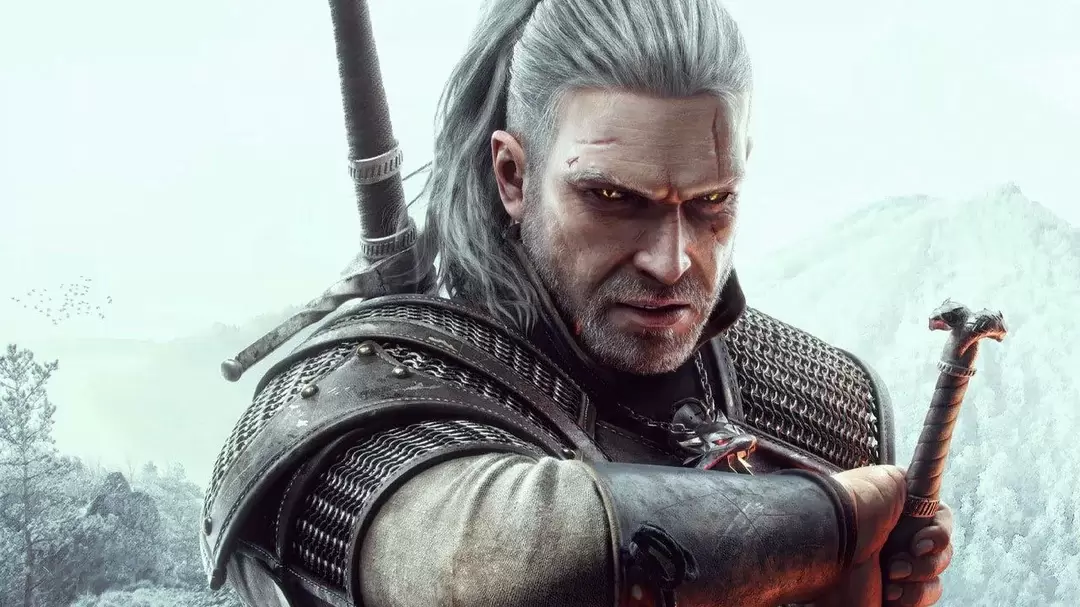
In recent years, numerous video game voice actors have criticized AI generation models and voice-cloning technology. The actors' union SAG-AFTRA previously went on strike over the need for AI protections. While the new contract includes consent and disclosure requirements for AI digital replicas, existing platforms still struggle to completely prevent the circulation of deepfakes and voice-cloned content.