

Following the gameplay reveal for "Marvel's Wolverine" at the June 2026 State of Play, alongside the brutal combat and dismemberment, the design choice to have Logan's suit repair itself along with his body sparked widespread discussion among players. Some fans jokingly suggested the suit also had a "healing factor," while others quipped about "nanomachines," and some even speculated, based on comic lore, whether it might be connected to Reed Richards, Mr. Fantastic.
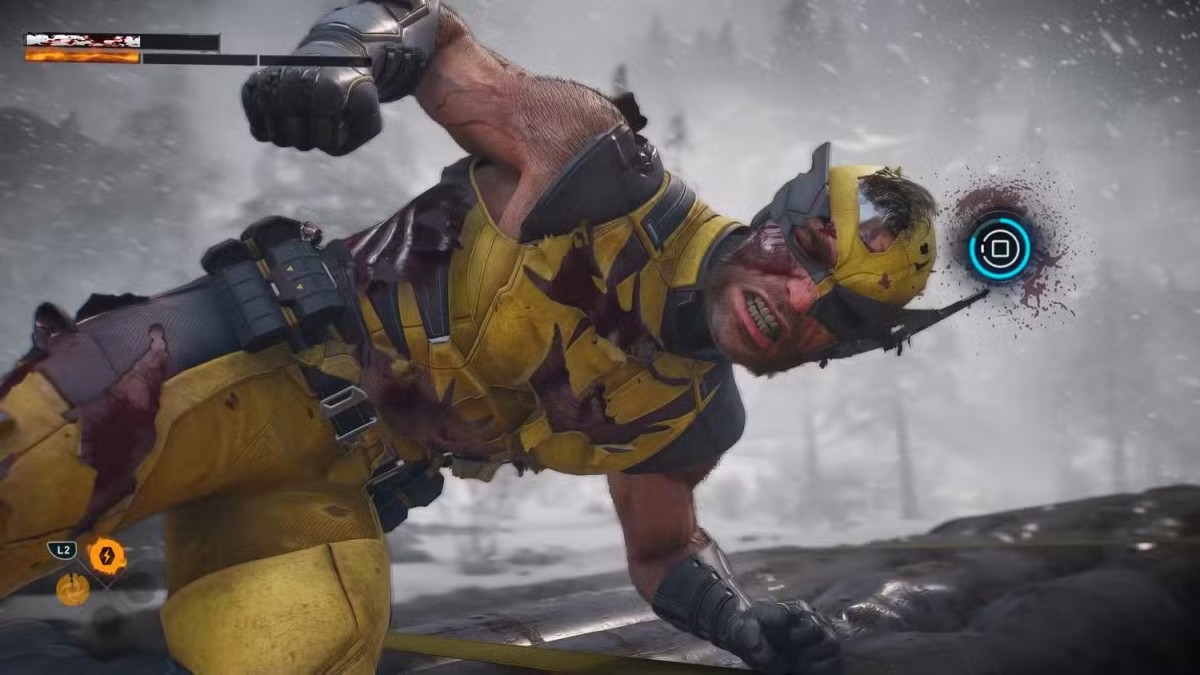
However, Insomniac Games' Technical Director, Mike Fitzgerald, explained in an interview that this decision wasn't rooted in deep comic book lore but rather a balance between game implementation and visual pacing.
He stated that players couldn't realistically spend the majority of the game running around in tattered rags. Therefore, the team needed the costume to both reflect the damage from brutal combat and recover at appropriate moments to maintain Wolverine's intended cinematic feel.
Senior Project Director Jess Reiner-Reed added that in earlier iterations, players would spend extended periods in missions wearing damaged outfits, which paradoxically diminished the character's sense of power. Consequently, the team ultimately opted for suit damage to be temporary, repairing itself at opportune moments.
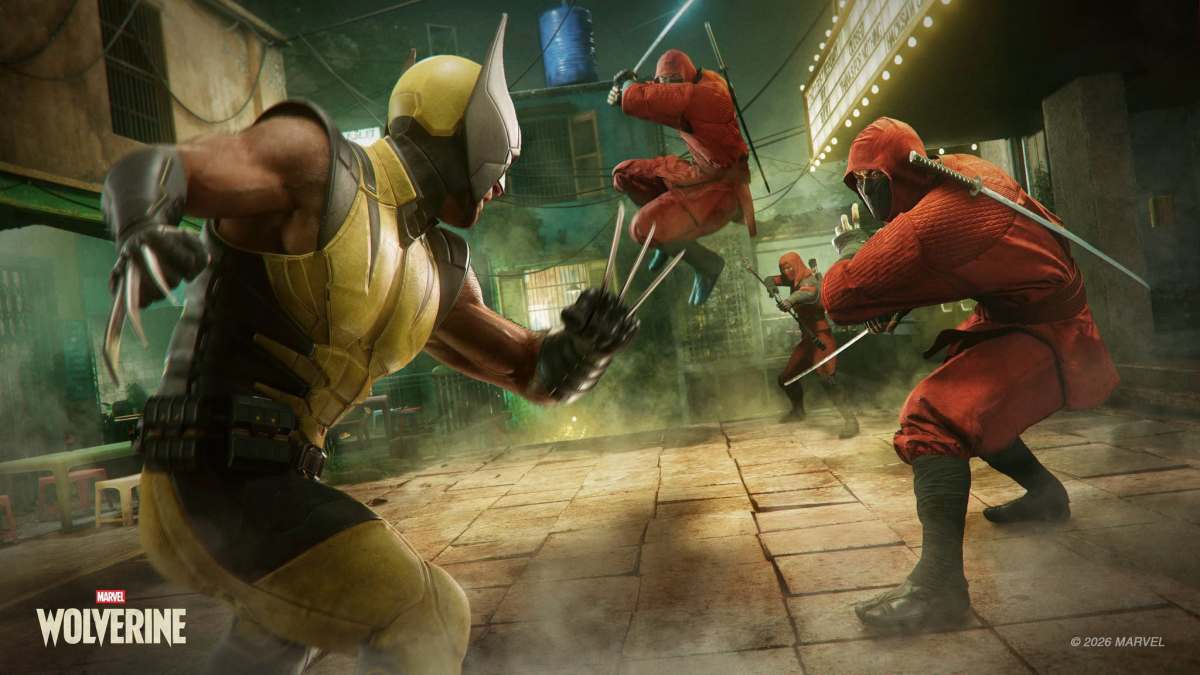
In other words, this design doesn't imply the suit genuinely possesses healing abilities, but rather prevents players from losing the powerful feeling of embodying Wolverine due to a perpetually damaged appearance.
While the suit won't remain permanently tattered, Insomniac has still developed a detailed damage rendering pipeline for each costume. Fitzgerald noted that the team invested significant effort into the damage effects for Logan, enemies, and the costumes. Blood, for instance, isn't just a pre-rendered effect but a dynamic particle system that splatters on the ground or Logan himself. If he walks through water, the bloodstains will even wash away, leaving crimson swirls in the water.
via: IGN