
In the July 2026 film "Spider-Man: Brand New Day", Peter Parker is exceptionally cautious about his true identity.
Following the events at the end of 2021's "Spider-Man: No Way Home", the world has forgotten Peter Parker, and his new life has returned him to the streets of New York, embodying the original essence of the superhero "Spider-Man". New Yorkers know Spider-Man exists—they might even see him swinging between skyscrapers daily—but the identity of the man beneath the mask has become a secret that must be fiercely protected. 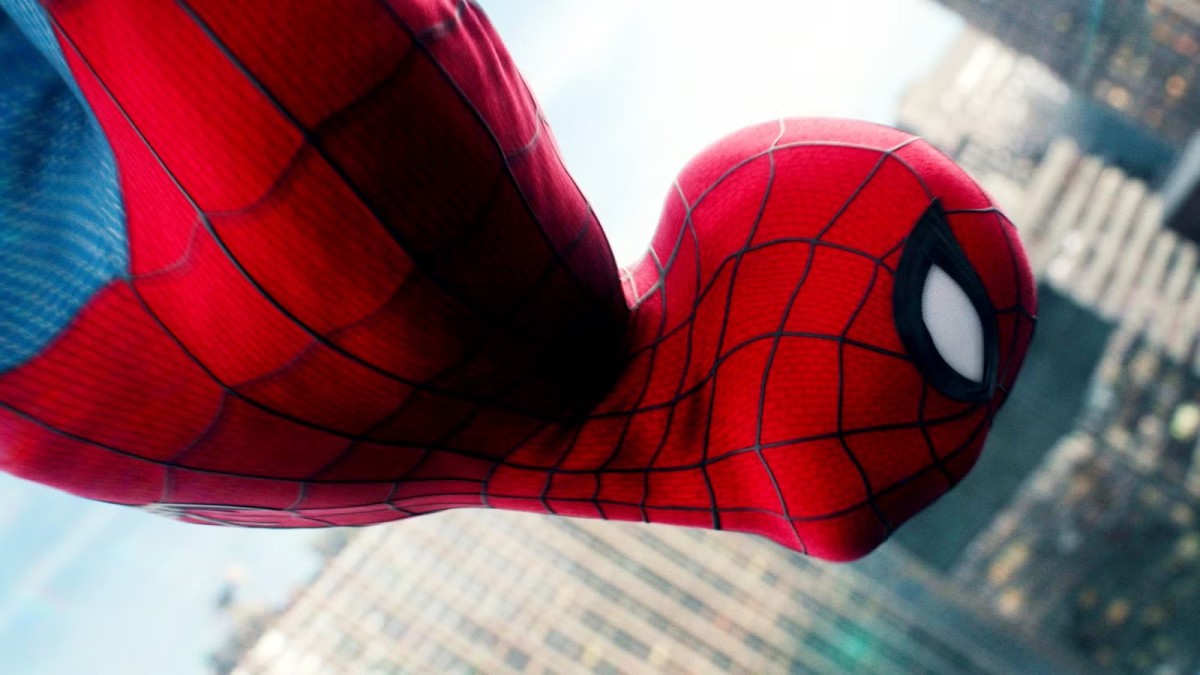
This brings a seemingly simple question back to the forefront, especially for fans new to the character: Why can't Spider-Man be like Tony "Iron Man" Stark and openly tell the world who he really is?
While a secret identity might seem like a long-standing tradition in comic books, for Peter Parker, that mask serves a function far more critical than simply "avoiding being recognized." Marvel Comics once actually had Peter publicly reveal his identity, using the subsequent chain of events to prove just how severe the consequences of that decision could be.
The most representative of these storylines is the controversial 2007-2008 Spider-Man arc "Spider-Man: One More Day", which remains a topic of debate to this day.
▌The Price of Unmasking
Before diving into "Spider-Man: One More Day", let's rewind to Marvel Comics' 2006 mega-event, "Civil War".
When the Superhuman Registration Act ignited a conflict among heroes, Peter initially chose to side with Tony Stark. To Peter at the time, Tony was not just a major figure in the hero community but also a trusted mentor. So, when Tony asked Spider-Man to become a symbol for the pro-registration movement by revealing his identity, Peter ultimately agreed.
This led to one of the most shocking moments in Spider-Man comic history in "Civil War" #2, where Spider-Man, in front of the national media, took off his mask and revealed the truth to everyone: "Spider-Man" is Peter Parker.
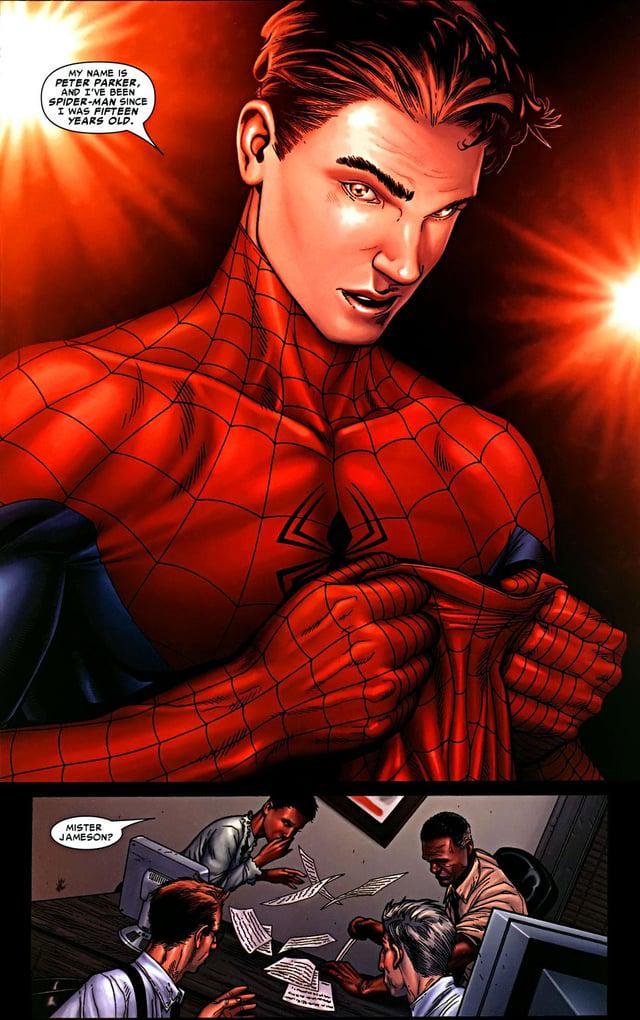
This wasn't a case of his mask being forcibly torn off by an enemy, nor was it an accidental leak. It was the first time Peter voluntarily merged his two lives into one. In later retrospectives, Marvel has cited this as a major turning point for Spider-Man caused by "Civil War".
At first glance, this might have seemed like a form of "growth." Peter no longer had to lie to his friends and family. He wouldn't have to scramble for a ridiculous excuse to disappear every time his Spider-Sense went off, nor would he need to worry about anyone asking, "Who is Spider-Man?"
The problem was, Peter soon discovered that exposing his superhero identity came at a steep price, and the real dangers he needed to guard against were far greater than the minor inconveniences of a double life.
▌When Everyone Knows Peter Parker, Spider-Man Is No Longer the Only Target
A public superhero identity means that every criminal who knows "Spider-Man" now knows exactly where to find Peter. They know his name, they know his life, and they know who matters most to him.
Making matters worse, Peter soon realized that the methods Tony's faction employed to enforce the Registration Act went beyond what he could accept. He ultimately broke away from Iron Man and defected to Captain America's Secret Avengers mid-war.
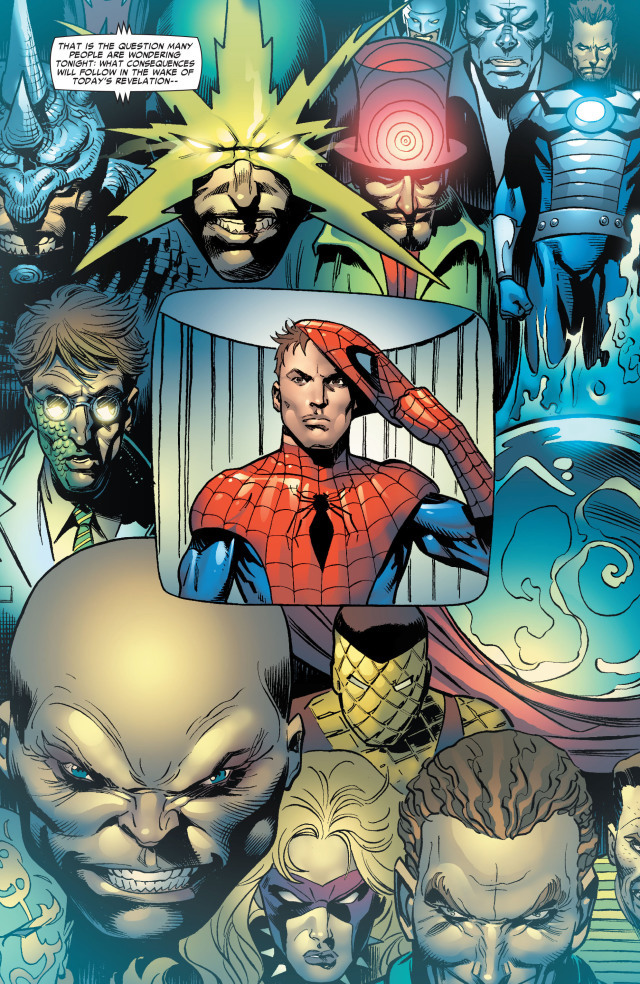
This plunged Peter Parker into a situation far worse than before. He had sided with Iron Man and publicly revealed his identity, only to later realize he'd made the wrong choice and join Captain America's anti-registration faction, thereby becoming a government-hunted "illegal hero." In this dire predicament, Peter was forced to go into hiding with Aunt May and MJ. The enemies who were once unable to connect "Spider-Man" to a specific family no longer had that obstacle.
Simultaneously, Wilson Fisk, the "Kingpin," became the greatest threat. Incarcerated at the time, Kingpin learned Spider-Man's true identity and immediately dispatched a hitman to the hotel where Peter's family was hiding. When the sniper pulled the trigger, Peter's Spider-Sense allowed him to dodge the bullet and protect MJ.
But he couldn't protect Aunt May. The bullet struck her mercilessly.
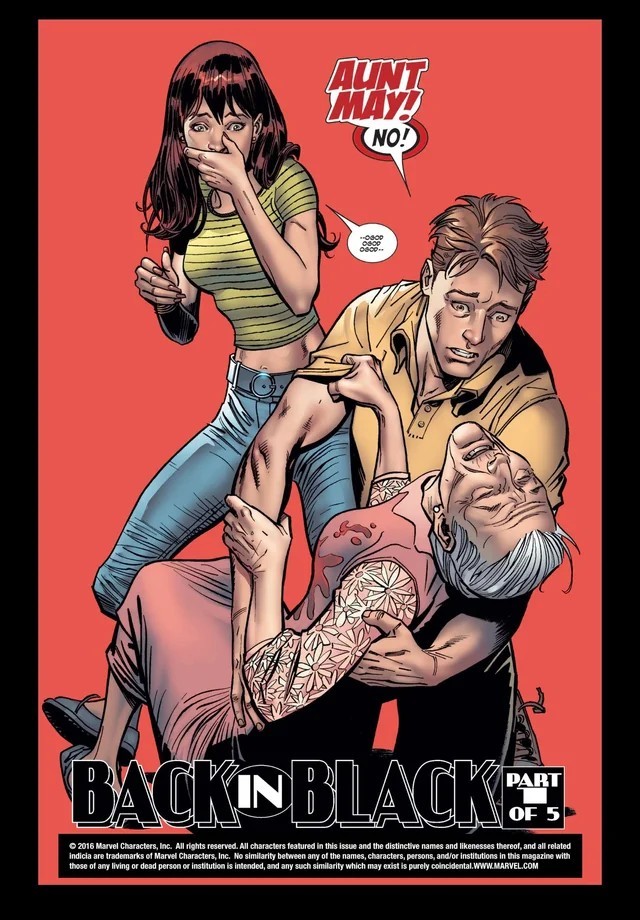
From a character design perspective, this moment is the most direct and brutal illustration of why Spider-Man's secret identity exists. Of course, as the superhero Spider-Man, he possesses superhuman strength, speed, and a Spider-Sense, giving him a high survival rate even against firearms. But Aunt May has no such abilities.
If only Spider-Man existed, his enemies would be dealing with a masked hero who could scale walls and whose residence was unknown. But once villains learned that "Spider-Man" was named Peter Parker, their guns were no longer aimed just at the streets of New York. The targets could be "Peter Parker's" home, "Peter Parker's" workplace, MJ, Aunt May, or anyone who had ever been associated with "Peter Parker."
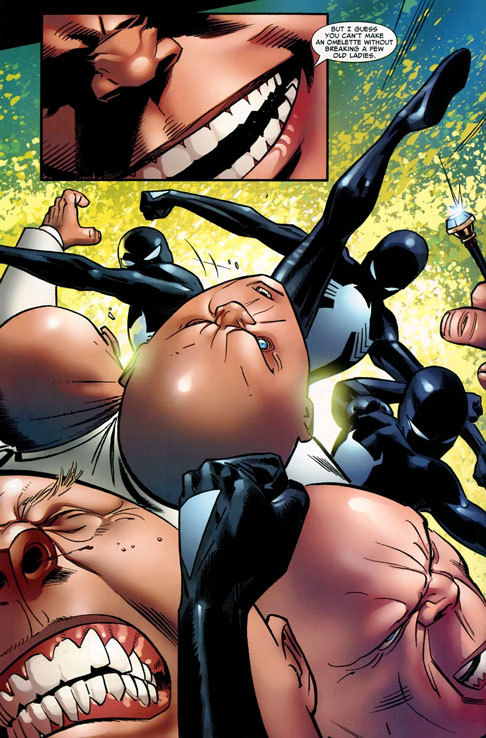
After Aunt May was shot, Peter was on the verge of a complete breakdown, a story that leads directly into the famous "Back in Black" arc. Peter donned his black Spider-Man suit, a symbol of his darkest rage, to hunt down the person responsible, ultimately confronting Kingpin in prison.
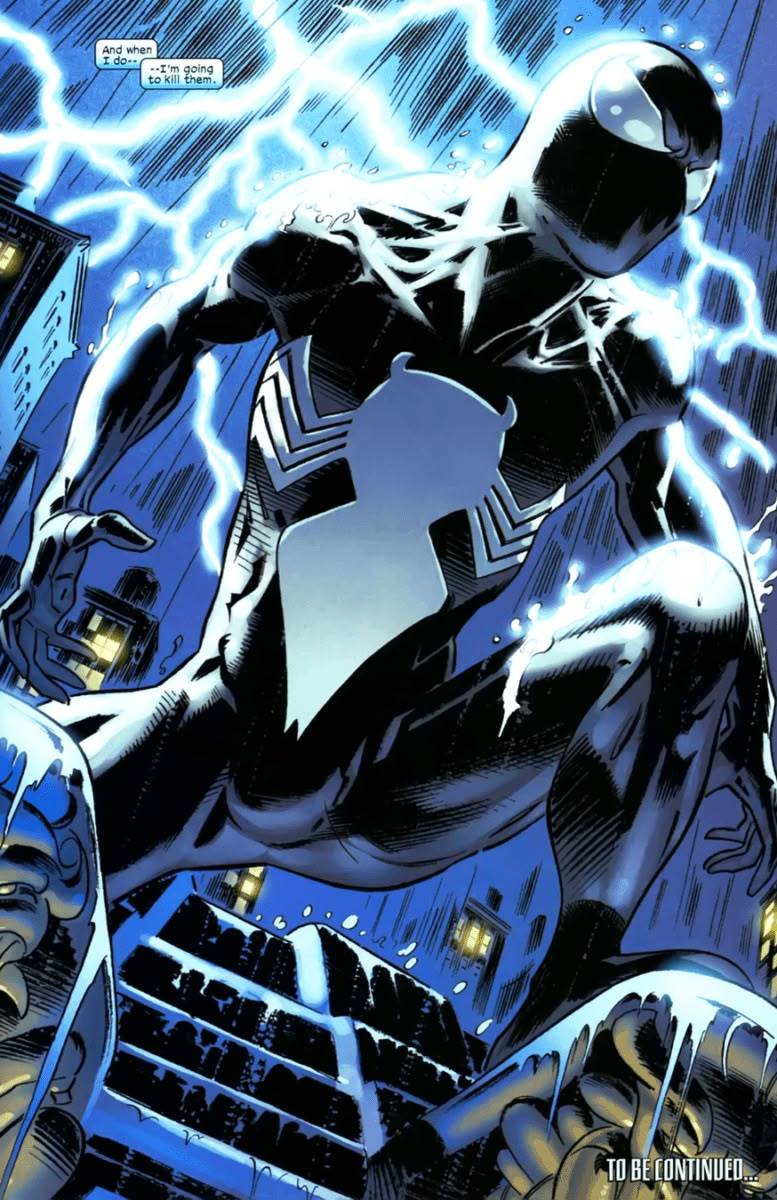
He savagely beat Fisk, even telling him that if Aunt May died, he would return to personally end him. But the cruel reality was that no matter how furious Peter was, and even with the power to defeat Fisk, he was powerless to change Aunt May's fate as she lay dying in a hospital.
This creates a classic Spider-Man dilemma, a painful inversion of "with great power comes great responsibility." Peter possessed the strength to defeat super-criminals, yet he couldn't solve the problems in his own life. He could climb walls, dodge bullets, and lift tons, but in the face of an elderly woman slowly succumbing to a gunshot wound, his superpowers were suddenly meaningless. It was against this backdrop that the death knell sounded, setting the stage for "Spider-Man: One More Day."
A Deal with the Devil and a Return to Solitude
Facing Aunt May's fading life, Peter began searching for any possible solution. He placed his hopes in science, magic, and beings with power far beyond his own, even seeking out Doctor Strange. 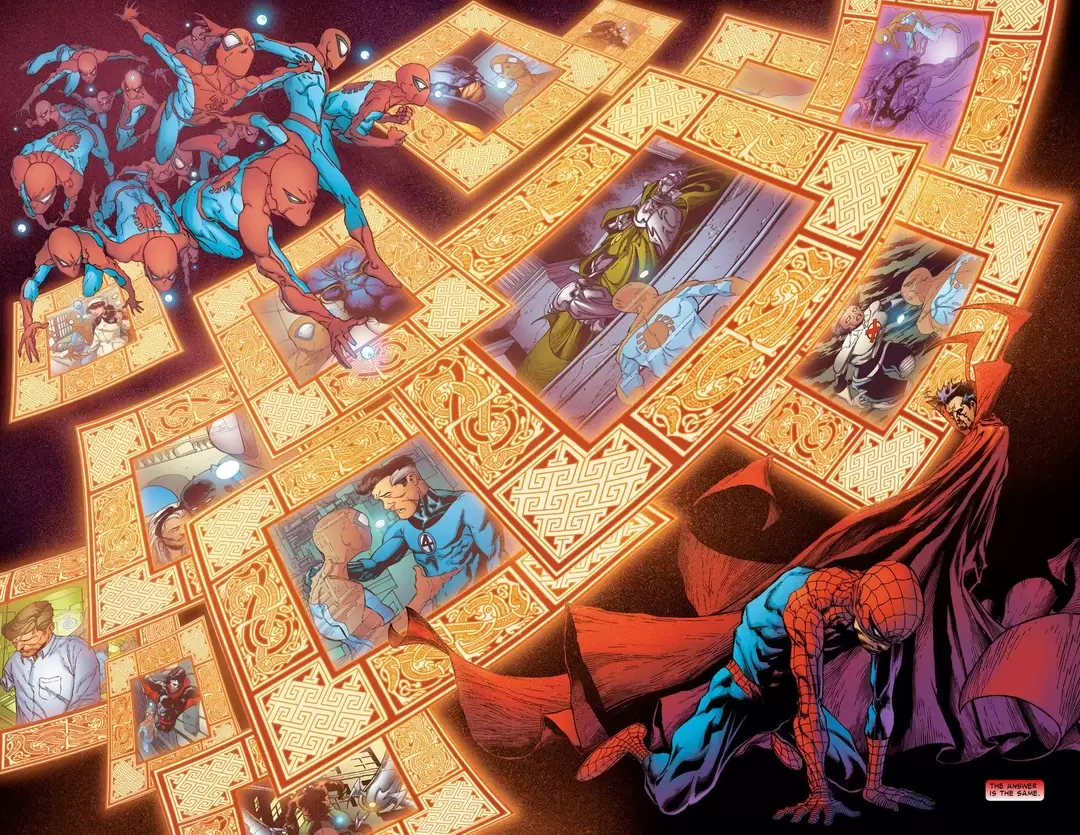
But the answer was always the same: nothing could be done. Just as Peter was pushed to the brink of despair, the Marvel Universe's demon, "Mephisto," appeared. He made Peter an offer that was impossible to refuse, yet nearly impossible to accept.
Mephisto could save Aunt May's life, but it came with a condition. He didn't want Peter's soul; he wanted to take away Peter Parker and MJ's marriage.
This is the cruelest conclusion to the post-"Civil War" epilogue in "One More Day." Peter had unmasked because he believed he could finally stop dividing his life into "Spider-Man" and "Peter Parker." But in the end, to undo the consequences of that decision, the price he had to pay was the most precious part of his life as "Peter Parker."
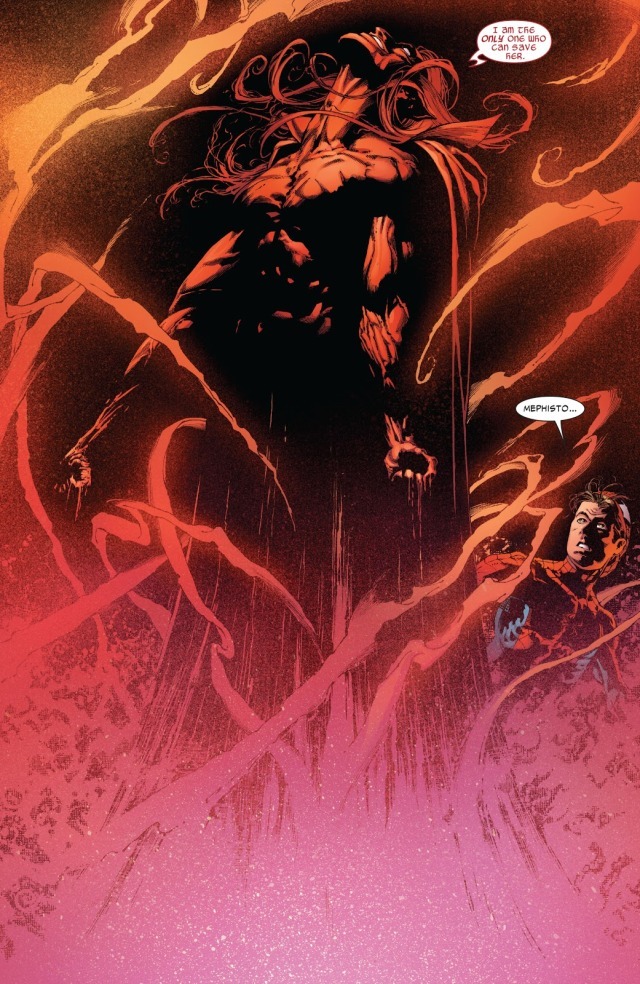
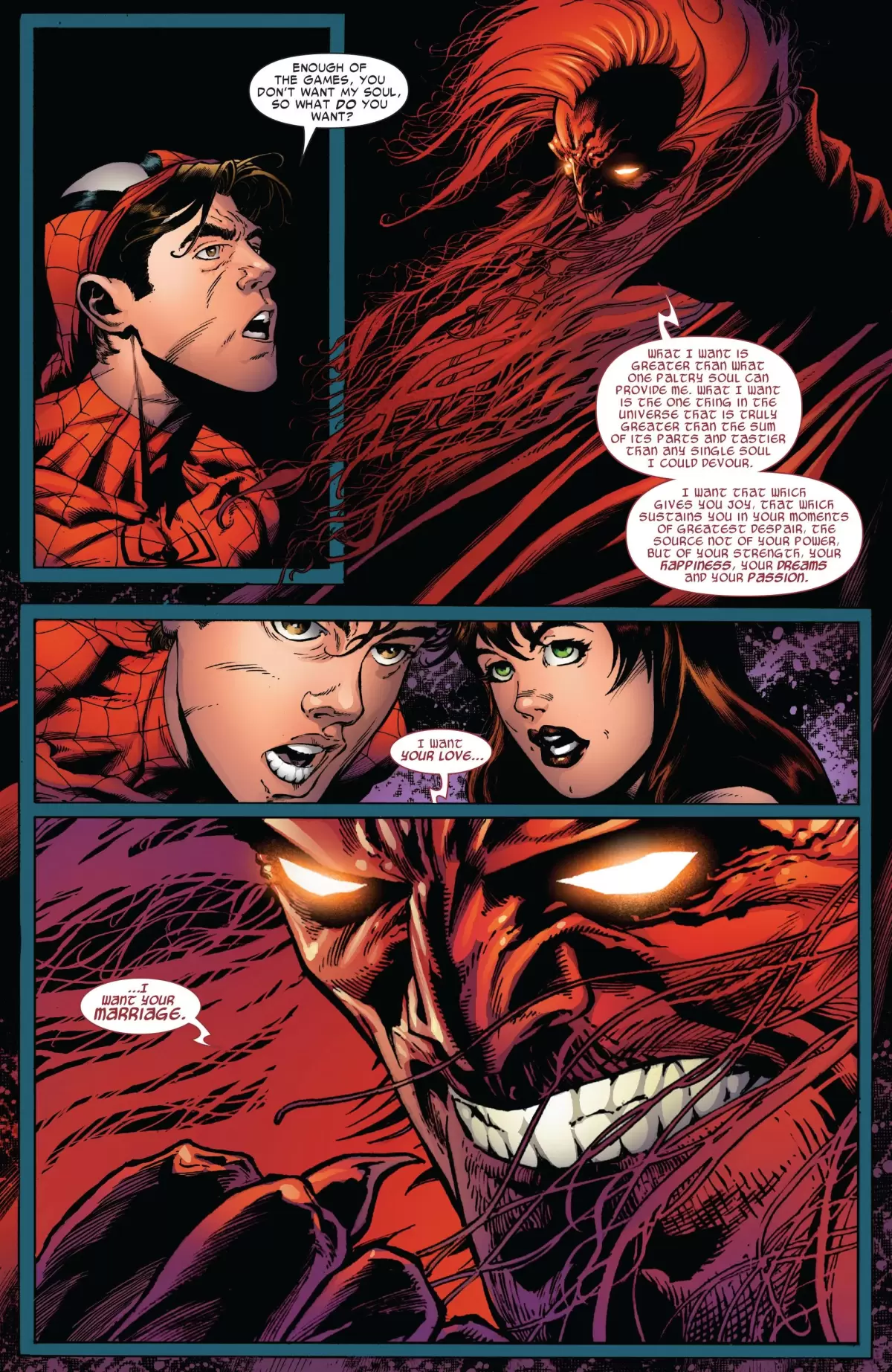
Mephisto even showed them a vision of a daughter who might have existed in their future, implying that if they accepted the deal, that child would never be born into their lives. With no other choice, Peter and MJ accepted the outcome, and Aunt May was saved through this brutal sacrifice.
The price of saving Aunt May's life was having Peter and MJ's marriage rewritten out of reality. Their wedding was as if it never happened, and the fact that "Peter Parker is Spider-Man" once again became a secret unknown to the world. Peter finally got his secret identity back, only this time, he knew the immense "responsibility" that came with the mask.
What Spider-Man Really Needs to Protect Is Peter Parker
By now, movie audiences will likely find this all very familiar. The MCU's "Spider-Man: No Way Home" also saw Peter's life, along with MJ's and Ned's, thrown into chaos after his identity was exposed. He ultimately sought help from Doctor Strange and used magic to make everyone forget "Peter Parker."
Although the film is not a direct adaptation of "One More Day"—the terms of the exchange and the plot developments are significantly different—the core concept of "identity exposure causing disaster, followed by magic severing the link between Peter Parker and Spider-Man" carries a distinct comic book echo. 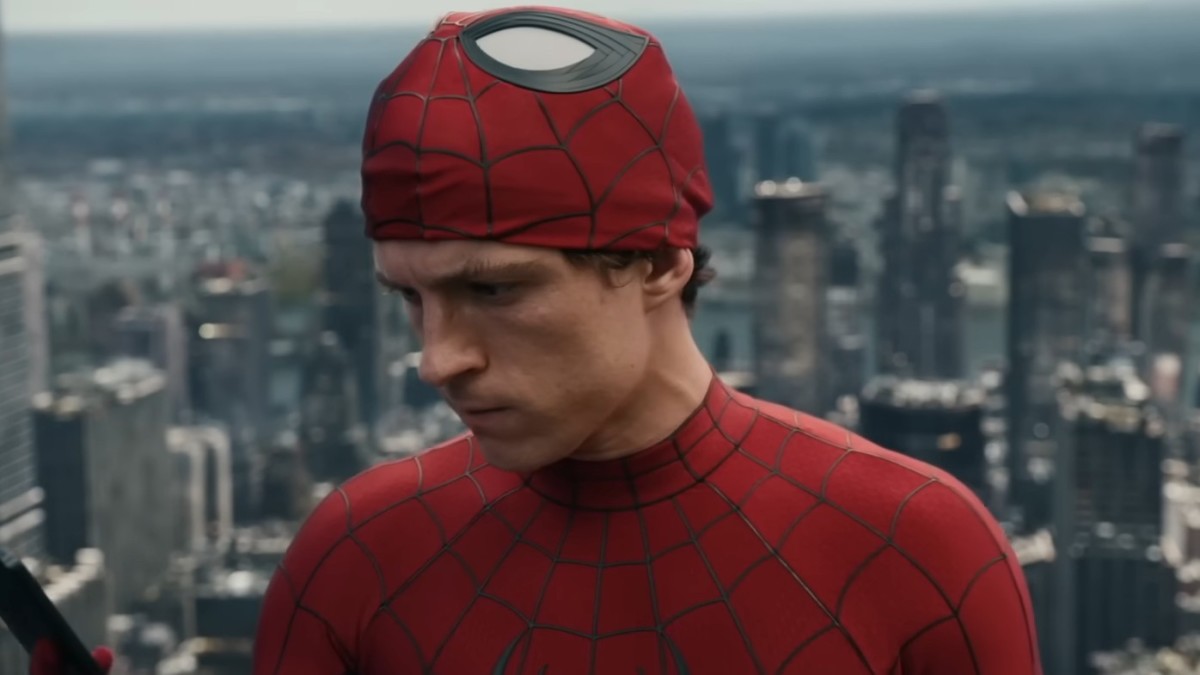
This also makes Peter's attitude toward his identity in "Spider-Man: Brand New Day" all the more logical.
After the events of "No Way Home", he has seen with his own eyes how his hero persona can consume those around him. Aunt May died after being drawn into Spider-Man's world, and MJ and Ned lost all their shared memories because of Peter's final choice.
Thus, the Peter of "Brand New Day" swings to the other extreme. If "Peter Parker" puts those around him in danger, then only "Spider-Man," the superhero of New York, can exist in the public eye. He can let the entire city see Spider-Man, let people film him swinging through the streets, and fight alongside other heroes, but the name of the young man under the mask must belong to him alone. 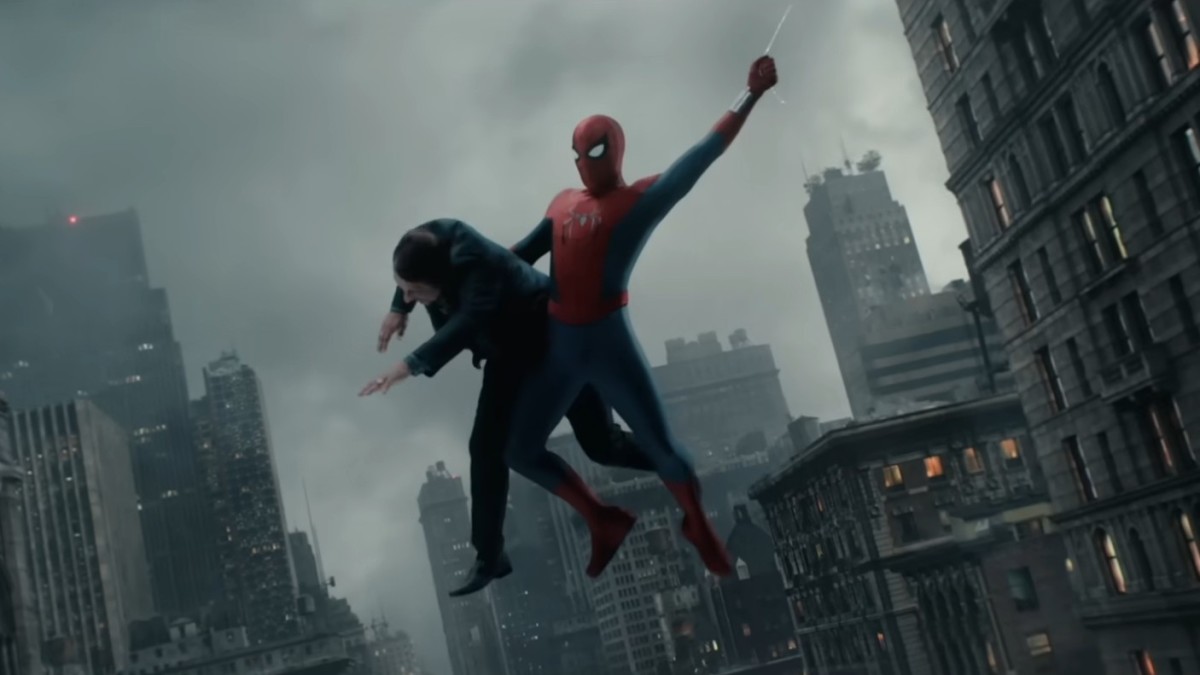
This is why a secret identity is more crucial for Spider-Man than for many other superheroes. What Peter truly wants to preserve is not a sense of mystique, but a boundary for his private life. Outside the mask lie Spider-Man's enemies, responsibilities, and battles. Inside the mask are Peter's family, friends, and loved ones. As soon as that boundary disappears, the two worlds collide with consequences he cannot bear to face.