

Kanna Wakatsuki, the illustrator and original character designer for the light novel series Inukami!, has filed a lawsuit against publisher WiZH, alleging that the e-book release of "Inukami! Omnibus (Part 1)" uses art from another illustrator without her knowledge or consent.
The case has drawn significant attention, and on September 1, Wakatsuki took to her X account to explain the lawsuit's background and what she believes is at stake.
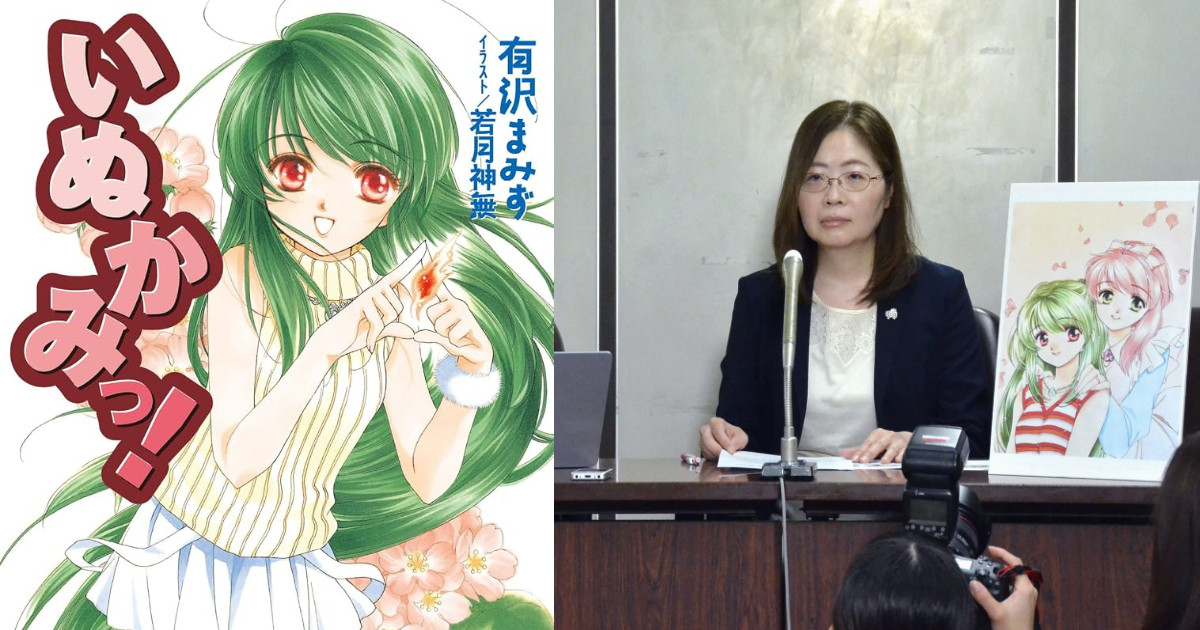
Wakatsuki began her post by stating, "This lawsuit over the 'Inukami!' redrawings isn't just about me personally; it's an issue that deeply concerns creators working across all industries."
To ensure "the significance of this lawsuit is understood without any misconceptions," she laid out her arguments in a Q&A format.
■ What Exactly Happened?
In response to the question, Wakatsuki explained that her original character designs were handed over by the publisher to another illustrator to be redrawn, all without any communication with or consent from her. Furthermore, she claims the publisher removed her "Original Character Design" credit and used the redrawn characters for the e-book's cover, which was then distributed and sold commercially.
Wakatsuki added, "If they had just consulted me beforehand, I believe I would have been happy to consent after signing a contract. It's truly regrettable."
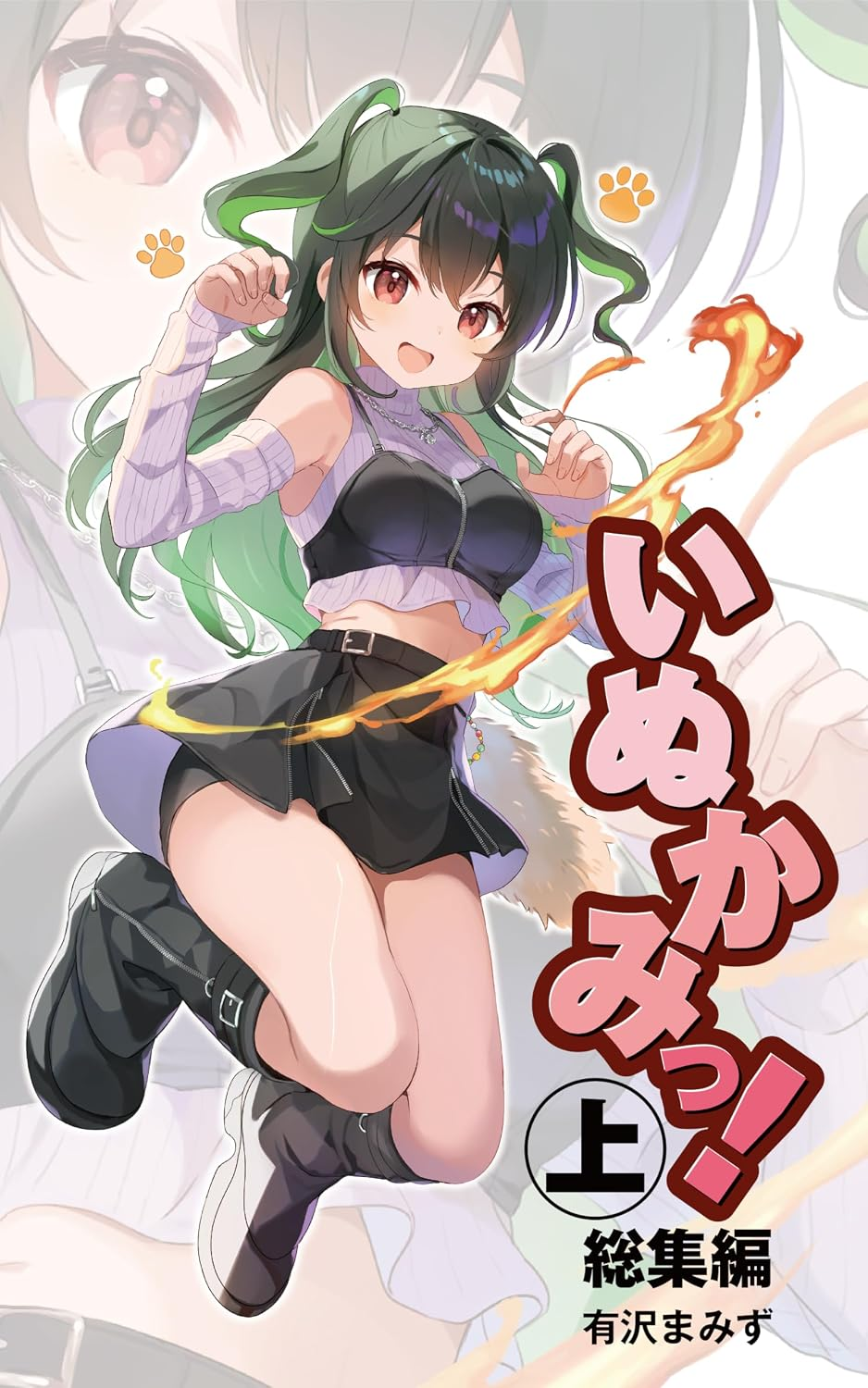
■ Wakatsuki Stresses "Inukami!" Copyright Was Never Transferred
Regarding the copyright, Wakatsuki stated, "I have never transferred my copyright for any 'Inukami!' related works to anyone." She explained that for the past 17 years, she has continuously received royalties from KADOKAWA for secondary uses of the IP, such as the manga and anime adaptations.
As for the use of her characters and works in the new "Inukami! Omnibus," she emphasized, "I gave absolutely no consent for their use in this omnibus."
■ Why Call It an "Unauthorized Redrawing Lawsuit"?
Wakatsuki also explained why she refers to the case as an "unauthorized redrawing lawsuit" (無断リライト訴訟). She stated this is because her original characters were used as a basis for another illustrator to redraw and create a commercial product. She further noted that with the growing prevalence of generative AI, it has become easier than ever to mass-produce products based on someone else's work.
She expressed concern that if this kind of unauthorized "redrawing" is permitted, "the market will be flooded with carelessly made derivative works, and true creators will quickly lose their ability to make a living due to price competition." However, Wakatsuki specifically clarified that she is not claiming generative AI was used to create the "Inukami! Omnibus" cover, only using it as an example.
■ "Isn't This Just a Personal Matter?"
To the potential question, "Isn't this just your personal problem?" Wakatsuki answered directly: "No, it is not." She argued that if "unauthorized redrawing without the original creator's consent" is deemed legal, then the rights of the creators who first brought these works to life could be ignored by anyone. "This is an issue that concerns all creators around the world," she stressed, adding that she believes the lawsuit is about more than just her own rights.
■ "If I Stay Silent, There Will Be a Next Victim"
On her decision to formally file a lawsuit, Wakatsuki stated, "Because if I choose to stay silent, there will be a next victim." She believes that if creators do not speak up, they cannot protect themselves, their work, or the future of that work. This conviction is what led her to take legal action.
Meanwhile, publisher WiZH, together with original author Arisawa Mamizu, had already released a statement on their official website on June 15, prior to Wakatsuki's formal lawsuit. At the time, WiZH stated, "We believe that this work does not infringe upon the copyrights or other rights of any third party."
The publisher also announced that, as a temporary measure until the matter is resolved, it would halt the distribution of "Inukami! Omnibus (Part 1)" on certain platforms and postpone the release of "Inukami! Omnibus (Part 2)." However, WiZH emphasized that these actions do not represent an admission of any infringement.
The two parties remain at odds over the copyright and the handling of the e-book's content, and Wakatsuki has now formally filed her suit with the Tokyo District Court. The case's progression and the court's final judgment are being closely watched by Japan's creative community.