

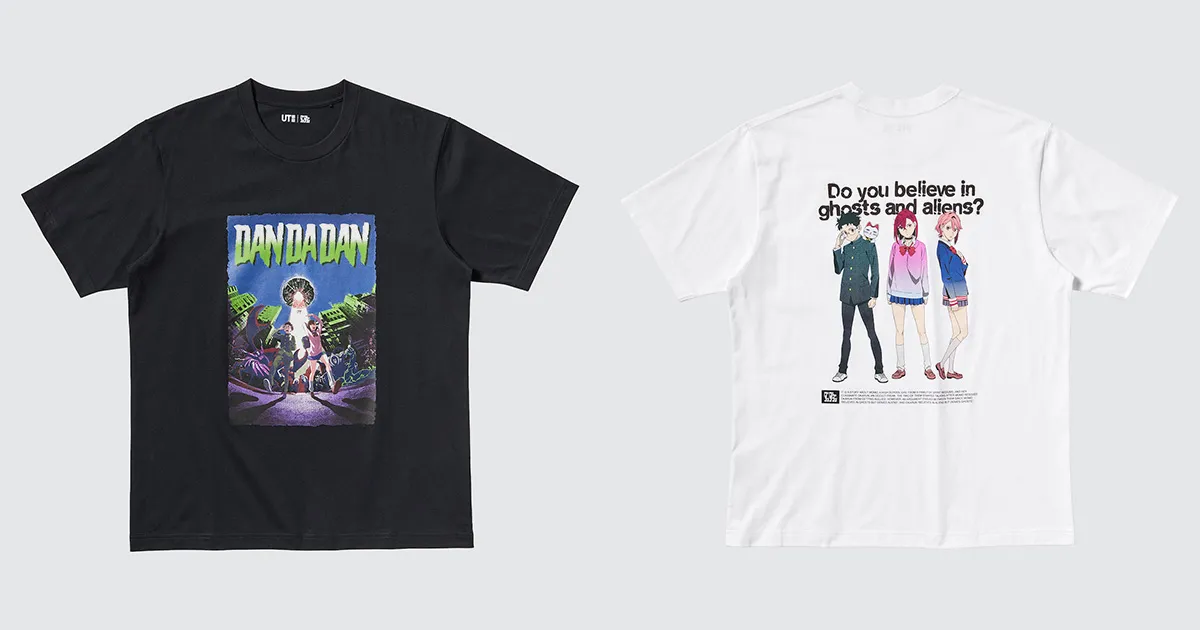
Ever wonder why the apparel and other merchandise released for your favorite anime and games often stick to conservative designs, like official character profile art? Why don't they feature more newly drawn illustrations, especially when it's a collaboration with a major brand? You've probably noticed this trend.
Recently on X (formerly Twitter) in Japan, a user who previously worked in the apparel industry on anime character collaboration projects revealed a surprising part of the process. They explained that to ensure an official product design didn't too closely resemble fan-made works online, they had to check social media, Pixiv, and personal blogs every single day for comparisons. This has sparked a conversation about "whether fan art affects official merchandise," highlighting the unimaginable level of scrutiny and risk assessment that goes on behind the scenes when a popular series releases a collab.
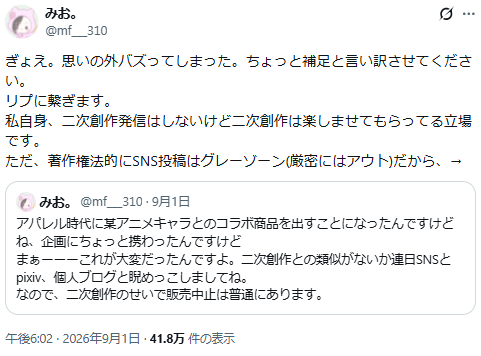
The user, "Mio," shared her past experiences in the apparel industry on X.
She revealed that while working on a collaboration for an anime character, staff members had to spend days checking social media, Pixiv, and personal blogs for fan art to compare against their own designs. She stated bluntly: "So, yes, it's a real thing for products to be canceled because of fan art."
This statement quickly went viral, which surprised Mio herself. She later clarified her position, emphasizing that while she doesn't create fan art, she regularly enjoys the work of other creators.
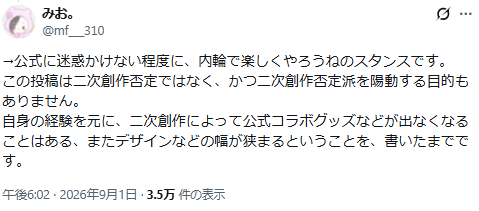
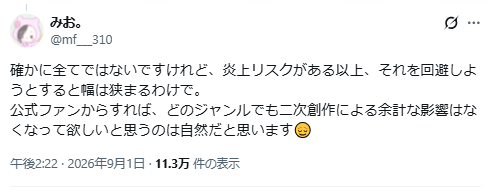
She pointed out that from a copyright law perspective, fan art posted on social media exists in a legal gray area and could technically be considered infringement. However, her intention wasn't to condemn fan works or incite a backlash against them. What she wanted to share was that fan art can have a tangible impact on official collaboration merchandise, such as forcing companies to play it safe with conservative designs to narrow the room for potential conflict, or even abandoning a product altogether to avoid controversy.
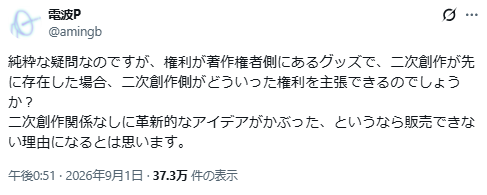
One user questioned this, asking: Since the copyright for official products belongs to the rights holder, what rights can a fan artist even claim if their work just happened to appear first?
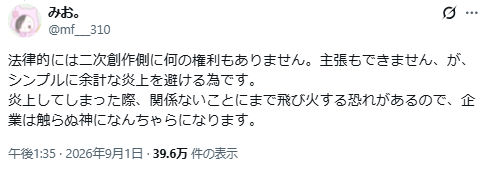
To this, Mio replied, "Legally speaking, the fan art side has no rights and can't make a claim." But she believes that companies choose to avoid similar designs not because they fear legal action, but simply to steer clear of unnecessary online flame wars. Once a controversy erupts on social media, people and things completely unrelated to the incident can get dragged in, leading companies to adopt a "better safe than sorry" attitude.
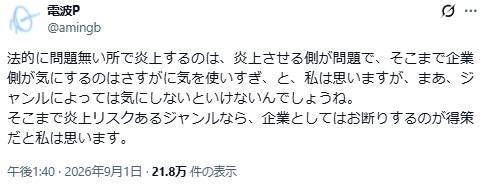
Another user argued that if a product is legally sound, but a company backs down just because of online backlash, then the problem lies with the "people who start the flame war."
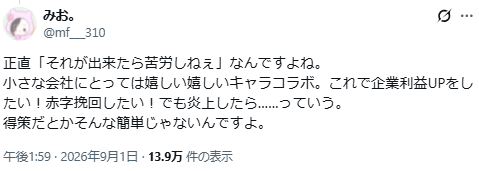
But Mio admitted that from a corporate standpoint, it's not that simple. Citing the example of a small business, she noted that for such a company, collaborating with a popular character is an incredibly rare opportunity. Everyone might be counting on the collab to boost revenue or even pull the company out of a deficit. In such a situation, she believes a company can't make a decision based solely on being "legally in the right," because if a dispute arises, the company itself is the one that bears the risk.
This discussion also made users connect the dots on another phenomenon: Why do so many official collab products just use existing official illustrations from the original work or anime instead of creating brand-new visuals? Some guessed that this might be a deliberate strategy to avoid clashing with existing fan art.
Mio confirmed this was indeed the case. She recalled that during her time on a project, someone had suggested ideas like "combining the official illustration of this character with that one." But if the design is just a rearrangement of existing official art, it risks being criticized by consumers as a "lazy cash grab" or "uninspired." This leaves the team in charge of the collaboration in a tough spot, requiring numerous discussions on everything from character selection and illustration usage to the final product design.
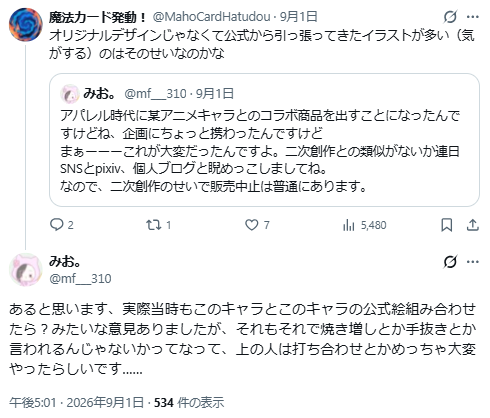
Furthermore, another user pointed out a practical reason for this corporate caution: someone online might actually claim, "My idea was stolen!" Even if their claim has no legal merit, the accusation can spread like wildfire on social media and create immense public pressure.
Some users even drew a chilling connection between these "stolen idea" disputes and the Kyoto Animation arson attack. They noted that while the two situations are completely different in severity, the arsonist's motive was rooted in a delusional belief that his novel had been plagiarized. This makes companies extremely wary of any "plagiarism" accusation, no matter how baseless, as it could potentially trigger an extreme reaction. Therefore, it's natural for businesses to want to avoid such unpredictable risks at all costs.
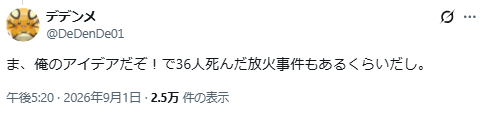
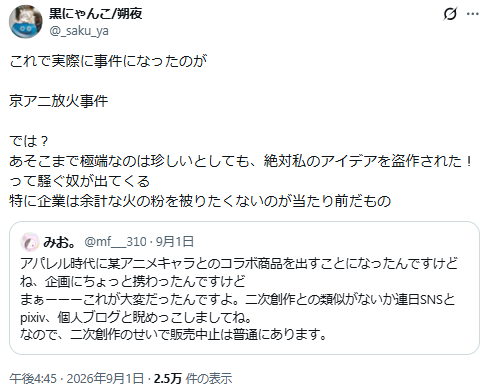
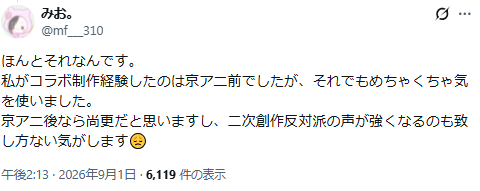
Mio agreed with this sentiment, revealing that when she was involved in making collab merchandise, she was already very careful, even before the Kyoto Animation incident. The industry has always been cautious about these issues. She believes that in the wake of the KyoAni tragedy, companies have only become more sensitive to the risk of "someone claiming their creative work was stolen."
A seemingly simple piece of official merchandise may go through a tremendous amount of design comparisons, copyright checks, and risk assessments before it finally hits the market. In the age of social media, the question of "Will we be accused of plagiarism?" has become a very real business problem that companies must consider when launching a collaboration.
So, the next time you see official merchandise using existing art from the original work or anime, perhaps it's worth understanding the difficult position the creators are in.
Note: Financial figures and earnings forecasts should be confirmed through the company’s official announcements.