

Guillermo del Toro, the acclaimed filmmaker who collaborated with Hideo Kojima on "P.T." and "Death Stranding," recently confirmed during an interview for IGN’s "IGN30 Icons" series that he once tried to get involved with a "BioShock" movie adaptation. The project never truly got off the ground, however, falling apart after several “disastrous” conference calls.
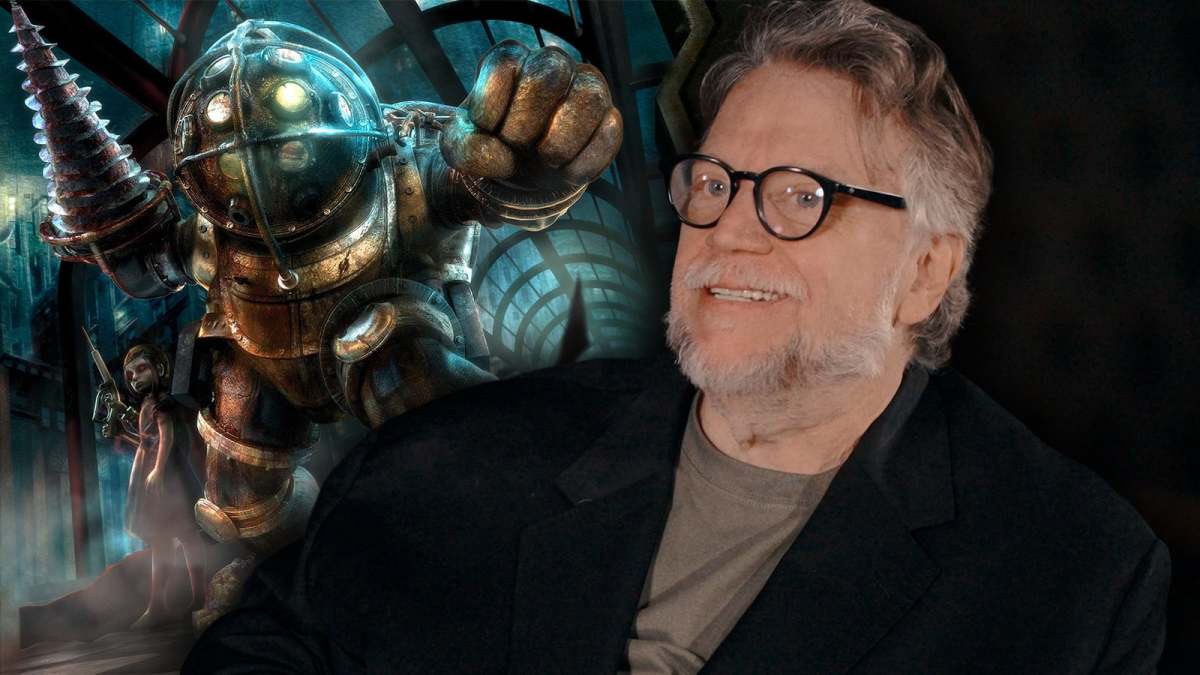
Asked whether he was still interested in adapting a video game for the screen, del Toro admitted, “I tried. We had some very contentious conference calls over a few games.”
“I think video games operate very differently from movies. They may look similar visually—the camera moves and you have this and that—but the storytelling is completely different. When you watch a movie, you don’t have to solve puzzles or piece the information together yourself.”
He pointed to his canceled game "inSANE" to explain the differences between the two mediums: “When we designed the structure of ‘inSANE,’ we created something I called a ‘mandala.’ You have to give players the illusion that they’re inside an infinite sandbox, allowing them to go right or left through ‘their own decisions,’ while you still have to find a way to guide them toward a certain destination. So it really is a completely different thing.”
Del Toro was even more blunt about "BioShock": “When we tried to adapt ‘BioShock,’ we had a couple of phone calls, and they were among the most disastrous calls I’ve ever had in my life. So—no. Fuck that. Absolutely not.” He did not reveal what conflicts arose during those conversations.
Ironically, "BioShock" remains one of del Toro’s favorite games, but the experience clearly soured him on video game adaptations. Asked whether he would ever create another game himself, he was equally emphatic: “Never again. Absolutely not. We were developing ‘inSANE,’ and then the entire project disappeared.”
His admiration for Hideo Kojima remains undiminished, however. Looking back on "P.T.," del Toro said, “I was very happy to hitch a ride for free, but everything that ultimately became ‘P.T.’ was basically his. I really love that man... You’re looking at a pure artist, and he cares about only one thing: the story. That’s it.”
via: IGN