
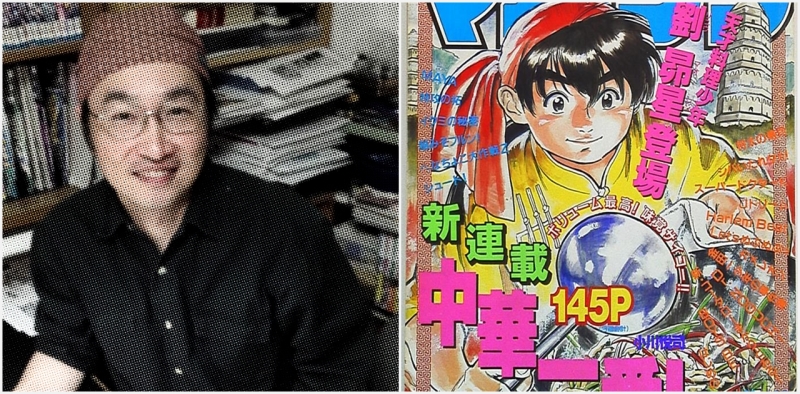
It's actually quite simple to explain the appeal of the manga "Chūka Ichiban!" (also known as "Cooking Master Boy") or its anime adaptation "Chūka Ichiban!". Perhaps few people realize that this gourmet manga actually concluded its serialization in 1999 (the anime version finished airing in 1998). Despite 22 years having passed since then, this work has not been forgotten by time; it even continues to thrive in the meme world. Let's analyze the detailed charm of "Chūka Ichiban!" and the remarkable creative journey of its author, Etsushi Ogawa.
"Chūka Ichiban!" Image credit:朝日新聞GLOBE
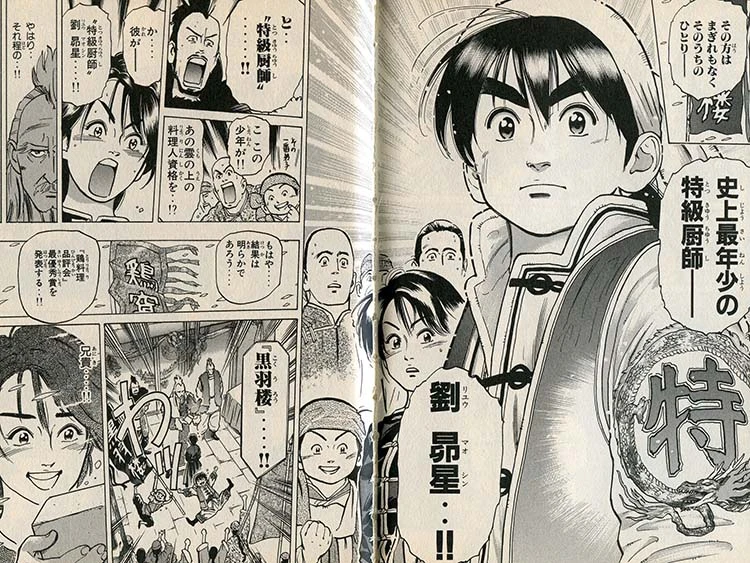
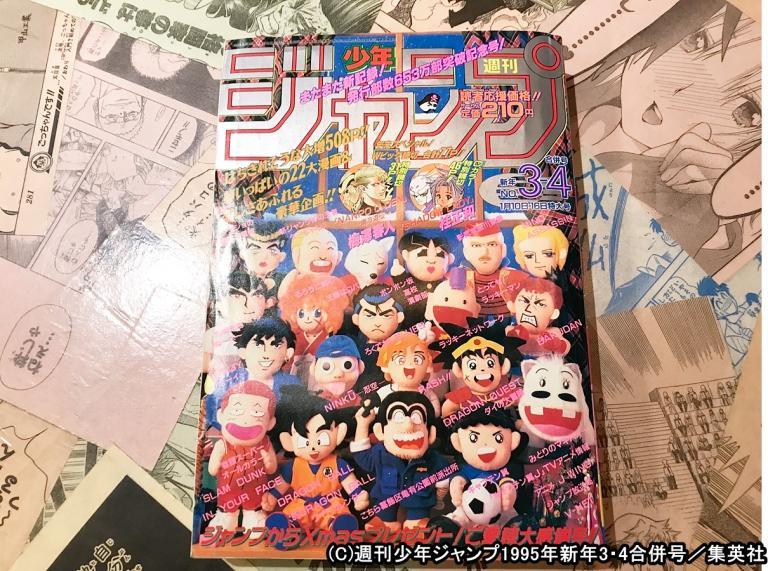
The Roar to Defeat "Weekly Shonen Jump"In the summer of 1994, the magnificent "Yu Yu Hakusho" concluded its serialization in "Weekly Shonen Jump." This manga weekly was at its peak, with sales continuously rising. Finally, in December 1994, "Weekly Shonen Jump" set a historic sales record, selling an astonishing 6.53 million copies in a single issue, firmly establishing itself as the undisputed leader among Japanese shonen manga weeklies.
"Weekly Shonen Jump 1995 New Year 3-4 Combined Issue" that broke sales records Image credit:Rocket news 24
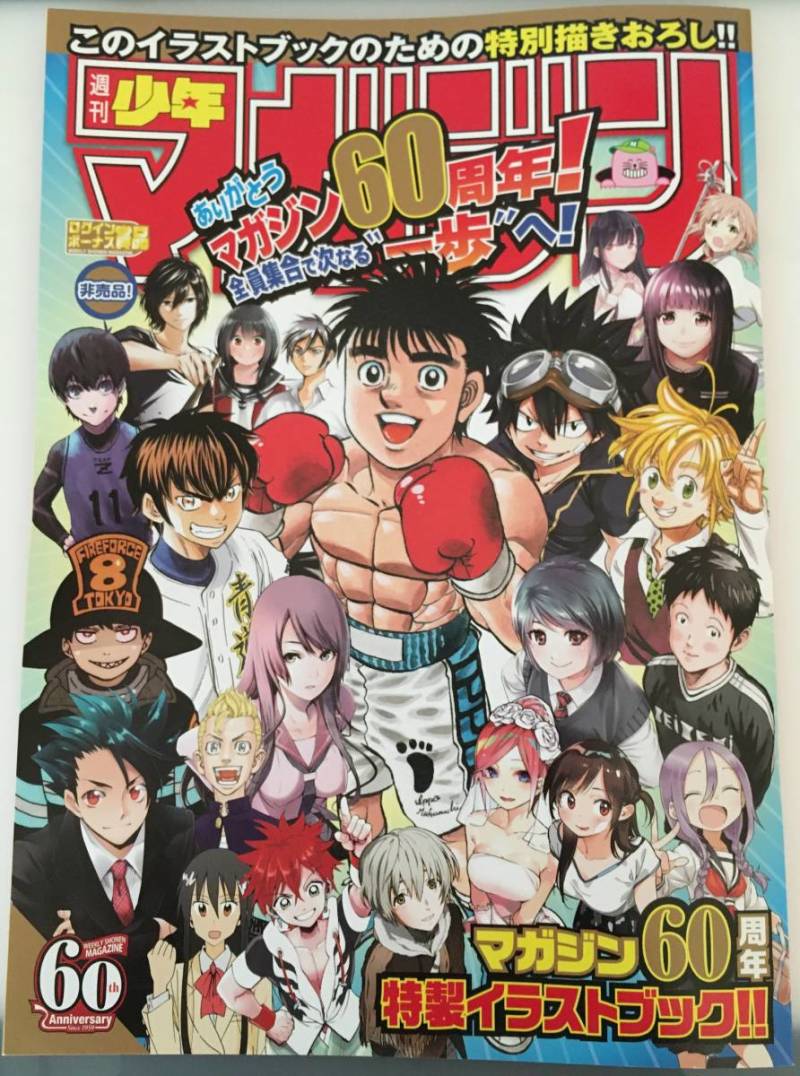
At the time, in the offices of Kodansha's "Weekly Shonen Magazine," a large poster hung, its words clearly stating the office's objective: "Defeat 'Weekly Shonen Jump'!" Underneath "Weekly Shonen Jump"'s single-issue sales of 6.53 million copies, this statement carried almost no emotion—no matter how much you hated or envied "Weekly Shonen Jump," simply cursing them wouldn't surpass their 6.53 million sales. "Weekly Shonen Magazine" needed a more proactive and concrete content strategy. Fortunately, they had a young sushi chef named Shota Sekiguchi.
"Weekly Shonen Magazine" 60th Anniversary Image credit: aucfan
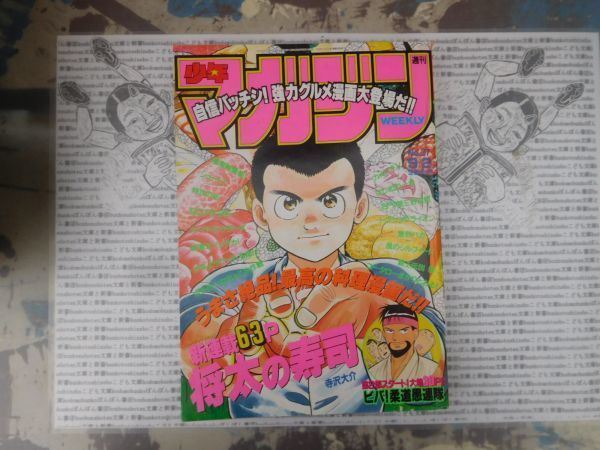
"Shota no Sushi" (Shota's Sushi) was the pivotal work that sounded the charge for "Weekly Shonen Magazine"'s counterattack. While everyone in "Weekly Shonen Jump" was busy dunking, firing ki blasts, and performing tiger shots, "Weekly Shonen Magazine" introduced a simple yet engaging cooking manga, immediately attracting a different readership. "Shota no Sushi" began serialization in 1992, and by 1994, it was entering the final climax of the "Newcomer Sushi Competition" Tokyo finals. This chef indeed boosted the sales of "Weekly Shonen Magazine." However, Kodansha's editor-in-chief believed that one pillar alone could not support a grand building; "Shota no Sushi" alone was not enough. They needed another cooking manga with a completely different style and theme.
"Shota no Sushi" Image credit:aucfan
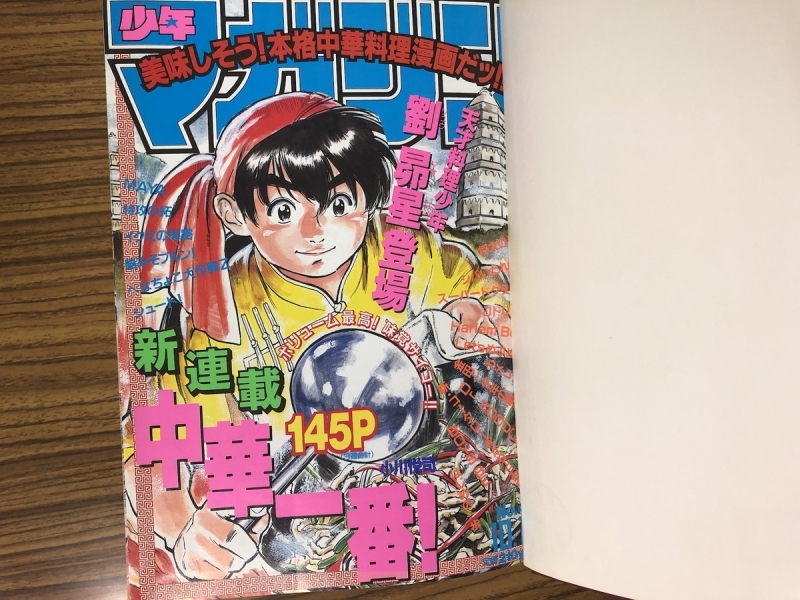
And so, "Chūka Ichiban!" was born. It was a strategically aggressive work by "Weekly Shonen Magazine," aiming to boost the parent weekly's sales, attract readers lost by "Weekly Shonen Jump," and carve out a niche in the cooking manga genre before "Weekly Shonen Jump" could make its mark. History proved "Weekly Shonen Magazine"'s strategy successful; by the end of 1997, it successfully usurped "Weekly Shonen Jump," earning the distinction of being the best-selling manga weekly in all of Japan. "Chūka Ichiban!" and "Shota no Sushi" were the two major pillars that allowed Kodansha to dominate both the publishing world and the cooking manga genre.
"Weekly Shonen Magazine" 1995 No. 43, featuring the first chapter of "Chūka Ichiban!" Image credit:マガポケベース
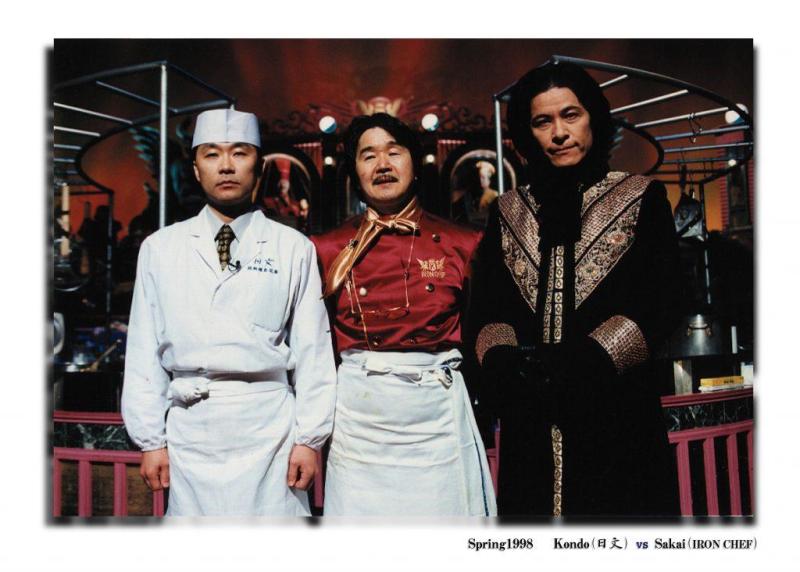
The Mysterious Culinary World of "Iron Chef"The "Gourmet Academy" is a mysterious organization that stops at nothing in its pursuit of earthly delicacies. They host enigmatic cooking competitions, allowing contestants to challenge the highly skilled "Iron Chef" masters... This was the ultimate culinary battle, and in the mid-90s, Japan's most popular cooking competition show. "Iron Chef" was not merely a cooking show. When each chef, known as an "Iron Chef," made their entrance, they wore vibrant chef's uniforms representing their signature cuisine, like "battle robes." Each possessed masterful knife skills, unique cooking habits, and resounding titles. Furthermore, every dish had a name so astonishing it would leave you speechless.
"Iron Chef" Image credit:Kamakura "Creative Japanese Cuisine Kondo"
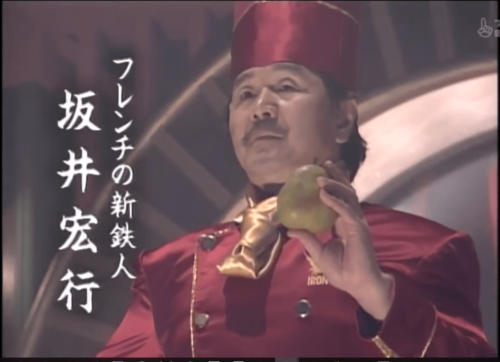
The "Zhuge Liang of the Culinary World" is set to face off against the "Wild West Cowboy" from America tonight. They will unleash unprecedented, exclusive culinary techniques, presenting dishes such as "The Once-in-a-Lifetime Dish," "Soul Steamed Egg," and "Language-Shattering Japanese-Style Chicken Cutlet"... to determine who reigns supreme this evening. What kind of chef would be called the Zhuge Liang of the culinary world? What dish uses soul to steam an egg? And how does a chicken cutlet shatter language? The charm of "Iron Chef" wasn't merely in the cuisine itself – after all, viewers in front of their televisions could never taste the delicious dishes personally prepared by the Iron Chefs. Therefore, "Iron Chef" used exaggerated dramatic effects to build an atmosphere of intense rivalry, satisfying the audience's curiosity. "Iron Chef" aimed to satiate a hunger for the unknown, not an actual stomach.
"Iron Chef" Image credit:Men of Life
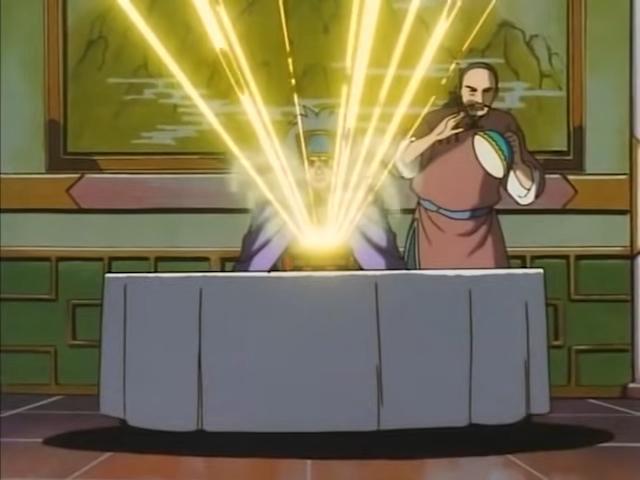
"Chūka Ichiban!" is one of the manga works that emulated elements of "Iron Chef." Its purpose was not to draw the most lifelike gourmet dishes, nor to devise the most convenient or extravagant recipes. Instead, it aimed to depict battles, strategies, and even love-hate relationships, all in the name of cuisine. The "Gourmet Academy" and Iron Chef competitions from "Iron Chef" transformed into "Chūka Ichiban!"'s Dark Cooking Society or the "Five Tiger Stars." And of course, manga can realize far more fantasies than live cooking shows ever could. In "Chūka Ichiban!", there's the "Cosmic Shumai," smiling steamed buns, and fried rice that shoots out golden dragons... It's fair to say that "Chūka Ichiban!" is the "completed form" of "Iron Chef."
Fried rice emitting golden light Image credit:YouTube
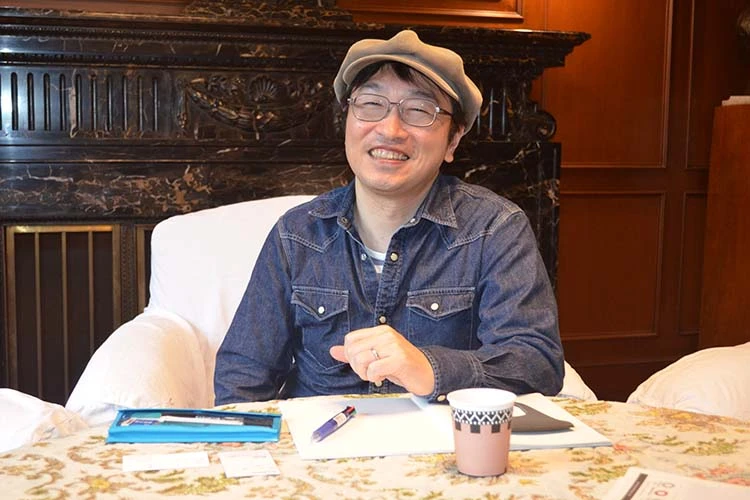
The Inexperienced Young ChefWith a single command from the Kodansha editor-in-chief, the publishing house needed a second cooking manga, one that would follow the bizarre and exaggerated style of "Iron Chef." This strategy was crystal clear. To be honest... it seemed like any manga artist could execute this plan. Yet, Kodansha made the boldest, and perhaps most logical, decision: they chose the newcomer Etsushi Ogawa, who had no prior assistant experience, to become the author of "Chūka Ichiban!"
Etsushi Ogawa-sensei Image credit:Asahi Shimbun GLOBE
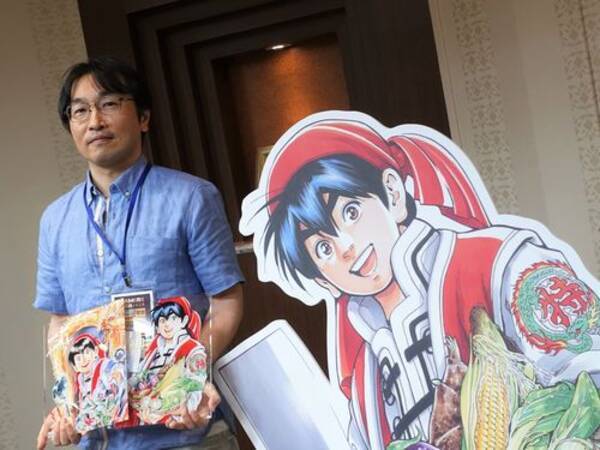
We've seen so many acclaimed manga artists from "Weekly Shonen Jump." Akira Miyashita, author of "Sakigake!! Otokojuku," was an assistant to Yoshihiro Takahashi, author of "Shiroi Majin Inu." And Takahashi-sensei was also an assistant to Hiroshi Motomiya, author of "Tenchi wo Kurau." The apprenticeship system is a crucial foundation of the Japanese manga industry, with every master having once studied under another legend. However, Etsushi Ogawa is an exception to this extensive network; he became a respected "teacher" even before becoming an assistant. He should have learned drawing techniques, manga language, and plot development from other teachers, so what was to be done? Ogawa's learning method was also very different: he hired experienced senior assistants and learned from them how to be a teacher.
Etsushi Ogawa previously attended the Comic Exhibition in Taiwan in 2018. Image credit:エキサイトニュース
Editors helped Ogawa design the plot, and assistants taught Ogawa various industry conventions. Of course, Ogawa-sensei later became an independent manga artist, not to mention his ability to convince Kodansha to give him such a rare opportunity based solely on his drawing skills, even without a teacher's guidance. However, the success of Ogawa and "Chūka Ichiban!" should be seen as a brilliant team effort by Kodansha: it was a result achieved through the combined efforts of editors, the manga artist, assistants, and even the editor-in-chief of "Weekly Shonen Magazine." One could say that Kodansha perfectly replicated Shueisha's successful three-way collaboration experience with "Fist of the North Star," and even more so than other Shueisha works, it embodies the authentic spirit of "Weekly Shonen Jump."
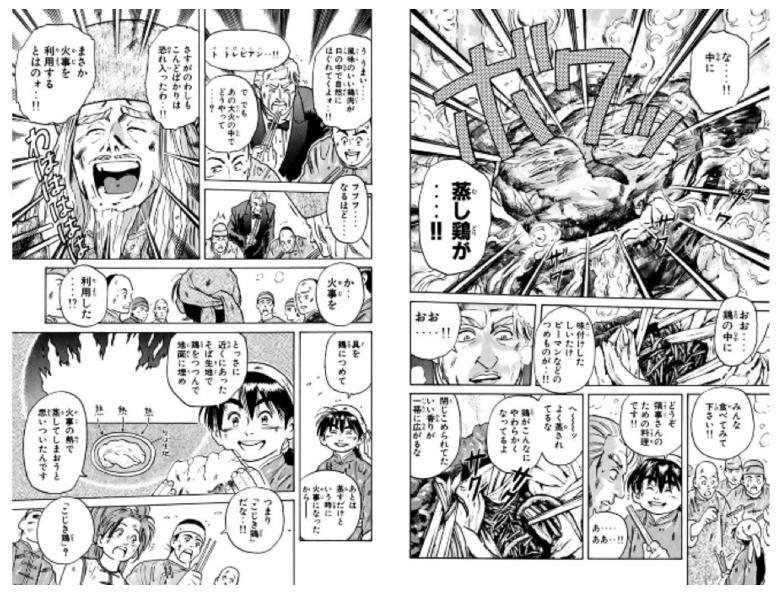
A dish that can only be completed with fire Image credit:マガポケ
"The Shaolin Temple of the Culinary World" For Etsushi Ogawa, before serializing "Chūka Ichiban!", he didn't actually have a particular interest in Chinese cuisine—Ogawa was interested in the broader theme of "China." He once stated that in his youth, he loved Hong Kong kung fu films, such as the martial arts movies of Bruce Lee and Jackie Chan, or Lau Kar-leung's 1983 film "Shaolin and Wu Tang," among others. As he grew older, Ogawa also enjoyed Chinese novels like "Water Margin" and "Romance of the Three Kingdoms"... This sparked an increasingly strong interest in China for him. This young manga artist had always wanted to use this land, filled with martial arts masters and mysterious tales, as the setting for his new work.
Mao, the protagonist of Chūka Ichiban! Image credit:マガポケ
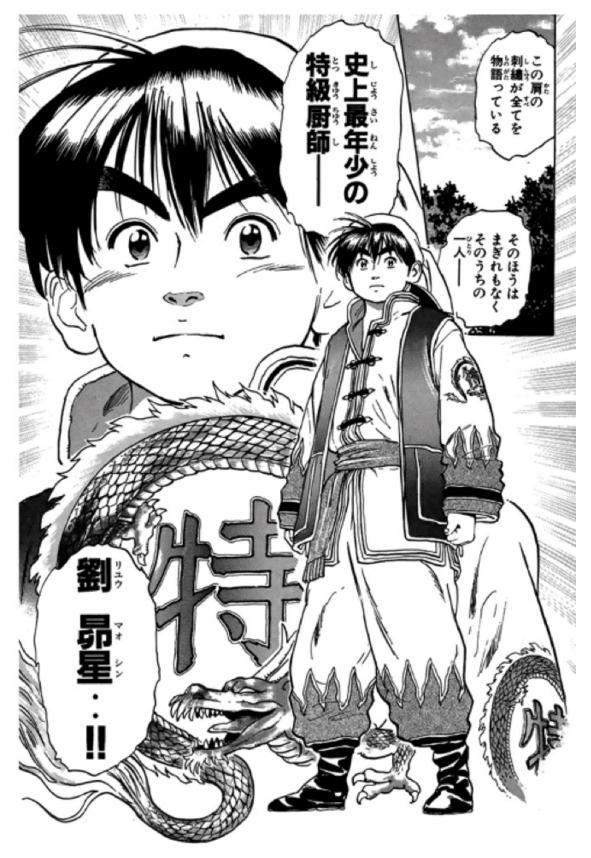
For the editorial department of "Weekly Shonen Magazine," China, as a culinary superpower, was naturally the "Shaolin Temple" of cooking manga... a treasure trove brimming with various settings. Ogawa, who had never been to China but loved China and Chinese cuisine, began his "China journey" in Japan. The editorial department prepared two thick culinary encyclopedias for Ogawa, tasking him with reading through the vast number of Chinese recipes within them in one week. At the time, Ogawa, who was still working part-time to make a living, began diligently studying late into the night.
Ogawa often visited Yokohama Chinatown to eat Chinese cuisine and validate his manga ideas Image credit:Holiday
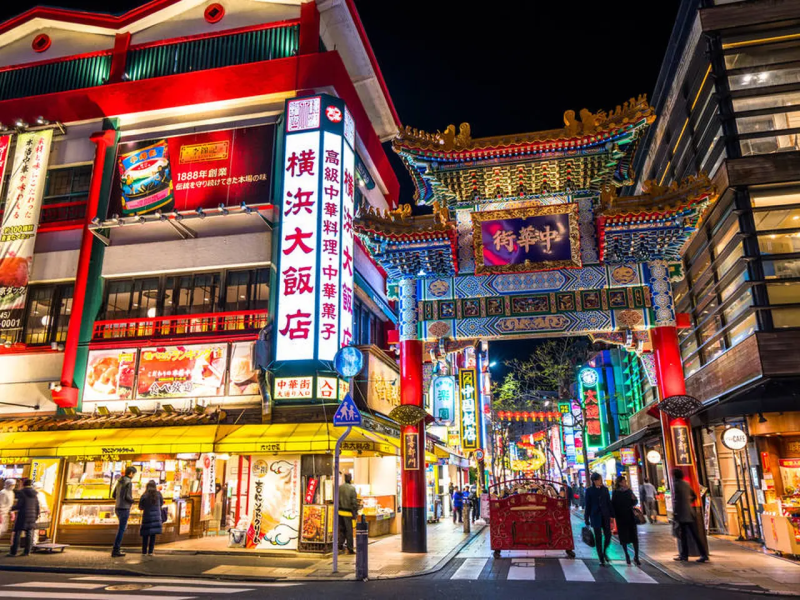
Fusing "Chūka Ryōri" and "Chinese Cuisine" For Japanese people, what is referred to as "Chūka Ryōri" (Chinese cuisine) often seems to be simply Chinese food. However, in reality, these Chinese dishes introduced to Japan are vastly different from authentic Chinese cuisine. Although Ogawa and his editors, after researching authentic Chinese cuisine, could have introduced Japanese readers to entirely unfamiliar Chinese dishes in "Chūka Ichiban!" and simultaneously corrected their misconceptions about Chinese food—for instance, authentic Chinese cuisine doesn't actually use that much thickening, nor is "Mapo Eggplant" a representative Chinese dish. However, "Chūka Ichiban!" is not an ambassador for Chinese cuisine; it is, after all, a commercial entertainment work designed to attract and satisfy readers. "Chūka Ichiban!" had to stand on common ground with its readers to guide them into the unfamiliar world of authentic Chinese cuisine.
The "Chinese Cuisine" Tenshindon, found only in Japan Image credit:JBpress
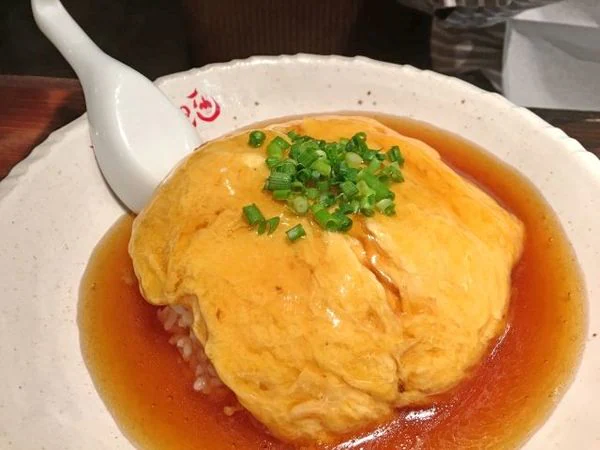
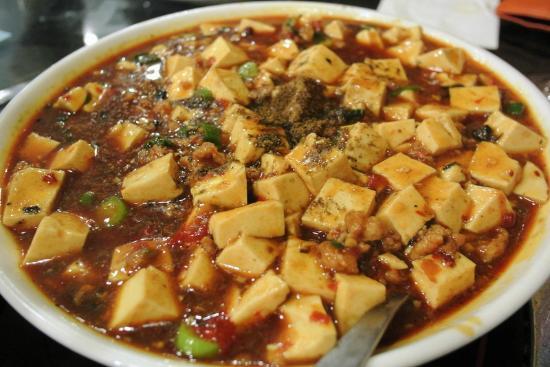
In other words, "Chūka Ichiban!" had to develop its storyline starting with "Chinese cuisine" familiar to Japanese readers. Therefore, classic Chinese dishes such as dumplings, fried rice, and mapo tofu became the highlights of this work. Originally, the first dish to appear in "Chūka Ichiban!" during its serialization was a dish where fish paste was shaved into leaf-like shapes (somewhat resembling knife-cut noodles). The editorial department felt that this type of Chinese dish would not resonate with readers, so they revised the content and replaced it with "an innovative way to prepare mapo tofu." For many Japanese readers, mapo tofu is a well-known dish, even sold as instant packs in convenience stores. This allowed them to more quickly accept this "pseudo-Chinese" genre manga, which features a young Chinese chef as the protagonist embarking on an adventure across mainland China.
Mapo Tofu became one of the most famous Chinese dishes Image credit:四川風・麻婆豆腐のレシピ
Cooking is WarCompared to shonen manga of the 90s, "Shota no Sushi" was a very "down-to-earth" shonen manga. The protagonist in this work had no superpowers, and the sushi didn't emit rays of auspicious energy. As Kodansha's second pillar in solidifying its position in cooking manga, "Chūka Ichiban!" naturally had to be a bit more "free-spirited": it possessed an exaggerated style completely different from "Shota no Sushi." Ogawa-sensei analyzed it this way:
"Chūka Ichiban!" Mapo Tofu Image credit:YouTube
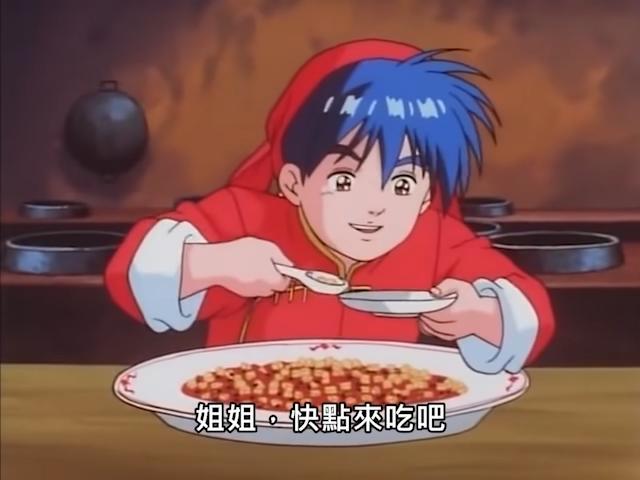
"It's all about the facial expressions, after all. Because no matter how detailed the dialogue explains it, readers will ultimately never be able to taste the exact flavor... I suddenly realized this halfway through drawing (laughs). So, just how delicious is delicious? I believe it must be conveyed through the exaggerated extent of the artwork. People eating delicious food must show interesting expressions... and what kind of scenery appears in their minds when they eat it... I wanted to express these effects as much as possible in the manga."
"Great Universe Shumai" Image credit:マガポケ
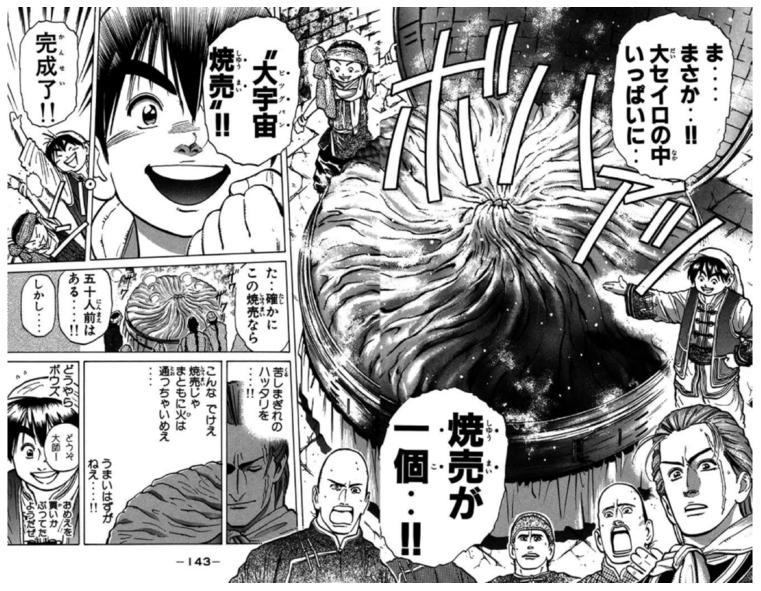
Thus, "Chūka Ichiban!" began to "bluster" and show off. Readers would likely feel "Chūka Ichiban!"s unique passion through dishes that defy the laws of physics, such as "Comet Fried Rice" or "Golden Open-Mouth Laughter" in the manga, but in fact, it goes beyond that. When using onomatopoeia, "Chūka Ichiban!" employs sounds similar to those in fighting manga, like "Gogogo" (轟轟轟) or "Paaah" (砰~), which are "sounds not typically heard in an ordinary kitchen." It's as if cooking isn't just about preparing food, but a war within the kitchen.
"Chūka Ichiban! Kiwami" Image credit:マガポケ
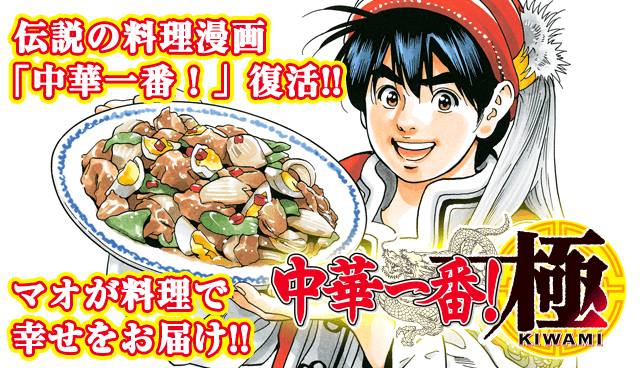
After "Chūka Ichiban!" concluded, Ogawa later launched a new serialization, "Chūka Ichiban! Kiwami." The animated adaptations of these manga were widely loved across Asia, even gaining popularity in the original homelands of Chinese cuisine, such as China and Taiwan. "So, where's that sauce?" became a meme on the Taiwanese internet, and the background music played when divine dishes were presented in the "Chūka Ichiban!" anime also became essential BGM for many food-focused YouTubers. Over all these years, no one has sternly criticized this cooking manga as being inappropriate or demeaning to Chinese cuisine. On the contrary, "Chūka Ichiban!"s exaggerated style brought a fresh new atmosphere to cooking manga, becoming a cherished memory for many.