

Expo 2025, set to kick off a six-month run in Osaka, Japan, this April, is being treated as a major international event by the Japanese government. However, with costs soaring higher than anticipated, public enthusiasm has been lukewarm at best.
Adding fuel to the fire, the recently revealed "200 million yen toilet" facility sparked a heated debate, with critics slamming its simple appearance as looking like "a temporary toilet at a campsite." In response, the designer, first-class architect Takashi Yonezawa, personally took to his X account on March 16 to address the controversy, explaining the design philosophy and shutting down suspicions of graft or profiteering, earning widespread attention and discussion.
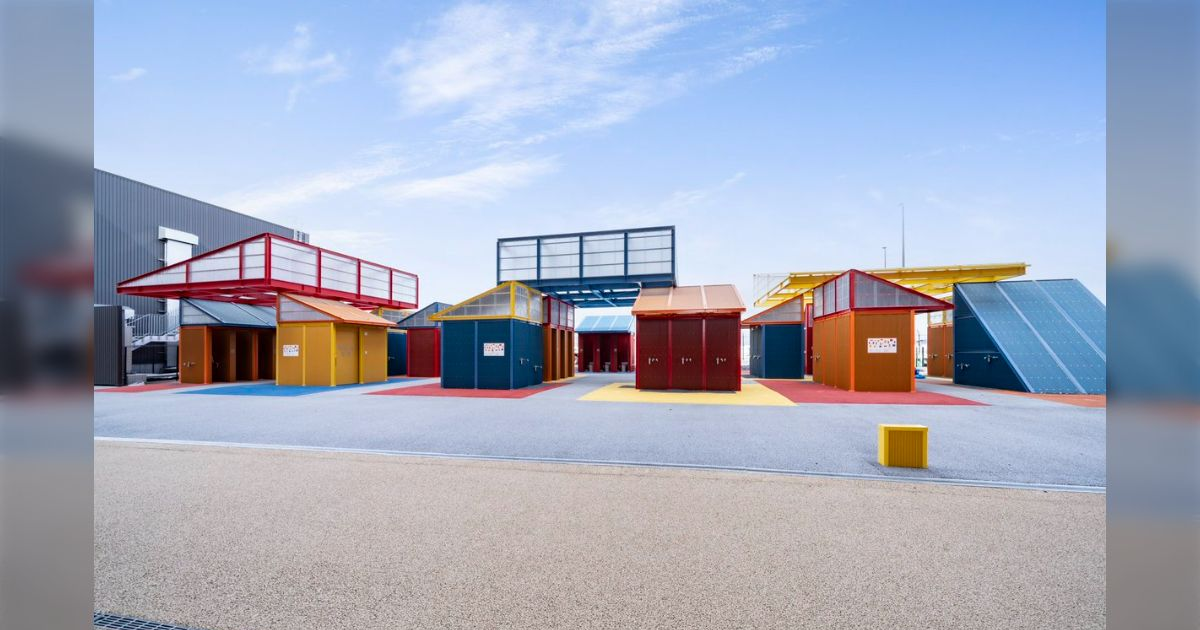
▼ After Japanese media leaked photos of the Expo toilet facility, Japanese social media erupted with criticism like the post below, accusing the Expo of wasting public funds and questioning how such a structure could cost 200 million yen.
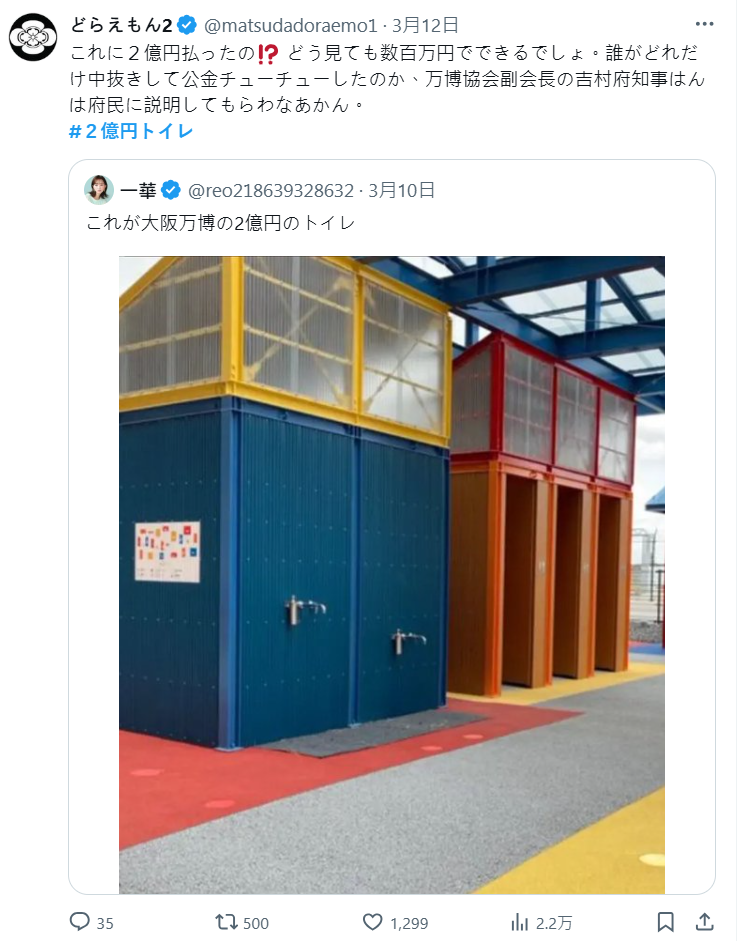
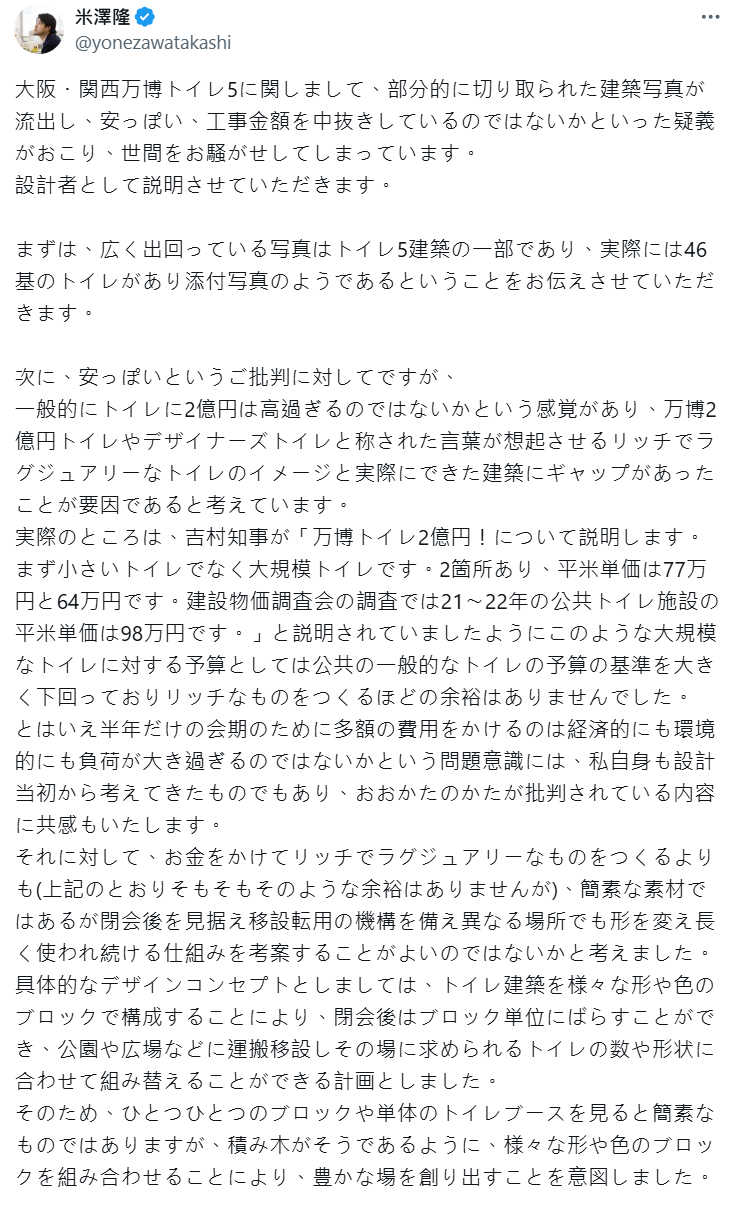
"Photos of a portion of the No. 5 Toilet at the Osaka-Kansai Expo have been leaked, leading to confusion and criticism that it 'looks cheap' and even sparking suspicion that 'the construction funds were skimmed,'" Yonezawa stated. "As the designer, I would like to offer an explanation."
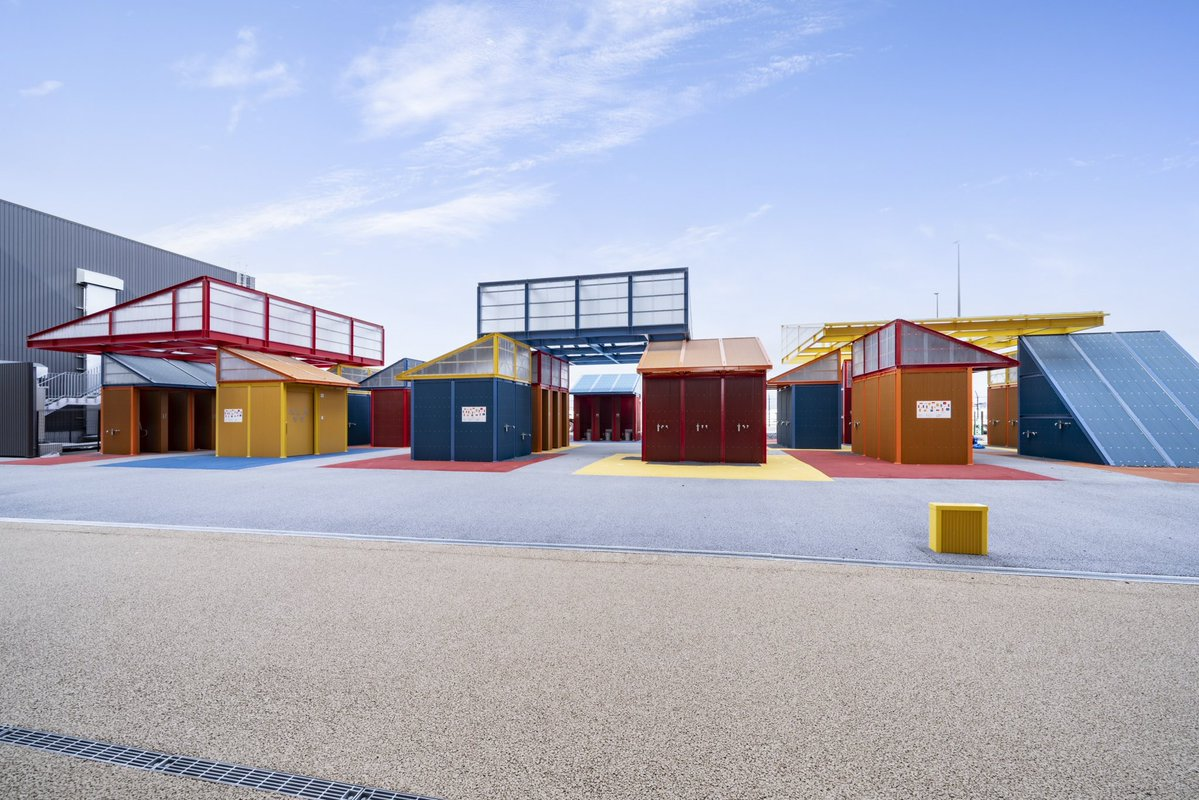
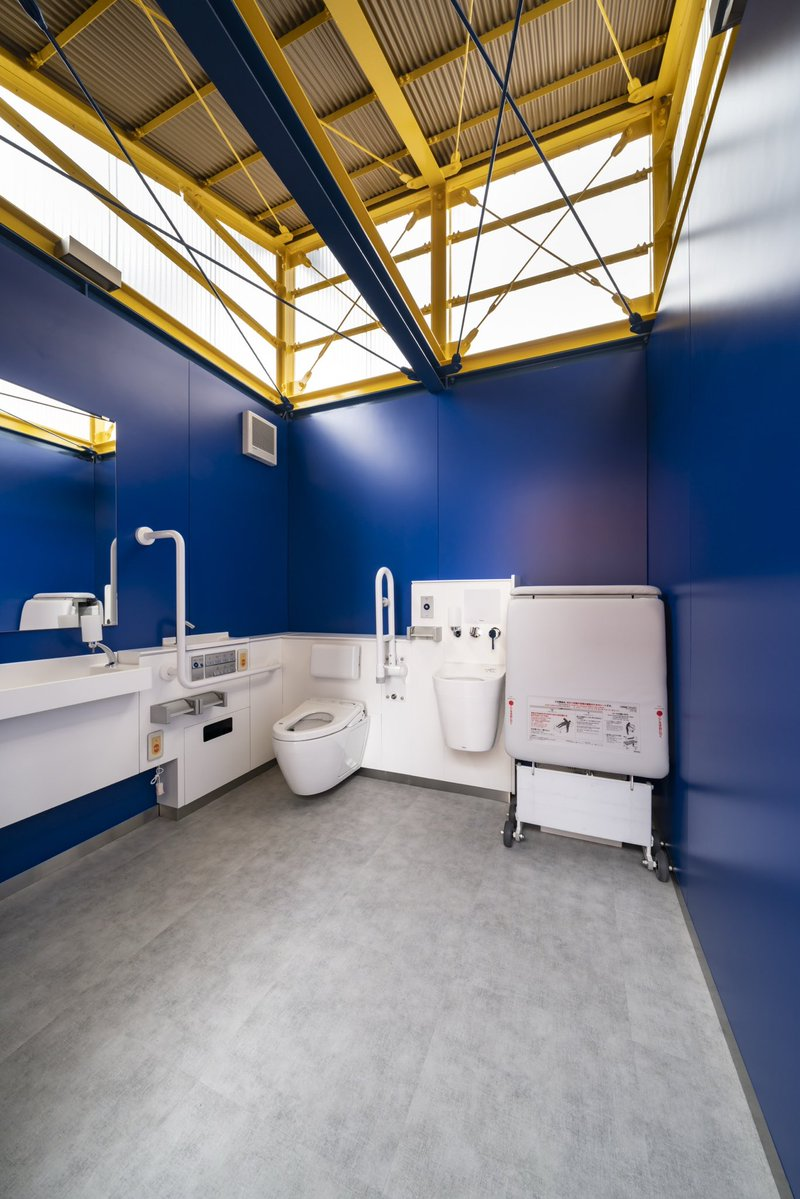
He emphasized that the photos circulating online show only a part of the No. 5 Toilet facility, which in reality contains a total of 46 toilets, and attached photos to prove his point.
Many were baffled by the idea of "a single toilet costing 200 million yen," with terms like "luxury Expo toilet" and "designer toilet" being thrown around. This created a massive gap between public expectation and the actual building, leading to the "looks cheap" criticism.
However, according to Osaka Governor Hirofumi Yoshimura, these are not small public restrooms but large-scale facilities. The construction costs for the two main toilet buildings were 770,000 yen and 640,000 yen per square meter, respectively. According to a 2021-2022 survey of public construction, the average cost for a public toilet is 980,000 yen per square meter. This means the Expo toilet's unit cost is actually *lower* than the average government budget, not some ultra-luxurious facility.
"Of course, I understand the questions about 'spending a huge budget on a short six-month event,'" Yonezawa continued. "This is something I've been thinking about since the design phase—how to reduce waste. I share everyone's concerns." He added: "Rather than splurging on a high-end toilet (which our budget wouldn't allow anyway), a more rational approach was to use simple materials and design it to be disassembled, moved, and reassembled. This allows the toilets to continue providing value long after the Expo ends."
Yonezawa explained that the structures are built from modular components of different shapes and colors, which can be taken apart like building blocks in the future. They can then be transported to parks or public squares and reassembled into new toilet facilities tailored to local needs. "Looking at a single module or stall, it does seem simple," he stressed. "But just like building blocks, combining different colors and shapes can create a much richer space."
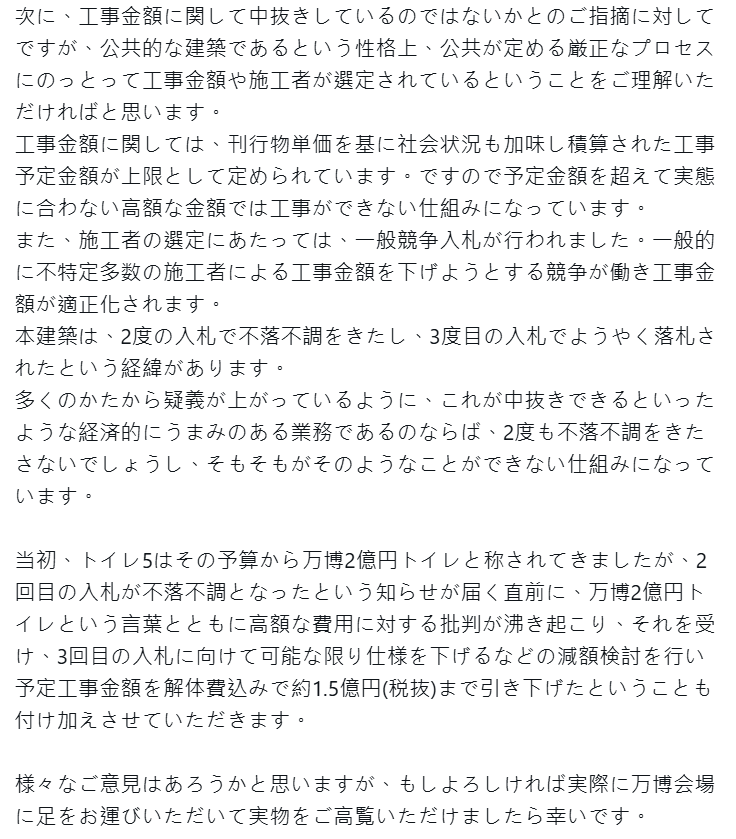
As a public works project, all funding and contractor selections followed strict government procedures. The construction budget was calculated based on official survey data and market conditions, with a hard cap that could not be exceeded. Furthermore, the construction company was selected through an open bidding process, where market competition ensures a reasonable price. In fact, the tender for the "No. 5 Toilet" failed to attract any bids twice before a contractor was finally secured on the third attempt. If this project were truly "profitable," it's unlikely it would have been passed over twice. This proves it wasn't a project where funds could be easily manipulated.
Additionally, while the original budget was close to 200 million yen, public pressure led to a downgrade in material specifications and a budget readjustment for the third bidding round. The final contract amount (excluding tax) was brought down to approximately 150 million yen, which also includes demolition costs. "I know there are many different opinions about this project, but I hope people can understand the philosophy and constraints behind the design before criticizing," Yonezawa wrote. "If you have the chance, I invite you to visit the Expo and see the entire toilet facility with your own eyes. Perhaps that will provide a more complete understanding."
"Thank you for your interest in this topic. I hope this explanation helps clarify the situation."
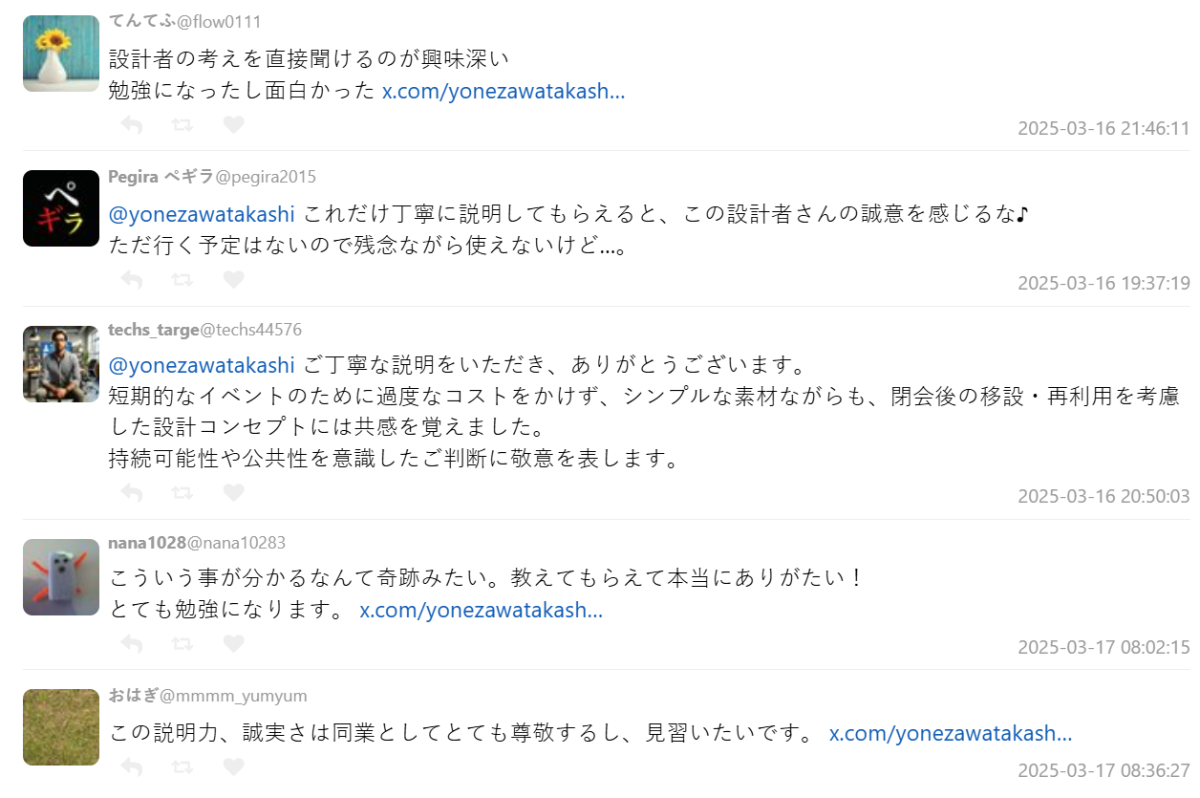
Many netizens felt that Takashi Yonezawa's willingness to personally explain the design showed sincerity. Public works projects are often thankless, especially high-profile ones like the Expo that are under intense scrutiny. The media headline "200 million yen toilet" immediately created a negative public perception. His explanation of the design philosophy and future plans has helped convince people that the cost might be justified.
Of course, aesthetics are subjective, but the designer stepping up to present his vision and correct media misrepresentations has likely given the public a better understanding of whether the so-called "200 million yen toilet" is actually reasonable.
Note: Financial figures and earnings forecasts should be confirmed through the company’s official announcements.
via: togetter