

Nintendo's next-generation console, the Nintendo Switch 2, is set to launch, with the company officially forecasting 15 million units in initial sales. While this figure is substantial, it remains conservative compared to broader industry expectations. Nintendo President Shuntaro Furukawa acknowledged that the Switch 2's relatively higher price point is a primary factor influencing its early sales performance.
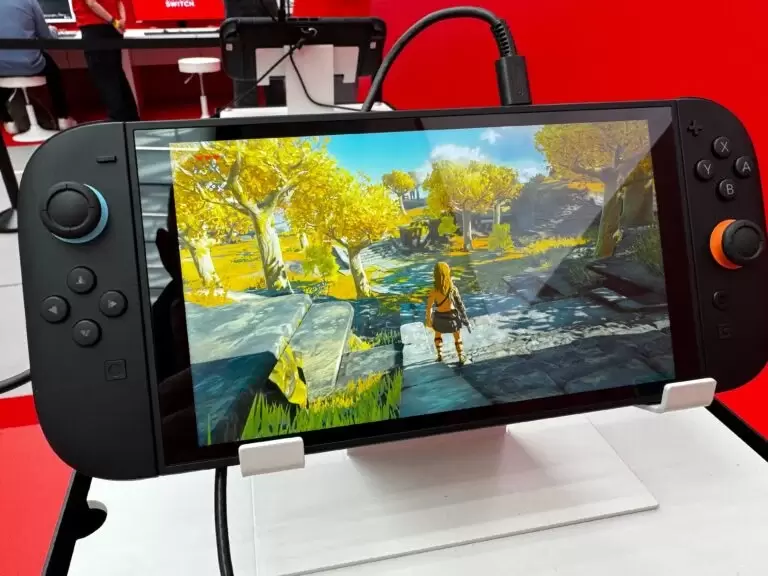
During a recent investor Q&A session, Furukawa explained, "The Switch 2's price is higher than that of the original Switch, and we recognize this presents a challenge to its appeal for early adopters." He also highlighted that the Switch 2's backward compatibility with original Switch software offers platform continuity for players, which is expected to help boost initial sales.
To drive the Switch 2's market expansion, Nintendo is also planning hardware and game bundles, striving for a successful launch year akin to its predecessor. "We are stimulating first-year purchases through bundled packages, with the goal of replicating the original Switch's successful launch," Furukawa stated.
Furukawa explicitly denied that conservative sales forecasts were due to production capacity limitations. "Production capacity is not a factor in our sales forecasts, nor have potential U.S. tariffs or the possibility of an economic recession impacted our sales plans," he affirmed. He added that Nintendo had already begun expanding production capacity even before hosting "Switch 2 Experience Events" to flexibly adapt to demand fluctuations.
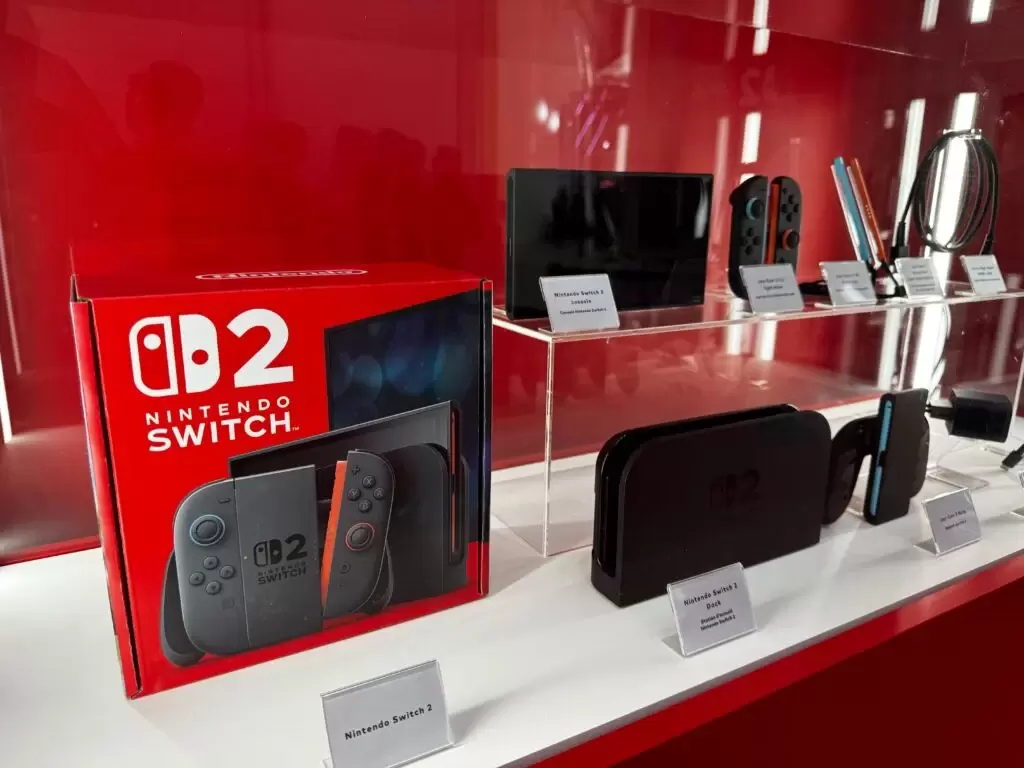
Despite enthusiastic pre-order responses and positive player feedback from global hands-on events, Furukawa reiterated a cautionary note: "Even with a strong launch, we understand it won't be easy to maintain sales momentum through the year-end holidays and into the longer term."
Furthermore, U.S. tariff issues remain a key concern. Furukawa disclosed that Nintendo's financial forecasts are based on a scenario where the U.S. imposes a 10% tariff on goods from Japan, Vietnam, and Cambodia, and a significantly higher 145% tariff on goods from China. He stated, "Should tariff policies change in the future, we will flexibly adjust our response strategies while prioritizing platform momentum and growth in the installed base."
Note: Financial figures and earnings forecasts should be confirmed through the company’s official announcements.
via: VGC