

 (Image Source: Pinterest)
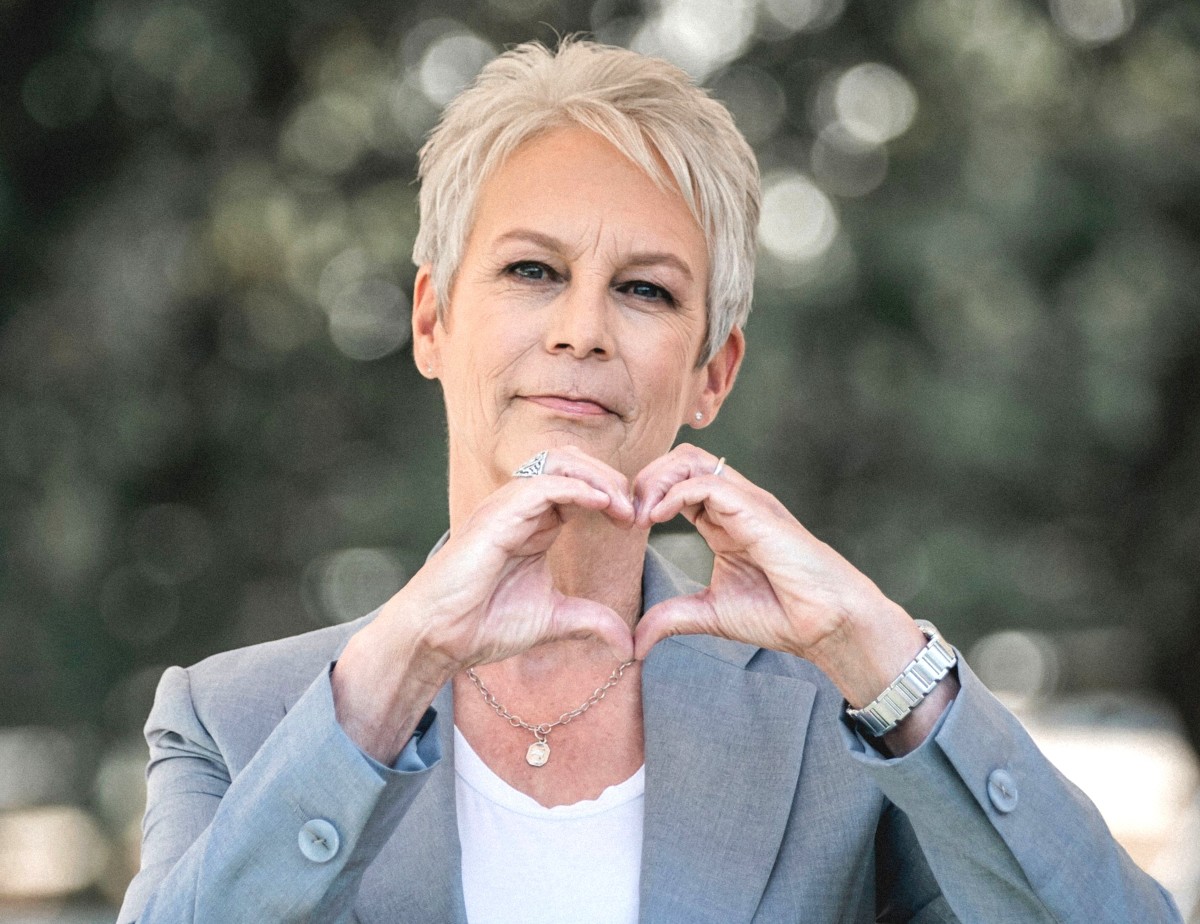
Jamie Lee Curtis, who has long been an outspoken critic of the cosmetic surgery industry's negative societal impact, recently reignited the discussion during an interview with The Guardian while promoting her upcoming film, "Freakier Friday."
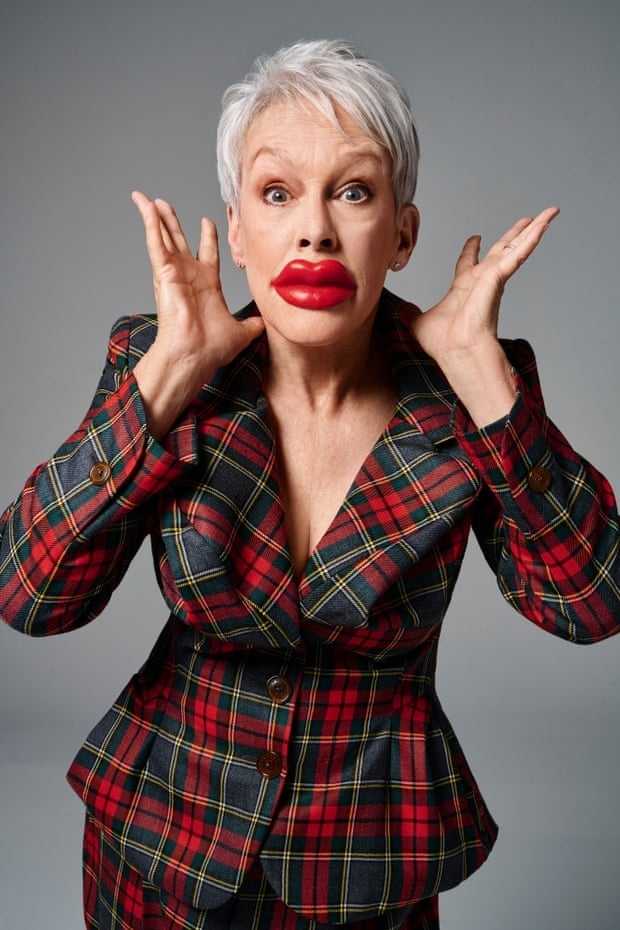
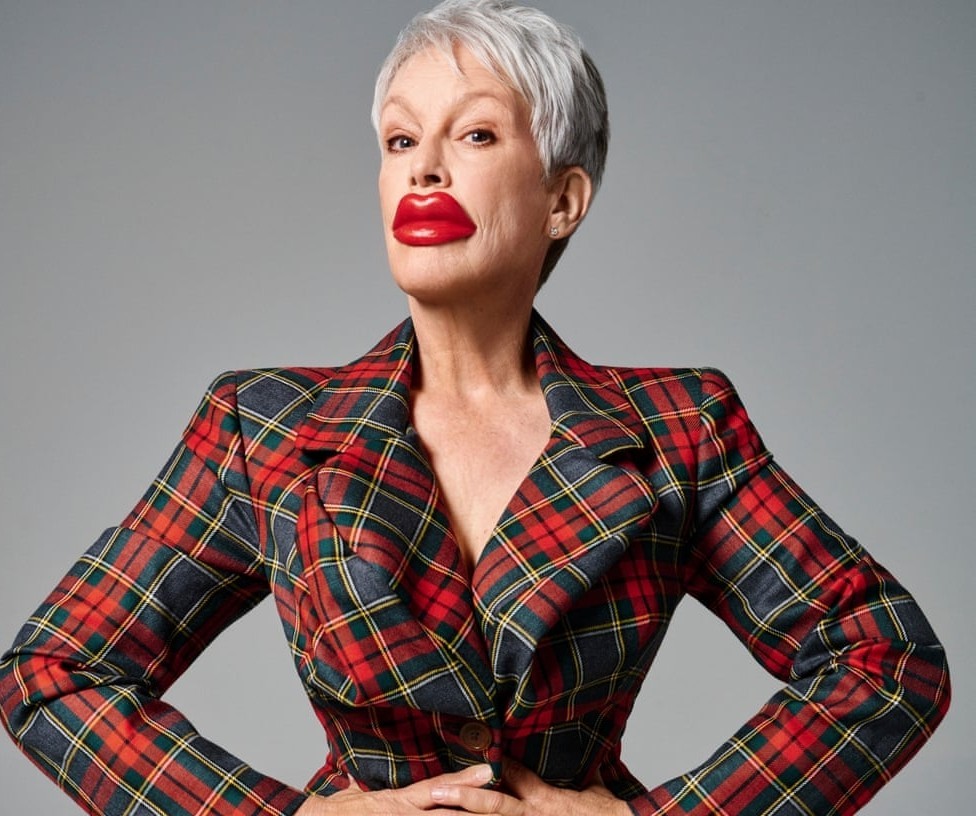
Curtis previously revealed that at age 25, she underwent plastic surgery after a photographer on set commented on her "puffy eyes." However, she later decided against further procedures and has since frequently voiced her opposition to cosmetic enhancements. During her recent interview, Curtis even brought props, sporting exaggerated fake wax lips for her photoshoot (pictured below), openly declaring them a statement against plastic surgery.
(Image Source: The Guardian)
Curtis directly stated, "I have been a very strong proponent of the genocide that the cosmetic industry has perpetrated on a generation of women, destroying their faces, and wax lips are the biggest tell."
Curtis continued, "I've used the word 'genocide' for a long time because it's so powerful. I think we have destroyed one or two generations of natural beauty. People think they can change their appearance through chemicals, surgery, and fillers. Many women, generation after generation, are altering their appearance, and this has sparked a wave of disfigurement. Now, AI further fuels this trend because people today want a 'filter face,' but I'm not using a filter right now. When you turn on a filter and see the before-and-after, it's hard not to think, 'Oh, the filter looks so much better.' But what does 'better' mean? 'Better' means fake. There are too many examples to list, but we've been heavily criticized by many in the media recently."
 (Image Source: The Guardian)
However, Curtis clarified that she does not judge her peers who opt for plastic surgery. "Absolutely not, because I don't mind. It doesn't matter. I'm not evangelizing to them; I would never say such things to them. I would never say to someone, 'Look what you've done?' I just know it's an endless cycle. Once you get into it, you can't stop, but my job is not to comment on that; it's not my place to interfere." Curtis's reference to "not stopping" implies the addictive nature of plastic surgery, where one is never fully satisfied with their appearance.
via: The Guardian