

Tatsuki Fujimoto's "Chainsaw Man" made its big-screen debut with the first feature film, Chainsaw Man – The Movie: Reze Arc, which hit theaters in Japan last Friday, September 19. The movie has been met with rave reviews, raking in 1.5 billion yen at the box office in just four days.
Kenshi Yonezu, the artist behind the opening theme "IRIS OUT" and the ending theme "JANE DOE," sat down with Japanese media outlet Natalie to discuss the creative process behind the songs and the secrets of his collaboration with Hikaru Utada.
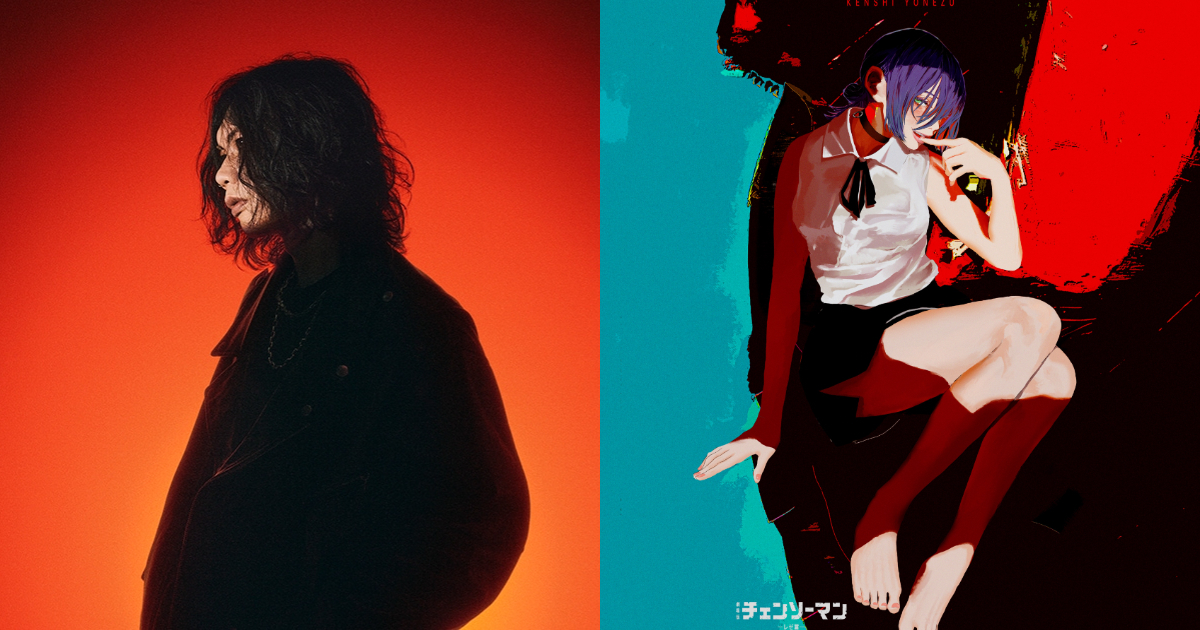
On Crafting the Opening Theme "IRIS OUT": The Tug-of-War Between Morality and Desire
Q: "IRIS OUT" and "JANE DOE" have completely different styles, yet they feel complementary. When you got the offer for "Chainsaw Man – The Movie: Reze Arc," how did you start the creative process?
Kenshi Yonezu: The initial request was for two songs. I was already set on "JANE DOE" for the ending—I had a very clear vision for it from the start. But "IRIS OUT" was more of a process of exploration as I went along.
Q: You also wrote the theme song "KICK BACK" for the "Chainsaw Man" TV anime. Did you intentionally try to create a continuation of that this time?
Kenshi Yonezu: Actually, from the very beginning, I didn't want to make a "KICK BACK 2." "JANE DOE" didn't really have that problem, but "IRIS OUT" could have easily become a rehash of "KICK BACK," so I was very conscious of how to differentiate them. "KICK BACK" is a song with a complex structure and a ton of tension. If that song is a roller coaster, then I wanted "IRIS OUT" to be a free-fall ride. It just drops you with a "bang" right from the start and ends with a clean, sharp finish.
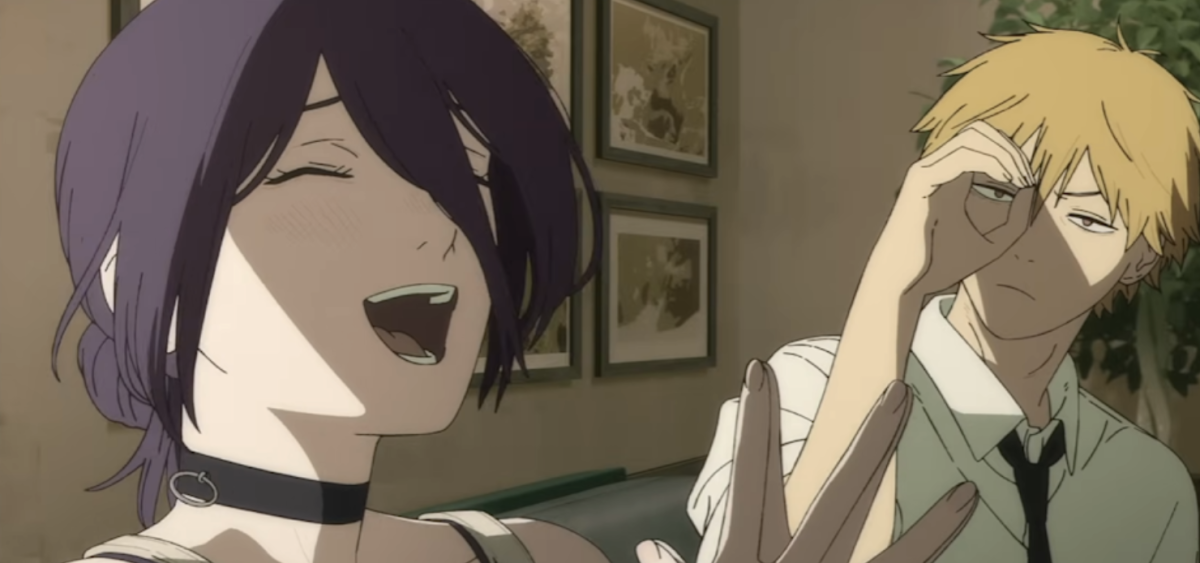
Q: You mentioned that you often stared at the original manga panels of Reze while writing this song. What do you find so captivating about her?
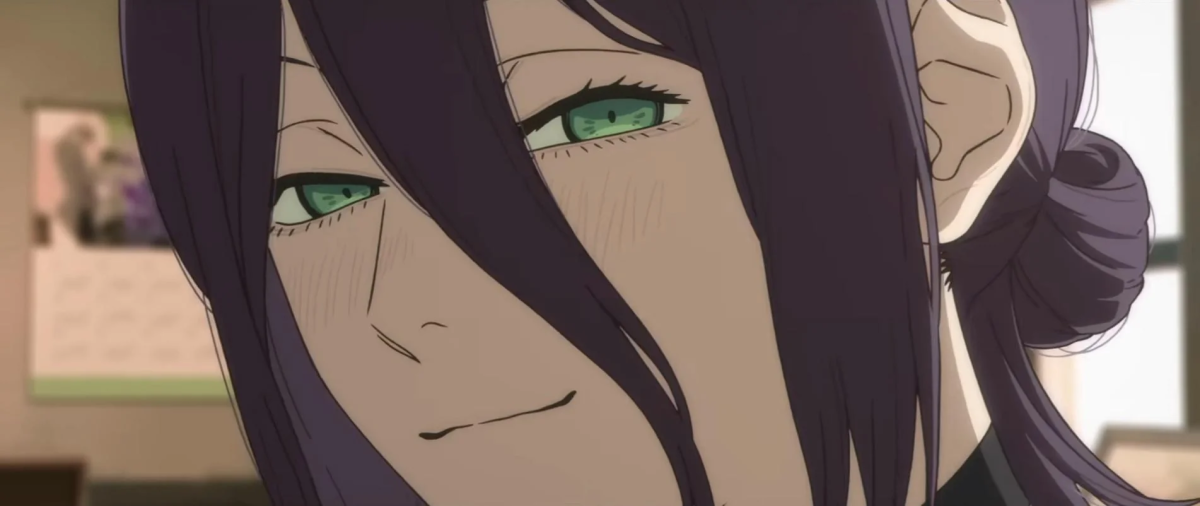
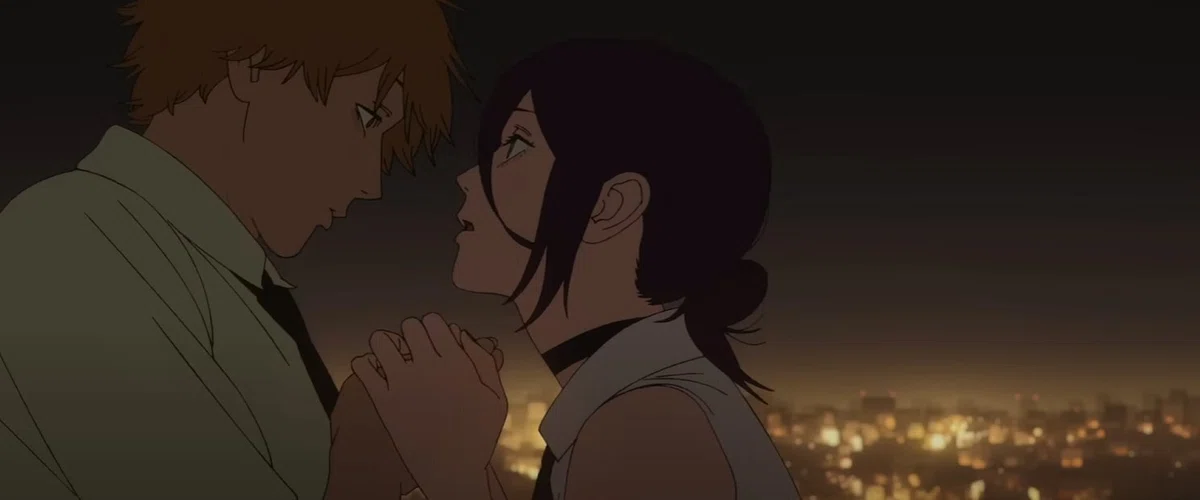
Kenshi Yonezu: Reze's character design gives you this "head-spinning pleasure." It's a comfortable kind of dizziness, where you're happy to be played. She's blushing, looking up at Denji, a bit teasingly, while constantly dropping hints of affection. Of course, a guy like Denji is going to fall for it. And that desire "to be fooled" is actually a crucial part of romance. Reze is playful and charming, but you can never guess what she's really thinking, and that mystery makes her even more fascinating. She's the kind of person who can completely mess with your senses.
Q: What about the lyrics? How did you approach them?
Kenshi Yonezu: To be honest, I was a little worried from the start because I knew I would be injecting intense feelings of lust into it. Music as a medium amplifies and transmits all emotions to the listener. It's different from manga or anime, where things are expressed through the "filter of a character." Lyrics are more subjective, and more dangerous. Especially in this day and age, topics related to sex are often seen as something to be avoided. As someone who writes pop songs, I struggled with finding the right balance.
So I started thinking about the concept of "oshikatsu" (stan culture). Sex and desire are often rejected, but the idea of having an "oshi" (a favorite or someone you stan) is thriving. I feel that "oshi" culture is, to some extent, a modern version of religion or mythology. It involves a noble, beautiful, almost divine being that simultaneously evokes human lust.
And while modern society increasingly emphasizes that "desire is immoral," we have a term like "oshi" that sanitizes the erotic elements within it, making it "acceptable." I find this duality fascinating. So, I incorporated that "sense of wavering between morality and desire" into "IRIS OUT." It would be great if, through this song, I could express that ambiguous feeling of "both romance and struggle."
On Crafting the Ending Theme "JANE DOE": "This Song Wouldn't Work Without Hikaru Utada's Voice"
Q: Let's talk about the ending theme, "JANE DOE." When you first conceived it, was it always with the idea that it would play over the movie's end credits?
Kenshi Yonezu: Honestly, from the very beginning, I felt that "this song shouldn't be sung by me." Having a male voice for the ending of the Reze Arc just felt completely wrong. This song needed to be "led by a female voice" to even work.
I've always loved the duet "I've Seen It All" by Björk and Thom Yorke from the film "Dancer in the Dark," and I felt that "that kind of atmosphere would be perfect for the Reze Arc." So I started creating with that in mind. Along the way, I tried a more nostalgic, youthful direction, but in the end, I felt that a "male-female duet with a melancholic, slightly dark vibe" was the perfect fit.
Q: When you announced the song, you said you "didn't have anyone specific in mind to sing it." At what point during the creative process did Hikaru Utada come to mind?
Kenshi Yonezu: As soon as I started with the main piano melody and wrote the tune and lyrics for the A-section, I just thought, "Ah, no one can sing this but Hikaru Utada." I even felt that if it wasn't for Utada, this song wouldn't exist at all.
My impression of Hikaru Utada's voice is that it's both sorrowful and lonely, yet it also has a refreshing quality like a gentle breeze, which is complemented by the slightly hoarse texture in her voice. Her voice has this captivating duality. And when you listen to her music, you get the feeling of being "dominated by the beauty of her immense talent, her work, and her voice," as if her inner self is seeping into your heart. But when the song ends, you suddenly wonder, "Huh? Where did she go?" That paradox of being intensely present yet ephemeral felt perfect for this song.
Q: Utada has always been a multifaceted artist. "JANE DOE" seems to particularly emphasize the "sense of loss" she excels at expressing. What are your thoughts on that?
Kenshi Yonezu: I especially love her songs "FINAL DISTANCE" and "Sakura Nagashi." I heard them in middle school, and they had a profound impact on my life; they were what made me truly take notice of her.
From my personal perspective, her songs always carry a sense of "contradiction, an inseparable duality," and the character of Reze herself has similar layers. Of course, I'm not saying she's "like Reze," but that common ground exists.
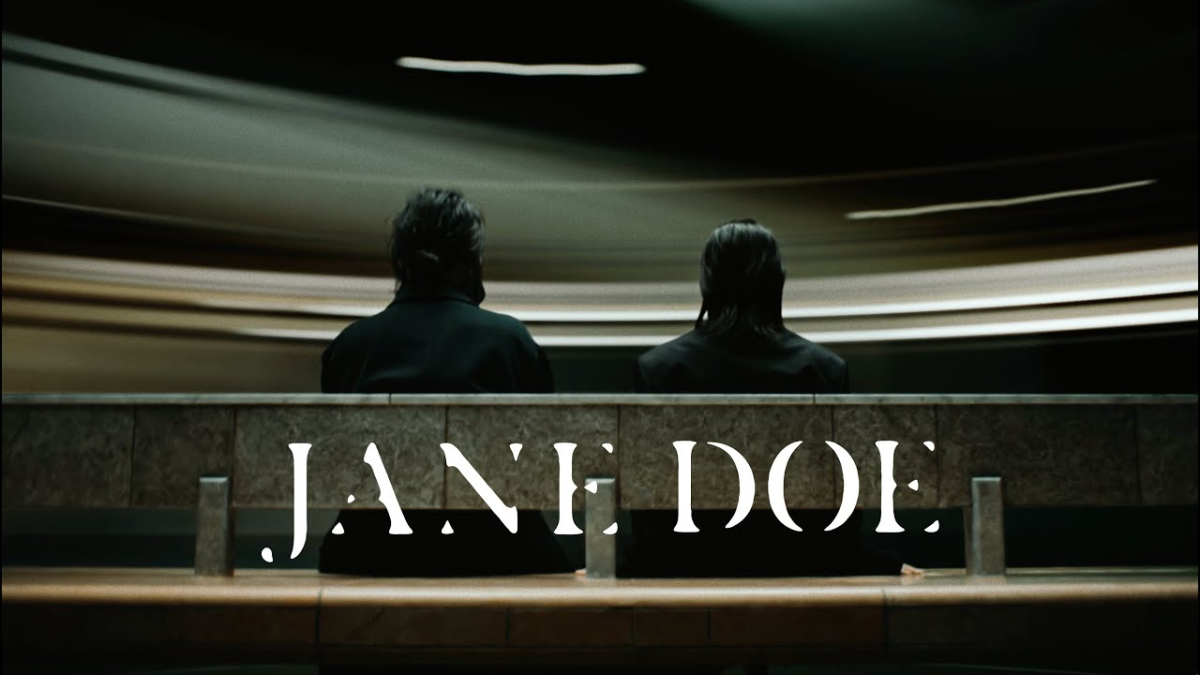
Q: How did you come up with the lyrics for "JANE DOE"?
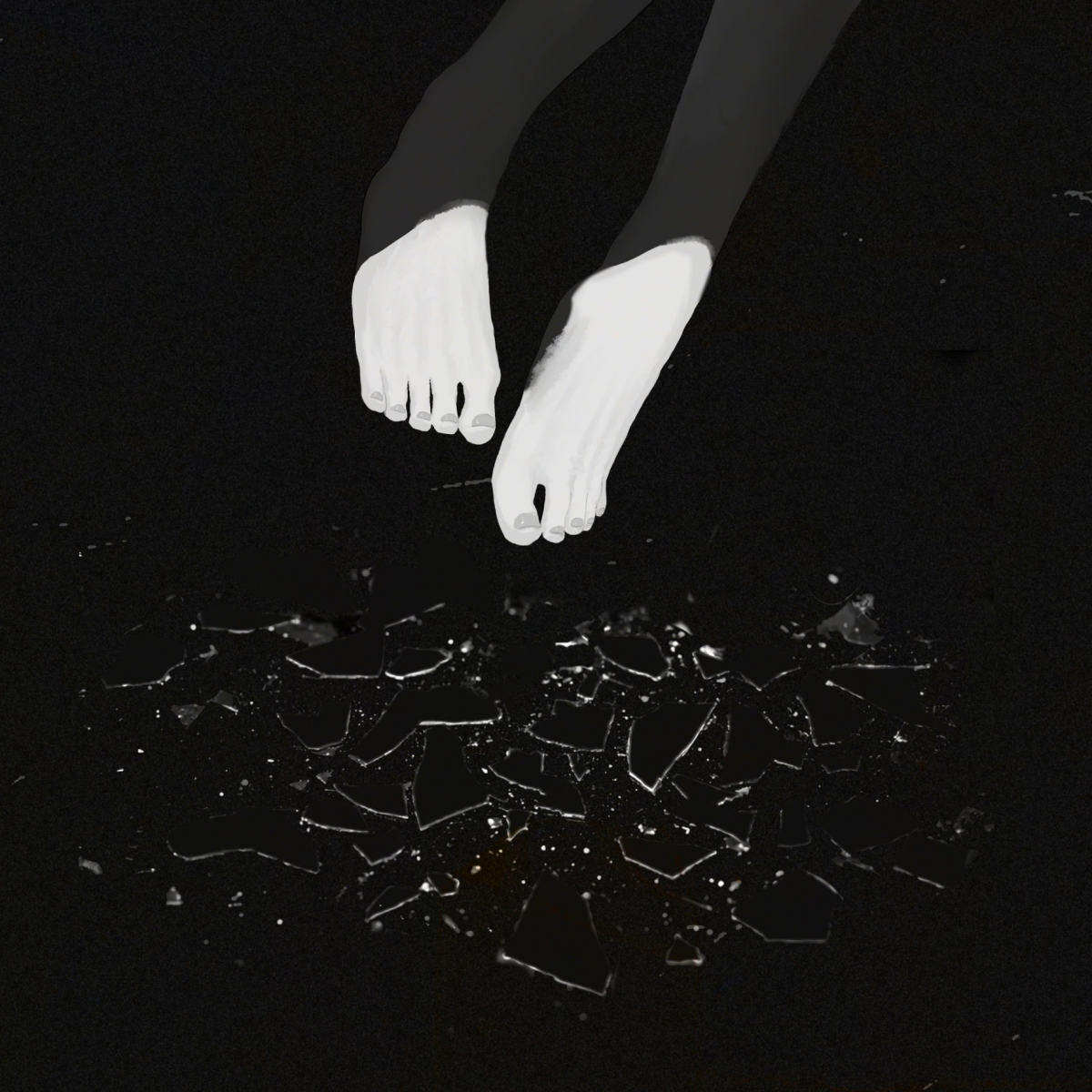
Kenshi Yonezu: The first image that came to my mind was "someone walking barefoot on shattered glass, getting cut with every step, with drops of blood forming a trail of footprints." The essence of Reze's life is "erasing her own tracks." A person with a blurred identity, getting hurt as she walks, her blood stretching out into a red trail.
Q: Let's talk about the single's visual design. When you drew Reze for the cover art, did you have any particular ideas in mind?
Kenshi Yonezu: Within the limits of my technical skills, I wanted to draw the "most erotic Reze possible." Because if it didn't have that "seductive" quality, the artwork would feel completely off. When I decided to make two covers, I came up with the idea of drawing Reze's full body and then splitting it into top and bottom halves.
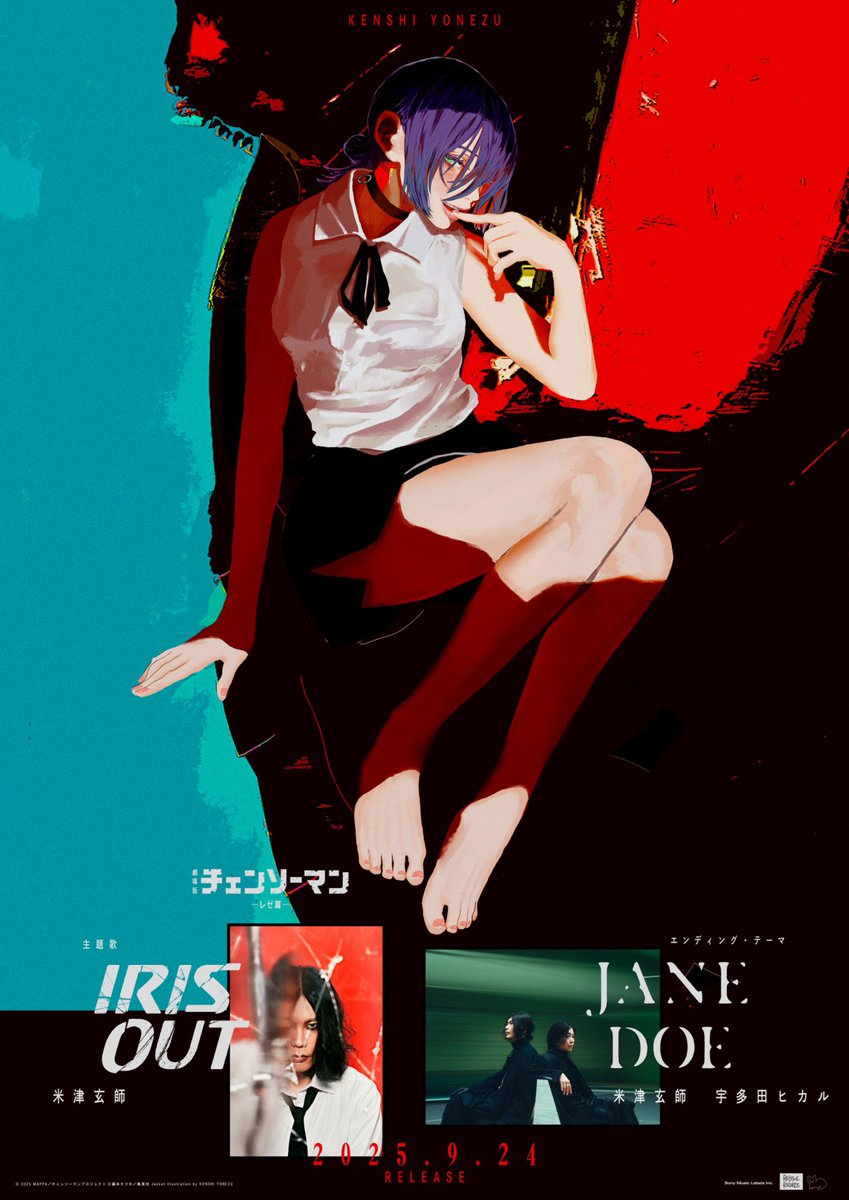
Q: You sing "IRIS OUT" from "Denji's" perspective, while "JANE DOE" sounds like Hikaru Utada is channeling "Reze." Was this arrangement intentional?
Kenshi Yonezu: Yes, I had that setup from the beginning. I wanted to create a duet between a "girl shouldering complex emotions" and a "boy who doesn't understand those emotions at all." I conveyed this idea to Hikaru Utada, and she interpreted it in her own way. The final work is what everyone hears now.
This interview reveals the incredible amount of thought and understanding of the source material that Kenshi Yonezu poured into these two songs, especially in how he channeled the characters' personalities and psychologies into the music. His talent even extends to illustration, which is why "Chainsaw Man" author Tatsuki Fujimoto once joked that Yonezu should stay away from drawing manga, or else another master mangaka would be born. XD
via: natalie