

Japanese gaming giant Nintendo has officially filed a lawsuit against the U.S. government, alleging that tariffs imposed under presidential executive orders are unlawful. The company is seeking a refund of all paid duties plus interest. The news quickly sparked discussion within the gaming industry, drawing renewed attention to the impact of recent U.S. tariff policies on the video game hardware market.
According to foreign media reports, Nintendo's lawsuit names several high-ranking U.S. government officials as defendants, including U.S. Treasury Secretary Scott Bessent, former Secretary of Homeland Security Kristi Noem, U.S. Trade Representative Jamieson Greer, U.S. Customs and Border Protection Commissioner Rodney Scott, and U.S. Secretary of Commerce Howard Lutnick.
The complaint states that the core of the case revolves around the "IEEPA Duties" implemented by the government under presidential executive orders issued by then-President Trump. The document reads: "This complaint focuses on the unlawful tariffs (IEEPA Duties) imposed by the defendants pursuant to executive orders signed and implemented by President Trump. Since February 1, 2025, President Trump signed and enforced relevant executive orders imposing additional tariffs on imported goods from multiple countries."
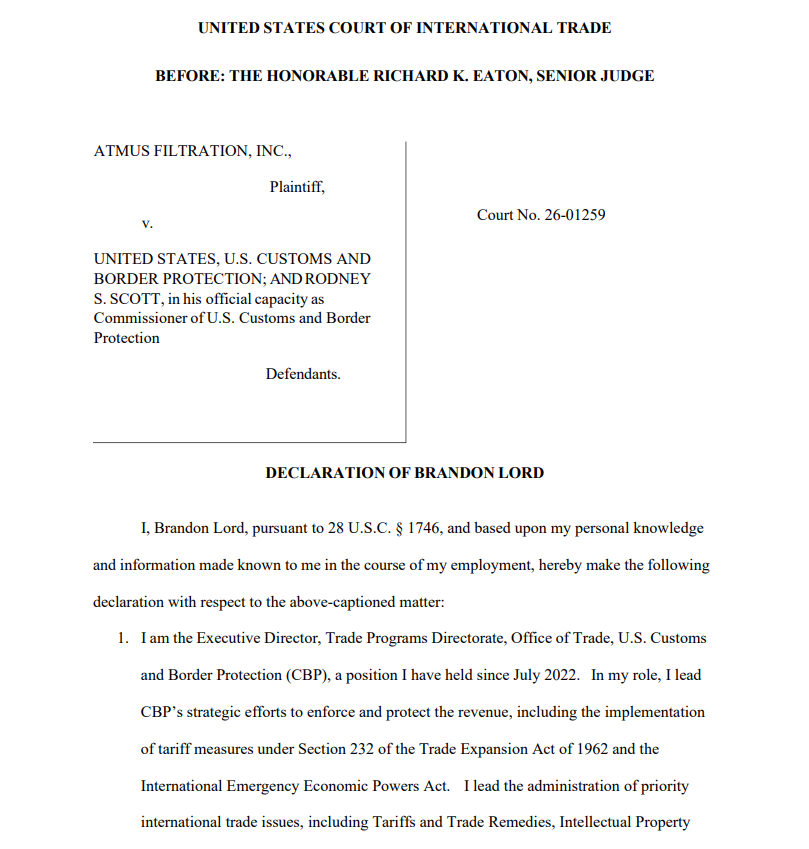
In the complaint, Nintendo asserts its standing to sue, stating that it is the importer of record for the affected goods. The document notes: "Plaintiff is the importer of record for goods subject to IEEPA Duties and was therefore required to pay, and did pay, these duties." Nintendo emphasizes that these tariffs have caused substantial damage to the company.
The complaint further warns that Nintendo faces "imminent and irreparable harm" if the government fails to provide remedies. Consequently, Nintendo is demanding that the U.S. government refund all amounts collected under the IEEPA Duties, along with interest. The document also points out that the U.S. government has "acknowledged" related issues in other court filings.
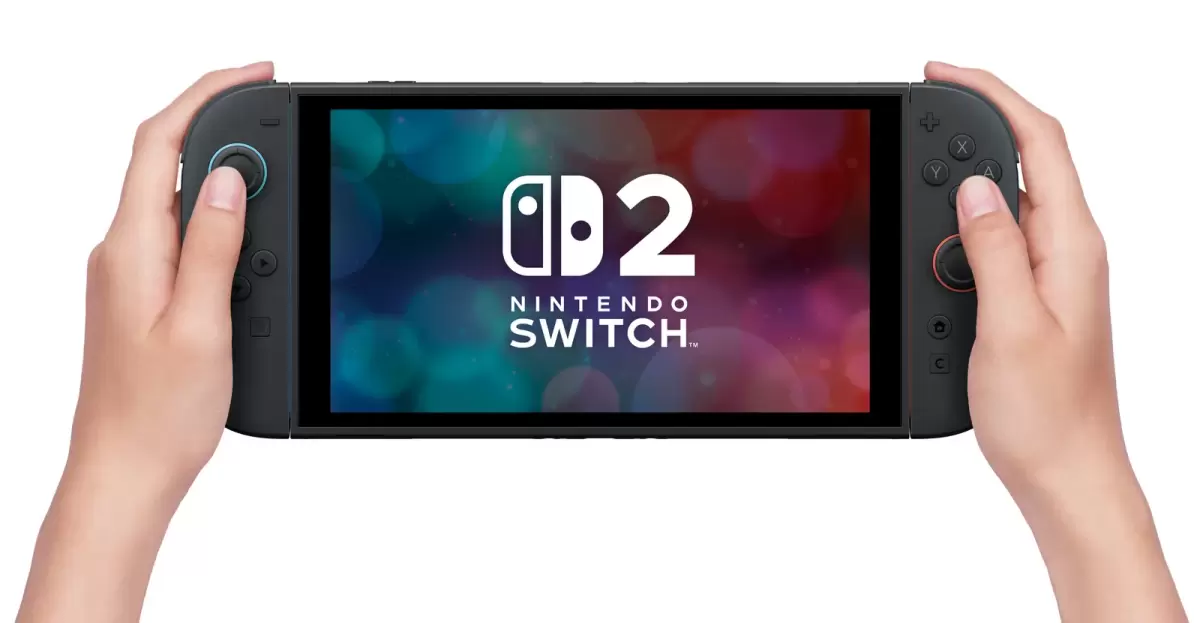
The impact of tariff policies on the gaming industry has long been a subject of concern. In April 2025, on the same day the U.S. announced additional tariffs on goods from multiple countries, Nintendo also unveiled its new console, the Nintendo Switch 2. However, pre-order activities in the U.S. market were subsequently delayed, and when new pre-order dates were announced, some accessory prices were also adjusted upward.
In fact, the price of the Nintendo Switch in the U.S. had already increased last year. While not solely attributable to tariffs, these duties were considered a significant contributing factor. With the Switch 2's impending launch, the market continues to monitor whether the new console's price will be further impacted by tariffs and global memory supply issues.
This lawsuit has only recently come to light, and neither the U.S. government nor Nintendo has provided further comments on the case. It is widely believed that if Nintendo successfully challenges the tariff policies, it could impact the entire game hardware industry. It is also possible that other technology or gaming companies might follow suit with similar lawsuits, making this case a significant indicator for future industry-policy relations.
via: Aftermath