

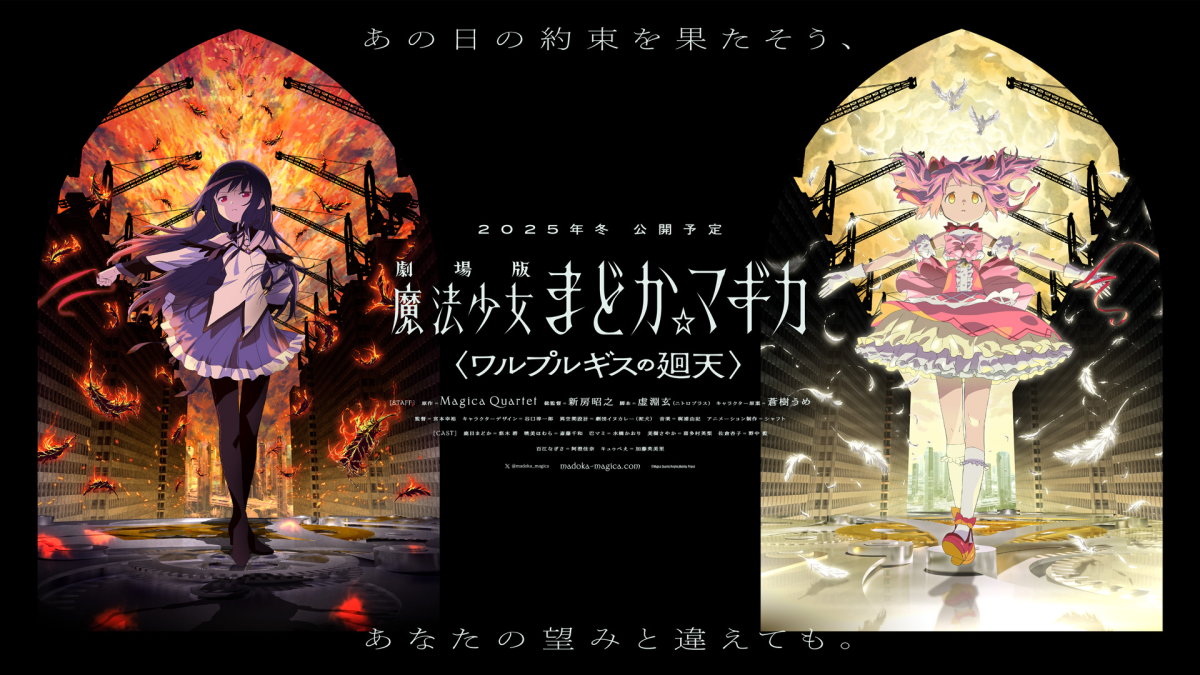
Fifteen years after it first aired, the landmark anime series *Puella Magi Madoka Magica* is back in the spotlight with its new film, *Puella Magi Madoka Magica the Movie: Walpurgisnacht: Rising*, which finally hit theaters in late August this year.
Japanese outlet Abema Times recently sat down with the legendary screenwriter Gen Urobuchi, the mind behind the series and the script for *Walpurgisnacht: Rising*, to discuss how he first got involved with *Madoka Magica*, his mindset during its production, and how his creative perspective has evolved over the years.
Since his debut with the Nitroplus PC game *Phantom of Inferno*, Gen Urobuchi has penned scripts for games like *Vampirdzhija Vjedogonia* and *Saya no Uta*, while also writing novels like *Fate/Zero* and working on anime screenplays. His involvement in the 2011 TV anime *Puella Magi Madoka Magica* became a massive topic of discussion among anime fans at the time.
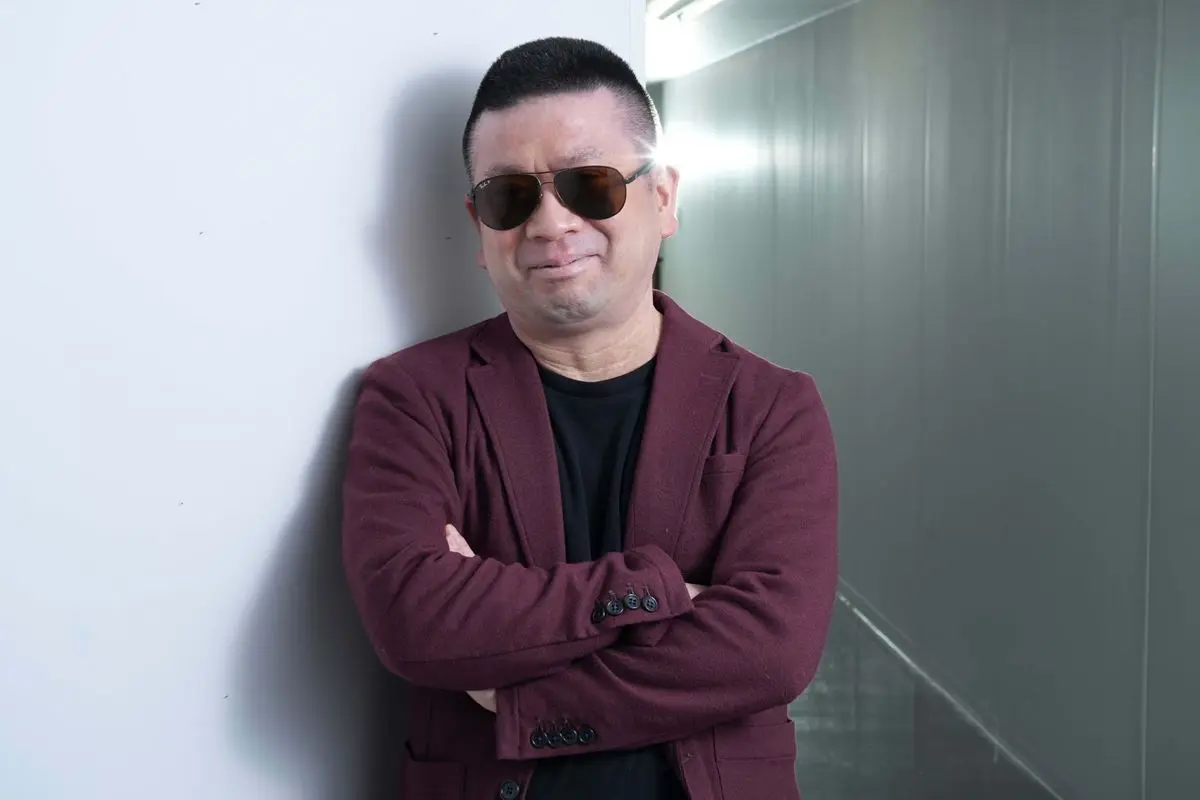
The following is a transcript of the interview, presented in a Q&A format:
Q: When *Madoka Magica* first aired, it was a huge deal that you, a writer known for gritty, "hard-boiled" stories, were tackling a magical girl project. Could you tell us again how you came to be involved?
Gen Urobuchi: It all started when Atsuhiro Iwakami from Aniplex took notice of my novel, *Fate/Zero*. I later received an invitation: "Mr. Shinbo and Ms. Ume Aoki are planning a new magical girl project, and we were wondering if you'd be interested in writing the script?"
But to be honest, I had no idea how to write a magical girl story. So, they had me watch *Magical Girl Lyrical Nanoha* and *Le Portrait de Petit Cossette*.
Q: Both of those were directed by Mr. Shinbo.
Gen Urobuchi: Right. So my interpretation was, "Maybe they want something that lands somewhere between these two?" I submitted my first proposal based on that idea, it got the green light, and production officially began.
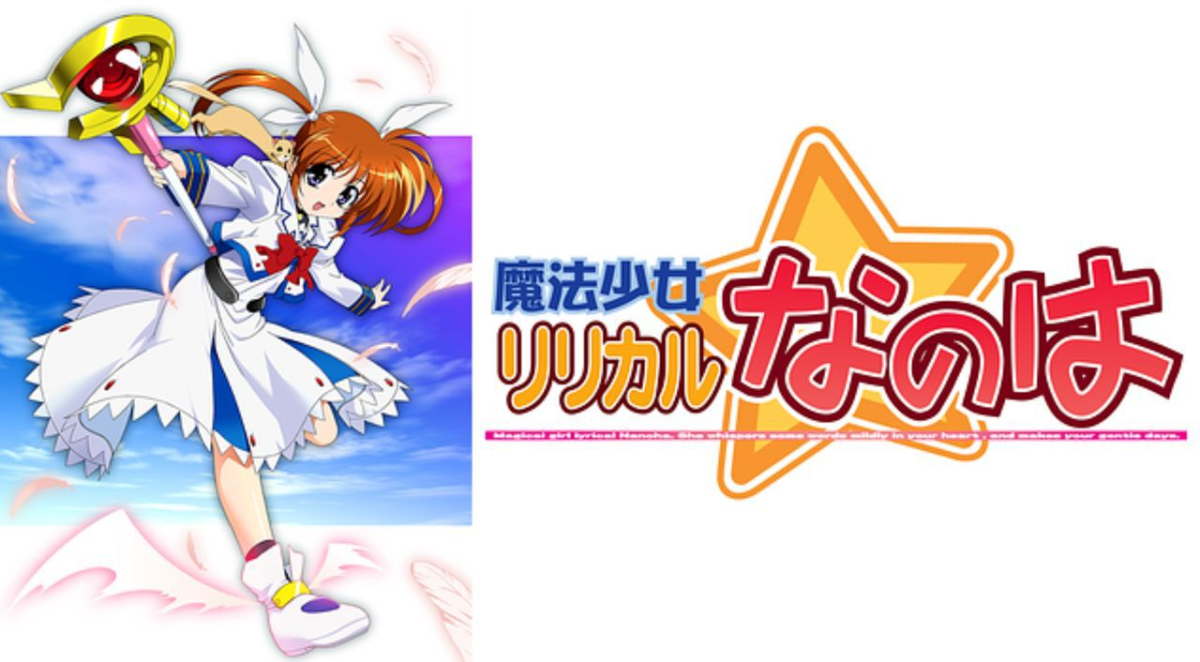
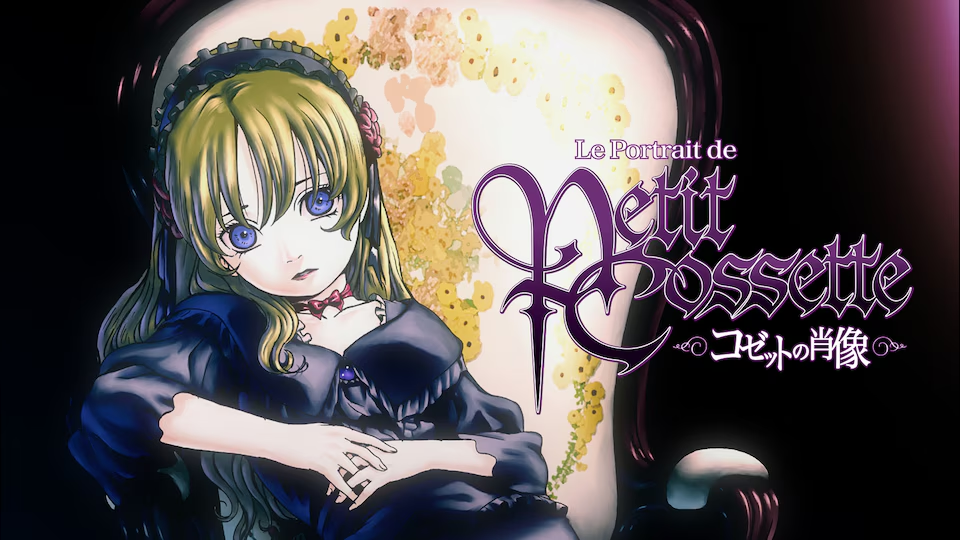
Q: Knowing *Nanoha* and *Le Portrait de Petit Cossette*, that makes a lot of sense. But at the time, that creative lineup must have been a real shock to anime fans, right?
Gen Urobuchi: I was surprised myself (laughs). It was a period when I was very proactive and willing to try any kind of work. So you could say I was in a "a magical girl show sounds interesting, let's take a gamble" kind of mood. The chance to challenge myself with something I'd never done before was exciting in itself. Looking back, I was young enough to think, "the confusion is part of the fun."
Q: Looking back on the project now must bring up a lot of different feelings.
Gen Urobuchi: When I rewatch the series now, I feel that I was only able to write that story because, over a decade ago, I could resonate with the struggles the magical girls faced and had my own critical perspective on those issues.
I now deeply feel that I couldn't write that kind of work today. Of course, that's partly due to age, but it's also because the times have changed. Back then, I could still imagine what young people feared and what they were searching for. But with today's generation, who grew up with smartphones and social media, I'm starting to lose touch with what brings them joy and what causes them pain.
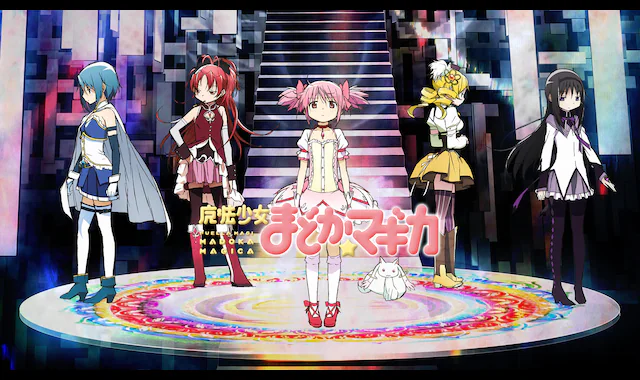
Q: *Madoka Magica* still has a huge, loyal female fanbase, so I think the themes you depicted must have a certain universality.
Gen Urobuchi: If those elements of the work are successfully reaching people, that's something that makes me very happy. If young people today still hold those same feelings, then as an adult, I feel it's my responsibility to think about these things.
Q: We previously interviewed Aoi Yuuki, the voice of Madoka Kaname, and she memorably described the broadcast period of *Madoka Magica* as being "like a festival." Looking back, what kind of impact do you think *Madoka Magica* had?
Gen Urobuchi: Well, from a creator's standpoint, rather than the impact of *Madoka Magica* itself, I feel it was more of a symbol of a turning point in the industry, where "writers from other fields were being brought in to write for anime."
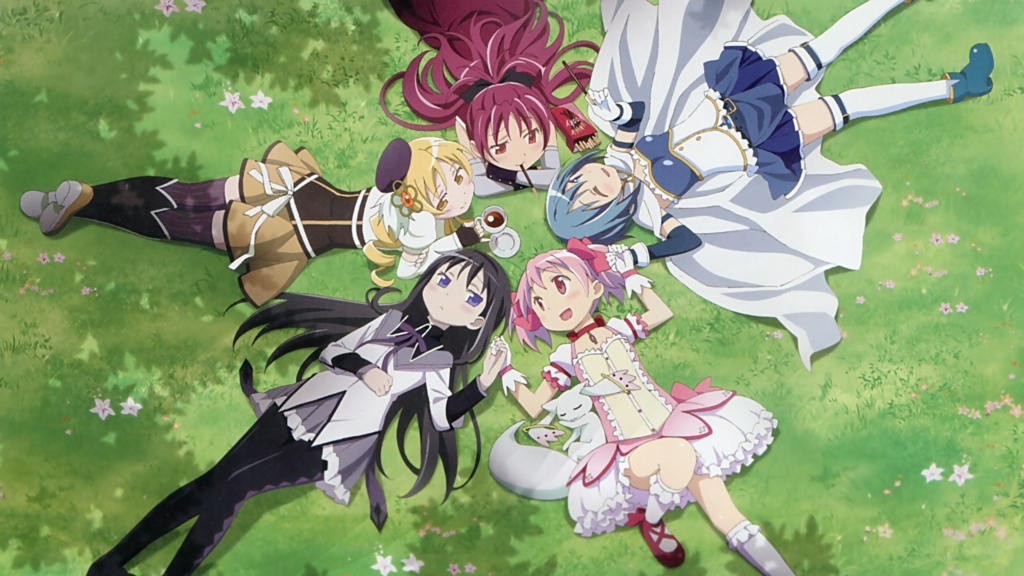
Q: That's true. Around that time, besides you, who was active in the bishoujo game industry, writers like Jun Maeda of *Angel Beats!* and Fumiaki Maruto of *Saekano: How to Raise a Boring Girlfriend* also started gaining more attention from anime fans.
Gen Urobuchi: I think before then, the anime industry had a sort of master-apprentice system. Screenwriters senior to me usually started as an assistant to a veteran, gradually taking on single episodes, then series composition, and building their careers step-by-step. I think that was the norm on the ground in anime production.
But what made *Madoka Magica* special was perhaps that it began to attract attention from society at large from a different background.
Q: Was there a sense among the core creative team that you wanted to make something that defied the conventional wisdom of the anime industry?
Gen Urobuchi: I heard that Mr. Shinbo wanted to find a "screenwriter who wasn't too familiar with anime production," and that's why they approached me. Looking back, I think that as the industry trend of bringing in creators from other fields grew, *Madoka Magica* stood out because it was particularly prominent within that wave.
It was also an era where even people who had previously only watched anime were starting to notice other fields, thanks to the rise of the internet and blogs, and were even paying attention to bishoujo games. I think I probably got the job thanks to that specific context of the times.
Q: Coming from outside the anime industry, you must have faced a lot of challenges...
Gen Urobuchi: No, rather than challenging, I was actually having a lot of fun (laughs). I was in a state of mind where I didn't even register those things as hardships.
You could say I was an anime screenwriter made from a "crash course" that took only a year or two. For someone like me with so little experience to be entrusted with everything from series composition to all the episode scripts, under the request that "the script shouldn't feel too much like anime," was, in hindsight, a very rare and even reckless move. But luckily, my personality is to "just do it if it sounds fun," so that actually helped me a lot.
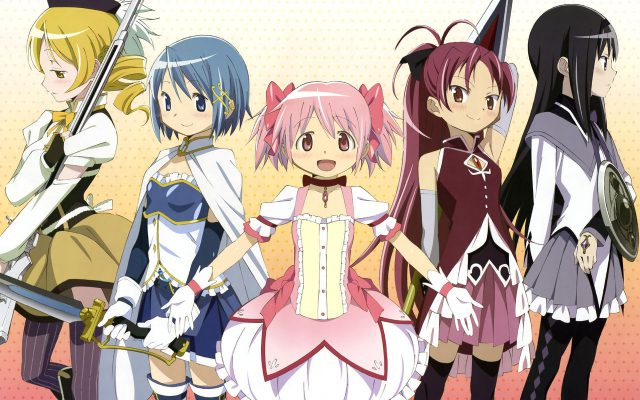
It has been 15 years since the *Puella Magi Madoka Magica* TV anime aired, and 13 years since *Puella Magi Madoka Magica the Movie: Rebellion* was released.
The environment surrounding the anime industry has changed dramatically. From Urobuchi's perspective, he was an outsider parachuted into the role of an anime screenwriter, a move that showcased his immense talent. However, he seems to view it more as a case of being in the right place at the right time. His admission that he lacks the confidence to write the same script today, and his lament about not understanding the tastes of modern youth, feels like a realization that could only come with the passage of time.
( Related: Gen Urobuchi on "Saya no Uta": "Audiences Need an Antidote, Not a Poison," Jests "Maybe It's Time for Me to Retire" )