
Do you remember in the previous "Dragon Quest" column article, at the end of the article, it was mentioned that "Final Fantasy," an equally important Japanese RPG game, only found its inspiration for creation after the release of the first "Dragon Quest"? Today, let's share the secret birth story of this classic RPG, which saved SQUARE from its operational difficulties, from its inception to its realization.
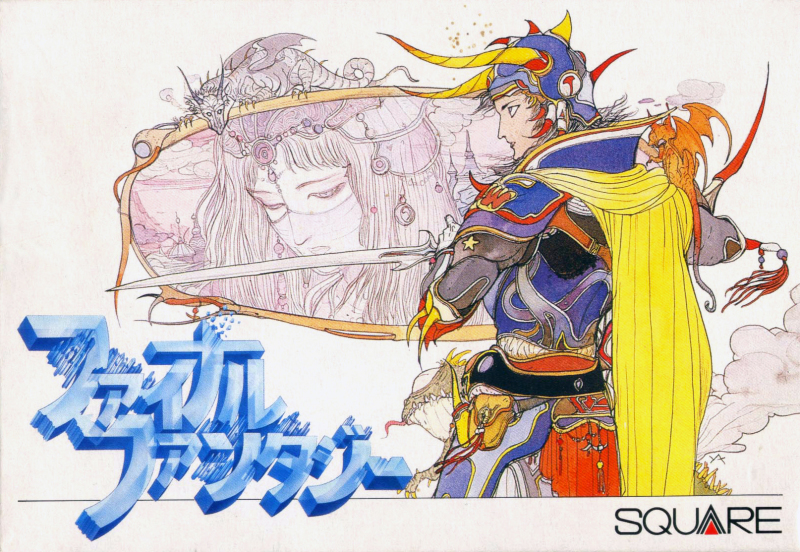
▼The game cartridge box cover for the first Final Fantasy. Image credit:Retro Land
A Musician's Dream, a Game Producer's Reality - Hironobu SakaguchiJust as Yuji Horii was the progenitor of "Dragon Quest," when discussing the father who single-handedly created "Final Fantasy," the renowned producer Hironobu Sakaguchi must be mentioned. He was born in Ibaraki Prefecture, Japan, in 1962. After completing high school locally, he spent a year studying for re-entry exams and then enrolled in the Department of Electronic and Information Engineering at Yokohama National University's Faculty of Engineering.
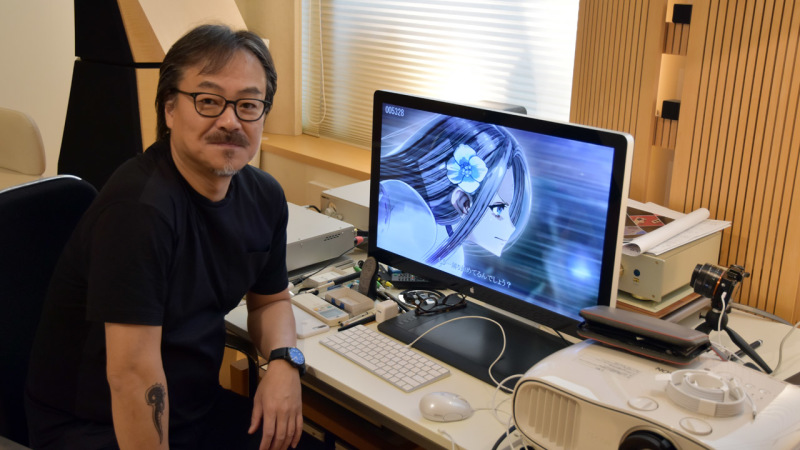
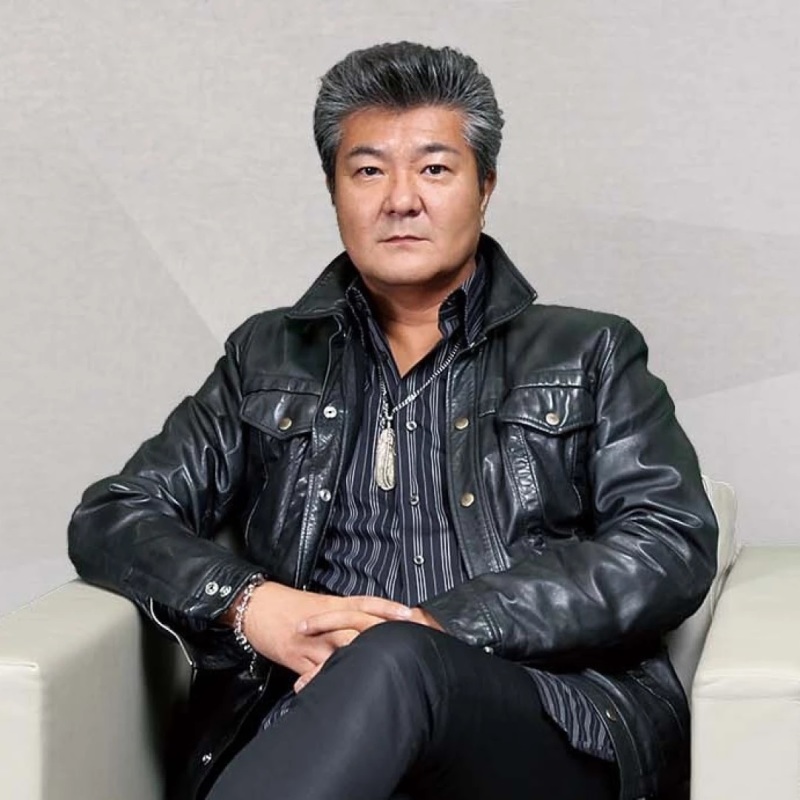
▼Hironobu Sakaguchi, currently the CEO of the game company "MIST WALKER." Image credit:3DMgame
As a child, Hironobu Sakaguchi didn't actually have a strong interest in games. His passion was music, and he dreamed of pursuing a career in it, a passion influenced by his music-loving mother. He started playing the piano at age four, electronic organ and guitar in middle school, and formed bands and composed songs in high school. He always aimed to become a musician.
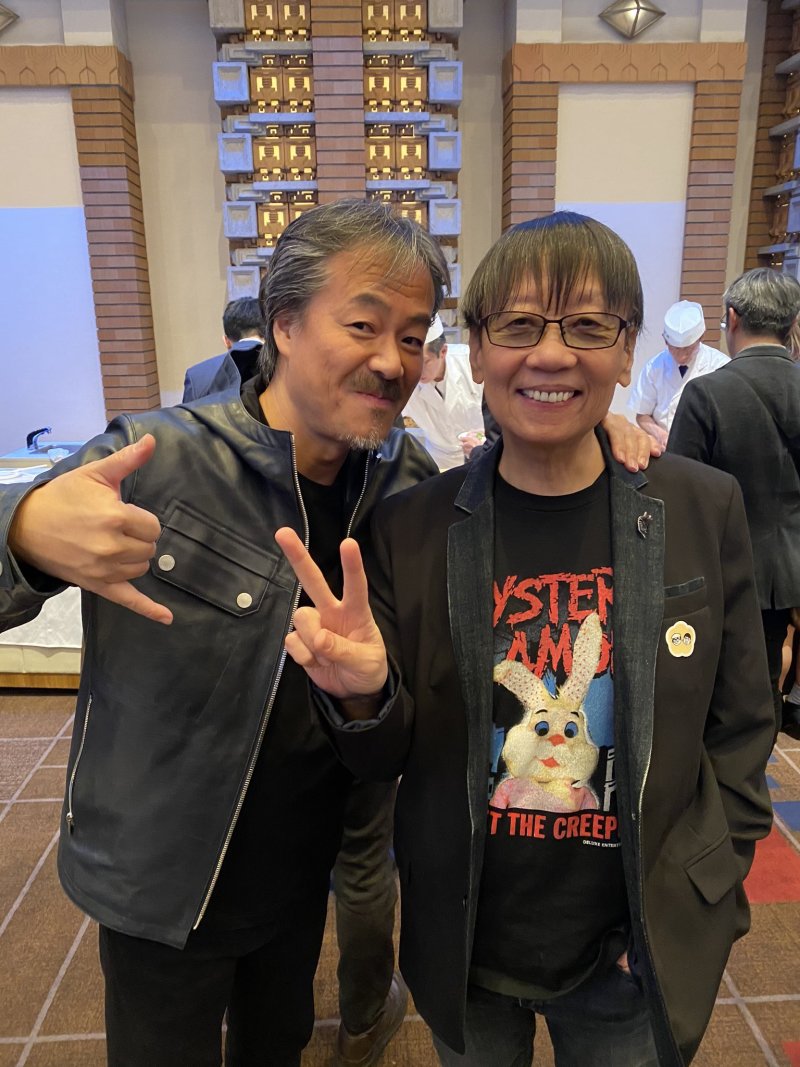
▼A rare photo of two heavyweight producers: Hironobu Sakaguchi on the left, and Yuji Horii on the right. Image credit:Twitter
In high school, he often watched movies and developed a deep interest in audiovisual effects and SF science fiction, which later drew him to games. Due to re-entering university a year later to study an electronics-related major, he encountered the Apple II computer. Games like "Wizardry" and "Ultima" captivated him. He also discovered that the principles of game programming were very similar to the music theory of songwriting and composition. Computers gave him a cultural shock and opened up new horizons. In his third year of university, he began trying to write simple game programs himself.
In 1983, while still in university, he and his classmate Hiromichi Tanaka took part-time jobs at a cable company called "Denyusha." The department they worked in was dedicated to creating computer software and was named "SQUARE." Yes, this was the initial form of the SQUARE company that would later shake the gaming world.
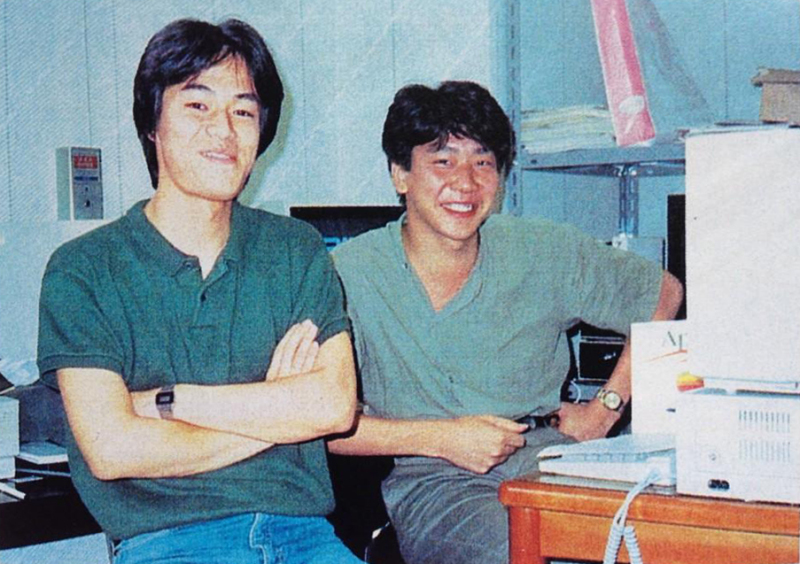
▼A young Hironobu Sakaguchi (left) and Hiromichi Tanaka (right). The two were classmates and later became founding official members of SQUARE. Image credit:retro land
Back then, SQUARE was just a department under Denyusha. Its founder, Masafumi Miyamoto, was the son of the company's owner. In the early days of game development, due to the small scale, a single programmer could handle everything. Later, Masafumi Miyamoto felt that division of labor would be more efficient, and naturally, considering personnel costs, hiring students for part-time work was the most cost-effective solution. This became the opportunity for Hironobu Sakaguchi and Hiromichi Tanaka to join SQUARE, as mentioned earlier.
The early games developed by SQUARE were all for personal computers. The first game Hironobu Sakaguchi participated in producing, and also SQUARE's first released game, was called "THE DEATH TRAP," an AVG text-based game released in October 1984 for personal computers.
▼The 1984 computer game "THE DEATH TRAP," produced by Hironobu Sakaguchi, was also his first game as a producer. His nickname at the time, "Goblin," can be seen. Image credit:YouTube
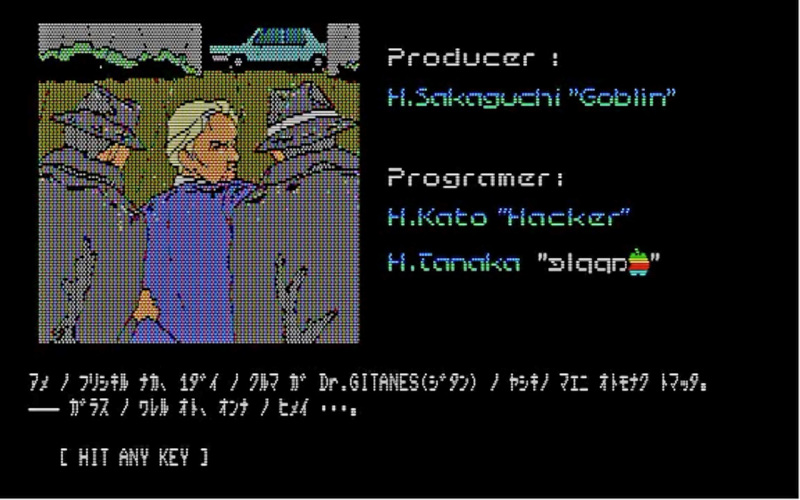
This "Death Trap" sold approximately three thousand copies. While not a stellar sales figure, it solidified SQUARE's commitment to game development. The game later received a sequel, "Will: The Death Trap II," and the company gradually began to expand its staff. In 1986, SQUARE officially separated from its parent company, becoming an independent game development company. Hironobu Sakaguchi became the company's third official employee, serving as the head of development. Prior to this, he had taken a leave of absence from university. Despite strong opposition from his parents, he believed that the computer-related industry would boom in the future and insisted on pursuing his passion.
▼Gameplay footage of Will: The Death Trap II:
As mentioned earlier, SQUARE primarily developed games for personal computer platforms at the time. "Will: The Death Trap II" sold approximately one hundred thousand copies, further reinforcing their belief that they were on the right track. However, in 1983, the emergence of Nintendo's Famicom (Family Computer) console swept through the industry, with its impressive game sales making it impossible for competitors to ignore.
"Dragon Quest" Solidified Hironobu Sakaguchi's ConvictionIn fact, SQUARE had already obtained authorization from Nintendo in 1985 to develop and release games on the Famicom. However, most of the company's internal developers at the time still believed that efforts should be focused on personal computers, so not much attention was given to the Famicom. Initially, only a sporadic two or three titles were released, or other developers were rallied to form the "DOG" (Disk Original Group) alliance to develop dedicated software for Nintendo's Disk System. The sales performance of these titles was not very good.
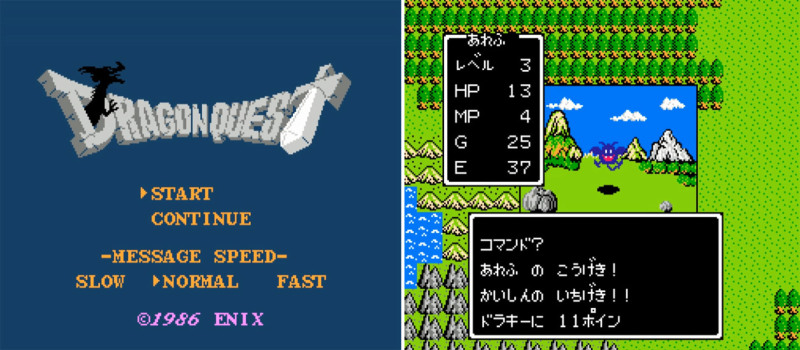
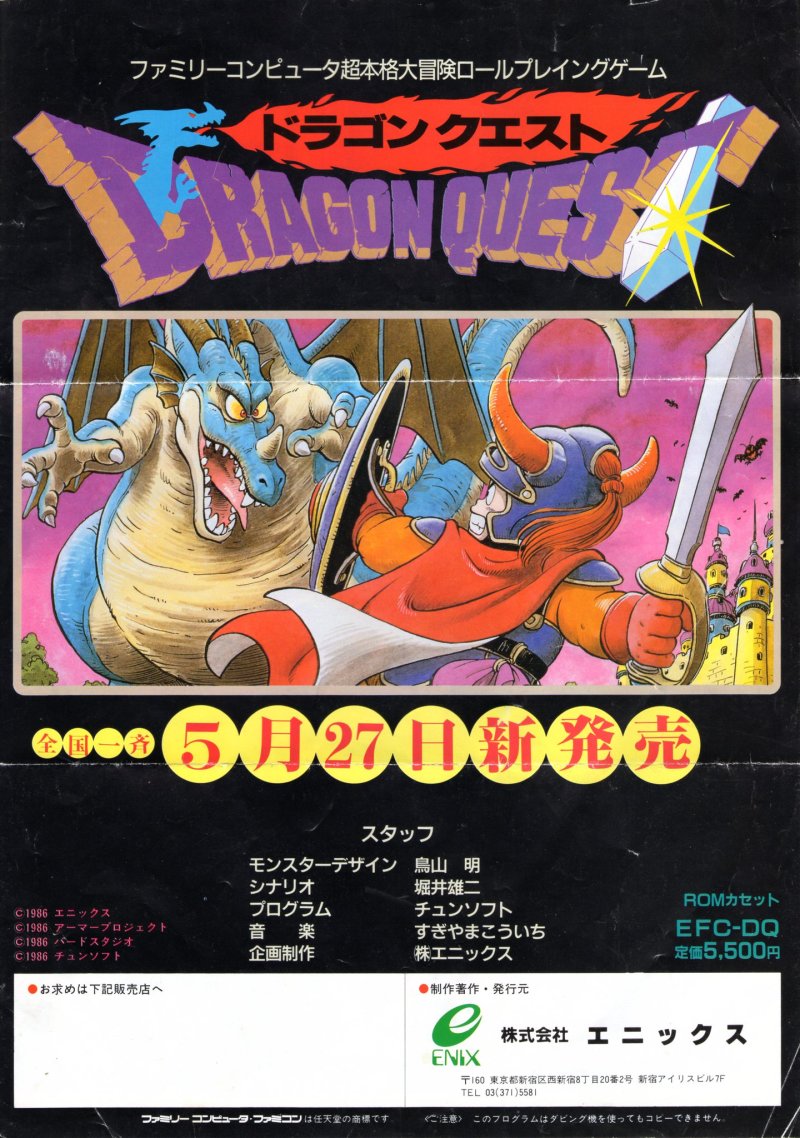
At just 24 years old, Hironobu Sakaguchi, then the company's head of development, was contemplating whether to quit the industry and return to university to complete his studies (he had already extended his graduation to his eighth year) as his games consistently failed to bring substantial profits to the company. On May 27, 1986, "Dragon Quest I" was released, and this game reignited a fire within Hironobu Sakaguchi.
Because this was exactly what he wanted to create: an RPG.
▼"Dragon Quest I", released in May 1986, despite its mere 64KB capacity, featured novel gameplay that inspired many other game developers interested in RPGs. Image credit:YouTube
▼Promotional poster for "Dragon Quest I" from 1986. Its creation solidified Hironobu Sakaguchi's conviction to create "Final Fantasy". Image credit:Twitter
A Save Method Unimaginable to Modern Players: Copying PasswordsPrior to this, Hironobu Sakaguchi had believed that RPGs could not be released on Nintendo's Famicom ROM cartridges. The main reason was that RPGs typically have longer playtimes, and if progress couldn't be saved to allow for segmented play, the games would be meaningless. However, when he saw "Dragon Quest I" use a password input system to restore game progress, he was astonished that such a method existed, and it sparked in him the desire to take on the challenge once more.
▼"Dragon Quest I" used what was called a "Resurrection Spell" to record game progress. This method of copying passwords surprised Hironobu Sakaguchi, showing him that there was indeed a way to solve the save problem. Image credit:YouTube
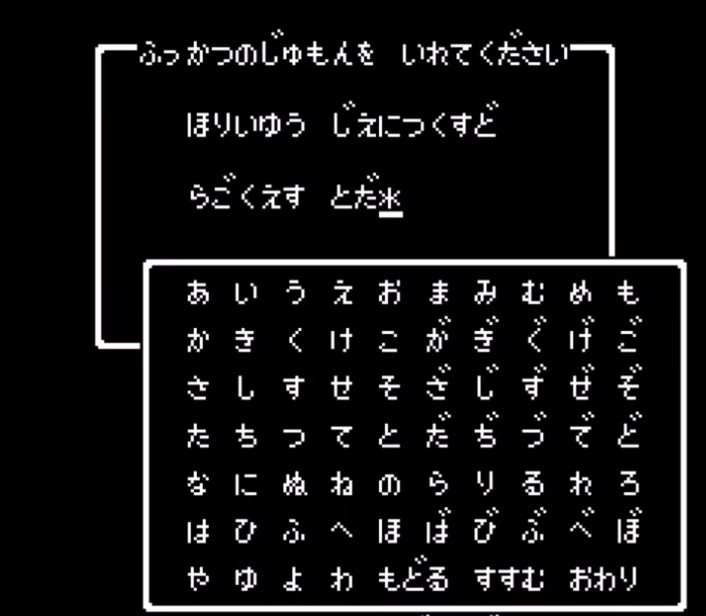
(Note: However, the production cost of ROM cartridges gradually decreased, and mercury battery memory technology emerged, leading to "Final Fantasy" directly adopting a battery save mechanism upon its release, eliminating the need to copy passwords.)
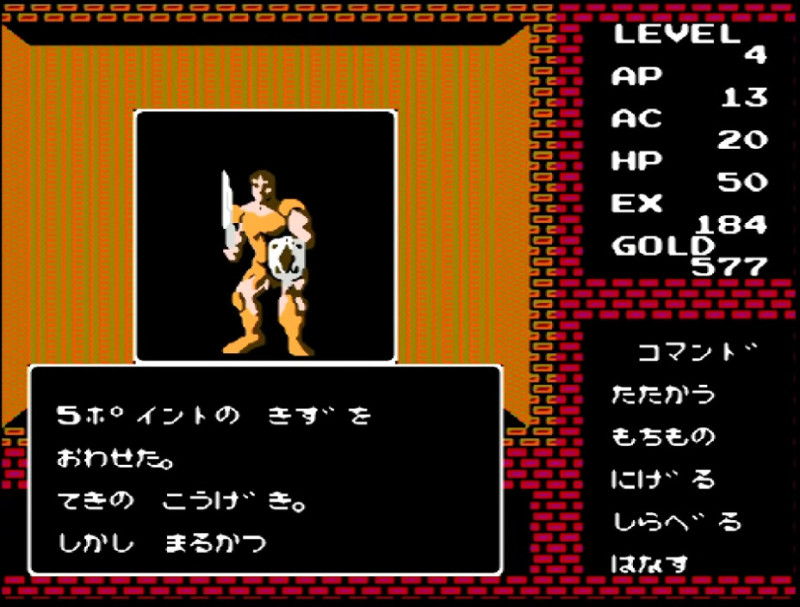
Although SQUARE released a 3D RPG game "Deep Dungeon" in December 1986, developed by HUMMING BIRD SOFT from the DOG Alliance and published by SQUARE, despite "Deep Dungeon" being the first 3D RPG game for the FC Famicom, its reputation and sales as an RPG were clearly inferior to "Dragon Quest" at the time. Therefore, Hironobu Sakaguchi decided to use "Dragon Quest" as a blueprint to launch a brand new RPG, with the goal of surpassing "Dragon Quest."
▼ "Deep Dungeon." Image credit:YouTube
▼ At the time, Hironobu Sakaguchi proposed the "Final Fantasy" game project within the company, aiming to defeat "Dragon Quest," but many within the company were not optimistic. Image credit:電ファミニコゲーマー
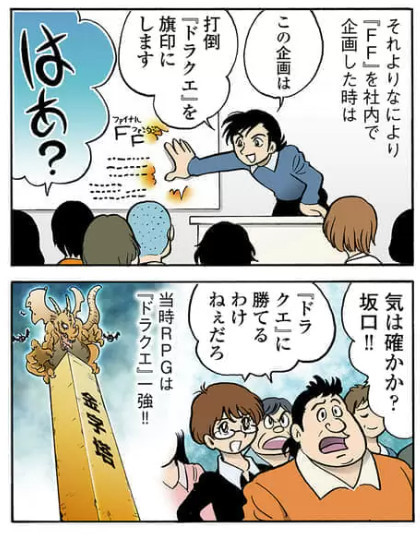
The Legendary Team Behind a Classic MasterpieceHironobu Sakaguchi had been interested in RPGs since the Apple II era, and for him, creating an RPG of his own design was a dream come true. With the determination that if he failed, he would have to go back to school, Sakaguchi submitted this proposal to his boss, Masafumi Miyamoto. Although approved, SQUARE's resources were limited at the time and could not provide Sakaguchi with much support.
Thus, the development of this new project initially consisted of only five people: Hironobu Sakaguchi, Akitoshi Kawazu, Koichi Ishii, Kazuko Shibuya, and a foreign engineer with a legendary story, Nasir Gebelli. They were known as the "A-Team," which, of course, did not refer to the "A-Team" TV show, but simply a grouping by ABC letters. At the time, SQUARE's B-Team actually had abundant resources and manpower and was the more anticipated group. Incidentally, SQUARE's grouping method at the time was for members to choose which producer to follow, and unfortunately, Hironobu Sakaguchi was far behind his classmate Hiromichi Tanaka.
▼ The teams and their members at the time. Image credit:GameStaff@wiki
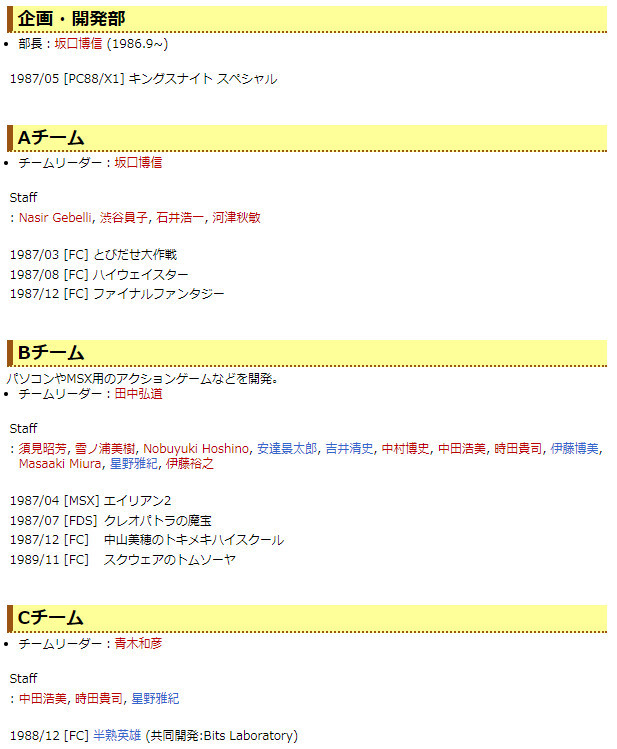
Hironobu Sakaguchi later recalled this manpower in an interview, lamenting that other teams had over ten members, while his had only a few, making it seem like they were truly doomed (laughs). Nevertheless, despite this, apart from Sakaguchi himself, the other members of this small team were also exceptionally talented and outstanding individuals.
Father of SaGa (Romancing SaGa) - Akitoshi KawazuAkitoshi Kawazu joined SQUARE in 1985. Before transitioning to Game Boy to create "Makai Toushi Sa.Ga," he also assisted Hironobu Sakaguchi in developing "Highway Star" and later "Final Fantasy I" and "Final Fantasy II." The weapon proficiency system in "Final Fantasy II" was Kawazu's idea. Later, due to creative differences with Sakaguchi on game production, he moved to handheld consoles, and almost all subsequent SaGa series games were created by Kawazu. "Makai Toushi Sa.Ga" in 1989 sold over a million copies, solidifying his status to be mentioned alongside Sakaguchi.
▼ Akitoshi Kawazu, the creator of the SaGa series. Image credit:SQUARE ENIX

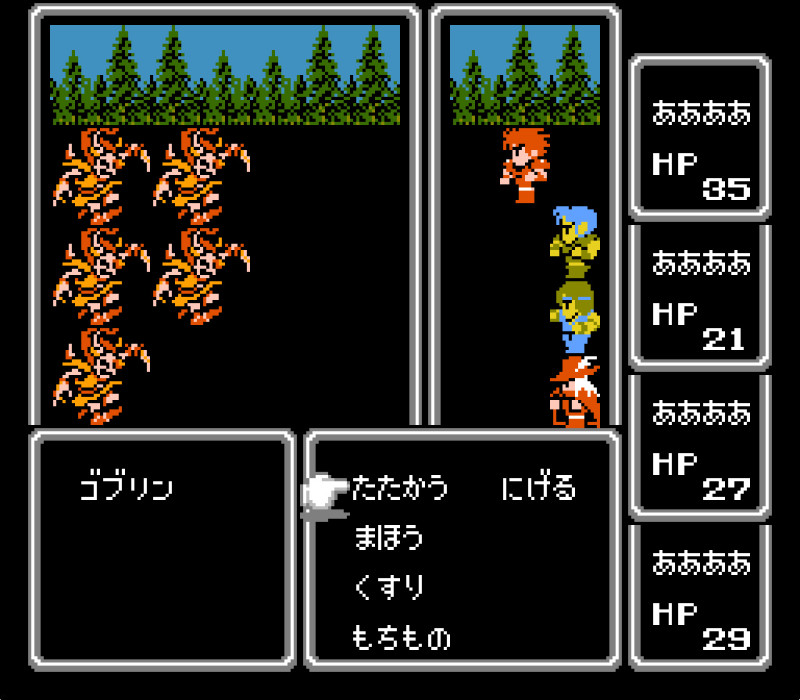
▼The battle system of "Final Fantasy" was primarily developed by Akitoshi Kawazu, who later conceived the "weapon proficiency" element in the second installment. Image credit:SQUARE ENIX
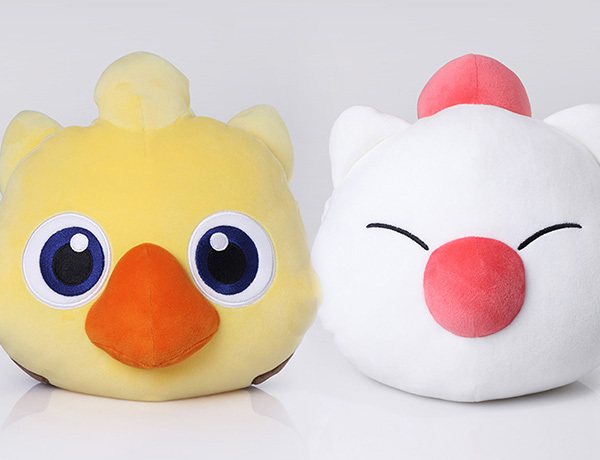
The Father of Super Cute Mascots "Chocobo" and "Moogle" - Koichi IshiiKoichi Ishii, like Hironobu Sakaguchi, initially joined SQUARE as a part-timer before becoming a full-time employee. Ishii was primarily responsible for game planning at first, and later also participated in creating game battle animations, system design, and more. The highly famous characters "Chocobo" (now officially "Chocobo") and "Moogle" from the "Final Fantasy" series were created by Koichi Ishii. The inspiration for Chocobo came from a chick named Boko that he raised in elementary school, and the name Boko was later used in "Final Fantasy V."
▼Koichi Ishii, after completing "Final Fantasy II," went on to assist in the development of "Makai Toushi Sa.Ga" and "Seiken Densetsu." Image credit:ZAIKO
▼The highly popular Chocobo and Moogle from "Final Fantasy" were created by Koichi Ishii. Image credit:SQUARE
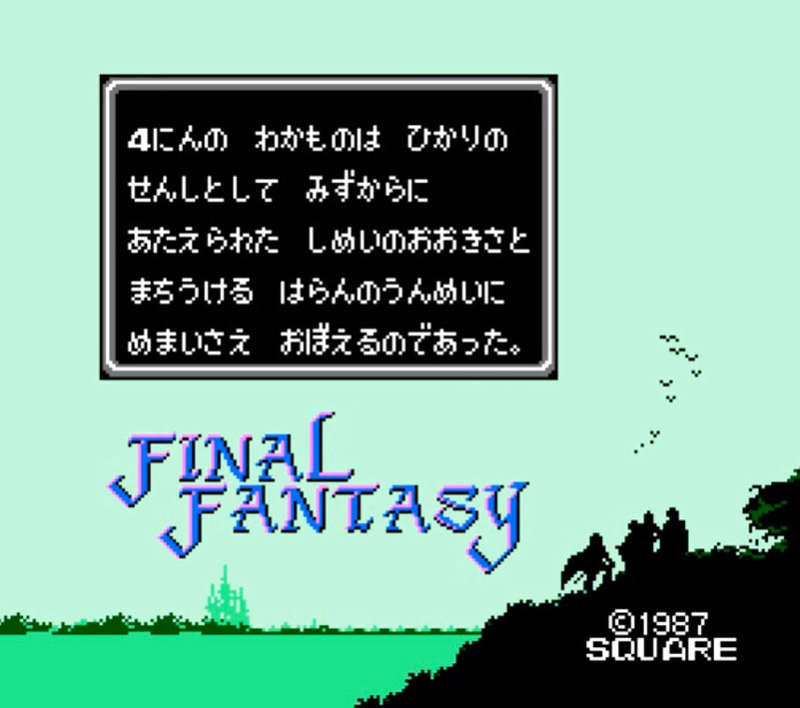
The Pixel Art Virtuoso - Kazuko ShibuyaKazuko Shibuya was the only female member of the team at the time, primarily responsible for graphics. In an era when hardware was not yet very powerful, pixel art was a true craft, and Kazuko Shibuya was a master of it. When Hironobu Sakaguchi issued a rallying cry at the company, "Defeat 'Dragon Quest' with an RPG!", she immediately decided to join the "Final Fantasy" development team. Compared to "Dragon Quest," "Final Fantasy" characters had more actions and expressive performances, all thanks to Shibuya's skillful artistry. One of the most classic scenes in "Final Fantasy" is undoubtedly the moment when the four characters leave the town, cross the bridge, and look back at the castle in the distance; such an evocative image also came from Kazuko Shibuya's hand.
▼Kazuko Shibuya, in addition to the "Final Fantasy" series, also participated in character graphic production for subsequent series such as "Romancing SaGa." Image credit:Shibuya Pixel Art

▼One of the classic scenes from "Final Fantasy I," where the four Warriors of Light cross the bridge and look back at the castle, was also created by Kazuko Shibuya. Image credit:YouTube
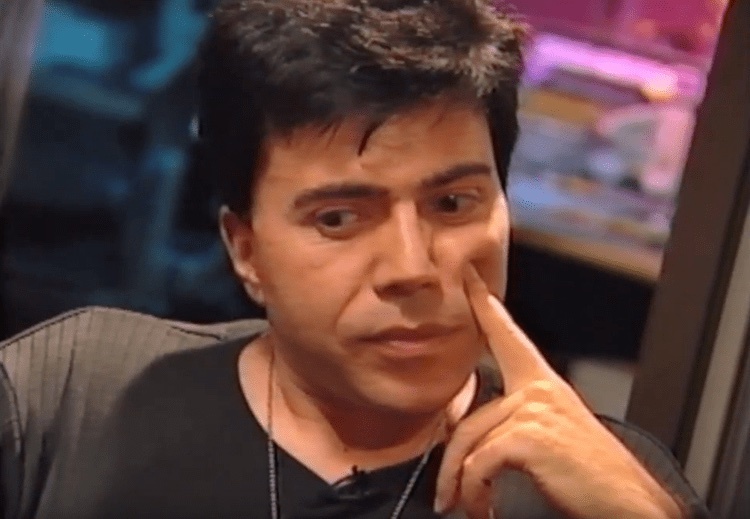
The Genius Programmer from the Middle East: Nasir GebelliCompared to the other three members of the team, Nasir Gebelli's backstory is so extensive that it would likely require a separate dedicated article to fully recount. Nasir Gebelli was born in Iran and moved to the United States due to the revolution in his home country. As early as the beginning of the 1980s, Nasir was already developing game programs using Apple II computers and even started a company called "Gebelli Software" with friends. Unfortunately, due to the infamous major event in the gaming industry – the "ATARI SHOCK" – his company subsequently went bankrupt.
▼Nasir Gebelli. It is said that he was of Iranian royal descent, exiled to the United States due to a revolution in his home country. After marrying an American there, he lost all his assets due to divorce, leading a highly dramatic life. Image credit:Alchetron
He later began traveling extensively, and on one occasion, he learned that game development for the Famicom was mainstream at the time, so he came to Japan to explore opportunities. Nasir visited Nintendo and SQUARE. Despite his illustrious background, Nintendo did not extend an offer to Nasir. Instead, SQUARE's president, Masashi Miyamoto, actively invited him to join the company. President Miyamoto's decision was also related to Hironobu Sakaguchi, as Sakaguchi already knew Nasir Gebelli's name and greatly admired his games. Thus, Nasir Gebelli successfully joined SQUARE.
Although Nasir Gebelli initially faced a language barrier in Japan, only came to the office three days a week, and insisted on eating steak for every meal, making him seem difficult to please, he was known as a genius programmer during the Apple II era, a reputation he truly earned. This skill and expertise were indeed fully showcased in "Final Fantasy".
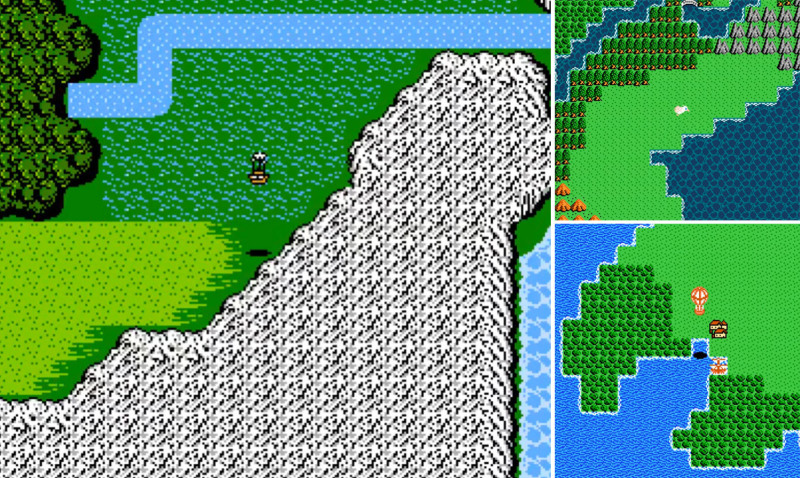
Most famously, there was the "Airship" vehicle in "Final Fantasy". Koichi Ishii, mentioned earlier, once requested "to have a shadow when the airship flies". Hironobu Sakaguchi initially rejected this, saying it couldn't be done. However, after Ishii mentioned it to Nasir, Nasir surprisingly implemented this request within two days, and even made the airship move at four times the speed, astonishing everyone.
▼The "Dragon Quest" series only introduced an aerial vehicle, the Divine Bird Ramia, in "Dragon Quest III", released in 1988, and it did not have a shadow effect (top right image). It wasn't until the hot air balloon in "Dragon Quest IV", released in 1990, that a shadow effect appeared (bottom right image). In contrast, the first "Final Fantasy", released in 1987, already featured an airship with a shadow effect (left image) and the ability to move at high speed, which was truly remarkable. Image credit:YouTube
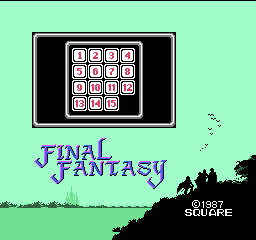
Later, Nasir also created an Easter egg, secretly embedding a puzzle mini-game within "Final Fantasy". However, after showing it to Hironobu Sakaguchi, Sakaguchi, due to the cost of Nintendo ROM cartridge capacity at the time, had to meticulously calculate data usage and initially wanted to delete it to save space, but ultimately decided to keep it.
▼The secret "15-puzzle mini-game" in the first "Final Fantasy" can be accessed by holding down the A button and pressing the B button 55 times while in a boat in the game. Incidentally, later remakes also retained this little Easter egg. Image credit:GCGX
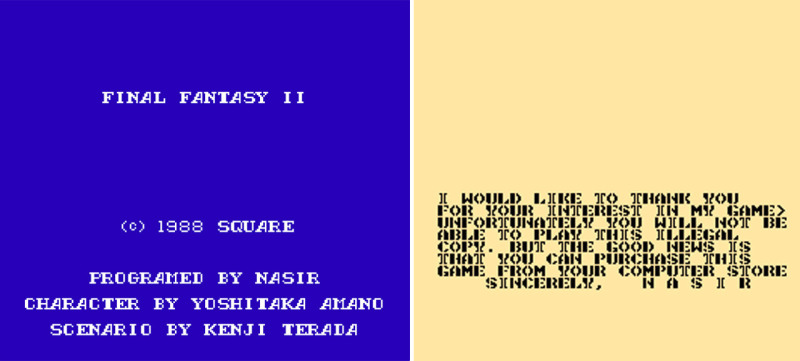
There are other anecdotes about Nasir, such as his ability to remember every line of code he wrote. On one occasion, while in the United States, he received a call from Japan about a major bug that needed fixing. He was able to give precise instructions to the staff over a long-distance call to resolve the bug. He also embedded secret messages within games, among other things.
▼Nasir loved to display his name directly on the game screen (left image). He also placed hidden messages in games (the right image shows a hidden message that appears in "Tobidase Daisakusen" when the game is launched illegally. Anti-piracy mechanisms only became popular in the game industry in the 21st century, so Nasir was more than a decade ahead of his time). Image credit:twitter
After completing "Secret of Mana" for the Super Famicom in 1993, Nasir left SQUARE and returned to a leisurely life in the United States, residing in California and maintaining contact with Hironobu Sakaguchi.
Of course, besides the "A-Team" members, other individuals were also crucial to "Final Fantasy", including the aforementioned Hiromichi Tanaka (responsible for game design), Kenji Terada (scenario writer), as well as the self-taught master of game music, Nobuo Uematsu, who later composed numerous soundtracks for the series, and the artist Yoshitaka Amano, known for his unique art style (responsible for character design). Together, they collaborated to create this work that would determine the company's future success and Hironobu Sakaguchi's own career trajectory.
▼A young Nobuo Uematsu. The brilliance of his musical compositions lies in his ability to create various melodies with natural flair, despite being self-taught. Image credit:twitter
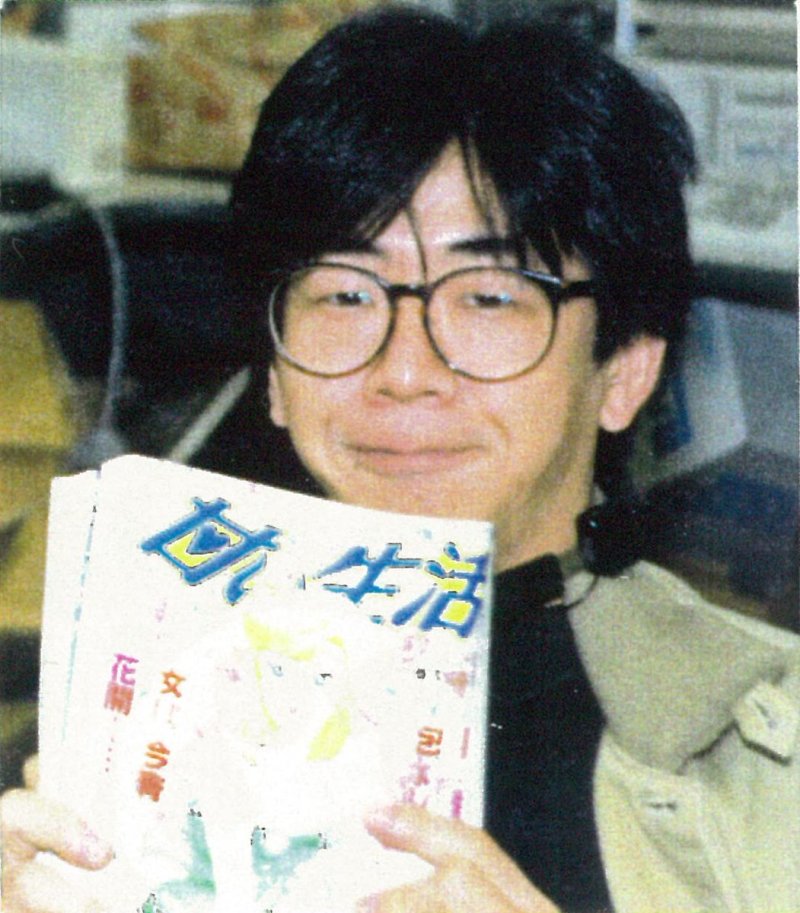
▼Yoshitaka Amano himself once stated that thanks to "Final Fantasy", he became famous outside of Japan as well. Image credit:mantanweb
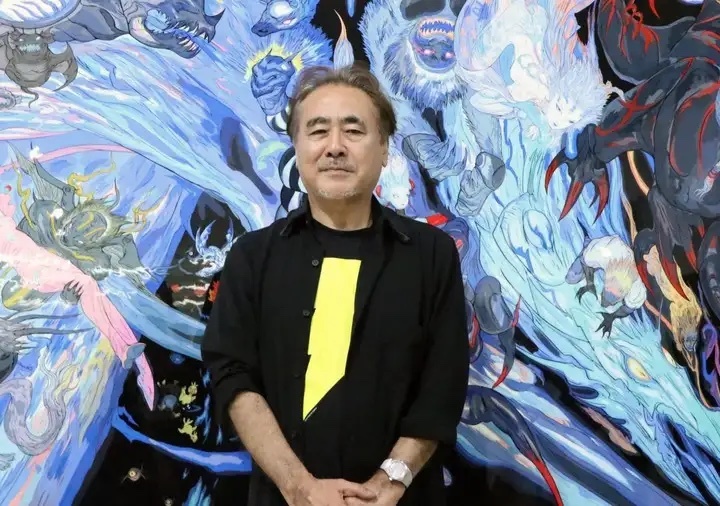
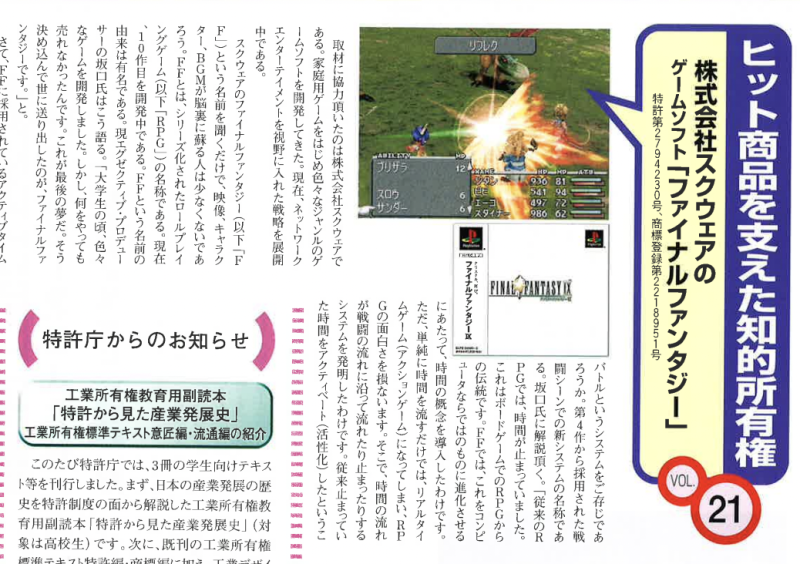
The name "Final Fantasy" was actually just chosen for its readability, not because it was truly "final"On December 18, 1987, "Final Fantasy," a work that carried the hopes of the company and its people, was finally released on Nintendo's Famicom (FC) console, priced at 5,900 Japanese Yen. As for why the game was named "Final Fantasy," Hironobu Sakaguchi has probably answered countless times. Most people assume it's due to the game's positioning, but Sakaguchi said that originally, they simply wanted a game title that could be easily abbreviated, keeping it to two English characters and four Japanese syllables.
▼Back then, in a formal report, Hironobu Sakaguchi responded to the origin of the "Final Fantasy" name by suggesting it was named with a sense of ultimate success or failure. However, he later clarified that this wasn't the case, seemingly just adding a more engaging story to the topic. Image credit:Japan Patent Attorneys Association
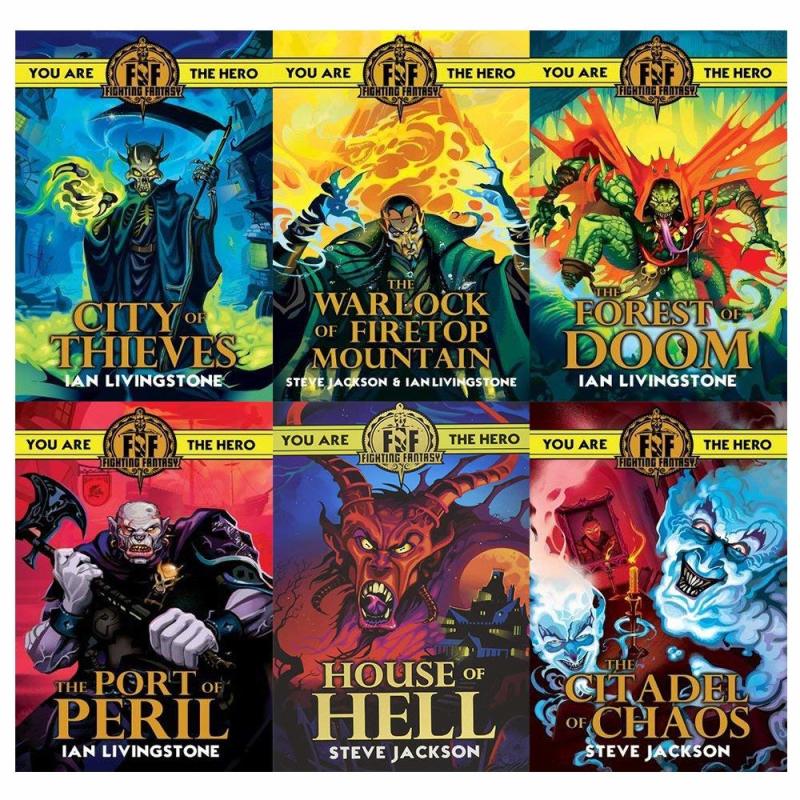
Later, they thought the abbreviation "FF" sounded good (the Japanese "Ef-Ef" was also easy to pronounce and remember), so they started looking for related words. Initially, they wanted to use "Fighting Fantasy," but this happened to be the same as a famous gamebook series. They then found the word "Final" and decided to use it (in fact, they felt any word that resulted in the abbreviation "FF" would be fine). Although the company's operational situation was indeed a bit difficult at the time, it hadn't truly reached a "final" stage.
▼The "Fighting Fantasy" gamebook series, created by Steve Jackson, was an introductory gamebook for many. Image credit:AMAZON
Debut Work Lays Successful Foundation, Ultimately Becoming One of Gaming History's Best-Selling SeriesThe inaugural title of the "Final Fantasy" series, "Final Fantasy," released in 1987, achieved impressive sales, reaching 520,000 units in Japan alone and 1.2 million units worldwide, marking a huge success for SQUARE. Soon after, in December of the following year, the sequel, "Final Fantasy II," was released, selling 760,000 units in Japan.
▼Final Fantasy 2 TV commercial from that time:
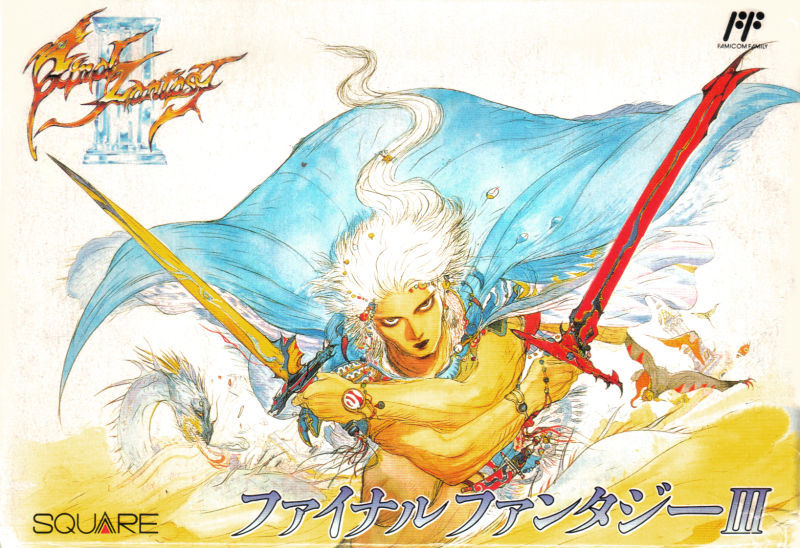
The third installment, released in April 1990, received unanimous praise from players and critics alike, hailed as a major RPG masterpiece on the Famicom, with sales exceeding one million (1.4 million in Japan). This solidified the "Final Fantasy" series' status and secured its future development.
▼Final Fantasy 3 was released in April 1990 and was the last "Final Fantasy" title on the Famicom. The cartridge cover was also illustrated by Yoshitaka Amano. Image credit:MobiGames
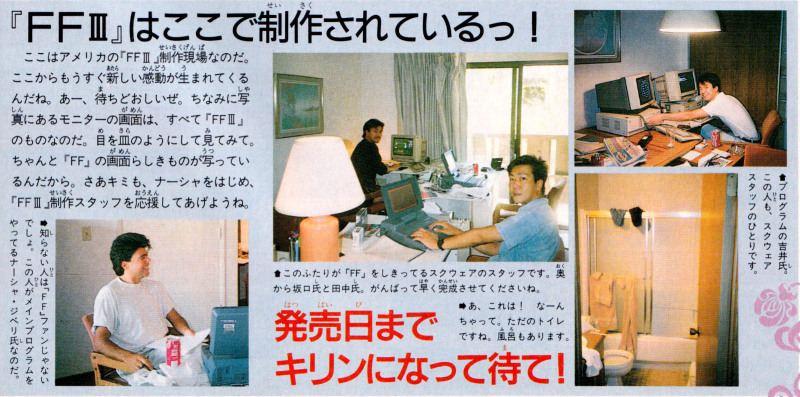
▼During development, Nasir Gebelli's work visa expired, so the development team moved directly to the United States to work with him. Image credit:Twitter
As for Hironobu Sakaguchi's subsequent rise through the ranks, becoming Vice President and President of the US subsidiary, and then how he went from success to hardship, was forced to leave SQUARE, and how SQUARE later merged with ENIX, that's another long story we'll cover another time.