

Valve recently confirmed that its new Steam Machines will not adopt a "console-style subsidy strategy," meaning the hardware won't be sold below cost. This decision has sparked widespread discussion within and outside the gaming industry, as it starkly contrasts with the traditional "hardware loss, software recovery" model long employed by Sony and Microsoft. Michael Douse, Publishing Director at "Baldur's Gate 3" developer Larian Studios, directly called the move "not stupid, but a bit strange."
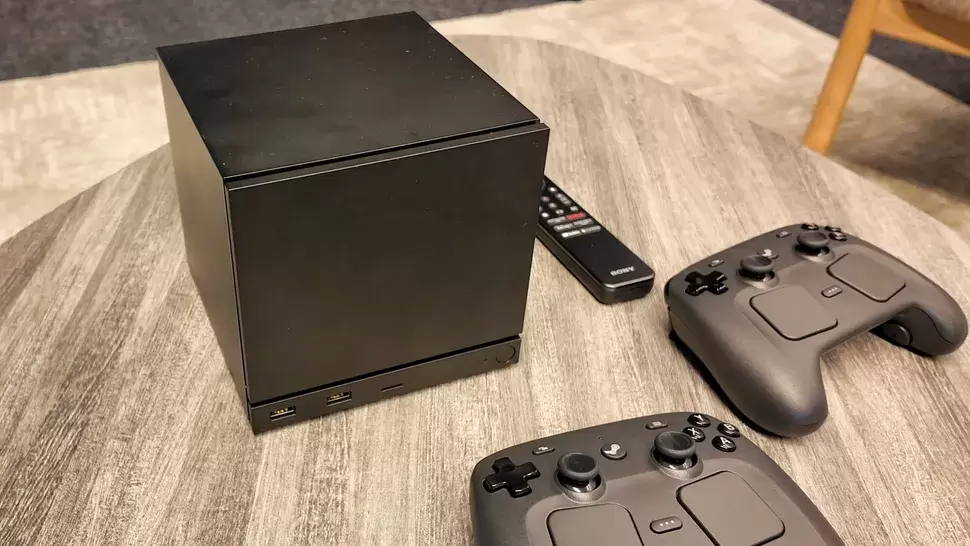
Douse stated on X (formerly Twitter) that while he understands hardware subsidies aren't currently trending, Valve's insistence on not subsidizing could lead to a significant loss of platform benefits in attracting users to the Steam store. He suggested that the actual financial impact might far exceed the estimated $200 per unit subsidy cost.
He described the Steam store as "essentially a money-printing machine," arguing that from a business perspective, trading hardware losses for platform revenue remains a sound strategy.
However, the biggest difference between Steam Machines and traditional game consoles is that they are full-fledged PCs. Users are free to install other operating systems, operate entirely outside the Steam ecosystem, and use functions unrelated to Steam. In other words, Valve cannot guarantee that Steam Machine purchasers will become repeat Steam customers, nor can it prevent businesses from buying them in bulk as cheap hardware for workstations or office equipment.
This risk of "hardware utilization losing focus" would be even higher if Steam Machines adopted a heavily subsidized strategy. Unlike PlayStation or Xbox, where users are tied to proprietary platforms, the Steam Machine's open nature makes it difficult to fully control user retention.
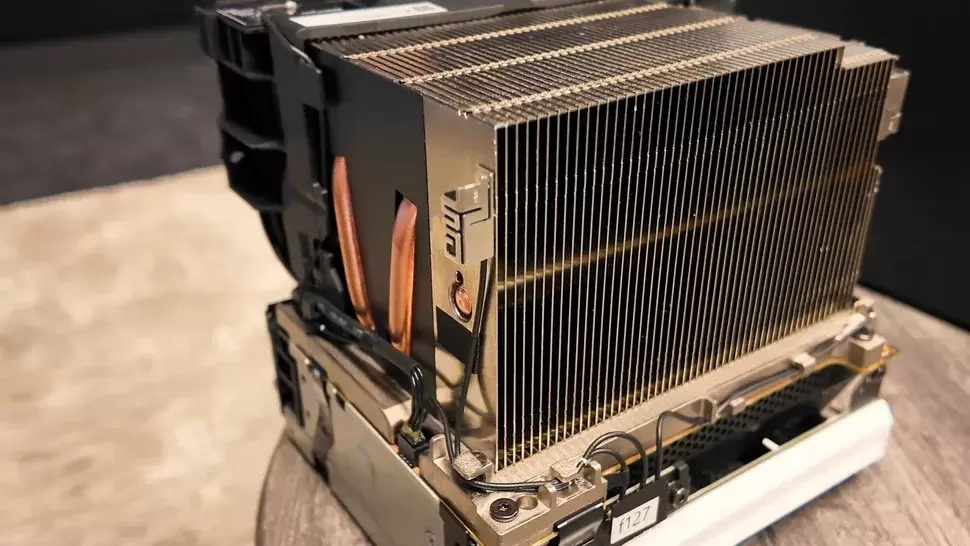
Furthermore, many players and industry insiders point out that Valve isn't as eager to expand its hardware market as other companies. As a privately held company, Valve isn't beholden to shareholders for short-term growth and may not aim for its hardware business to become a global, large-scale console ecosystem like Sony's or Microsoft's. Instead, it appears to be more of an "additional complement" than a core strategy.
Therefore, while Valve's decision might seem to deviate from traditional game console business thinking, it likely aligns with their long-term strategy, given their company culture and product positioning. This approach allows Steam Machines to remain in a controlled, stable niche market rather than aggressively competing for console market share through price reductions.
Whether this strategy will impact Steam Machine adoption or cause Valve to miss opportunities to expand the Steam platform ecosystem remains to be seen, with market reaction providing the ultimate answer.