

"PC Gamer" recently published a scathing commentary by editor Wes Fenlon, directly labeling 2025 as a "year of shame" for Microsoft.
The article comprehensively critiques Microsoft's numerous decisions over the past year, spanning its gaming division, operating system strategy, artificial intelligence initiatives, and corporate ethics controversies. Fenlon argues that despite seemingly strong financial reports and stock performance, these figures fail to mask the long-term damage inflicted upon the industry and its users. 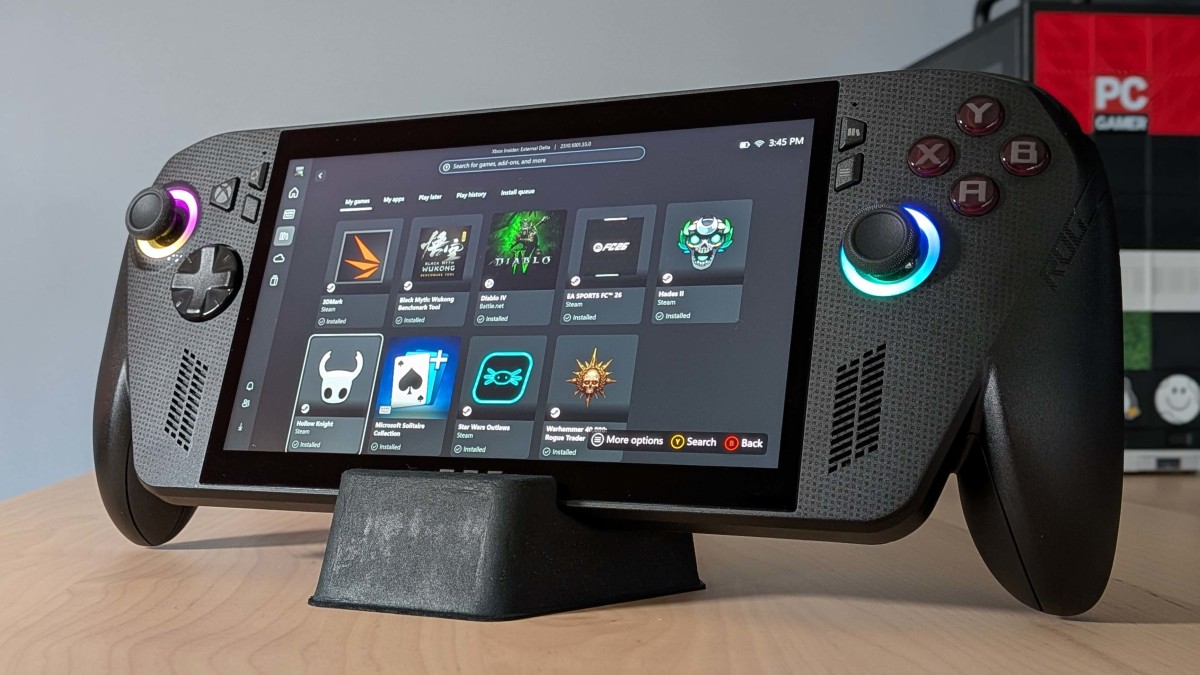
The publication notes that Microsoft executives often defend a series of layoffs and restructurings by citing stock prices and revenue growth. However, this "profit-first" narrative cannot justify the closure of studios, the cancellation of games in development for years, and the massive talent cuts that lead to a significant loss of creative output.
Wes Fenlon points out that Xbox has shuttered or downsized multiple teams in the past year, including halting several highly anticipated titles. Yet, internally, executives declared that its "platform, hardware, and game roadmap have never been stronger." This disconnect between rhetoric and reality, Fenlon asserts, lies at the core of the problem.
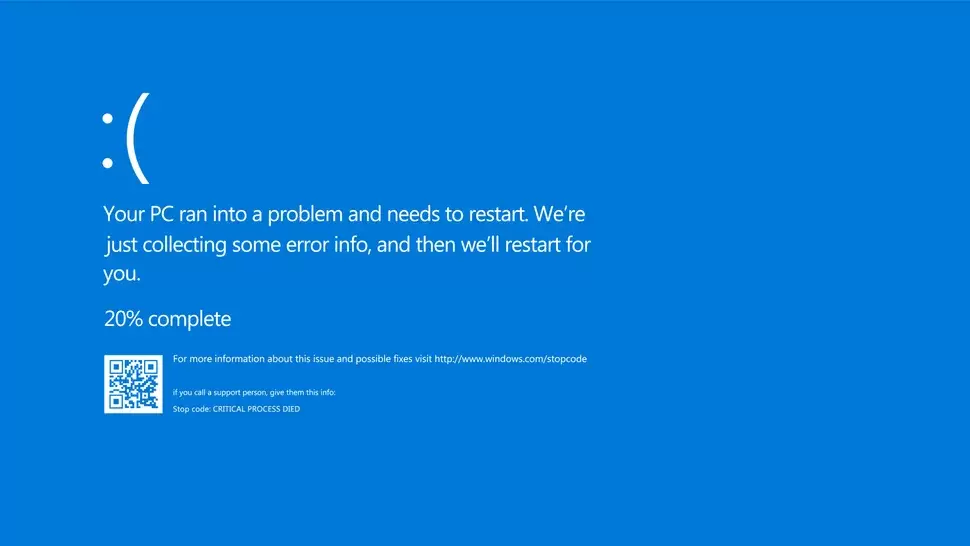
Regarding operating systems, "PC Gamer" states that Microsoft's decision to end support for Windows 10 without providing a reasonable upgrade path for hundreds of millions of older PCs is a highly irresponsible move toward general users. The commentary further highlights that approximately one-third of global PCs still run Windows 10, many with perfectly capable hardware, but are now forced to face security risks due to Windows 11's stringent requirements. Fenlon believes this not only demonstrates poor adoption of Windows 11 but also further erodes user trust in Microsoft.
Turning to artificial intelligence, "PC Gamer" notes that Microsoft has aggressively pushed AI features into various products, often disregarding practical user experience and privacy concerns. The review specifically called out Copilot and related functionalities, arguing they fall far short of their advertised promises, yet are still touted by executives as central to the future.
Wes Fenlon criticizes that when corporate leaders constantly praise the bright prospects of AI but refuse to acknowledge user backlash and technical shortcomings, it only makes users feel "gaslit."

In the gaming ecosystem, "PC Gamer" contends that the Xbox Series X's market competitiveness is increasingly unsustainable. Tariffs have driven up console prices, sales continue to lag behind competitors, and even major retailers are reducing stock.
Concurrently, the long-term viability of the Game Pass model has been questioned by multiple industry veterans. Wes Fenlon points out that even though Microsoft has invested heavily in acquiring major publishers, subscription growth has still fallen short of expectations, instead placing greater pressure on first-party development. 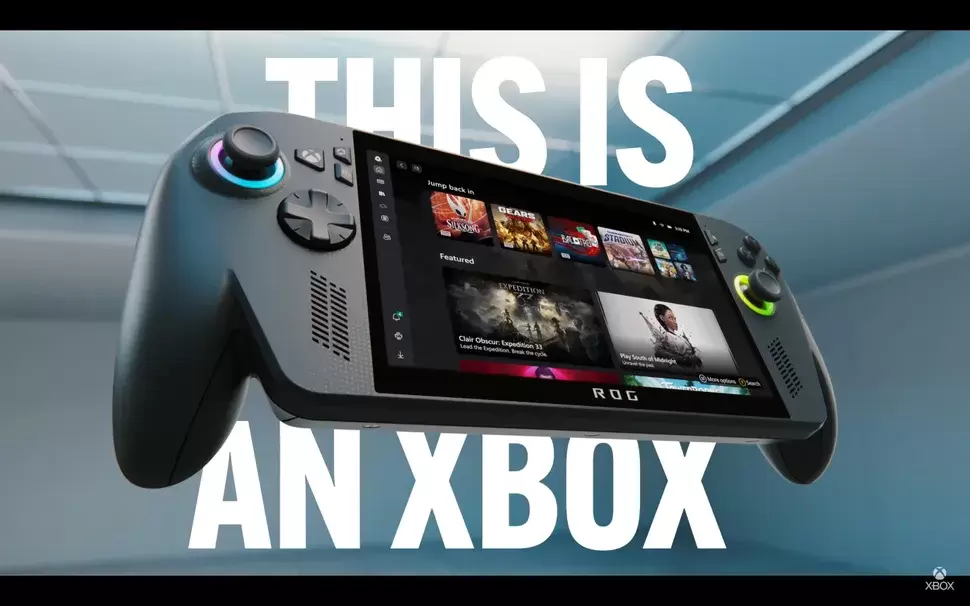
Even more egregious are the ethical implications, "PC Gamer" states, as Microsoft was revealed to have provided cloud and technical support to military entities amidst international conflicts, sparking employee protests and public condemnation. The company, however, dismissed these concerns with a cursory internal review, even firing those who protested.
Wes Fenlon believes these actions make other controversies pale in comparison and have made Microsoft a continuous target for boycotts. He further stated that Microsoft in 2025 exemplifies a large tech corporation that, in its pursuit of profit, AI trends, and political realities, has progressively strayed from the needs of creators and users.
Finally, Wes Fenlon concludes that if Microsoft fails to address these structural issues, the coming year may struggle to escape the shadow cast by this "year of shame."
via: PC Gamer