

As generative AI technology rapidly expands, hardware costs are steadily climbing, and the gaming industry is not immune. Gaming outlet Eurogamer recently published an article exploring how the consumer electronics market is facing pressure due to AI's demand for vast memory and computing resources. From tight Steam Deck supplies and rumors of rising hardware prices to widespread speculation that Sony might be considering delaying the PlayStation 6's release, these signs have made "should the next console generation arrive later?" a pertinent question for discussion.
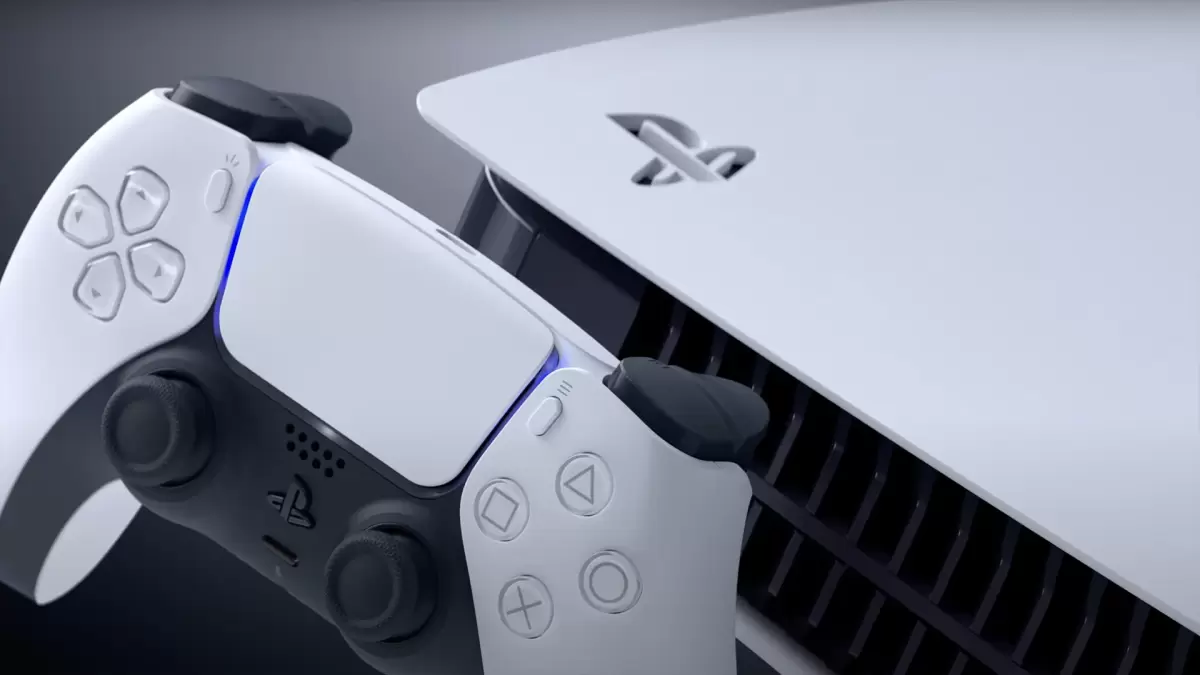
Eurogamer noted that console generations typically cycle every five years, establishing a certain rhythm for players anticipating new hardware. However, in the current climate of rising living costs and increased pressure on entertainment spending, would there be sufficient market demand if next-gen console prices climb even higher?
The report cited editor Ian Higton, who suggested that if new console prices become so high they impact basic living expenses, "that sense of anticipation would likely vanish instantly." He stated directly that with game and subscription service prices continually increasing, most players would likely find it difficult to invest heavily in a console at launch.
Beyond pricing, Eurogamer believes the current console generation's development pace has been unique. The PlayStation 5 and Xbox Series X|S initially maintained a cross-generational strategy for an extended period, only gradually shifting in recent years to truly focus on their new platforms. This has led some players to question whether the existing hardware's potential has been fully realized.

The report questioned whether there's a genuine need to rush into the next generation if the current generation's technological advancements are limited to graphical refinements and optimized loading speeds. Especially with the explosive growth in game releases, players already have a massive backlog of unplayed titles.
Eurogamer further suggested that extending the console generation could provide the industry with "breathing room." For developers, it would allow continuous content optimization on a stable platform; for players, it would provide time to catch up on existing titles and subscription services, avoiding the pressure of simultaneously rising hardware and software costs. The report described a conservative approach as not necessarily a bad thing in the current economic climate.
However, the outlet also cautioned that console generation changes hold symbolic significance. New consoles often attract mainstream media attention, injecting buzz and imagination into the industry. To that end, fellow editor Bertie Purchese believed that generational shifts are like seasonal cycles; if the period is extended too much, the market might lose its sense of anticipation and rhythm. New hardware brings not just performance improvements but also serves as a starting point for brand reinvention and innovation.
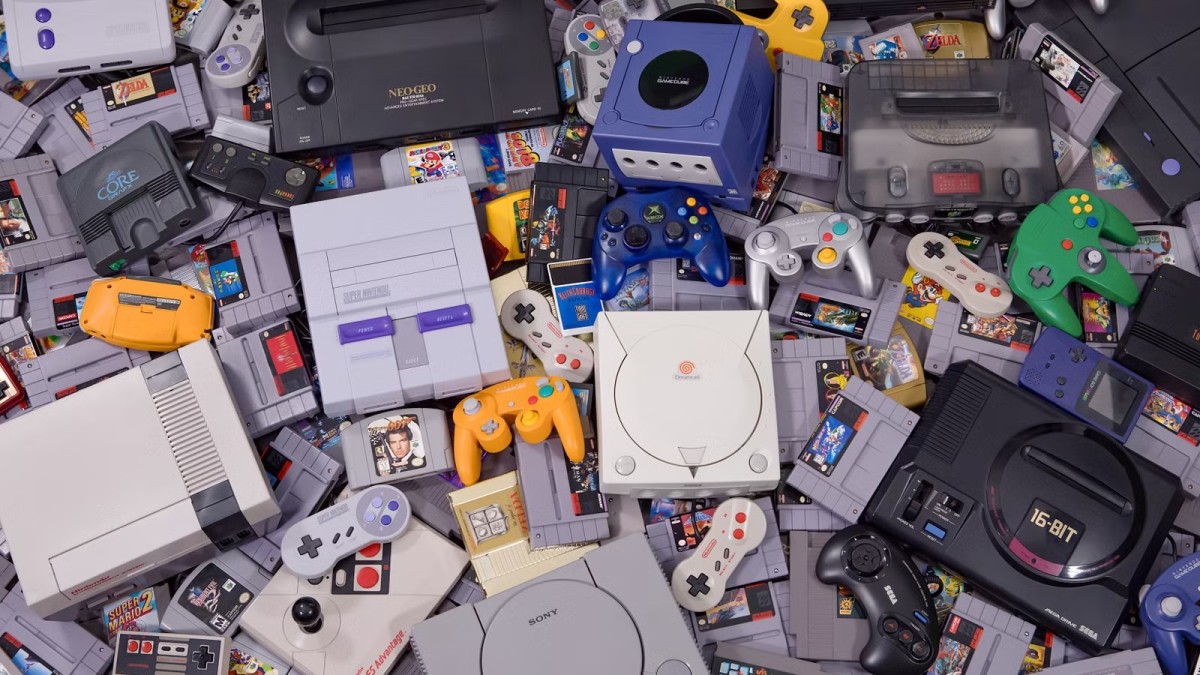
Furthermore, Eurogamer also proposed the possibility that if next-gen hardware prices continue to rise, it might lead to a resurgence in the retro gaming market. When younger players find it difficult to afford the latest equipment, turning to older generation consoles and classic titles could become a more appealing alternative. The report noted that, at reasonable prices, the vast game libraries accumulated over several past generations still hold significant entertainment value.
While new-generation consoles are certainly exciting, delaying the generational shift might not be entirely negative, especially with AI driving up hardware costs. The key lies in whether the industry can strike a balance between innovation and affordability. For players, what truly matters might not be the speed of generational change, but rather the ability to consistently enjoy quality content at a reasonable price.
via: Eurogamer