
During this year's Game Developers Conference (GDC), Steam platform analyst and independent game consultant Chris Zukowski shared his insights into Valve's platform mechanics, highlighting how a single viral game can rapidly transform a developer's relationship with Valve and significantly impact subsequent sales performance. He dubbed these breakout titles "Golden Goose Games" and urged developers to seize success by actively driving sales conversions.

In his presentation, Zukowski defined a "Golden Goose Game" as a title that typically achieves over $150,000 in sales and accumulates approximately 500 user reviews within six months of its launch. Once a game reaches this threshold, he explained, it has the potential to enter what he calls the "True Steam" phase, gaining increased platform recommendations and exposure resources, thereby further expanding its player base.
He noted that Valve's recommendation system does not allocate resources equally but rather adjusts based on game performance and market momentum. With roughly 20,000 games launching on Steam annually, Valve cannot provide equal promotion for every title. Consequently, the platform prioritizes high-performing games, allowing them to create a "the more popular, the more popular" snowball effect. 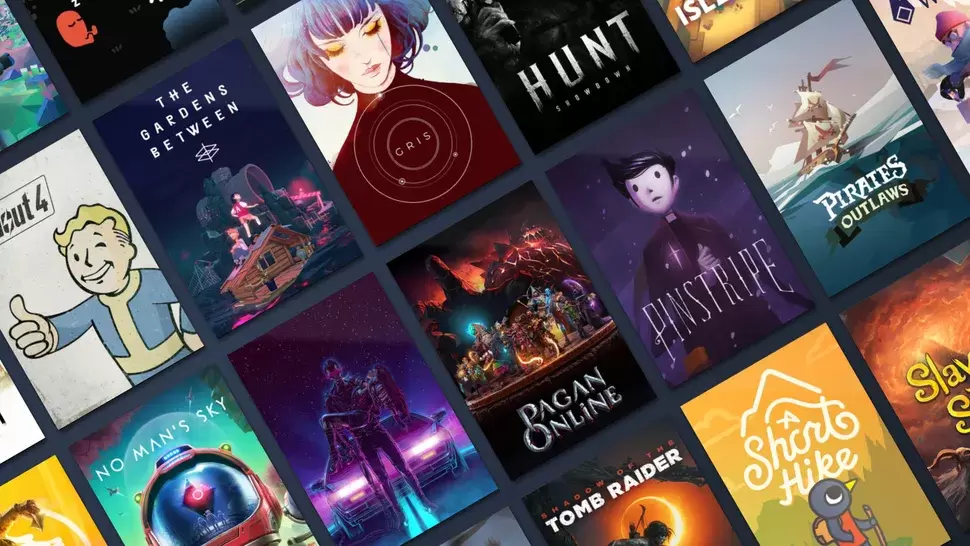
Zukowski described how, once developers have a Golden Goose Game, their relationship with Valve can "change overnight." He used Valve co-founder Gabe Newell as an example:
"Gabe can't buy a yacht with wishlists," Zukowski quipped. He emphasized that when a game accumulates a substantial number of wishlists, developers gain a crucial ability to convert those into sales, and Valve, in turn, expects developers to transform these wishlists into actual revenue.
He referred to this process as "Steam's breathing," where games absorb wishlists and then convert them into sales revenue. Zukowski stated that the most direct and effective method for this conversion is through discount promotions.
He pointed out that most Steam players tend to wait for discounts before purchasing games, making appropriate price reduction strategies highly effective in stimulating sales. His data indicated that popular games offering one to two discounts per month typically lead to higher average sales growth. 
Beyond regular discounts, Valve also provides special promotional opportunities, such as annual "Daily Deals," midweek deals, and weekend sales. Zukowski believes these promotions are particularly effective for viral games, potentially even generating sales figures that surpass their initial launch period. He cited an anonymous developer's case, noting that during a weekend sale, the developer's daily revenue exceeded the game's launch day sales every single day.
Zukowski concluded by stressing that while the Steam platform assists in promoting successful titles, developers must proactively seize these opportunities. He asserted that once a game begins to go viral, developers should actively utilize discount and promotion strategies to convert wishlists into actual sales, thereby truly maximizing the value of their "Golden Goose Game."
via: GamesRadar+