
There are countless famous cars in cinema, and many of them were already noble and magnificent before they ever graced the silver screen. But this particular cinematic icon came from humble beginnings and became an overnight sensation. It didn't hail from a prestigious sports car manufacturer, nor was it a concept car with a bizarre design. Yet, following the global box office frenzy of the 1979 film "Mad Max," this 1973 Ford Falcon XB GT coupe became the dream ride for many children of the 80s.
It is wild and bold, as raw and powerful as the film series itself. 40 years later, this Ford Falcon, known in the movie as the "Pursuit Special," still looks futuristic and fierce.
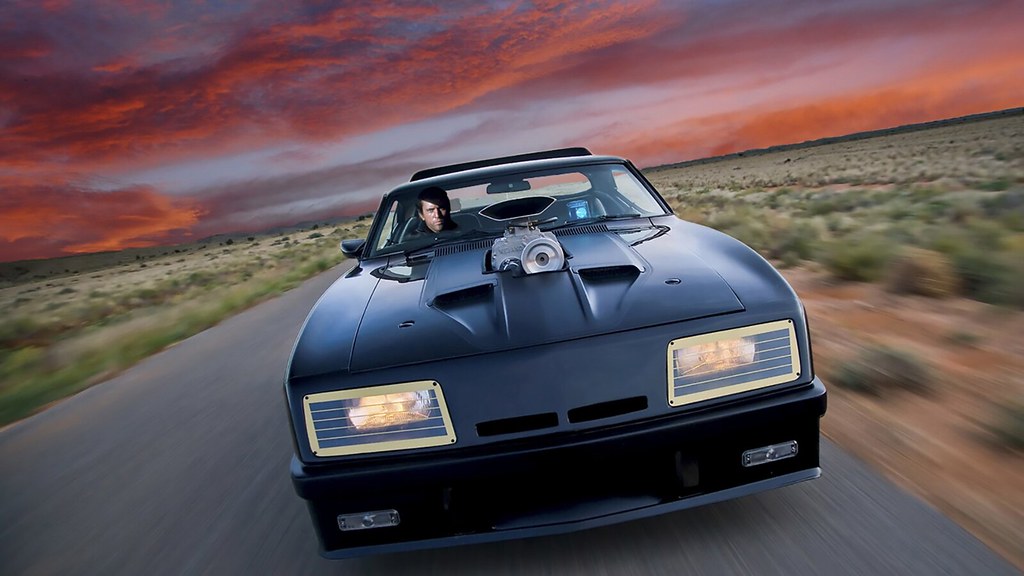
If you're looking for a film series filled with speed, the "Fast & Furious" franchise isn't your best choice—the "Mad Max" series is. This series includes the 1979 film "Mad Max," 1981's "Mad Max 2," 1985's "Mad Max Beyond Thunderdome," and 2015's "Mad Max: Fury Road."
▼"Mad Max"
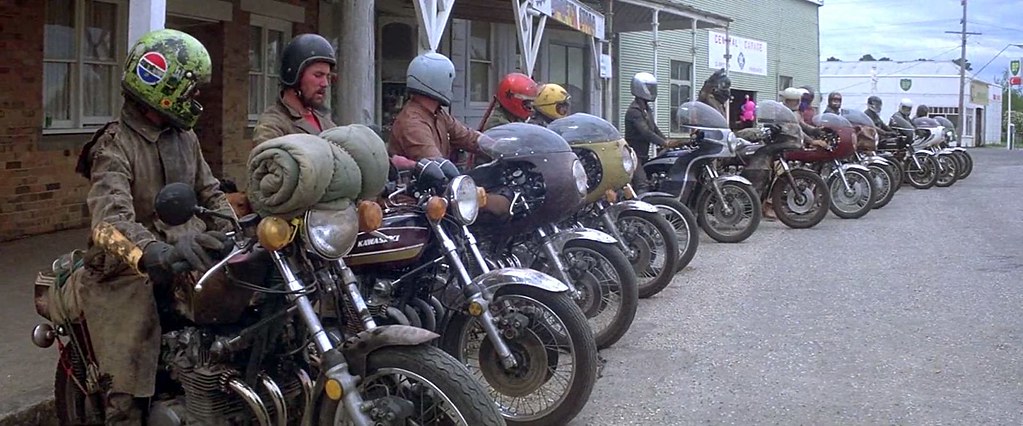
The four films depict an apocalyptic wasteland after the fall of civilization. Across the vast, barren lands, the only signs of life are on the wide, straight highways—where ruthless biker gangs plunder everything they see with speed, and only a few road warriors have the ability to stand against them. Their vehicles chase and collide on the highways; whoever wins gets more of the now-scarce gasoline. In this Wasteland, there is no justice or righteousness, only power and fate. The powerful rule, and the weak are fated to become their prey.
▼The biker gangs of "Mad Max"
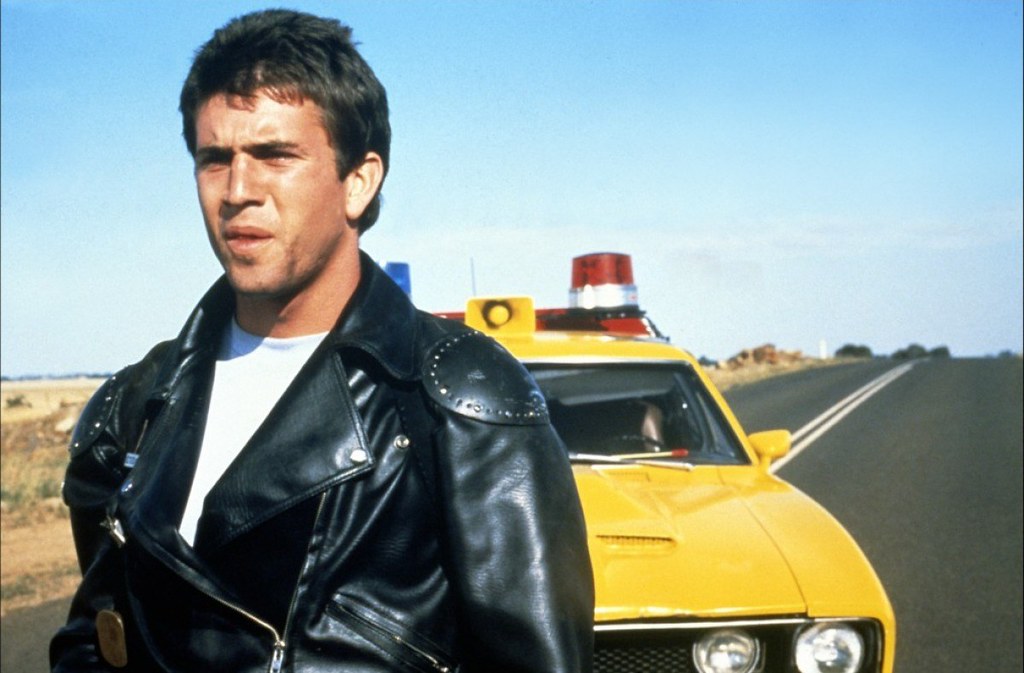
The concept of "Fist of the North Star" is a complete homage to the "Mad Max" series. There's no need to accuse manga writer Buronson of plagiarism, because in truth, the entirely homegrown Australian film "Mad Max" captivated the world in the 80s. The movie had no Hollywood stars, no exaggerated computer-generated visual effects (a far cry from "Star Wars"), and the actors and director were all unknown figures, each with a bit of an Australian accent.
▼A then-unknown Mel Gibson starring in "Mad Max"
But "Mad Max" unleashed its authentic Australian charm to the fullest. The film featured endless Australian wilderness landscapes, bizarrely dressed biker gangs, dangerous real-life car stunts (a character on a high-speed motorcycle has a brutal crash, plus countless head-on collisions), and an ideology of limitless cruelty (they even killed a child in this movie). Hailing from distant Australia, "Mad Max" instantly made Hollywood films look as tame as children's movies. With a budget of only $350,000, it became a global box office darling, grossing $100 million worldwide.
▼Non-stop crashing
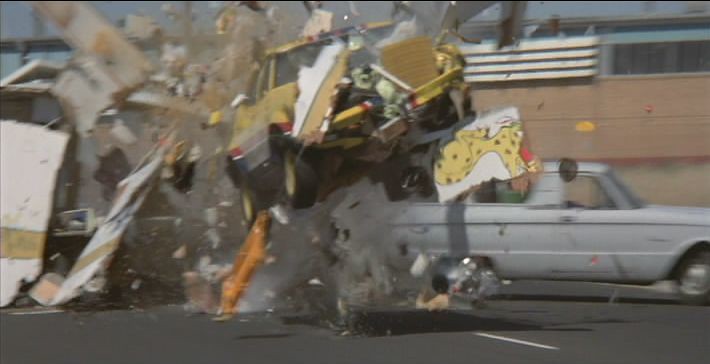
The entire film was made for just $350,000. Even after subtracting the modest salaries for actors like Mel Gibson, there wasn't much left for props. Producer Byron Kennedy, who had painstakingly raised the funds, and director/writer George Miller decided they could only allocate $20,000 for props, as building the apocalyptic sets was bound to cost a fair bit.
The problem was, this was a movie about cops in high-speed pursuit of biker gangs. Where were the cars going to come from? They had to carve out $5,000 from that $20,000 to buy them. That amount wouldn't buy a decent car even today, let alone multiple vehicles.
▼At the beginning of the film, Gibson looks like a well-behaved family man
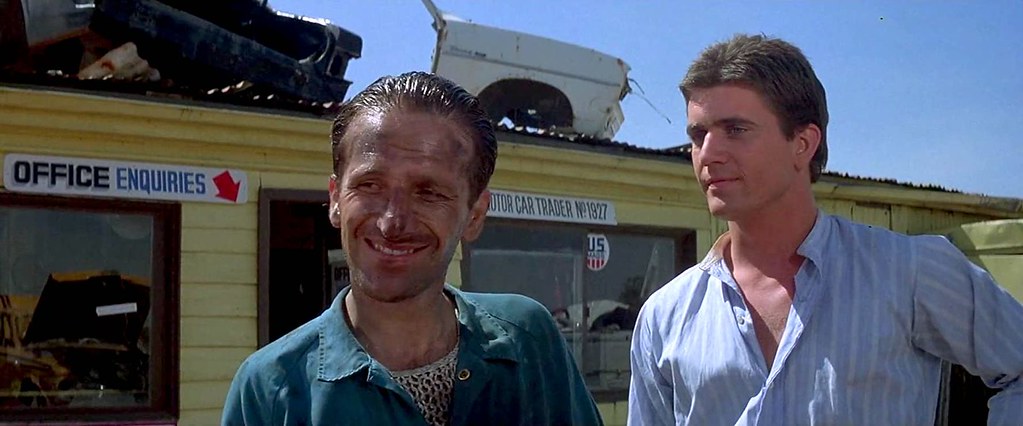
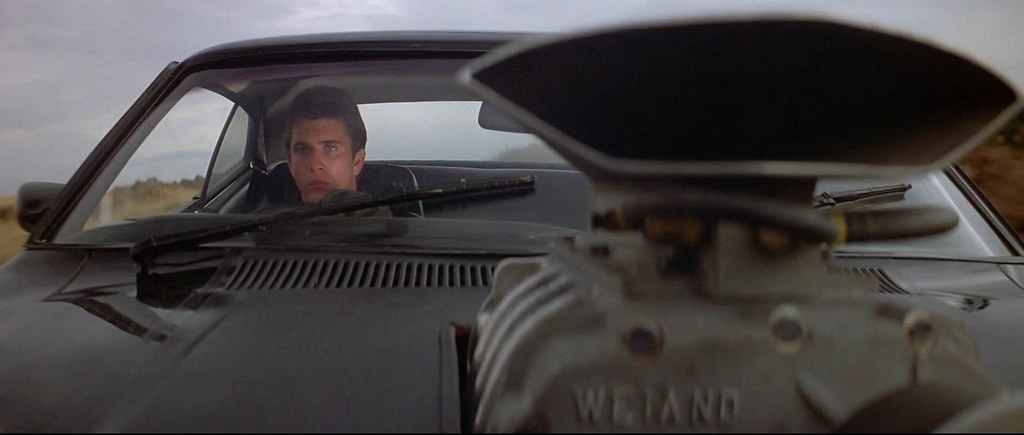
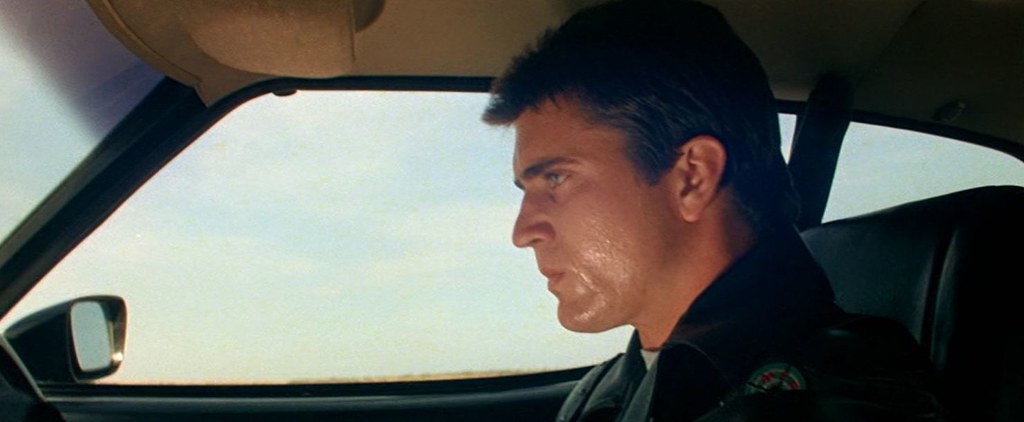
In the film, the protagonist is "Mad Max," played by Mel Gibson. In reality, he's not very mad in the movie; mostly quiet, he comes across as a bit stoic and dazed. He is the top driver among the highway patrol officers. In an era before civilization completely collapsed, he was responsible for chasing down the most dangerous criminals on the road with his superb driving skills. But when a gang accidentally kills Max's wife and child, this quiet big man descends into a quiet madness. Without a word, he walks into the police garage and starts up the force's latest secret weapon: the Pursuit Special. This police car has no machine guns or guided missiles; its only weapon is speed. And Mad Max uses the high-speed wheels of the Pursuit Special to run over every bad guy responsible for the death of his family.
▼Once he gets into the Pursuit Special, he's no longer a normal man
This deadly pursuit vehicle is usually called the Pursuit Special, or the "V8 Interceptor." Either name seems to emphasize the imposing presence of Max's beloved car. Compared to the Pursuit Special, the other police cars in the film look like goody-two-shoes: the front halves of their bodies are painted bright yellow, they have two conventional police lights on the roof, their windows are standard squares, and the low-profile front bumper looks a bit reserved. They almost look more like children's toys.
▼There's a clear difference in class between the standard police cars and the Pursuit Special
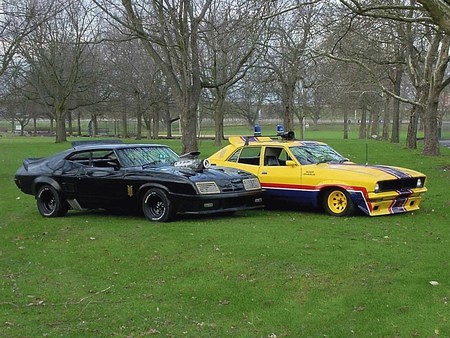
But the Pursuit Special is different. It's painted all black, with only the louvered headlight covers painted yellow, making them stand out. It has a spoiler added to the trunk and another on the rear of the roof. The massive tires and extended body were masterpieces of Ford Australia's modifications to the American original, designed to handle the demands of long-distance driving and complex road conditions in Australia. These modifications gave the Ford Falcon, long discontinued in the United States, a sinister new image on the lonely continent of the Southern Hemisphere. "Mad Max" even added a supercharger to the hood of this Ford Falcon, making it look even more menacing.
▼"Mad Max"
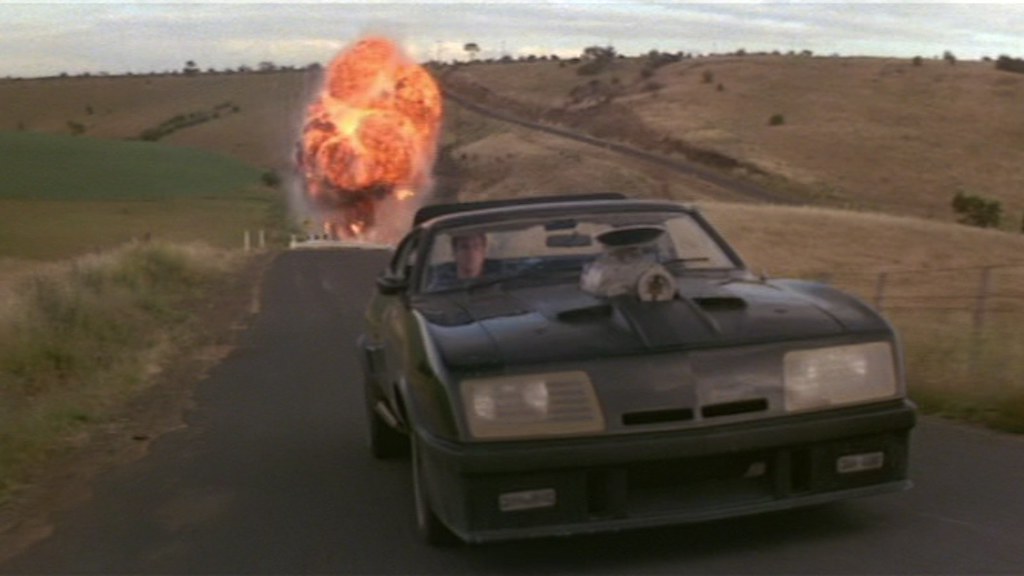
All this menace was achieved for less than NT$100,000 (approx. US$3,300). The man responsible for modifying the cars, Murray Smith, was a mechanic by trade. For him, creating these wild designs was just a way to realize his own crazy car dreams. The problem was the minuscule budget; he couldn't just decorate this apocalyptic vehicle with cardboard. Moreover, George Miller insisted on having the cars perform real stunts (they didn't have the budget for CGI anyway), which meant the modifications couldn't be too outrageous. They had to actually race on the road at 160 km/h and then realistically smash into scrap parts. And these cars had to be guaranteed to survive until the end of filming, or they'd have no cars left to shoot!
▼Creating such a killer look for under NT$100,000
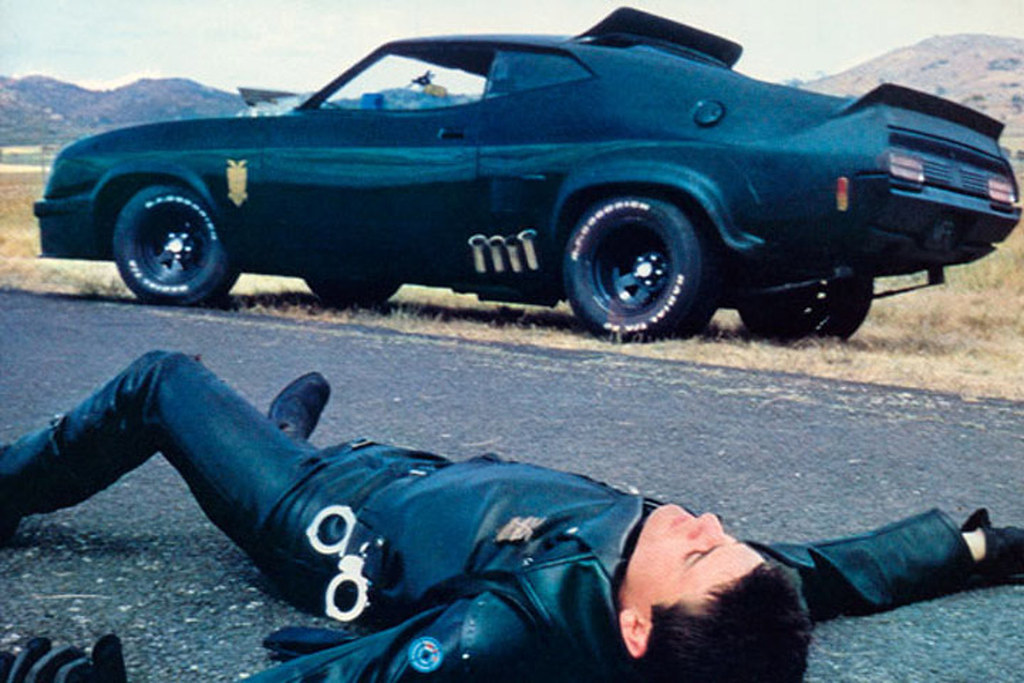
Murray Smith had originally planned to use a Ford Mustang for the Pursuit Special—the Mustang is a favorite in the film industry, featured in countless classic car chase movies. However, the tight budget meant they couldn't afford a Mustang, nor the cost of its repair parts. The locally produced, larger, and longer Falcon from Ford Australia was their only affordable option.
Furthermore, after buying three cars, the prop budget for "Mad Max" was almost completely depleted. The extensive vehicle repairs and re-modifications needed during filming were all paid for by the poor mechanic himself: Smith gritted his teeth and fronted the costs for all the repair parts. In the end, the Pursuit Special actually survived until filming wrapped. Producer Kennedy decided to give the surviving cars to Smith as payment for the parts he had covered.
▼Original design sketch for the Pursuit Special
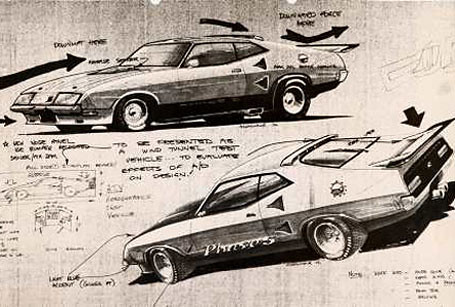
History tells us that a massive budget is not a prerequisite for making a great film. Director George Miller used the salary he earned working in a hospital emergency room (he was actually a qualified doctor), along with Kennedy, to scrape together $350,000. Then, with this collection of patched-together scrap metal, they shot a classic film full of creativity and rebellious spirit. Soon after, the following year, the film was met with an enthusiastic reception in the United States.
The apocalyptic car craze sparked by "Mad Max" swept through the early 80s. The biker gangs from "Mad Max" and the black leather worn by Gibson, symbolizing revenge and authority, were smuggled into "Fist of the North Star" in the forms of Ken-oh's army and Kenshiro himself. Many realized that apocalyptic films could be made on a small budget, leading to the birth of a large number of B-grade action movies.
▼"Fist of the North Star" drew inspiration from the "Mad Max" series
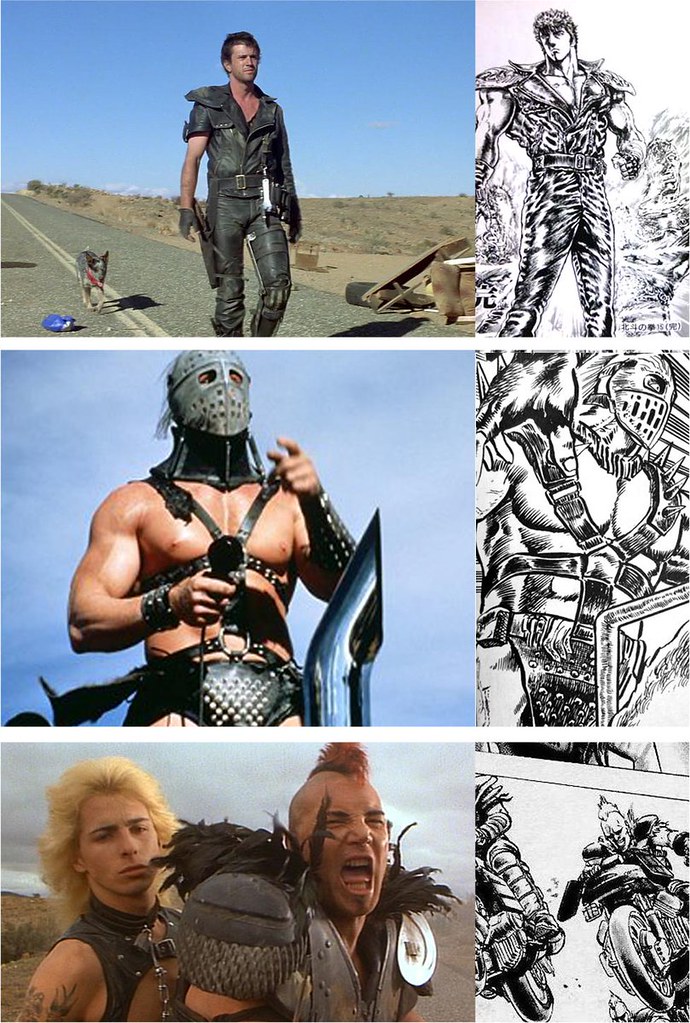
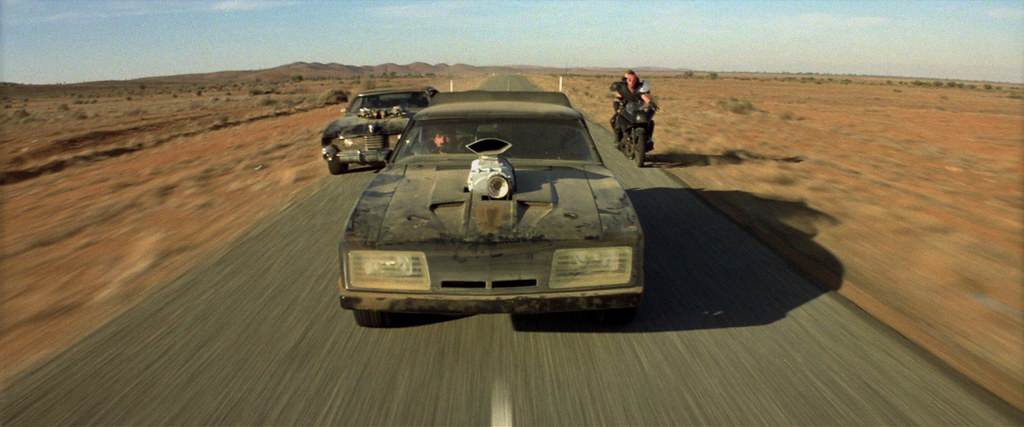
Producer Kennedy knew that a sequel, "Mad Max 2," had to be made, and the Pursuit Special had to return. He quickly bought back the still-intact Ford Falcon from Smith (by this time, Kennedy could afford to pay him properly), bringing the Pursuit Special back to the forefront. In the second film of the series, "Mad Max 2," things have changed. Max has become mad and reclusive, and humanity has regressed into savage beasts hunting each other on the highways. Only the Pursuit Special remains as it was, the sole symbol of reliability in this chaotic world.
▼The Pursuit Special is just as tough in "Mad Max 2"
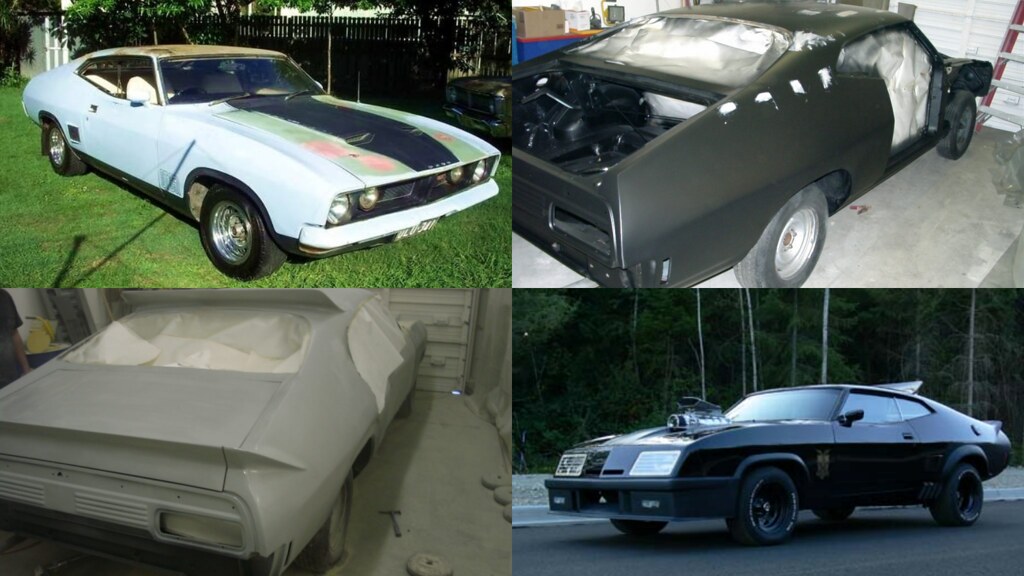
Over the years, the toy market has released many versions of the Pursuit Special model, but it's clear that the car's charm is best displayed on the road—the roar of its 70s V8 engine sounds like the low growl of a wolf. To this day, there is a professional modification company—with the self-explanatory name "Mad Max Cars"—that builds stunningly accurate Pursuit Special replicas for clients all over the world.
▼Building a brand new Pursuit Special replica from the ground up
However, looking back, perhaps the true charm of the Pursuit Special, much like "Mad Max" itself, is its authentic Australian spirit. A group of Australians modified a locally produced Australian car for a film starring Australian actors, racing it on Australian highways—rolling, drifting, and ramming into the car ahead at high speed.
Watching the 40-year-old "Mad Max" today, you can still taste that thick Australian dust. The speed of the Pursuit Special has transcended the silver screen and the limits of time, allowing the world to witness the charm of Australia's raw, homespun ingenuity.